
Are you tired of ending up with rice that’s sticky, hard, or just plain boring? You’re not alone.
Cooking rice that’s soft and fluffy every time can feel like a tricky task, but it doesn’t have to be. Imagine serving perfectly cooked rice that melts in your mouth and complements every meal. You’ll discover simple, proven tips that will transform the way you cook rice forever.
Keep reading, and you’ll never struggle with rice again.
Credit: www.yukiskitchen.com
Choosing The Right Rice
Cooking rice soft and fluffy starts with picking the right kind of rice. Different types of rice cook differently and affect the texture.
Knowing which rice to use helps you get the best results every time you cook.
Different Types Of Rice
There are many types of rice, each with unique shapes and textures. Common types include long grain, medium grain, and short grain rice.
- Long grain rice:Has thin, long grains. It stays separate and fluffy when cooked.
- Medium grain rice:Shorter and wider than long grain. It is more tender and slightly sticky.
- Short grain rice:Round and plump grains. It becomes sticky and soft after cooking.
- Basmati rice:A long grain rice with a nutty flavor and fluffy texture.
- Jasmine rice:Aromatic medium grain rice that cooks soft and slightly sticky.
Selecting The Best Rice For Fluffiness
For soft and fluffy rice, long grain rice is the best choice. It cooks into separate grains that do not stick together.
Basmati rice is ideal if you want fragrant and fluffy rice. Avoid short grain rice if you want fluffy texture, as it tends to be sticky.
- Use long grain or basmati rice for fluffiness
- Rinse rice before cooking to remove excess starch
- Measure water carefully for soft but not mushy rice
- Cook rice with a tight lid to keep steam in
Proper Rice Rinsing
Rinsing rice before cooking helps make it soft and fluffy. It removes extra starch and dust from the grains.
Clean rice cooks better and tastes fresh. Learning how to rinse rice properly is an important step.
Importance Of Rinsing
Rinsing rice removes surface starch that can make rice sticky. This helps grains stay separate after cooking.
- Prevents rice from clumping
- Removes dirt and impurities
- Improves texture and taste
- Helps rice cook evenly
Steps To Rinse Rice Effectively
Follow these steps to rinse rice well before cooking. This method saves time and water.
- Measure the rice and place it in a large bowl.
- Fill the bowl with cold water until rice is fully covered.
- Use your hand to stir the rice gently in the water.
- Drain the cloudy water carefully without losing grains.
- Repeat rinsing and draining 3 to 4 times until water is clear.
- Let the rice sit in a fine sieve to drain excess water.
| Step | Action | Purpose |
| 1 | Place rice in bowl | Prepare for rinsing |
| 2 | Add cold water | Cover rice fully |
| 3 | Stir rice gently | Remove surface starch |
| 4 | Drain cloudy water | Remove starch and dirt |
| 5 | Repeat until clear | Ensure cleanliness |
| 6 | Drain excess water | Prevent sogginess |
Measuring Water Correctly
Cooking rice soft and fluffy depends on the right amount of water. Too much or too little water can change the texture.
Measuring water carefully helps you get perfect rice every time. Let’s look at how to measure water for different rice types.
Water To Rice Ratio
The water to rice ratio is key for soft, fluffy rice. Most white rice cooks well with one and a half to two cups of water for one cup of rice.
- Use 1.5 cups of water for 1 cup of long-grain white rice
- Use 2 cups of water for 1 cup of medium or short-grain rice
- Rinse rice before cooking to remove extra starch
- Use a measuring cup to add water precisely
Adjusting For Different Rice Types
Different rice types need different amounts of water. Brown rice needs more water and longer cooking time than white rice.
| Rice Type | Water to Rice Ratio | Notes |
|---|---|---|
| White Long-Grain | 1.5:1 | Rinse well; cooks fast |
| White Short-Grain | 2:1 | Stickier texture |
| Brown Rice | 2.5:1 | Soak for 30 minutes before cooking |
| Jasmine Rice | 1.75:1 | Lightly rinse; aromatic |
| Basmati Rice | 1.5:1 | Soak for 20 minutes; fluffy grains |
Cooking Techniques
Cooking rice soft and fluffy requires the right technique. The method you use changes the texture and taste.
Here are three common ways to cook rice. Each uses a different tool but aims for the same soft and fluffy result.
Stovetop Method
Use a pot with a tight lid to cook rice on the stove. Rinse rice first to remove extra starch.
- Rinse 1 cup of rice in cold water until clear.
- Add rice and 1.5 cups of water to the pot.
- Bring water to a boil over medium heat.
- Cover and reduce heat to low. Simmer for 18 minutes.
- Turn off heat and let it rest, covered, for 10 minutes.
- Fluff rice gently with a fork before serving.
Rice Cooker Method
Rice cookers make cooking rice easy. They control heat and cooking time automatically.
| Ingredient | Amount |
|---|---|
| Rice | 1 cup |
| Water | 1.5 cups |
| Salt (optional) | 1/4 teaspoon |
Place the rinsed rice, water, and salt in the cooker. Close the lid and start the cooker. Wait until it switches to warm mode. Let the rice rest for 5 minutes before opening.
Instant Pot Method
The Instant Pot cooks rice quickly using pressure. It keeps rice soft and fluffy with less supervision.
Follow these tips for Instant Pot rice:
- Use a 1:1 water to rice ratio.
- Rinse the rice before cooking.
- Seal the lid properly.
- Cook on high pressure for 4 minutes.
- Use natural release for 10 minutes.
Letting Rice Rest
Letting rice rest after cooking helps it become soft and fluffy. This step allows moisture to spread evenly inside the grains.
Skipping the resting time can make rice sticky or hard. Taking time to rest improves texture and taste.
Why Resting Matters
Resting rice lets the steam finish cooking the grains. This makes the rice absorb water fully and become tender. It also stops the rice from breaking when stirred.
- Moisture evens out inside the rice grains.
- Rice becomes fluffier and less sticky.
- Grains hold their shape better.
- Heat distributes evenly, finishing the cooking.
Ideal Resting Time
Resting time depends on the amount and type of rice. Usually, 10 to 15 minutes is enough. Over resting can cool the rice too much.
| Rice Type | Resting Time |
|---|---|
| White Rice | 10 minutes |
| Brown Rice | 15 minutes |
| Jasmine Rice | 10 minutes |
| Basmati Rice | 12 minutes |

Credit: kristineskitchenblog.com
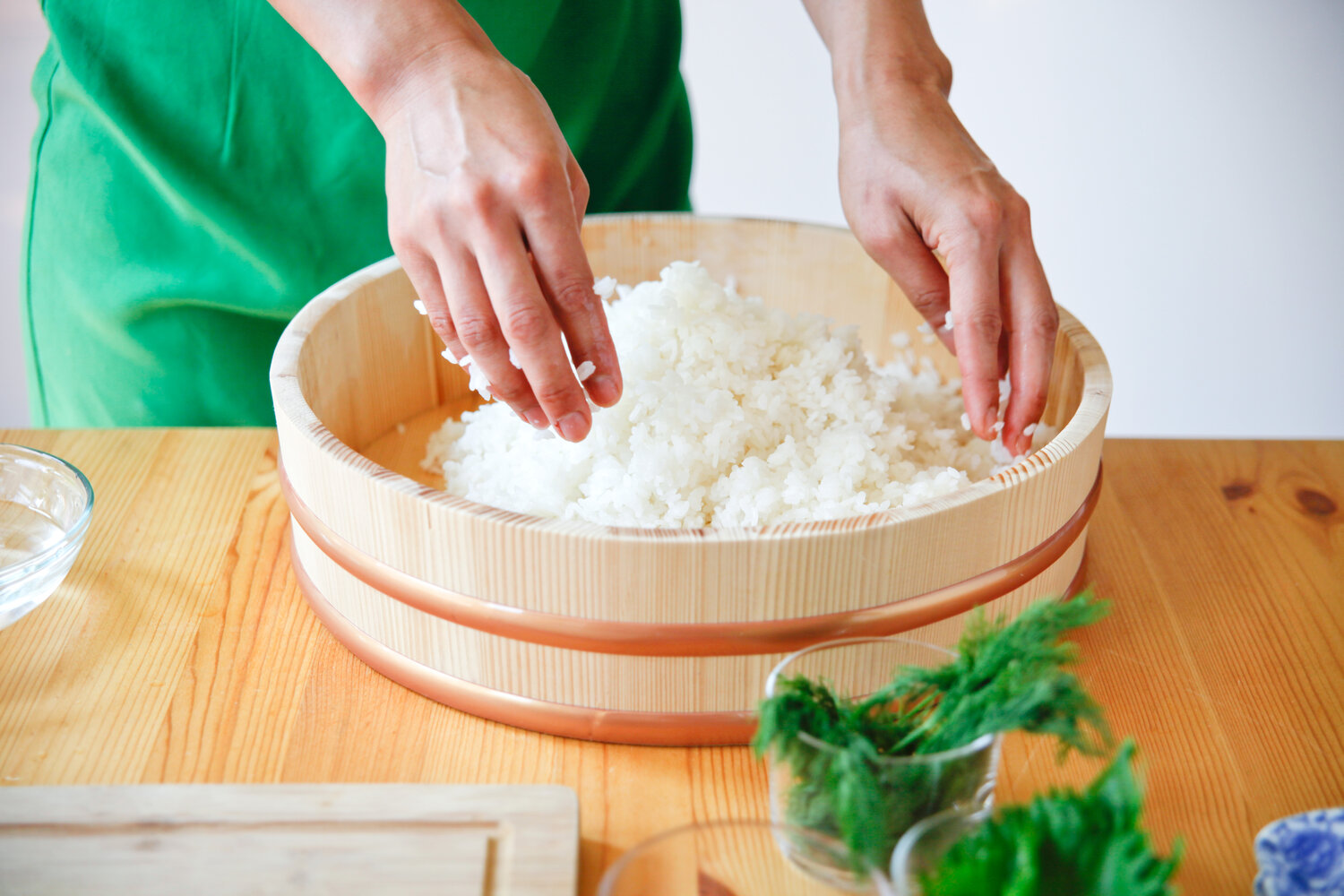
Fluffing Rice Properly
Cooking rice soft and fluffy depends a lot on how you fluff it. Fluffing helps separate the grains. This stops the rice from getting sticky or clumpy.
Knowing the right way to fluff rice can make your meal better. It adds a nice texture and makes the rice look good on the plate.
Using The Right Tools
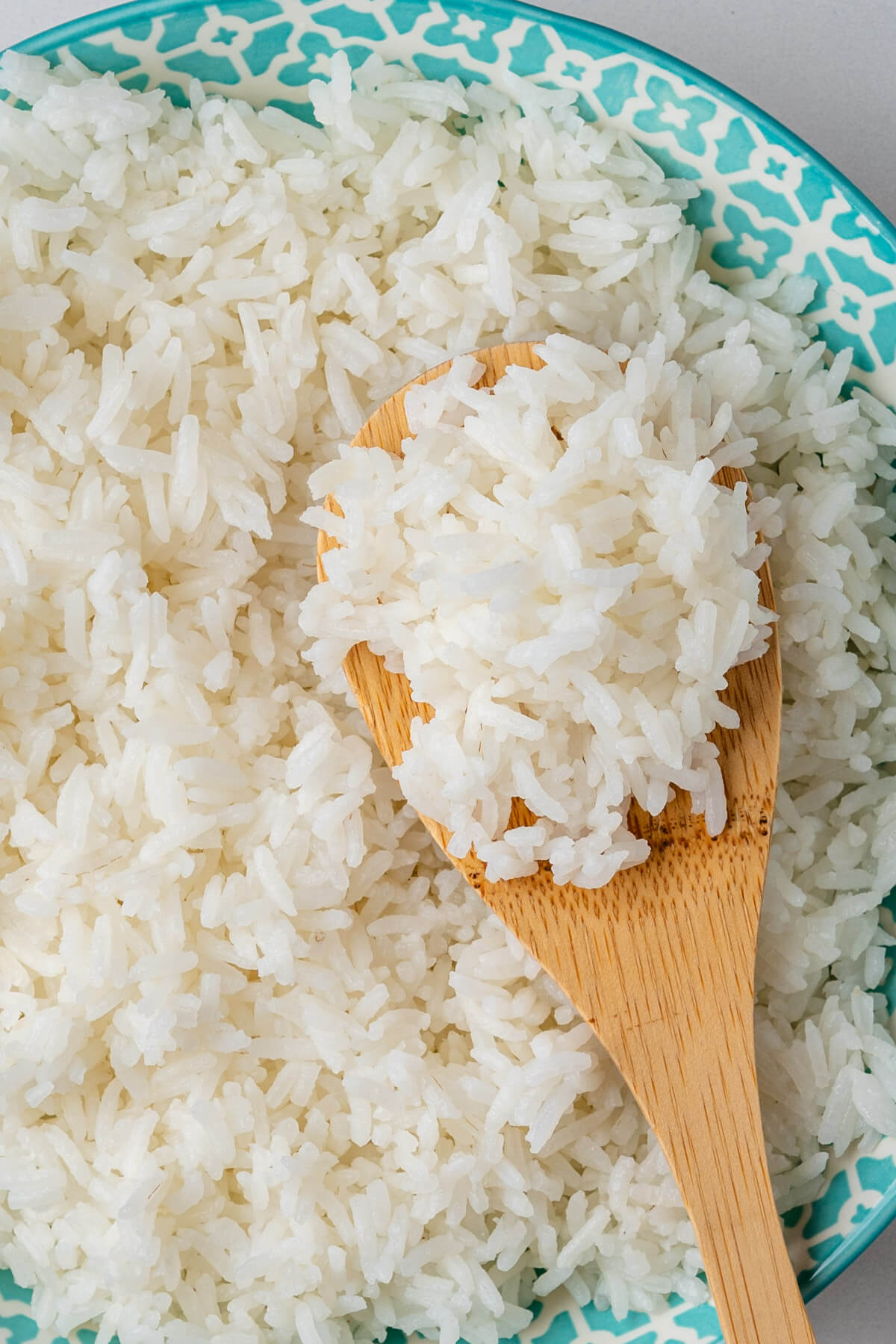
Using the right tools makes fluffing rice easier and cleaner. Avoid metal spoons because they can crush the grains. Instead, use soft tools that gently separate the rice.
- Wooden spoon
- Silicone spatula
- Rice paddle
- Fork (preferably plastic)
These tools help you mix the rice without breaking the grains. They also keep the rice fluffy and light.
Gentle Fluffing Techniques
Fluff rice gently after it finishes cooking. Avoid stirring hard or pressing down on the rice. Use a light touch to lift and separate the grains.
- Let the rice rest for 5-10 minutes after cooking.
- Use the tool to lift rice from the bottom to the top.
- Move slowly to avoid crushing the grains.
- Fluff just enough to separate grains, not mix hard.
Gentle fluffing lets steam escape and keeps rice soft. It also stops rice from clumping together.
Troubleshooting Common Issues
Cooking rice soft and fluffy can be tricky. Many cooks face problems like sticky or undercooked rice.
Knowing how to fix these issues helps you enjoy perfect rice every time.
Fixing Sticky Rice
Sticky rice happens when the grains stick together too much. This usually means too much water or stirring too often.
To fix sticky rice, rinse the rice well before cooking. This removes extra starch that causes stickiness.
- Use less water next time
- Do not stir rice while it cooks
- Let rice rest covered for 5-10 minutes after cooking
- Fluff rice gently with a fork before serving
Dealing With Undercooked Rice
Undercooked rice feels hard or crunchy. This happens if there is not enough water or cooking time is too short.
To fix undercooked rice, add a small amount of water and cook it on low heat with the lid on. This steams the rice until soft.
- Add 1/4 cup water for each cup of undercooked rice
- Cover and cook on low heat for 5-10 minutes
- Check rice texture before turning off heat
- Let rice rest covered after cooking
Credit: cookingwithayeh.com
Enhancing Flavor
Cooking rice soft and fluffy is not just about texture. Adding flavor can make it taste much better. Simple ingredients can turn plain rice into a tasty side dish.
Using aromatics and broth are easy ways to add depth. These ingredients bring aroma and richness to your rice.
Adding Aromatics
Aromatics are vegetables and spices that add smell and taste. Common aromatics include onions, garlic, and ginger. They make rice more inviting and flavorful.
To use aromatics, sauté them in a little oil before adding the rice and water. This step releases their flavors into the rice as it cooks.
- Chop onions finely and cook until soft
- Crush garlic cloves for a stronger aroma
- Add sliced ginger for a fresh, spicy note
- Use whole spices like cinnamon sticks or cardamom pods for warmth
Incorporating Broth Or Stock
Replacing water with broth or stock adds rich flavor to rice. Chicken, vegetable, or beef stock all work well. This simple swap makes rice taste fuller and more delicious.
Use low-sodium broth to control salt levels. Heat the broth before adding it to the rice. This helps the rice cook evenly and absorb the flavors better.
- Use equal parts broth instead of water
- Warm the broth before cooking
- Add herbs like bay leaves or thyme to the broth for extra taste
- Adjust salt after cooking to avoid over-seasoning
Frequently Asked Questions
How Much Water Is Needed For Soft And Fluffy Rice?
Use a 2:1 water-to-rice ratio for most white rice varieties. Adjust slightly for brown rice. This ensures the rice cooks evenly and remains soft without becoming mushy.
What Cooking Method Makes Rice Fluffy?
Rinsing rice before cooking removes excess starch. Use a tight-fitting lid to steam rice on low heat. Let it rest after cooking for fluffier grains.
Can Soaking Rice Improve Its Texture?
Soaking rice for 20-30 minutes hydrates grains, reducing cooking time. It helps achieve a softer and fluffier texture by allowing even water absorption.
Why Should I Avoid Stirring Rice While Cooking?
Stirring releases starch, making rice sticky. Avoid stirring to keep grains separate and fluffy. Instead, let rice cook undisturbed with a lid on.
Conclusion
Cooking soft and fluffy rice is simple with the right steps. Measure water and rice carefully for best results. Let the rice rest after cooking to absorb moisture. Use a pot with a tight lid to keep steam in. Stirring gently helps keep grains separate and light.
Practice makes perfect; each stove and pot may vary. Enjoy your perfectly cooked rice as a base for many meals. Soft, fluffy rice can make your dishes taste better. Keep these tips in mind every time you cook rice.