
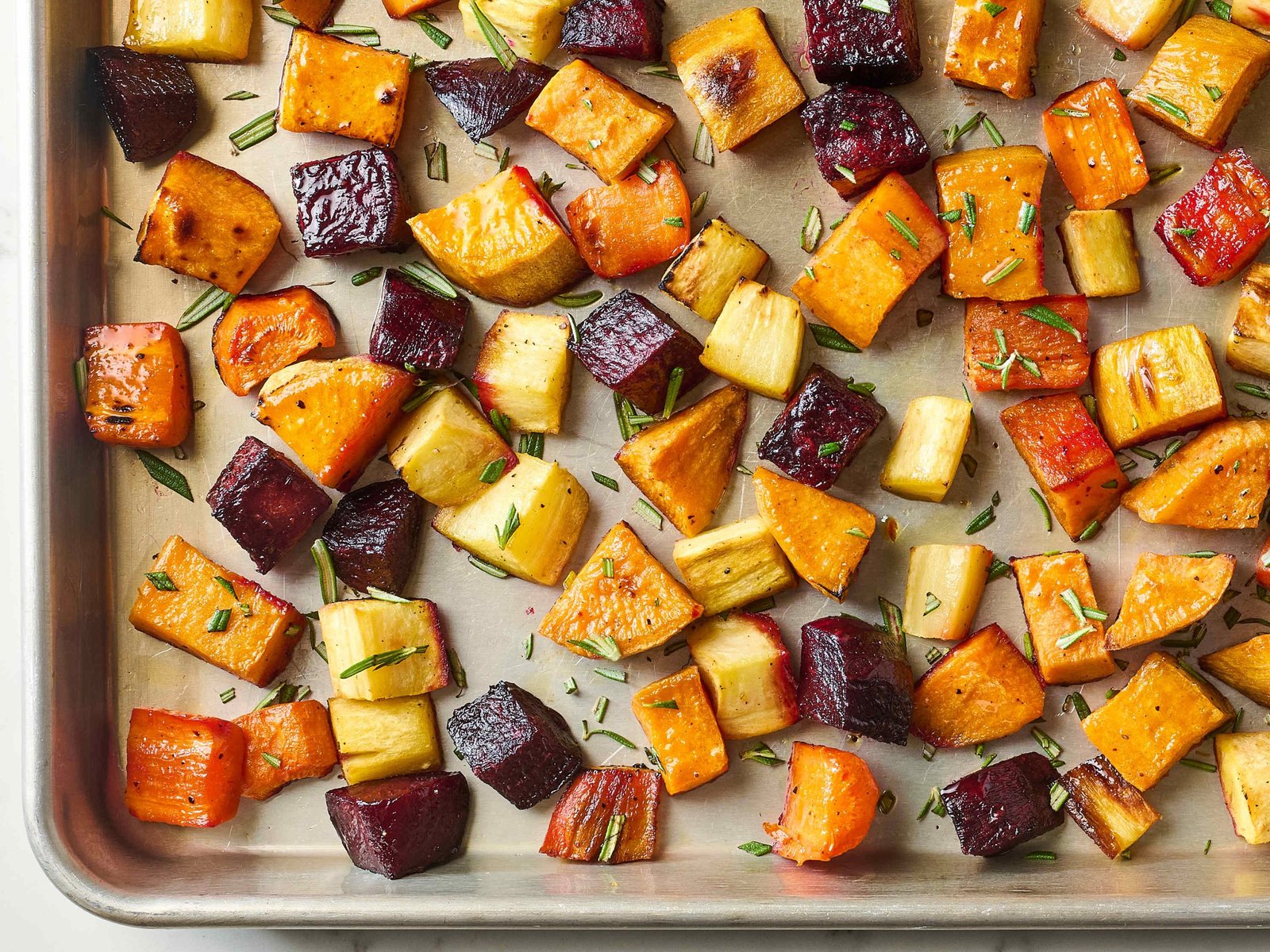
Roasting root vegetables is one of the easiest ways to bring out their natural sweetness and deep flavors. But are you getting the most from your roasting?
Imagine biting into perfectly tender carrots, beets, or parsnips with a crispy, caramelized edge every single time. Whether you’re a kitchen newbie or looking to improve your cooking skills, these simple tips will help you transform your root veggies into a delicious dish you’ll want to make again and again.
Ready to unlock the secret to perfectly roasted vegetables? Keep reading—you won’t want to miss these game-changing tips.

Credit: parade.com
Choosing The Right Vegetables
Roasting root vegetables brings out their natural sweetness and flavor. Picking the right vegetables is key to a tasty dish. You want vegetables that roast evenly and taste great.
Some root vegetables work better than others for roasting. Knowing which ones to choose helps you create a delicious and colorful meal.
Popular Root Vegetables
Many root vegetables roast well. Each has its own taste and texture. Here are some popular choices for roasting:
- Carrots – Sweet and tender when roasted
- Parsnips – Earthy flavor with a slight sweetness
- Beets – Deep color and a rich, sweet taste
- Sweet Potatoes – Soft and creamy inside
- Turnips – Mild and slightly peppery
- Rutabagas – Sweet and buttery when cooked
Seasonal Selections
Choosing vegetables that are in season ensures freshness and better flavor. The table below shows common root vegetables and their best seasons for roasting.
| Vegetable | Best Season |
|---|---|
| Carrots | Fall to Early Spring |
| Parsnips | Fall to Winter |
| Beets | Summer to Fall |
| Sweet Potatoes | Fall to Winter |
| Turnips | Fall to Early Spring |
| Rutabagas | Fall to Winter |
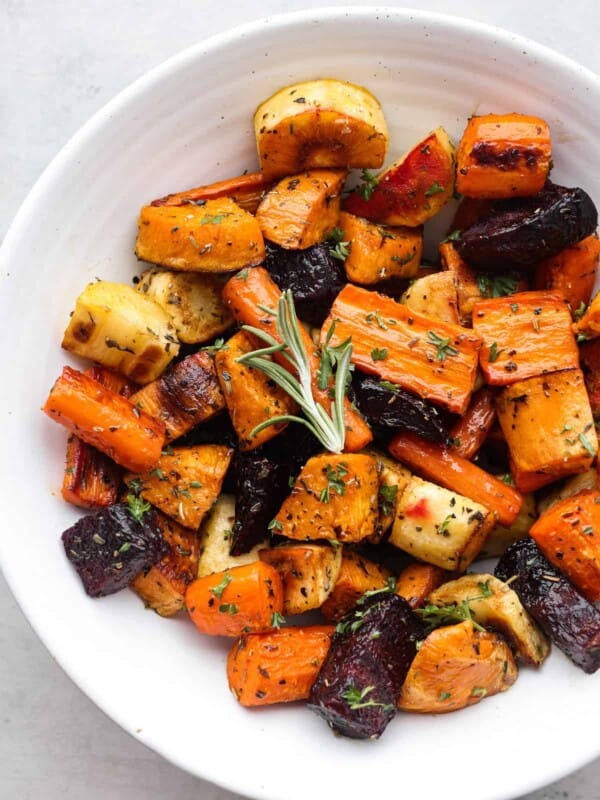
Credit: therecipecritic.com
Preparing Vegetables For Roasting
Roasting root vegetables brings out their natural sweetness and deep flavors. Proper preparation helps cook them evenly and taste great.
Start with cleaning and peeling, then cut the vegetables evenly. These steps make a big difference in texture and cooking time.
Cleaning And Peeling
Always wash root vegetables well to remove dirt and grit. Use a vegetable brush under running water for best results.
- Scrub each vegetable gently but thoroughly.
- Remove any spots or bruises with a knife.
- Peel tough skins if needed, such as on carrots or parsnips.
- Some vegetables like sweet potatoes can be roasted with skins on for more texture.
Cutting For Even Cooking
Cut vegetables into similar sizes and shapes. This ensures they cook evenly and finish at the same time.
| Vegetable | Recommended Cut | Reason |
|---|---|---|
| Carrots | Chunks or sticks | Cooks evenly and stays firm |
| Beets | Cubes or wedges | Roasts through without burning |
| Parsnips | Thick slices or sticks | Prevents drying out |
| Potatoes | Cubes or halves | Soft inside, crispy outside |
Enhancing Flavor With Seasonings
Roasting root vegetables brings out their natural sweetness. Using seasonings can make their flavor even better.
Simple seasonings like salt and pepper work well. Adding herbs and spices can create exciting taste combinations.
Basic Salt And Pepper
Salt and pepper are the easiest way to improve roasted vegetables. Salt enhances natural flavors. Pepper adds a mild heat.
Sprinkle salt and pepper evenly before roasting. Use sea salt or kosher salt for better taste. Freshly ground black pepper works best.
Herbs And Spices Combinations
Herbs and spices add new layers of flavor. You can mix and match to find your favorite taste.
- Rosemary and thyme for a classic, earthy flavor
- Cumin and paprika for a smoky, warm taste
- Garlic powder and oregano for a savory touch
- Curry powder and turmeric for a spicy, vibrant dish
- Chili flakes and coriander for a mild heat with freshness
Selecting The Right Oil
Choosing the right oil is key for roasting root vegetables. The oil affects flavor and texture.
Some oils handle heat better, and others add different tastes. Pick the oil that fits your dish.
Olive Oil Vs. Other Oils
Olive oil is popular for roasting. It has a rich flavor and is healthy. It works well at medium heat.
Other oils like avocado, canola, or vegetable oil have higher smoke points. They can handle hotter ovens.
- Olive oil adds a fruity, slightly peppery taste
- Avocado oil is mild and good for high heat
- Canola oil has a neutral flavor and high smoke point
- Vegetable oil is cheap and neutral but less healthy
Adding Flavor With Infused Oils
Infused oils add extra taste to roasted vegetables. You can use oils with herbs or spices for more flavor.
Try garlic, rosemary, or chili infused oils. They make vegetables more exciting and tasty.
- Garlic-infused oil adds a warm, savory note
- Rosemary oil gives a fresh, pine-like flavor
- Chili oil adds a spicy kick
- Use infused oils sparingly to avoid overpowering
Optimal Roasting Techniques
Roasting root vegetables brings out their natural sweetness and deep flavors. Using the right techniques helps you get crispy edges and soft centers.
Simple tips on temperature, timing, and convection settings make roasting easy and tasty. Follow these to improve your results.
Oven Temperature And Timing
Set your oven temperature between 400°F and 425°F (200°C to 220°C) for the best roast. This heat cooks vegetables evenly and makes edges crispy.
Roasting time depends on the size of your pieces. Cut vegetables into similar sizes to cook evenly and avoid burning.
- Small pieces (1 inch): roast for 25-30 minutes
- Medium pieces (2 inches): roast for 35-40 minutes
- Large chunks: roast for 45-50 minutes
Using Convection Settings
Convection ovens use a fan to circulate hot air. This helps cook vegetables faster and more evenly.
Lower the oven temperature by 25°F (about 15°C) if you use convection. This prevents burning while keeping vegetables crispy.
- Set convection oven to 375°F (190°C)
- Roast root vegetables for 20-35 minutes
- Check and stir vegetables halfway through cooking

Credit: www.acouplecooks.com
Achieving Perfect Texture
Roasting root vegetables gives them a rich flavor and great texture. Getting the right balance between crisp outside and soft inside is key.
Small changes in cooking time and temperature can change the texture a lot. Let’s look at how to get the perfect roast.
Balancing Crispiness And Tenderness
Crispy edges and tender centers make roasted root vegetables delicious. Use high heat to get crispiness and slow cooking for softness.
Cut vegetables evenly so they cook at the same rate. Too small pieces may burn before they soften.
- Preheat oven to 400°F (200°C) for best crisping.
- Use olive oil to coat vegetables evenly.
- Space vegetables on the pan to avoid steaming.
- Check and turn vegetables halfway through cooking.
Preventing Sogginess
Sogginess happens when vegetables release too much moisture. Avoid overcrowding the pan to keep air flowing.
Pat vegetables dry before roasting. Wet vegetables steam instead of roast, which makes them soggy.
- Dry vegetables with a clean towel before cooking.
- Use a large baking sheet for even heat.
- Do not cover vegetables while roasting.
- Roast on the middle rack for best airflow.
Creative Flavor Pairings
Roasting root vegetables brings out their natural sweetness. Pairing them with other flavors makes them even better.
Try mixing different vegetables and adding nuts or seeds. These ideas add texture and new tastes to your dish.
Combining Different Vegetables
Mix root vegetables like carrots, parsnips, and beets for a colorful plate. Each vegetable adds a unique flavor.
Add onions or garlic for a savory touch. Sweet potatoes and turnips give a nice balance of sweet and earthiness.
- Carrots and parsnips for sweetness
- Beets and turnips for earthiness
- Sweet potatoes and onions for contrast
- Garlic for a savory boost
Adding Nuts And Seeds
Sprinkle nuts or seeds on roasted vegetables for crunch. They add a nutty flavor and a nice texture contrast.
Try walnuts, pecans, or pumpkin seeds. Toast them lightly to bring out their flavors before adding.
- Walnuts add a rich, bitter crunch
- Pecans bring a sweet, buttery taste
- Pumpkin seeds give a mild, nutty flavor
- Toast seeds for extra crispiness
Serving Suggestions
Roasted root vegetables make a tasty and healthy side. They add color and flavor to your plate. You can serve them in many ways to suit your meal.
Below are ideas for pairing roasted root vegetables with main dishes and making them a main feature of your meal.
Pairing With Main Dishes
Roasted root vegetables go well with many main dishes. Their natural sweetness balances savory flavors. They also add texture and nutrition.
- Serve with roasted chicken or turkey for a classic meal.
- Pair with grilled steak or pork chops to add earthiness.
- Combine with baked fish for a light and healthy dinner.
- Use alongside vegetarian dishes like lentil stew or quinoa bowls.
- Add to pasta dishes for extra flavor and vitamins.
Creating A Standalone Dish
Roasted root vegetables can be the star of your meal. Use a mix of beets, carrots, potatoes, and parsnips. Add herbs and spices for more taste.
| Vegetable | Suggested Seasoning | Serving Idea |
| Carrots | Thyme and honey | Serve warm with a sprinkle of parsley |
| Beets | Balsamic vinegar and rosemary | Top with goat cheese for richness |
| Potatoes | Garlic and rosemary | Serve with sour cream or yogurt dip |
| Parsnips | Cumin and paprika | Garnish with fresh cilantro |
Storing And Reheating Leftovers
Roasted root vegetables taste great as leftovers. Storing and reheating them right keeps their flavor and texture.
Follow simple tips to keep your veggies fresh and tasty after cooking.
Proper Storage Techniques
Cool the roasted vegetables before storing them. Place them in airtight containers to keep moisture out.
Store leftovers in the fridge within two hours of cooking. Use them within three to four days for best taste.
- Allow vegetables to cool to room temperature
- Use airtight containers or resealable bags
- Label containers with the date of storage
- Keep leftovers in the fridge, not on the counter
- Freeze if you want to keep them longer than 4 days
Best Reheating Methods
Reheat roasted root vegetables gently to avoid drying them out. Use the oven or stovetop for best results.
Avoid microwaving if possible. It can make vegetables soggy or unevenly heated.
- Preheat oven to 350°F (175°C)
- Spread vegetables on a baking sheet in one layer
- Heat for 10-15 minutes, stirring halfway
- Alternatively, warm in a skillet over medium heat
- Add a little oil or butter to keep moisture
Frequently Asked Questions
What Are The Best Root Vegetables For Roasting?
The best root vegetables for roasting include carrots, parsnips, sweet potatoes, beets, and turnips. These vegetables roast evenly and develop a sweet, caramelized flavor when cooked at high heat.
How Do I Season Root Vegetables For Roasting?
Season root vegetables with olive oil, salt, pepper, and herbs like rosemary or thyme. This enhances their natural sweetness and adds a savory depth to the roasted dish.
What Oven Temperature Is Ideal For Roasting Root Vegetables?
Roast root vegetables at 400°F (200°C) for optimal caramelization. This temperature cooks them evenly and creates a crispy exterior while keeping the inside tender.
Should Root Vegetables Be Cut Uniformly Before Roasting?
Yes, cutting root vegetables into uniform sizes ensures even cooking. Similar-sized pieces roast consistently, preventing some from burning while others remain undercooked.
Conclusion
Roasting root vegetables brings out their natural sweetness. Use even cuts for uniform cooking. Toss them with oil, salt, and your favorite herbs. Keep an eye on the oven to avoid burning. Try different vegetable mixes to find your favorite blend.
Serve hot for the best taste and texture. Enjoy simple, healthy, and delicious meals anytime. Roasting is easy and adds great flavor. Give it a try and see the difference!