
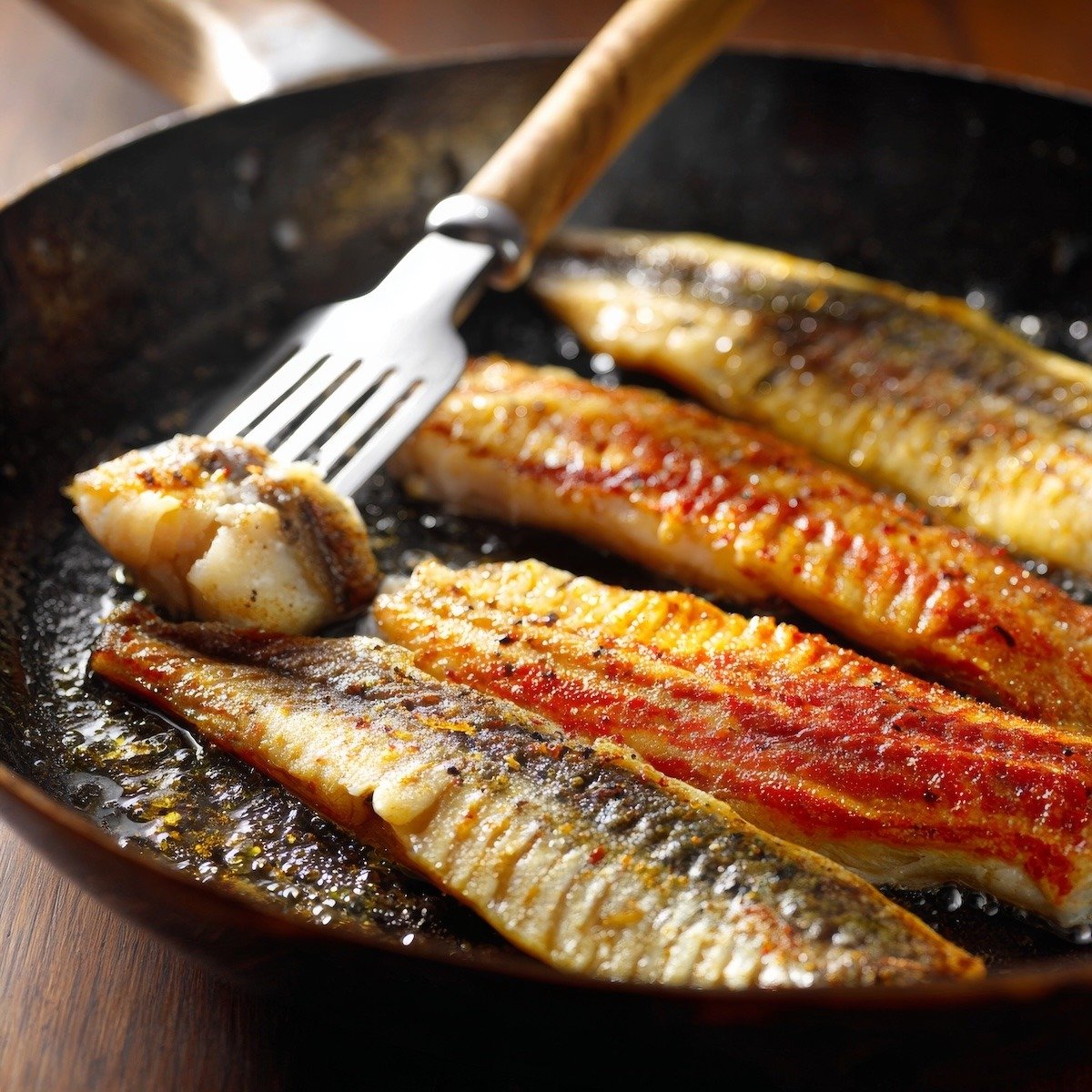
Nothing is more frustrating than preparing a delicious meal, only to find your food stuck stubbornly to the pan. You’ve cleaned, heated, and cooked carefully, yet those bits cling on, wasting your food and making cleanup a nightmare.
What if you could stop this from happening every time? Imagine cooking with ease, flipping your favorite dishes without a hitch, and enjoying every bite without the mess. You’ll discover simple, effective ways to prevent food from sticking to your pans — helping you save time, reduce waste, and make cooking more enjoyable.
Keep reading, and turn your kitchen struggles into smooth, stress-free cooking moments.
Credit: www.youtube.com
Choose The Right Pan Material
Food sticks to pans because of the pan’s surface and how heat spreads. Picking the correct pan helps keep food from sticking and makes cooking easier.
Each pan material has benefits and drawbacks. Learn about non-stick, stainless steel, and cast iron to find what suits your cooking style.
Non-stick Options
Non-stick pans have a smooth coating that stops food from clinging. They need less oil and work well for eggs and pancakes.
- Use low or medium heat to protect the coating.
- Avoid metal utensils to prevent scratches.
- Hand wash gently to keep the surface intact.
Stainless Steel Advantages
Stainless steel pans are strong and resist rust. They can handle high heat and create a nice crust on food.
| Feature | Benefit |
| Durability | Lasts for years with proper care |
| Heat Distribution | Even cooking without hot spots |
| Maintenance | Needs seasoning or oil to reduce sticking |
Cast Iron Benefits
Cast iron pans hold heat well and give food a crispy texture. They become naturally non-stick after seasoning.
Tips for using cast iron:
- Season regularly with oil to build a non-stick layer.
- Preheat the pan before adding food.
- Clean with warm water and avoid soap.
- Dry thoroughly to prevent rust.
Proper Pan Preheating
Preheating your pan correctly helps stop food from sticking. It creates a smooth cooking surface.
Knowing how to preheat a pan saves time and keeps your food tasty and neat.
Importance Of Temperature
The right temperature stops food from sticking to the pan. If the pan is too cold, food will stick.
If the pan is too hot, food can burn or cook unevenly. A warm pan cooks food better.
- Preheat pan on medium heat for even cooking
- Use a temperature that suits your cooking type
- Adjust heat based on pan material
Testing Pan Readiness
Test if the pan is ready before adding food. This avoids sticking and helps cooking.
One common test uses water drops to check the heat level of the pan.
- Drop a few drops of water on the pan surface
- If water sizzles and evaporates quickly, pan is ready
- If water sits still or evaporates slowly, heat more
- If water jumps or dances, pan is very hot and may need cooling
Use Of Cooking Oils And Fats
Cooking oils and fats help stop food from sticking to pans. They create a smooth layer between the food and the pan.
Using the right oil and the correct amount can make cooking easier. It also helps food cook evenly and taste better.
Selecting The Right Oil
Choose oils that suit the cooking temperature. Some oils burn fast and lose their non-stick ability.
Oils with a high smoke point are best for frying or searing. Examples include canola oil, sunflower oil, and avocado oil.
- Olive oil is good for low to medium heat cooking.
- Butter adds flavor but burns quickly at high heat.
- Coconut oil works well for medium heat and adds a mild taste.
Quantity And Distribution
Use enough oil to cover the pan’s surface evenly. Too little oil can cause food to stick.
Spread the oil well before adding food. Heat the oil slightly to help it coat the pan better.
- Pour a small amount of oil in the pan.
- Use a brush or paper towel to spread it evenly.
- Heat the pan with oil for one to two minutes before cooking.

Credit: www.express.co.uk
Food Preparation Techniques
Preventing food from sticking to pans starts before cooking. Proper preparation helps create a smooth cooking process.
Simple steps like drying ingredients and using room temperature food can reduce sticking. These methods work well with many recipes.
Drying Ingredients
Wet ingredients cause food to stick more often. Removing extra moisture helps food cook evenly and separate easily from pans.
- Pat meat and fish dry with paper towels before cooking.
- Drain vegetables well after washing or blanching.
- Use a clean cloth to remove water from leafy greens.
- Dry herbs before adding them to hot pans.
Room Temperature Cooking
Bringing food to room temperature before cooking helps even heat distribution. Cold food can stick because of uneven cooking.
| Benefit | How It Helps Prevent Sticking |
| Even cooking | Food cooks at a steady rate, reducing sticking spots. |
| Better browning | Food sears quickly, creating a natural release from the pan. |
| Less moisture | Cold food releases water when heated, causing sticking. |
| Improved texture | Food cooks to the right tenderness without sticking to the pan. |
Cooking Temperature Control
Controlling cooking temperature helps stop food from sticking to pans. Correct heat keeps food cooking evenly and prevents burning.
Learning to manage heat and space in the pan can make cooking easier. It saves time and helps food taste better.
Managing Heat Levels
Start cooking on medium heat to warm the pan gently. High heat can cause food to stick and burn quickly.
Adjust the heat while cooking. Lower the heat if food starts to stick or smoke appears.
- Preheat the pan before adding food
- Use medium or low heat for most cooking
- Turn down heat if food sticks or burns
- Know your stove’s heat settings
Avoiding Overcrowding
Give food enough space in the pan. Crowding traps steam and causes sticking.
Cook in batches if needed. This keeps heat even and prevents food from sticking together.
- Use a pan big enough for the food amount
- Leave space between pieces of food
- Cook in small batches if pan is crowded
- Stir or flip food gently to keep it separate
Proper Timing And Patience
Preventing food from sticking to pans needs good timing and patience. Rushing can cause food to stick and tear.
Understanding when to move or flip food helps it cook evenly and release naturally from the pan surface.
Allowing Food To Release Naturally
Food sticks less when you let it cook undisturbed. Moving it too soon can cause sticking and breakage.
- Heat the pan and oil before adding food.
- Place food carefully and let it cook on one side.
- Wait until the food releases easily before flipping.
- Patience helps create a natural crust that lifts from the pan.
Understanding Cooking Cues
Watching food closely lets you spot when it is ready to move. Look for color, texture, and sound clues.
| Cue | What It Means | Action |
|---|---|---|
| Food edges browning | Cooking well on one side | Check if it releases before flipping |
| Sizzling sound slows | Food starting to stick | Give more time or adjust heat |
| Surface lifts easily | Food ready to turn or remove | Flip or take out of pan |
Caring For Your Cookware
Good care helps keep your pans non-stick and lasts longer. Cleaning and storing pans properly stops food from sticking.
Learn how to clean and store your cookware to keep it in top shape.
Cleaning Tips
Wash pans with warm water and mild soap. Avoid harsh scrubbers that can damage the surface.
- Use a soft sponge or cloth
- Soak pans to loosen stuck food
- Dry pans fully after washing
- Do not use metal utensils to scrape pans
Maintenance And Storage
Keep pans in a dry place to prevent rust and damage. Use pan protectors or cloth between stacked pans.
| Storage Method | Benefit |
| Hang pans on hooks | Prevents scratches and dents |
| Use pan protectors | Keeps non-stick surface safe |
| Store in dry cupboard | Stops rust and moisture damage |

Credit: www.reluctantgourmet.com
Frequently Asked Questions
How Can I Stop Food From Sticking To My Pan?
To prevent sticking, preheat the pan and use enough oil or butter. Avoid overcrowding and cook on medium heat. Non-stick pans also help reduce sticking effectively.
What Type Of Oil Prevents Food From Sticking?
Oils with high smoke points, like avocado, canola, or vegetable oil, prevent sticking. These oils withstand heat without burning, ensuring smooth cooking and easy food release.
Does Seasoning A Pan Help Prevent Sticking?
Yes, seasoning creates a natural non-stick surface on pans. It involves coating the pan with oil and heating it, which builds a protective layer over time.
Can Cooking Temperature Affect Food Sticking To Pans?
Absolutely. Cooking on too high or too low heat can cause sticking. Medium heat ensures even cooking and minimizes food sticking to the pan.
Conclusion
Preventing food from sticking to pans makes cooking easier and cleanup faster. Use the right pan and heat it properly before adding oil. Adding enough oil or butter helps create a smooth surface. Avoid overcrowding the pan to keep food from sticking.
Clean pans well and avoid metal utensils that damage surfaces. Small changes in your cooking routine can make a big difference. Try these tips in your kitchen and enjoy better meals with less mess. Simple steps lead to better cooking results every time.