
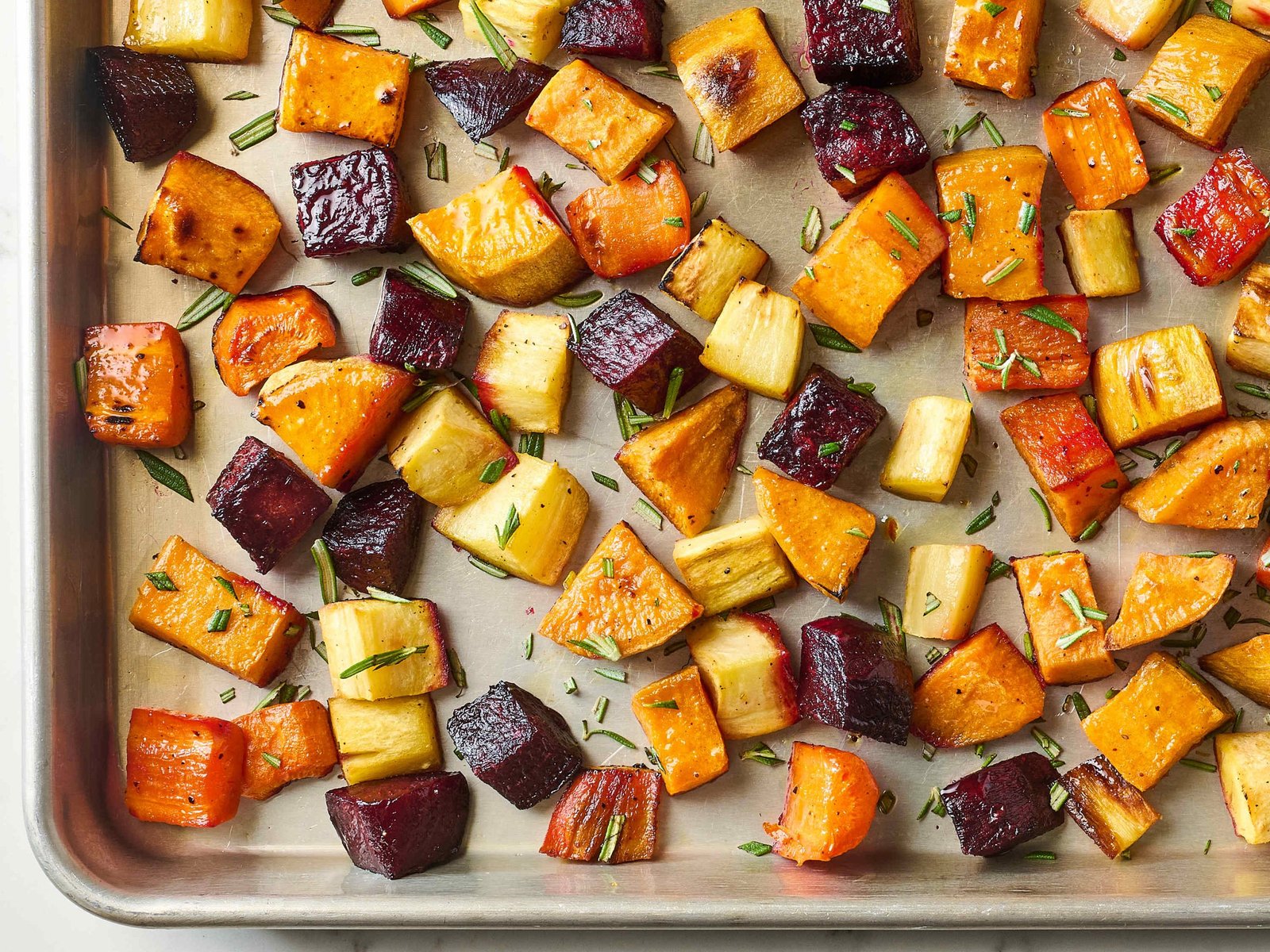
Roasting vegetables is one of the easiest ways to bring out their natural flavors. But if your veggies come out uneven—some burnt, some undercooked—it can be frustrating.
You want every bite to be perfectly tender and full of taste. The good news? With a few simple tips, you can roast vegetables evenly every time. Keep reading, and you’ll learn how to get that perfect golden finish on your favorite veggies that will make your meals more delicious and satisfying.
Your kitchen skills are about to level up!
Choosing The Right Vegetables
Roasting vegetables is a simple way to bring out their natural flavors. Picking the right vegetables helps them cook evenly.
Some vegetables roast better than others. Knowing which ones to choose makes your dish taste great.
Select Vegetables With Similar Cooking Times
Vegetables cook at different speeds. Choose ones that roast well together. This stops some from burning while others stay raw.
- Carrots and potatoes take longer to roast
- Peppers and zucchini cook faster
- Group vegetables by similar cooking times
Pick Firm And Fresh Vegetables
Fresh vegetables roast better because they have less water. Firm vegetables hold their shape and cook evenly.
- Look for firm texture, not soft or mushy
- Avoid vegetables with bruises or cuts
- Fresh vegetables taste sweeter when roasted
Cut Vegetables Into Even Pieces
Cutting vegetables into the same size helps them cook at the same rate. Small pieces cook faster than large ones.
- Use a sharp knife for clean cuts
- Make pieces about the same size
- Try 1 to 2-inch chunks for most vegetables
Choose Vegetables With Low Water Content
Vegetables with less water roast better. They get crispy instead of soggy. Some have more water and steam instead of roast.
- Good choices: carrots, potatoes, cauliflower
- Avoid: cucumbers, lettuce, zucchini (too watery)
- Dry vegetables roast to a nice texture
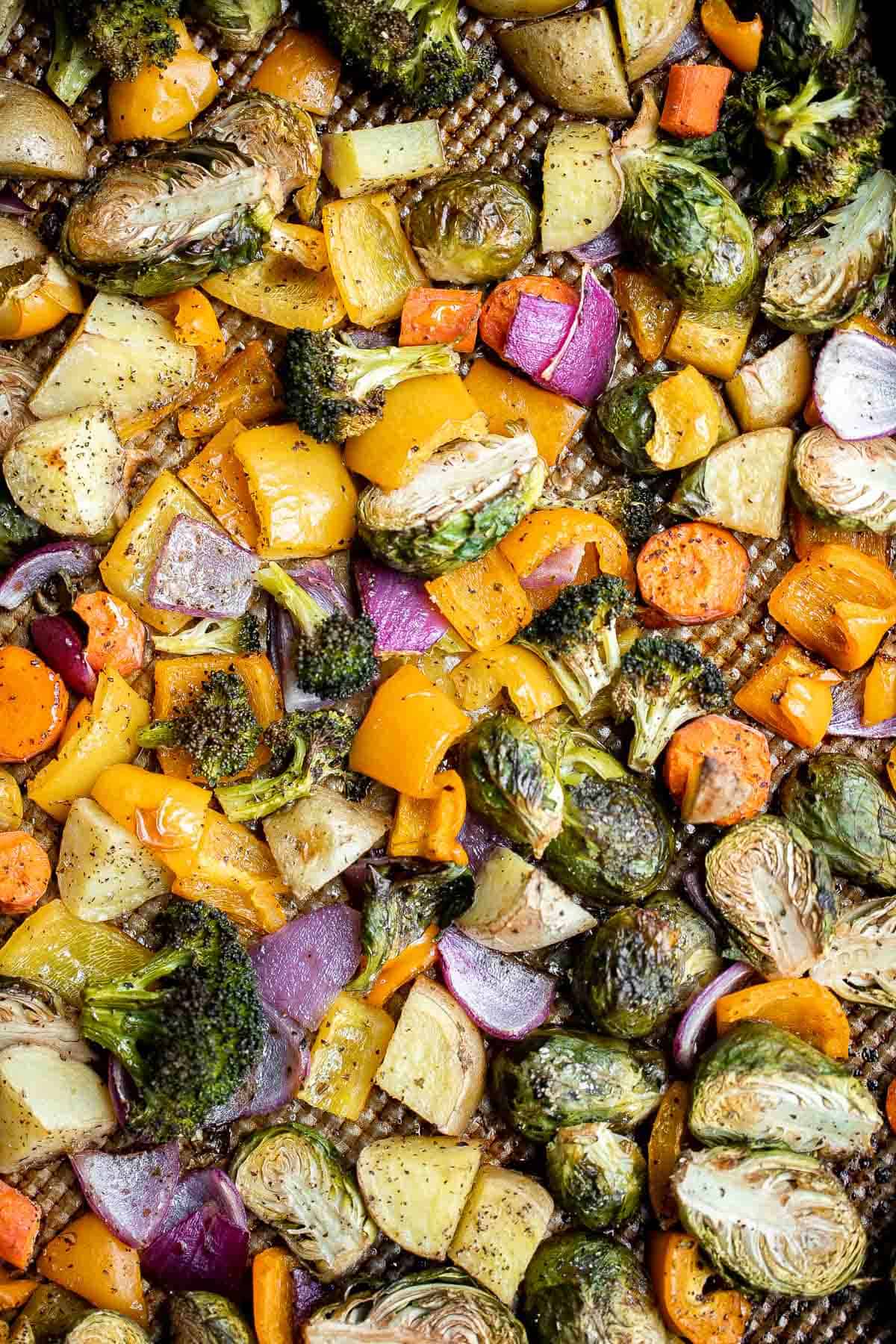
Credit: www.aheadofthyme.com
Preparing Vegetables For Roasting
Roasting vegetables brings out their natural sweetness and flavor. Preparing them correctly helps them cook evenly and taste better.
This guide explains how to clean, peel, and cut vegetables before roasting.
Cleaning And Peeling
Start by washing vegetables under cold water to remove dirt and pesticides. Use a vegetable brush for firm-skinned veggies like carrots and potatoes.
Peeling depends on the vegetable and recipe. Some skins add texture and nutrients, so keep them if you like.
- Wash all vegetables thoroughly before peeling.
- Use a sharp peeler or knife to remove skins carefully.
- Remove any bad spots or blemishes.
- Dry vegetables with a clean towel after washing.
Cutting For Even Cooking
Cut vegetables into pieces of similar size. This helps them cook at the same speed and avoids burning or undercooking.
| Vegetable | Recommended Cut Size |
| Carrots | 1/2 inch thick sticks or rounds |
| Potatoes | 1-inch cubes |
| Broccoli | Florets about 1-2 inches |
| Bell Peppers | 1-inch squares or strips |
Try to cut denser vegetables smaller than soft ones. This balances cooking times for all pieces.
Selecting The Right Oil
Choosing the right oil helps roast vegetables evenly. The oil type affects flavor and cooking temperature.
Using proper oil makes vegetables crisp without burning. It also helps them cook faster and taste better.
Types Of Oils
Not all oils work well for roasting. Some have low smoke points and can burn easily.
| Oil | Smoke Point | Flavor | Best For |
| Olive Oil | 375°F (190°C) | Fruity, rich | Most vegetables |
| Avocado Oil | 520°F (271°C) | Neutral, mild | High heat roasting |
| Canola Oil | 400°F (204°C) | Neutral | General use |
| Coconut Oil | 350°F (177°C) | Slightly sweet | Root vegetables |
| Sunflower Oil | 440°F (227°C) | Light, neutral | High heat roasting |
Oil Application Techniques
How you apply oil affects even roasting. Too little oil causes dryness. Too much makes vegetables soggy.
- Use a large bowl to toss vegetables with oil.
- Coat each piece lightly but evenly.
- Use a brush for even spreading on large vegetables.
- Do not pour oil directly on the baking sheet before adding vegetables.
- Shake or stir vegetables halfway through roasting for even cooking.
:max_bytes(150000):strip_icc()/Why-You-Should-Roast-a-Pan-of-Summer-Veggies-Every-Week-According-to-a-Food-Editor-cb2f8999c6f847c78f86d5e67a41b41b.jpg)
Credit: www.eatingwell.com
Seasoning For Flavor
Roasting vegetables brings out natural sweetness and texture. Seasoning adds extra taste and makes them more enjoyable.
Choosing the right seasoning helps vegetables cook evenly and taste delicious. Let’s explore simple ways to add flavor.
Basic Seasoning Options
Salt and pepper are the most common seasonings for roasted vegetables. Salt enhances natural flavors, and pepper adds a mild heat.
- Use kosher salt or sea salt for better flavor.
- Freshly ground black pepper gives a sharper taste.
- Olive oil helps seasonings stick and improves texture.
- A splash of lemon juice brightens the dish after roasting.
Herbs And Spices
Herbs and spices add variety and depth to roasted vegetables. You can use fresh or dried versions depending on what you have.
| Herb/Spice | Flavor Profile | Best Use |
|---|---|---|
| Rosemary | Woody, pine-like | Potatoes, carrots, squash |
| Thyme | Earthy, slightly minty | Mixed vegetables, mushrooms |
| Paprika | Sweet, smoky | Peppers, potatoes |
| Cumin | Warm, nutty | Cauliflower, sweet potatoes |
| Garlic powder | Strong, savory | Almost any vegetable |
Setting The Perfect Oven Temperature
Roasting vegetables evenly needs the right oven temperature. Too high or too low heat can cause uneven cooking.
Setting the perfect temperature helps vegetables cook through while getting a nice, caramelized surface.
Ideal Temperature Range
Most vegetables roast best between 375°F and 425°F (190°C to 220°C). This range balances cooking speed and browning.
Lower temperatures make vegetables cook slowly and may leave them soggy. Higher temperatures can burn the outside before the inside is done.
Adjusting For Different Vegetables
- Root vegetables like carrots and potatoes need higher heat (around 425°F) to get crispy edges.
- Soft vegetables like zucchini and bell peppers do well at 375°F to avoid overcooking.
- Hard vegetables take longer and benefit from a slightly higher temperature.
- Leafy vegetables should roast quickly at high heat to keep crispness.
Using Your Oven Correctly
Ovens can have hot spots that affect cooking. Use an oven thermometer to check the real temperature.
| Oven Setting | Expected Temperature | Use Case |
|---|---|---|
| 375°F (190°C) | Medium heat | Soft and delicate vegetables |
| 400°F (205°C) | Medium-high heat | Most mixed vegetables |
| 425°F (220°C) | High heat | Root vegetables and crispy edges |
Arranging Vegetables On The Baking Sheet
Roasting vegetables evenly depends a lot on how you place them on the baking sheet.
Good arrangement helps heat reach all sides and cooks vegetables properly.
Avoiding Overcrowding
Do not pack vegetables too close. Overcrowding traps steam and makes them soggy.
- Leave space between pieces for hot air circulation
- Use two baking sheets if needed to spread vegetables out
- Place larger pieces on the outside edges
- Turn vegetables halfway through roasting for even color
Using Parchment Paper
Parchment paper prevents sticking and makes cleanup easier.
| Benefit | Explanation |
|---|---|
| Non-stick surface | Vegetables slide off easily without burning |
| Easy cleanup | No need to scrub the baking sheet |
| Even cooking | Heat distributes better with paper lining |
Monitoring Roasting Time
Roasting vegetables takes careful timing to cook them evenly. Keeping an eye on the clock helps avoid overcooking or burning.
Different vegetables need different times to roast well. Watching the time closely ensures the best taste and texture.
Checking For Doneness
Check vegetables often while roasting to see if they are done. Look for a golden color and tender texture.
Use a fork or knife to test if the vegetables are soft inside. They should be easy to pierce but not mushy.
- Golden brown edges show caramelization
- Soft inside means vegetables are cooked
- Firm but not hard texture is ideal
Adjusting For Different Vegetables
Vegetables like carrots and potatoes take longer to roast than softer ones. Cut harder vegetables smaller to cook evenly.
Leafy vegetables and zucchini roast quickly. Add them later or remove earlier to avoid burning.
| Vegetable | Roasting Time (minutes) | Tips |
| Carrots | 25-30 | Cut into small pieces |
| Potatoes | 30-35 | Use uniform size |
| Zucchini | 10-15 | Add later in roasting |
| Broccoli | 15-20 | Check often to avoid burning |
Enhancing Texture And Color
Roasting vegetables brings out their natural flavors. It also adds crisp texture and rich color.
Even roasting helps vegetables cook well and look more appetizing. This guide shows how to improve these qualities.
Techniques For Crispiness
Dry vegetables well before roasting. Water makes them steam and lose crispiness.
Use enough oil to coat the vegetables lightly. This helps them brown and get crunchy.
- Cut vegetables evenly for uniform cooking
- Space pieces apart on the baking sheet
- Roast at high heat (400°F or 200°C) for crisp edges
- Turn vegetables halfway through roasting
Browning And Caramelization
Browning adds flavor and color to roasted vegetables. It comes from natural sugars and proteins reacting to heat.
Caramelization makes vegetables sweeter and golden. It happens when sugars break down under high heat.
- Use a hot oven to encourage browning
- Do not overcrowd the pan to allow air flow
- Toss vegetables with a little sugar or honey for extra caramelization
- Choose vegetables that brown well, like carrots and Brussels sprouts
Serving Suggestions
Roasting vegetables brings out their natural sweetness and flavor. Serving them well makes your meal more enjoyable.
Try different ways to pair and garnish roasted vegetables for a tasty presentation.
Pairing With Main Dishes
Roasted vegetables go well with many main dishes. They add color, texture, and nutrition to your plate.
Try pairing them with proteins like chicken, beef, fish, or plant-based options.
- Roasted carrots and potatoes with grilled chicken
- Brussels sprouts and sweet potatoes alongside baked salmon
- Zucchini and bell peppers with roasted pork
- Cauliflower and broccoli paired with lentil stew
Garnishing Ideas
Adding garnishes can make roasted vegetables look and taste better. Simple touches add freshness and crunch.
Use herbs, nuts, and sauces to enhance the flavor and presentation.
- Sprinkle fresh parsley, cilantro, or basil
- Add a squeeze of lemon or lime juice
- Top with toasted pine nuts or chopped almonds
- Drizzle with balsamic glaze or tahini sauce
- Use crumbled feta or parmesan cheese

Credit: www.apurepalate.com
Frequently Asked Questions
How Do I Cut Vegetables For Even Roasting?
Cut vegetables into uniform sizes, about 1 to 2 inches. This ensures they cook evenly and prevent some pieces from burning while others remain raw.
What Oven Temperature Is Best For Roasting Vegetables?
Roast vegetables at 400°F to 425°F (200°C to 220°C). This temperature creates a crispy exterior and tender interior without burning.
Should I Toss Vegetables During Roasting?
Yes, tossing vegetables halfway through roasting promotes even browning. It helps cook all sides uniformly and prevents sticking or burning.
Is Oil Necessary For Roasting Vegetables Evenly?
Yes, coating vegetables lightly with oil helps them brown and cook evenly. Use olive oil or avocado oil for best results.
Conclusion
Roasting vegetables evenly makes them taste better and cook well. Cut vegetables into similar sizes for even cooking. Spread them in a single layer on the tray. Toss or turn vegetables halfway through roasting. Use the right temperature to avoid burning or undercooking.
Simple steps lead to delicious, perfectly roasted vegetables every time. Enjoy healthy meals with ease and confidence. Keep practicing, and you will improve quickly.