
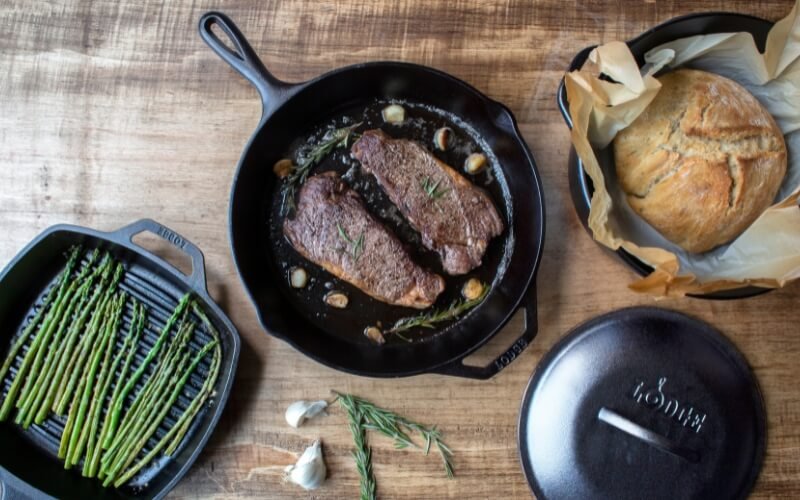
When it comes to cooking the perfect steak, the frying pan you choose can make all the difference. You want a pan that heats evenly, sears your steak just right, and helps lock in those delicious juices.
But with so many options out there, how do you know which one is best for your kitchen? This guide will help you pick the ideal frying pan to turn your steak into a mouthwatering masterpiece every time. Keep reading—you’re about to discover the secret to steak success that many home cooks overlook.
Types Of Frying Pans
Choosing the right frying pan is key to cooking a perfect steak. Different pans affect heat and flavor in many ways.
Knowing the types of pans helps you pick one that suits your cooking style and steak preferences.
Cast Iron Pans
Cast iron pans hold heat very well. They give steaks a nice, even sear and a crispy crust.
These pans need seasoning to keep food from sticking and to prevent rust.
- Heavy and durable
- Great heat retention
- Requires regular seasoning
- Can be used on stove and oven
Stainless Steel Pans
Stainless steel pans heat quickly and distribute heat evenly. They create a good sear on steak.
These pans do not react with food, so they keep the steak’s true flavor.
- Lightweight and easy to handle
- Non-reactive surface
- Requires oil to prevent sticking
- Easy to clean
Non-stick Pans
Non-stick pans need less oil and help prevent food from sticking. They are easy to clean.
They do not get as hot as cast iron or stainless steel, so the steak may not have a strong crust.
- Easy food release
- Less oil needed
- Not ideal for high heat
- Coating can wear over time
Carbon Steel Pans
Carbon steel pans heat up fast and hold heat well. They work like cast iron but are lighter.
These pans also need seasoning and can develop a natural non-stick surface over time.
- Good heat conduction
- Lighter than cast iron
- Needs seasoning
- Great for searing steaks

Credit: argentineasado.com
Key Features To Consider
Choosing the right frying pan for steak helps you cook better meals. The pan affects how the steak cooks and tastes.
Look at different features before buying. These will guide you to pick the best pan for your kitchen.
Heat Retention And Distribution
A good frying pan keeps heat evenly across its surface. This stops hot or cold spots that can burn or undercook your steak.
Materials like cast iron and stainless steel are great for heat control. They hold heat well and spread it evenly.
Pan Size And Weight
Pick a pan size that fits your stove and the steak size. A too small pan crowds the steak, and a too large one wastes heat.
- Small pans (8-10 inches) are good for one or two steaks
- Medium pans (11-12 inches) suit families or larger cuts
- Heavy pans hold heat better but can be hard to lift
- Lighter pans are easier to handle but may lose heat quickly
Handle Design And Comfort
The handle should stay cool and feel sturdy in your hand. This helps you move the pan safely while cooking.
| Handle Material | Comfort | Heat Resistance |
| Stainless Steel | Good grip | Can get hot |
| Silicone Coated | Soft and comfortable | Stays cool |
| Wood | Natural feel | Stays cool but needs care |
Maintenance And Care
How you clean and care for your pan affects its life. Some pans need special treatment.
- Cast iron pans need seasoning to stay non-stick.
- Non-stick pans require gentle cleaning to avoid damage.
- Stainless steel pans are usually dishwasher safe.
- Dry pans well to prevent rust, especially cast iron.
Best Pans For Searing
Choosing the right frying pan is key to cooking a perfect steak. A good pan helps seal in juices and create a crisp crust.
Not all pans are equal for searing. Material, heat retention, and size affect the cooking process and final taste.
Recommended Brands
Several brands make pans that work well for searing steak. These brands focus on quality and durability.
- Lodge – Known for cast iron pans that hold heat well.
- All-Clad – Offers stainless steel pans with excellent heat distribution.
- Le Creuset – Famous for enameled cast iron pans that are easy to clean.
- Calphalon – Provides nonstick pans that reduce sticking during searing.
Price Range And Value
Pans come in different prices depending on material and brand. Finding the best value depends on your budget and needs.
| Price Range | Material | Best For |
| Under $50 | Cast Iron | Durable and great heat retention |
| $50 – $150 | Stainless Steel | Even heating and easy maintenance |
| $150 and above | Enameled Cast Iron | Non-reactive and stylish design |
How To Season And Maintain Your Pan
Choosing the right frying pan for steak is important. A good pan needs proper care to last long.
Seasoning and maintenance keep your pan non-stick and rust-free. This makes cooking easier.
Seasoning Techniques
Seasoning creates a natural non-stick surface on your pan. It protects the metal from rust.
Use oil with a high smoke point like flaxseed or vegetable oil for best results.
- Clean the pan with warm water and dry it well.
- Apply a thin layer of oil all over the pan’s surface.
- Heat the pan in an oven at 350°F (175°C) for one hour.
- Let the pan cool inside the oven before removing it.
- Repeat the process 2-3 times for a strong seasoning layer.
Cleaning And Storing Tips
Clean your pan gently to keep the seasoning intact. Avoid harsh soaps and scrubbing pads.
Store the pan in a dry place to prevent rust. Use a paper towel inside to absorb moisture.
- After cooking, wipe the pan with a paper towel.
- Wash with warm water and a soft sponge if needed.
- Dry immediately with a cloth or on low heat.
- Lightly oil the pan before storing.
- Keep the pan in a cool, dry spot.
Common Mistakes To Avoid
Choosing the right frying pan is key to cooking a perfect steak. Many people make simple mistakes that can ruin the taste and texture.
Knowing what to avoid helps you pick the best pan and cook your steak just right.
Overcrowding The Pan
Putting too many steaks in the pan lowers the temperature quickly. This makes the meat steam instead of sear.
Steaks need space so heat can reach all sides evenly. Overcrowding causes uneven cooking and less flavor.
- Cook steaks in batches if needed
- Leave enough space between pieces
- Use a larger pan for more steaks
Incorrect Heat Levels
Using too low heat stops the steak from getting a good crust. Too high heat can burn the outside and leave inside raw.
Find a pan that heats evenly and use medium-high heat for best results.
- Preheat the pan before adding steak
- Adjust heat to keep a steady sizzle
- Use a pan that holds heat well, like cast iron

Credit: argentineasado.com

Credit: www.washingtonpost.com
Frequently Asked Questions
What Is The Best Material For A Steak Frying Pan?
Cast iron is the best material for steak frying pans. It retains heat evenly and provides excellent searing. Stainless steel is also good but heats faster and is easier to maintain. Avoid non-stick pans for perfect steak crusts.
How Does Pan Size Affect Steak Cooking?
A larger pan allows better heat distribution and space for thicker steaks. It prevents overcrowding, which causes steaming instead of searing. Choose a pan that fits your stove and steak size for optimal results.
Should I Use A Non-stick Or Stainless Steel Pan?
Stainless steel pans are preferred for steak due to high heat tolerance. Non-stick pans can’t handle high temperatures and don’t develop a good sear. Stainless steel pans also create flavorful fond for sauces.
How Important Is Pan Thickness For Cooking Steak?
Thicker pans hold heat better and distribute it evenly. This ensures consistent cooking and prevents hot spots. Thin pans heat quickly but may cause uneven cooking and burnt spots. Choose pans with a thick base for steaks.
Conclusion
Choosing the right frying pan affects your steak’s taste and texture. A good pan heats evenly and holds heat well. Cast iron and stainless steel pans work best. Avoid pans that stick or heat unevenly. The right pan helps you cook steak just right.
Enjoy juicy, flavorful steak every time you cook. Simple tools make a big difference in the kitchen. Take time to pick the pan that suits your needs. Cooking steak becomes easier and more fun. Your perfect frying pan is worth the effort.