
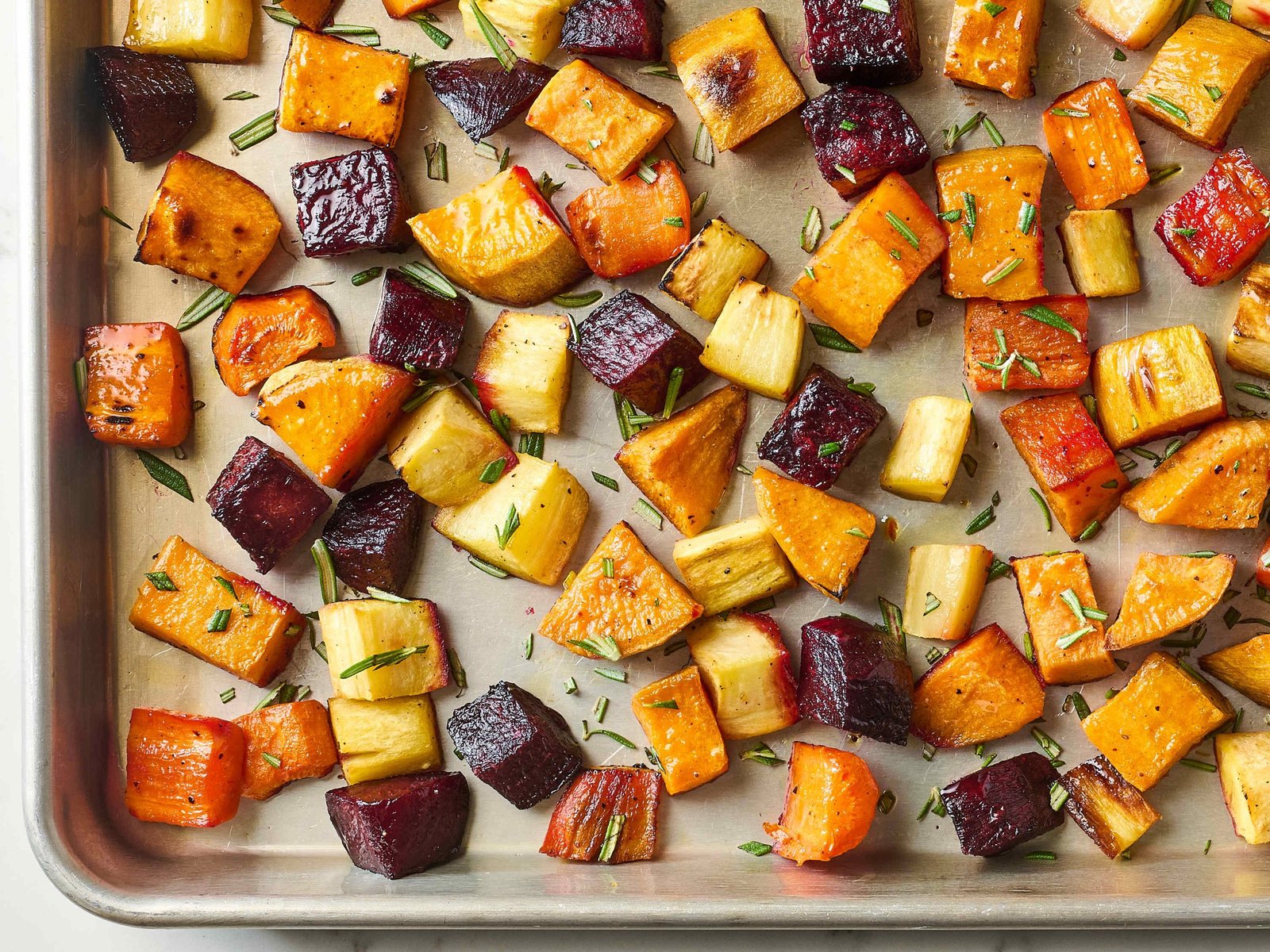
Do you want to enjoy fresh, tasty vegetables without spending too much time in the kitchen? Cooking vegetables quickly doesn’t mean sacrificing flavor or nutrition.
In fact, with the right tips, you can have vibrant, perfectly cooked veggies ready in minutes. Keep reading to discover simple tricks that will save you time and make your meals healthier and more delicious. Your busy schedule and your taste buds will thank you!
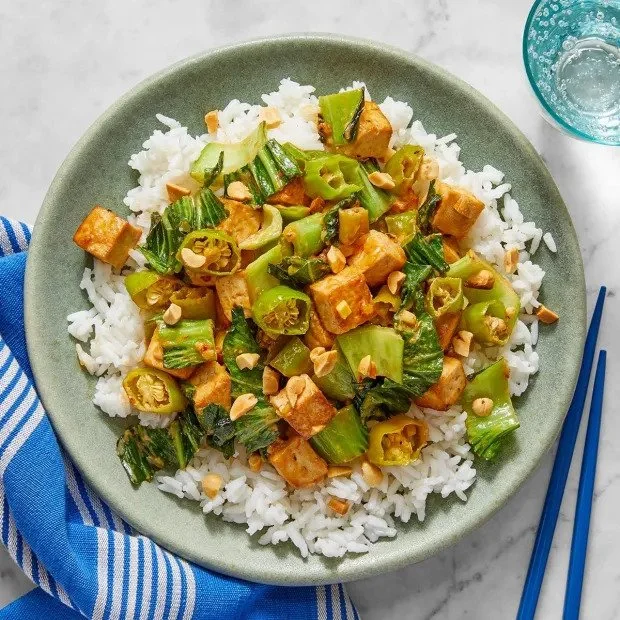
Credit: blog.blueapron.com
Preparing Vegetables Efficiently
Cooking vegetables fast saves time and keeps nutrients. Planning and prepping are key to quick cooking.
Organize your kitchen and choose the right vegetables to cut down cooking time. Good habits help in daily meal prep.
Choosing The Right Vegetables
Pick vegetables that cook quickly or cut easily. Soft vegetables take less time than hard ones.
- Leafy greens like spinach or kale
- Thin carrots and zucchini
- Bell peppers and mushrooms
- Broccoli and cauliflower florets
- Snap peas and green beans
Pre-cutting And Storing Techniques
Cut vegetables before cooking to speed up meal prep. Store them well to keep freshness and reduce waste.
| Vegetable | Cutting Tips | Storage Advice |
| Carrots | Slice thin or julienne | Keep in water in fridge |
| Bell Peppers | Cut into strips or cubes | Store in airtight container |
| Broccoli | Separate into small florets | Wrap in damp paper towel |
| Spinach | Rough chop or leave whole | Keep dry in sealed bag |
| Zucchini | Slice or dice | Use within 2 days |
Using Proper Tools
Cooking vegetables quickly needs the right tools. Good tools save time and effort in the kitchen.
Using proper tools helps cut, chop, and prepare vegetables faster. It also keeps your work safe and neat.
Investing In Sharp Knives
Sharp knives make slicing vegetables fast and easy. Dull knives slow you down and can be unsafe.
Keep your knives sharp by honing them regularly. Use a knife sharpener or take them to a pro.
- Sharp knives cut cleanly without crushing vegetables
- They reduce cutting time and effort
- Sharp knives lower the chance of accidents
- Invest in good quality knives for durability
Utilizing A Food Processor
A food processor can chop, slice, or shred vegetables quickly. It saves you from doing these tasks by hand.
Use the right blade for each job. This tool helps prepare large amounts of vegetables in minutes.
- Chop onions, carrots, and peppers fast
- Slice vegetables evenly for quick cooking
- Shred cabbage or cheese for salads and toppings
- Clean the food processor parts right after use
Quick Cooking Methods
Cooking vegetables quickly saves time and keeps them fresh. Quick methods also keep nutrients and color.
Use simple techniques to cook veggies fast without losing taste. These ways work well for busy meals.
Blanching For Speed
Blanching means boiling vegetables briefly, then cooling them fast. This cooks veggies quickly but keeps crunch.
This method is good for green beans, broccoli, and carrots. It also helps keep color bright and fresh.
- Boil water in a pot
- Add vegetables for 1-3 minutes
- Drain and place veggies in ice water
- Drain again and serve or cook more
Microwaving For Convenience
Microwaving cooks vegetables quickly with little water. It is easy and uses less energy than stove methods.
Place chopped vegetables in a microwave-safe bowl. Cover with a lid or plastic wrap with holes.
- Use 2-4 tablespoons of water
- Cook on high for 2-5 minutes
- Check and stir halfway through
- Stop when vegetables are tender crisp
Stir-frying For Fast Meals
Stir-frying uses high heat and constant stirring to cook vegetables fast. It keeps them crisp and tasty.
Use a wok or large pan. Heat oil first, then add vegetables in small batches for even cooking.
- Heat pan with 1-2 tablespoons oil
- Add quick-cooking vegetables like peppers or snap peas
- Stir constantly for 3-5 minutes
- Season as desired and serve hot
Maximizing Flavor In Minimal Time
Cooking vegetables quickly does not mean sacrificing taste. You can keep meals tasty and fast.
Using smart methods brings out the best flavors in your dishes. Simple additions can make a big difference.
Using Fresh Herbs And Spices
Fresh herbs and spices add bright, rich flavors to vegetables. Add them near the end of cooking for the best taste.
- Chop fresh parsley or cilantro and sprinkle on cooked vegetables.
- Use crushed garlic or ginger to boost aroma and flavor.
- Add ground cumin or paprika to roasted veggies for warmth.
- Fresh basil or thyme pairs well with steamed greens.
Incorporating Flavorful Oils
Oils carry flavors and help vegetables cook evenly. Choose oils with distinct tastes for quick dishes.
| Oil | Flavor Profile | Best Use |
| Extra Virgin Olive Oil | Fruity, peppery | Drizzling on steamed or roasted vegetables |
| Sesame Oil | Nutty, toasted | Stir-frying quick vegetables |
| Coconut Oil | Slightly sweet, tropical | Sauteing or roasting root vegetables |
| Avocado Oil | Buttery, mild | High-heat cooking or dressings |
Time-saving Meal Prep Strategies
Cooking vegetables quickly helps save time in the kitchen. Using smart prep methods makes meals ready faster.
Batch cooking and making sauces from vegetables can reduce cooking time on busy days. These tips keep veggies tasty and fresh.
Batch Cooking Vegetables
Batch cooking means preparing a large amount of vegetables at once. You can store them for use during the week.
- Choose vegetables that cook quickly, like broccoli, carrots, and bell peppers.
- Steam or roast a big tray of mixed vegetables in the oven.
- Divide cooked vegetables into containers for easy meal additions.
- Use airtight containers to keep vegetables fresh longer in the fridge.
- Reheat vegetables in the microwave or on the stove to save time.
Creating Vegetable-based Sauces
Vegetable sauces add flavor and nutrition without extra cooking time. Prepare sauces ahead and store them well.
| Vegetable | Best Sauce Type | Storage Tips |
|---|---|---|
| Tomatoes | Marinara or salsa | Store in glass jars in the fridge for up to 5 days |
| Bell Peppers | Roasted pepper sauce | Freeze in small portions for up to 3 months |
| Spinach | Green sauce or pesto | Keep in airtight containers, use within 3 days |
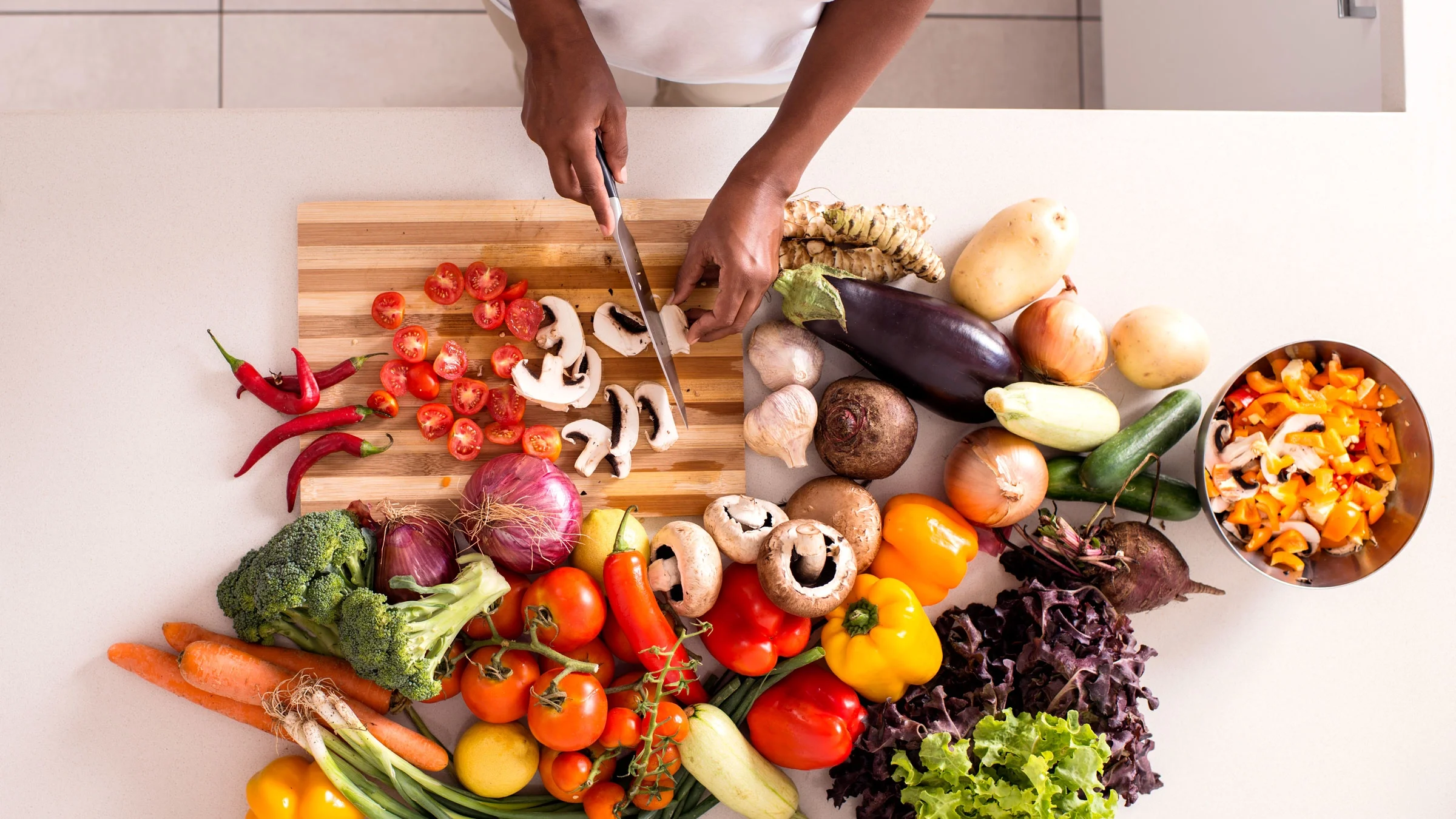
Credit: www.goodrx.com
Balancing Nutrition And Speed
Cooking vegetables quickly helps keep their nutrients intact. Fast cooking also saves time in busy days.
Finding a balance between nutrition and speed is key. This way, meals stay healthy and ready fast.
Maintaining Nutrient Integrity
Use quick cooking methods like steaming or microwaving. These keep vitamins and minerals from washing away.
Cut vegetables into larger pieces. Small cuts lose nutrients faster during cooking.
- Steam vegetables for 3-5 minutes
- Microwave with a little water for 2-4 minutes
- Stir-fry quickly on high heat
- Avoid boiling for long times
Combining Vegetables For Complete Meals
Mix different vegetables to get more nutrients in one meal. Combine colors and textures for taste and health.
Pair quick-cooking veggies with protein or grains. This makes a balanced, fast meal.
- Combine leafy greens with carrots and peppers
- Add beans or tofu for protein
- Serve with quick-cooking rice or couscous
- Use herbs and spices to add flavor without salt

Credit: www.tasteofhome.com
Frequently Asked Questions
How Can I Cook Vegetables Quickly Without Losing Nutrients?
To cook vegetables quickly and keep nutrients, use methods like steaming or microwaving. These techniques preserve vitamins and minerals better than boiling. Avoid overcooking by timing carefully. Use minimal water to reduce nutrient loss and maintain vibrant color and texture.
What Is The Fastest Way To Cook Vegetables For Meals?
Stir-frying is the fastest way to cook vegetables. It uses high heat and little oil, cooking veggies in minutes. This method retains crunch, flavor, and nutrients. Cut vegetables into uniform pieces to ensure even cooking and speed up the process.
Can I Microwave Vegetables For Quick Cooking?
Yes, microwaving vegetables is a fast, nutrient-friendly cooking method. Use a microwave-safe dish with a small amount of water. Cover loosely to trap steam and cook evenly. This method reduces cooking time and keeps vegetables tender yet crisp.
How Does Blanching Speed Up Vegetable Cooking?
Blanching involves boiling vegetables briefly, then cooling them quickly. It softens veggies and preserves color. This method speeds up later cooking processes like stir-frying or sautéing. Blanching also helps maintain texture and nutrients in quick vegetable preparation.
Conclusion
Cooking vegetables quickly saves time and keeps them fresh. Use simple methods like steaming or sautéing with little water. Cut vegetables into small pieces for faster cooking. Keep an eye on texture to avoid overcooking. Fresh, crisp vegetables make meals tastier and healthier.
Try these tips in your next meal and enjoy easy, quick cooking. Quick cooking means more time for what matters most. Simple, fast, and healthy—vegetables done right every time.