
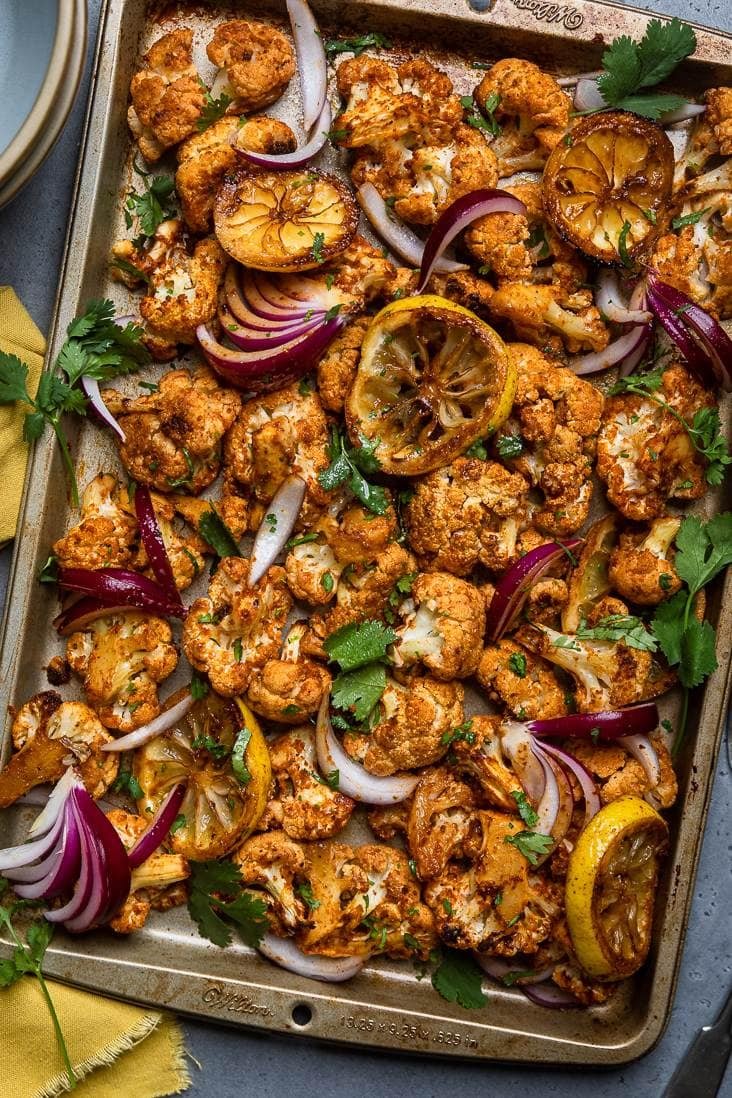
If you’ve ever tried roasting cauliflower but ended up with a soggy, bland mess, this guide is for you. Getting that perfect crispy texture isn’t as tricky as it seems.
You’re just a few simple steps away from turning ordinary cauliflower into a crunchy, flavorful treat that even picky eaters will love. Ready to transform your cooking and impress your taste buds? Keep reading to discover the secrets to roasting cauliflower crispy every single time.
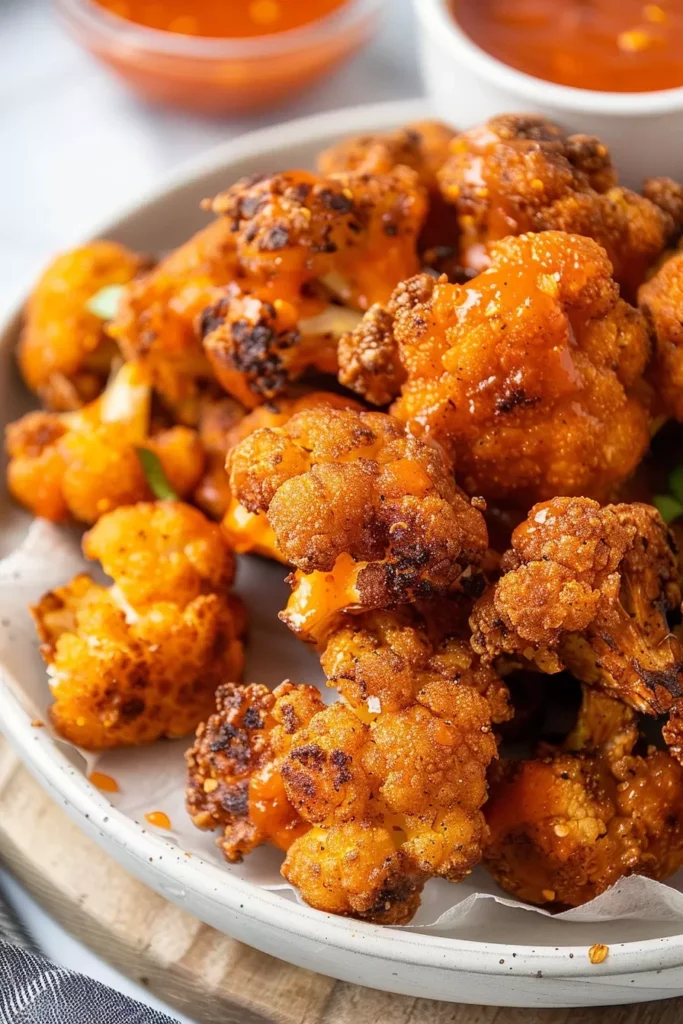
Credit: nodashofgluten.com
Choosing The Right Cauliflower
Picking the right cauliflower helps you make crispy and tasty roasted dishes. Freshness and quality affect the flavor and texture a lot.
Learn how to select cauliflower that roasts well and stays crunchy. Focus on freshness and how it was grown.
Selecting Fresh Produce
Look for cauliflower heads that are firm and tight. Avoid those with brown spots or soft areas.
- Choose white or creamy white heads without discoloration
- The leaves should be green and fresh, not wilted
- Pick cauliflowers that feel heavy for their size
- Smell should be fresh, not sour or strong
Organic Vs. Conventional
Organic cauliflower is grown without synthetic pesticides or fertilizers. Conventional cauliflower may use these chemicals.
| Type | Advantages | Considerations |
| Organic | No synthetic chemicals Better for environment | Usually more expensive May spoil faster |
| Conventional | Often cheaper Longer shelf life | Possible pesticide residues Less eco-friendly |
Preparing Cauliflower For Roasting
Roasting cauliflower brings out its natural sweetness. Preparing it well helps achieve a crispy texture.
This guide covers cleaning, cutting, and drying techniques. These steps make a big difference in your dish.
Cleaning And Cutting
Start by rinsing the cauliflower under cold water. Remove any leaves and the tough stem.
- Use a sharp knife to cut the cauliflower into even-sized florets.
- Try to keep the pieces similar in size for even roasting.
- Trim away any brown spots or damaged parts.
Drying Techniques
Removing moisture is key to crispy cauliflower. Wet florets steam instead of roast.
| Drying Method | Details |
| Paper Towels | Pat florets gently to absorb water. |
| Salad Spinner | Spin florets to remove excess water quickly. |
| Air Dry | Let florets sit on a clean towel for 10 minutes. |
Essential Ingredients For Flavor
Roasting cauliflower to make it crispy depends a lot on the right ingredients. The flavors come from the oil and seasonings you use. These help create a tasty, crunchy outside and a soft inside.
Choosing the proper oil and seasoning is key to get a delicious roasted cauliflower every time. Let’s look at the best options to add great flavor.
Oil Selection
Oil helps cauliflower roast evenly and get crispy edges. Pick oils with a high smoke point for best results. These oils also add a mild flavor that complements the vegetable.
- Olive oil: Adds a light, fruity taste and is easy to find.
- Avocado oil: Has a high smoke point and a neutral flavor.
- Sunflower oil: Works well for roasting with a mild taste.
- Grapeseed oil: A clean flavor and good for high heat cooking.
Seasoning Options
Seasonings bring out the best in roasted cauliflower. A mix of herbs, spices, and salt creates bold flavors. Use what you like, but some combinations work especially well.
| Seasoning | Flavor Profile | Tip |
| Garlic Powder | Warm and savory | Sprinkle before roasting for even taste |
| Smoked Paprika | Smoky and slightly sweet | Add for a rich, deep flavor |
| Cumin | Earthy and nutty | Use sparingly to avoid overpowering |
| Salt and Pepper | Basic but essential | Season to taste for balance |
| Fresh Herbs (Parsley, Thyme) | Bright and fresh | Add after roasting for best aroma |
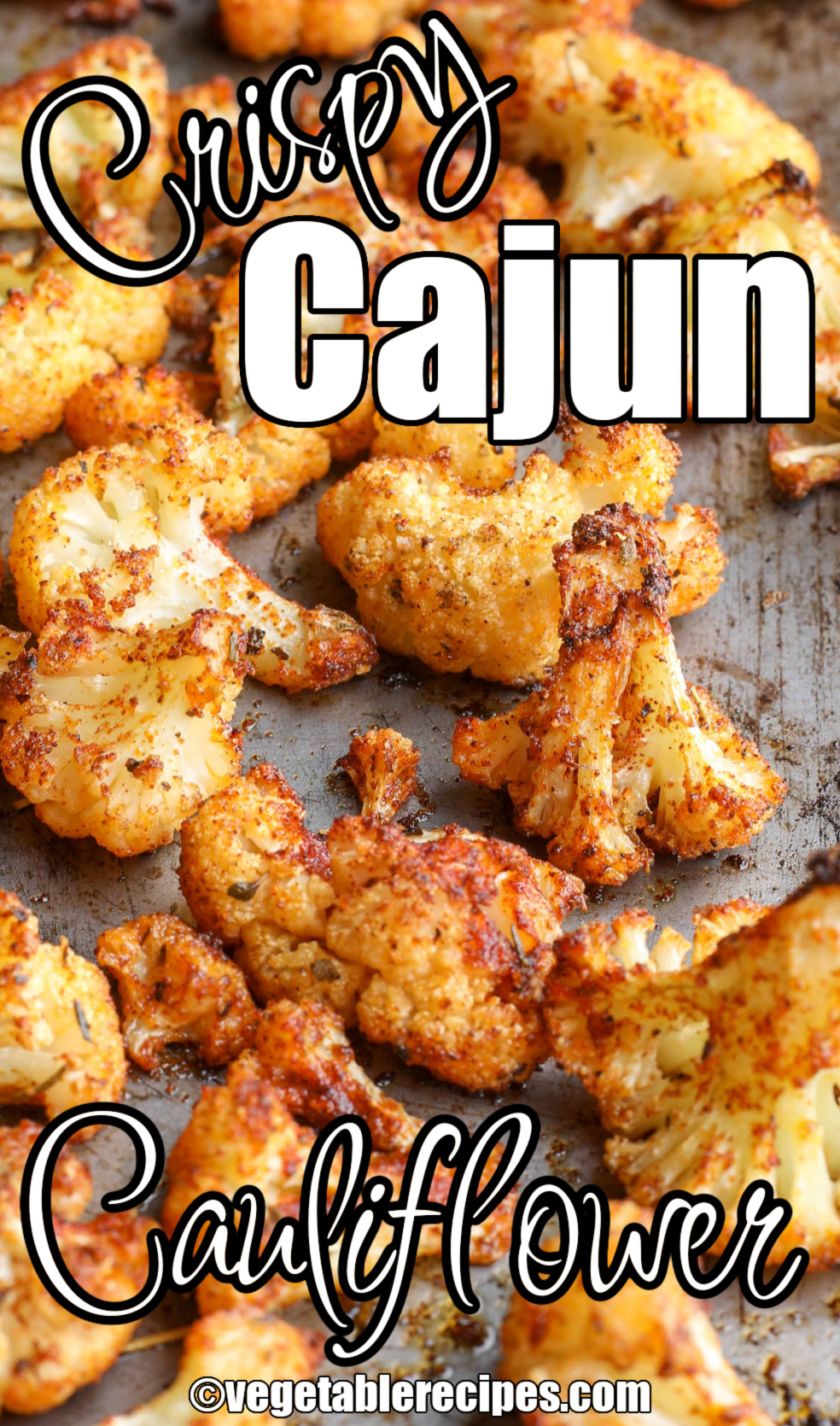
Credit: vegetablerecipes.com
Optimal Roasting Techniques
Roasting cauliflower can make it crispy and full of flavor. Using the right techniques helps get the best texture.
Simple steps like choosing the right temperature and timing make a big difference. Let’s explore how to roast cauliflower perfectly.
Oven Temperature Settings
Set your oven to a high temperature to get crispy edges. Around 425°F (220°C) works well for roasting cauliflower.
This temperature helps the cauliflower cook quickly and brown nicely without getting soggy. Avoid lower temperatures to keep it crisp.
- Preheat oven fully before roasting
- Use 425°F (220°C) for best crispiness
- Avoid temperatures below 400°F to prevent sogginess
Roasting Time And Adjustments
Roast cauliflower for 20 to 25 minutes. Check it halfway through and stir to cook evenly.
Adjust time slightly based on your oven and cauliflower size. Smaller pieces cook faster, so watch closely.
- Roast for 20-25 minutes total
- Stir or flip halfway for even browning
- Smaller florets may need less time
- Use longer time for larger pieces or denser cauliflower
Tips For Achieving Perfect Crunch
Roasting cauliflower until it is crispy can be tricky. You want the outside to be crunchy and the inside soft.
These tips will help you get the perfect crunch every time you roast cauliflower.
Layering And Spacing
Place cauliflower pieces in a single layer on the baking sheet. Crowding the pan traps steam and makes them soft.
Leave space between pieces so hot air can circulate. This helps the florets get crispy on all sides.
- Use a large baking sheet
- Arrange cauliflower in one layer only
- Keep at least 1 inch between pieces
- Do not pile florets on top of each other
Midway Stirring
Stir the cauliflower halfway through roasting. This ensures even browning and crispiness on all sides.
Use a spatula to turn the pieces gently. This prevents burning and helps each floret cook evenly.
- Check the cauliflower halfway through cooking time
- Use a spatula to flip or stir the pieces
- Spread them out again if they have moved closer
- Return to oven to finish roasting
Creative Flavor Variations
Roasting cauliflower can bring out its natural sweetness and crunch. Adding different flavors makes it exciting and tasty. You can try spices or herbs to change the taste.
Below are some creative ideas to make your roasted cauliflower crisp and full of flavor. These mixes add variety without extra work.
Spicy And Savory Mixes
Try bold spices to add heat and depth. These mixes work well if you like a little kick or rich flavors. Use them before roasting to coat the cauliflower evenly.
- Smoked paprika, garlic powder, and cumin for a smoky taste
- Cayenne pepper, chili powder, and black pepper for heat
- Turmeric, curry powder, and coriander for an Indian twist
- Italian seasoning, Parmesan cheese, and crushed red pepper for a cheesy bite
Herbal Infusions
Fresh or dried herbs add a fresh and earthy flavor. They pair well with olive oil and lemon juice. Sprinkle herbs after roasting to keep their aroma bright.
| Herb | Flavor Profile | Pairing Tip |
| Rosemary | Pine-like and woody | Mix with garlic and olive oil |
| Thyme | Earthy and lemony | Add fresh lemon zest after roasting |
| Basil | Sweet and peppery | Toss with balsamic glaze |
| Dill | Fresh and grassy | Combine with yogurt sauce |
Serving Suggestions
Roasted cauliflower tastes best when served with tasty dips. It also looks great on the plate. These simple tips will help you serve it well.
Serving roasted cauliflower with the right dips and plating makes it more enjoyable. Presentation can make a big difference.
Pairing With Dips
Crispy roasted cauliflower pairs well with many dips. Choose dips that add flavor and contrast.
Try creamy, spicy, or tangy dips to balance the roasted taste.
- Garlic aioli adds a smooth, rich flavor
- Spicy sriracha mayo gives a kick
- Ranch dip offers a cool and herby taste
- Tahini sauce brings a nutty, creamy touch
- Hummus complements with a smooth, earthy flavor
Plating For Aesthetic Appeal
How you arrange roasted cauliflower can make it look more inviting. Use color and shape to your advantage.
Place cauliflower pieces neatly on a bright plate. Add fresh herbs or lemon wedges for color.
- Use white or bright plates to show contrast
- Arrange pieces in small piles or circles
- Garnish with chopped parsley or cilantro
- Add lemon wedges for a fresh look
- Serve dips in small bowls on the side

Credit: cookswithoutborders.com
Troubleshooting Common Issues
Roasting cauliflower can be simple, but sometimes problems arise. Two common issues are soggy texture and bland taste. Fixing these problems makes your dish better.
This guide helps you avoid soggy cauliflower and improve seasoning. Follow the tips below for crispy, flavorful results.
Avoiding Soggy Texture
Soggy cauliflower often happens because of too much moisture. Dry the florets well before cooking. Use high heat and space pieces apart on the tray.
- Pat cauliflower dry with paper towels before roasting.
- Preheat oven to at least 425°F (220°C).
- Use a single layer on a baking sheet to avoid crowding.
- Toss florets in a small amount of oil to help crisp them.
- Roast without stirring too often to allow browning.
Correcting Underseasoned Batches
Underseasoned cauliflower tastes flat. Adding salt and spices after roasting can fix this. You can also use a simple seasoning mix to boost flavor.
| Seasoning | How to Use |
| Salt | Sprinkle lightly after roasting for balanced flavor |
| Pepper | Add fresh ground pepper before serving |
| Garlic powder | Mix into oil before roasting or sprinkle after |
| Paprika | Use for a smoky taste; add before roasting |
| Parmesan cheese | Sprinkle after roasting for a savory touch |
Frequently Asked Questions
How Do You Make Cauliflower Crispy When Roasting?
To make cauliflower crispy, toss florets in oil, salt, and spices. Roast at high heat (425°F/220°C) until golden and tender. Avoid overcrowding the pan for even crispiness.
What Oil Is Best For Roasting Cauliflower Crispy?
Use oils with high smoke points like olive, avocado, or grapeseed oil. These oils help achieve a crispy texture without burning during roasting.
How Long Should Cauliflower Roast To Get Crispy?
Roast cauliflower for 25-30 minutes at 425°F (220°C). Flip halfway to ensure even crispiness and a golden-brown color.
Can I Roast Cauliflower Without Oil To Make It Crispy?
Oil helps crispiness but you can roast without it. Use a non-stick pan and high heat. The texture will be less crispy but still tasty.
Conclusion
Roasting cauliflower crispy is simple and rewarding. Use high heat and a little oil for best results. Toss the florets well to coat evenly. Watch closely to avoid burning. Crispy edges and tender inside make it delicious. Add your favorite spices for extra flavor.
This method works every time, even for beginners. Enjoy a healthy, tasty side dish that everyone will love. Give it a try and taste the difference. Perfect for meals or snacks, roasted cauliflower is a great choice.