
Are you ready to make your cooking easier and more delicious? Casserole dishes are your secret weapon in the kitchen.
Whether you’re a beginner or a seasoned cook, knowing how to use them right can save you time and bring amazing flavors to your meals. You’ll discover simple tips that will help you get the most out of your casserole dishes.
Keep reading, and you’ll be turning out mouthwatering dishes that your family and friends will love.
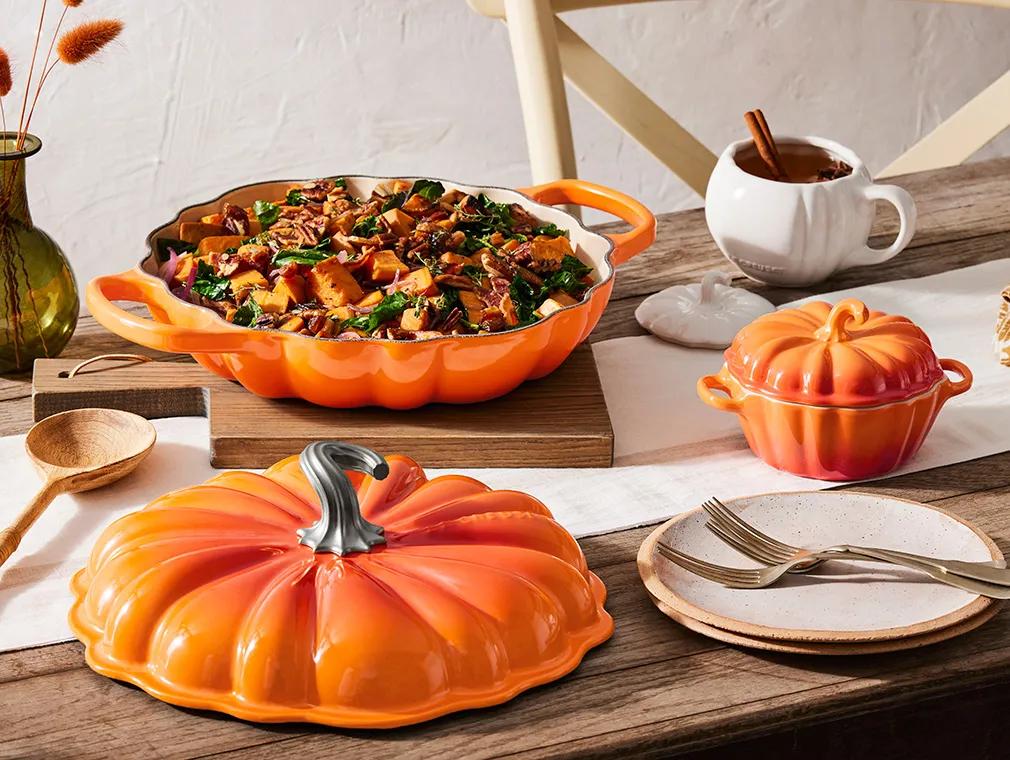
Credit: www.lecreuset.com.au
Choosing The Right Casserole Dish
Picking the right casserole dish helps your food cook evenly and taste better. Consider the material, size, and shape to suit your recipe needs.
Choosing well also makes cleaning easier and keeps your dish safe for use in ovens or microwaves.
Materials And Their Benefits
Casserole dishes come in many materials. Each type has its own benefits for cooking and care.
- Ceramic:Holds heat well and looks nice for serving.
- Glass:Allows you to see the food as it cooks.
- Cast Iron:Keeps heat steady and is very durable.
- Metal:Heats quickly and is good for browning.
- Stoneware:Offers even heat and resists scratching.
Size And Shape Considerations
Think about how much food you want to cook and the space in your oven. The shape of the dish also changes cooking time.
| Shape | Best For | Cooking Notes |
|---|---|---|
| Rectangular | Lasagna, layered dishes | Cooks evenly; good for larger meals |
| Oval | Roasts and casseroles | Fits meats well; heat spreads evenly |
| Round | Soufflés, gratins | Good for even browning on edges |
| Square | Brownies, bar cookies | Offers more surface area for crust |
Prepping Ingredients For Casseroles
Preparing ingredients well makes a casserole taste better. Good prep saves cooking time and helps layers cook evenly.
Cutting and arranging ingredients the right way helps build flavor and texture. Careful prep makes your casserole delicious.
Chopping And Slicing Techniques
Cut vegetables and meats into similar sizes. This helps them cook evenly in the casserole dish.
Use sharp knives to make clean cuts. This keeps ingredients fresh and easy to layer.
- Slice vegetables thin for quick cooking
- Chop herbs finely to spread flavor
- Dice meats into bite-sized pieces
- Keep sizes consistent for even baking
Layering For Optimal Flavor
Layer ingredients to balance taste and texture. Start with dense items at the bottom for steady cooking.
Place softer or delicate ingredients on top. This prevents them from overcooking or getting mushy.
- Begin with a sauce or liquid base
- Add vegetables and meats in even layers
- Top with cheese or crunchy toppings
- Press layers lightly to fit the dish
Cooking Techniques For Casseroles
Casseroles are a great way to cook a full meal in one dish. Using the right techniques helps your dish cook evenly and taste better.
Learning about baking temperature, timing, and how to cover your casserole can improve your cooking results.
Baking Temperature And Timing
Set your oven to the right temperature to avoid undercooking or burning. Most casseroles bake well between 350°F and 375°F.
- Preheat the oven fully before placing the casserole inside.
- Check the recipe for the recommended baking time.
- Use a timer to avoid overcooking the dish.
- Test doneness by inserting a knife or toothpick in the center.
Covering And Uncovering Tips
Covering your casserole helps keep moisture inside while baking. Uncovering it near the end allows the top to brown and crisp.
| Covering Method | Effect on Dish |
| Covered with foil | Keeps moisture, prevents drying out |
| Uncovered | Allows browning and a crispy top |
| Partially covered | Balances moisture retention and browning |
Enhancing Flavor In Casserole Dishes
Casserole dishes are a great way to combine different ingredients into one meal. Enhancing their flavor makes them more enjoyable and satisfying.
Simple techniques and smart choices can bring out the best taste in every casserole you make.
Spices And Seasonings
Spices and seasonings add depth and character to casseroles. Using the right mix can make your dish stand out.
- Use garlic powder, onion powder, or paprika for a mild kick.
- Add dried herbs like thyme, rosemary, or oregano for earthiness.
- Try a pinch of cayenne or black pepper for heat.
- Salt helps enhance all flavors but use it carefully.
- Fresh herbs like parsley or chives add brightness when sprinkled on top.
Using Broths And Sauces
Broths and sauces keep casseroles moist and add rich flavors. Choosing the right base changes the entire dish.
| Type | Flavor Profile | Best Use |
| Chicken Broth | Light and savory | Chicken or vegetable casseroles |
| Beef Broth | Rich and hearty | Meat-based casseroles |
| Tomato Sauce | Sweet and tangy | Italian or Mediterranean-style dishes |
| Cheese Sauce | Creamy and sharp | Vegetable or pasta casseroles |
Maintaining Casserole Dishes
Caring for casserole dishes keeps them safe and ready to use. Proper maintenance helps dishes last longer.
Clean and store your casserole dishes carefully to avoid damage and stains.
Cleaning And Care Instructions
Wash casserole dishes soon after cooking. Use warm water and mild soap to avoid scratches.
- Use a soft sponge instead of steel wool
- Remove stuck-on food by soaking in warm water
- Avoid harsh chemicals that can damage the surface
- Dry dishes completely before storing to prevent moisture buildup
Storage Solutions
Store casserole dishes where they are easy to find and safe from knocks. Stack carefully to avoid cracks.
| Storage Tip | Reason |
| Place soft cloth between stacked dishes | Prevents scratches and chips |
| Keep dishes in a dry cabinet | Stops moisture damage |
| Store lids separately if they do not fit well | Avoids pressure on edges |
| Use shelf liners for extra cushioning | Protects from hard surfaces |

Credit: www.delish.com
Creative Casserole Ideas
Casseroles are easy to make and perfect for feeding a group. You can mix many ingredients to create tasty meals.
Try new ideas to keep casseroles exciting. Use different flavors and ingredients to surprise your family.
Vegetarian And Vegan Options
Vegetarian and vegan casseroles can be rich and filling. Use beans, lentils, or tofu as protein sources.
Add plenty of vegetables like spinach, mushrooms, and bell peppers. Use plant-based cheese or sauces for creaminess.
- Chickpea and spinach curry bake
- Sweet potato and black bean casserole
- Tofu and vegetable stir-fry bake
- Vegan mac and cheese with cashew sauce
Global Inspirations
Try casseroles inspired by foods from around the world. Each culture has unique flavors to explore.
Use spices, herbs, and ingredients from different countries. This adds variety and new tastes to your meals.
- Mexican enchilada casserole with corn and beans
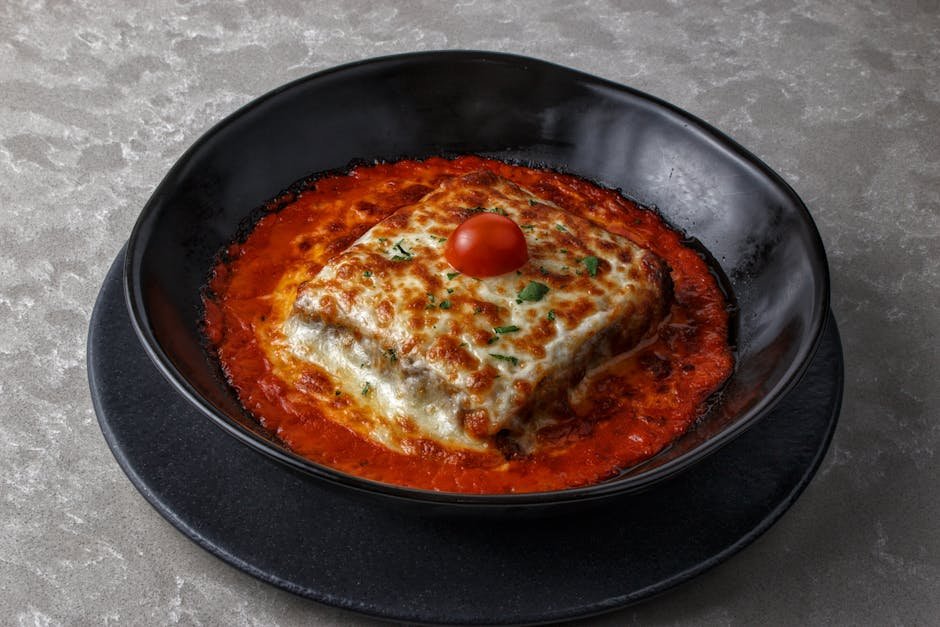
- Italian lasagna with layers of pasta and cheese
- Indian vegetable biryani bake with spices and rice
- Greek moussaka with eggplant and tomato sauce
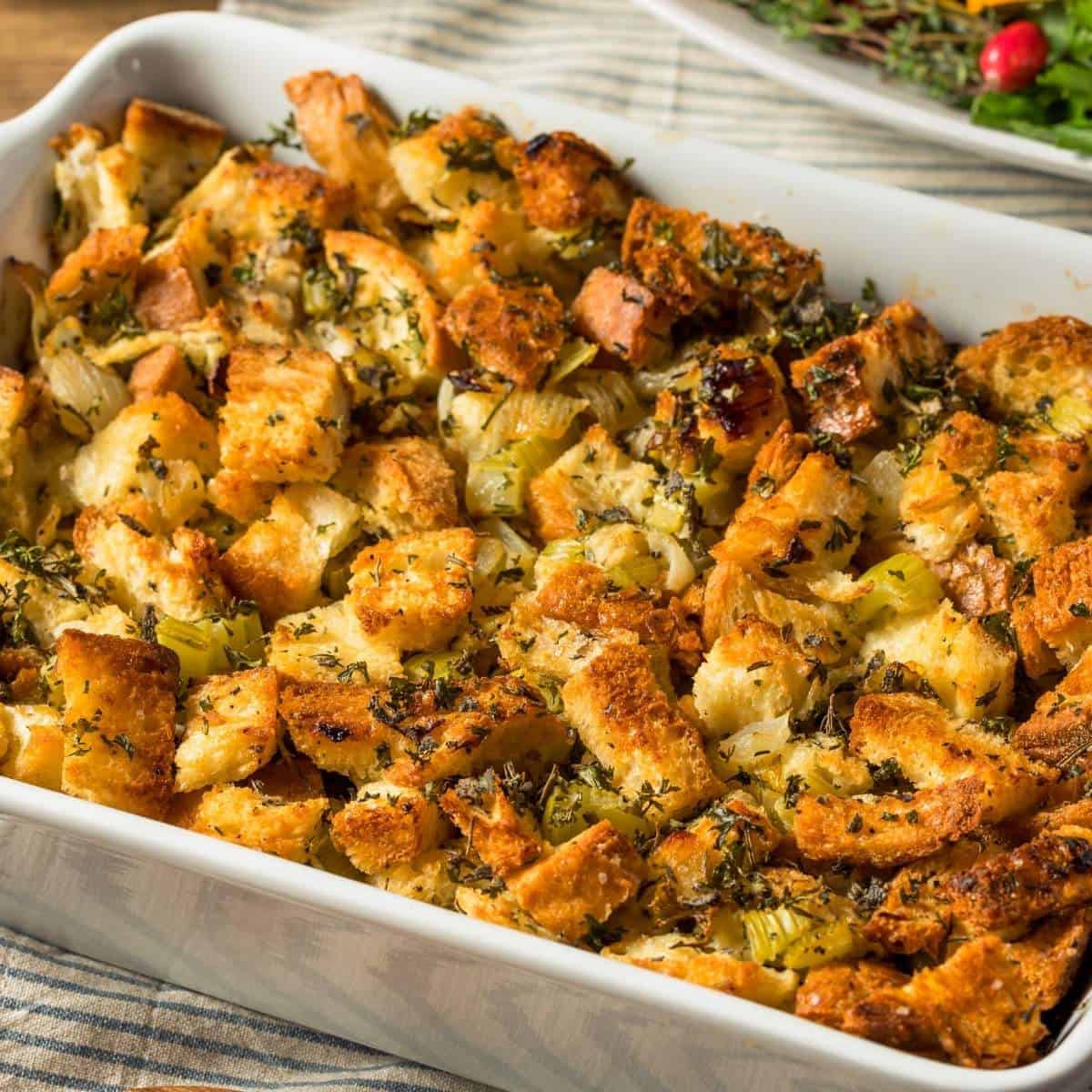
Credit: theyummybowl.com
Frequently Asked Questions
What Materials Are Best For Casserole Dishes?
Glass and ceramic are top choices for casserole dishes. They distribute heat evenly and retain warmth well. These materials are also safe for oven use and easy to clean. Avoid metal dishes if you want even cooking and easy monitoring of your dish.
How To Prevent Casserole Dishes From Sticking?
Grease your casserole dish with butter or oil before adding ingredients. You can also use non-stick spray. Adding a layer of breadcrumbs or parchment paper helps too. This prevents food from sticking and makes cleaning easier after baking.
Can Casserole Dishes Go From Freezer To Oven?
Yes, many casserole dishes are freezer-to-oven safe. Check manufacturer instructions to confirm temperature limits. Avoid sudden temperature changes to prevent cracking. Let frozen dishes thaw slightly before baking for best results.
How To Clean Casserole Dishes Effectively?
Soak the dish in warm, soapy water immediately after use. Use a non-abrasive sponge to scrub off food residue. For stubborn stains, baking soda paste works well. Avoid harsh chemicals that can damage the dish’s surface.
Conclusion
Casserole dishes make cooking and serving easy and fun. Choose the right size and material for your recipe. Always grease the dish to prevent sticking. Cover with foil to keep moisture and heat. Let the casserole rest before serving for best taste.
Clean your dish carefully to keep it lasting long. Use these simple tips to enjoy every meal you bake. Cooking with casseroles can save time and effort. Try different recipes and enjoy tasty, homemade food.