

Are you tired of dry, tough chicken thighs that ruin your meal? You’re not alone.
Cooking chicken thighs so they turn out tender and juicy can be tricky, but once you know the secrets, it’s easier than you think. Imagine biting into perfectly cooked chicken that melts in your mouth every time. You’ll discover simple, effective tips that will change the way you cook chicken thighs forever.
Keep reading, and get ready to impress yourself and everyone at your table with tender, flavorful chicken!
Credit: www.primaverakitchen.com
Choosing Quality Chicken Thighs
Choosing good chicken thighs is key to making them tender. Fresh, high-quality meat cooks better and tastes great.
Look for thighs that have the right color and texture. These signs show the meat is fresh and healthy.
Check The Color
Good chicken thighs have a pinkish color. Avoid meat that looks gray or has dark spots.
The skin should be pale and not yellow or slimy. This means the chicken is fresh.
Feel The Texture
Press the chicken thigh gently with your finger. It should feel firm but spring back.
Soft or sticky meat is a sign of poor quality. Choose thighs that feel fresh and solid.
Look For Fat Content
Chicken thighs with some fat stay juicy and tender when cooked. Avoid pieces with too much fat.
- Moderate fat helps keep meat moist
- Too much fat can make thighs greasy
- Too little fat may dry out the meat
Check For Packaging And Sell-by Date
Buy chicken thighs in clean packaging without tears or leaks. This keeps the meat safe.
Always check the sell-by date. Choose the freshest package to ensure good taste and texture.
Preparing Chicken Thighs For Cooking
Cooking tender chicken thighs starts with good preparation. How you handle the meat affects the final taste and texture.
Proper steps before cooking help keep chicken juicy and flavorful. Let’s look at some key tips.
Trimming Excess Fat
Remove extra fat from chicken thighs before cooking. This helps avoid greasy dishes and uneven cooking.
Use a sharp knife to cut off thick fat pieces. Leave a thin layer for flavor and moisture.
- Place the thigh on a clean surface
- Use a small knife to trim large fat chunks
- Keep skin intact for crispiness
- Discard or save trimmed fat for other uses
Marinating Techniques
Marinating chicken thighs adds flavor and helps tenderize the meat. Use acidic ingredients to break down proteins.
Combine herbs, spices, and an acid like lemon juice or vinegar. Soak the thighs for at least 30 minutes or overnight for best results.
- Use a resealable bag or covered bowl
- Turn thighs occasionally to coat evenly
- Do not reuse marinade without cooking it first
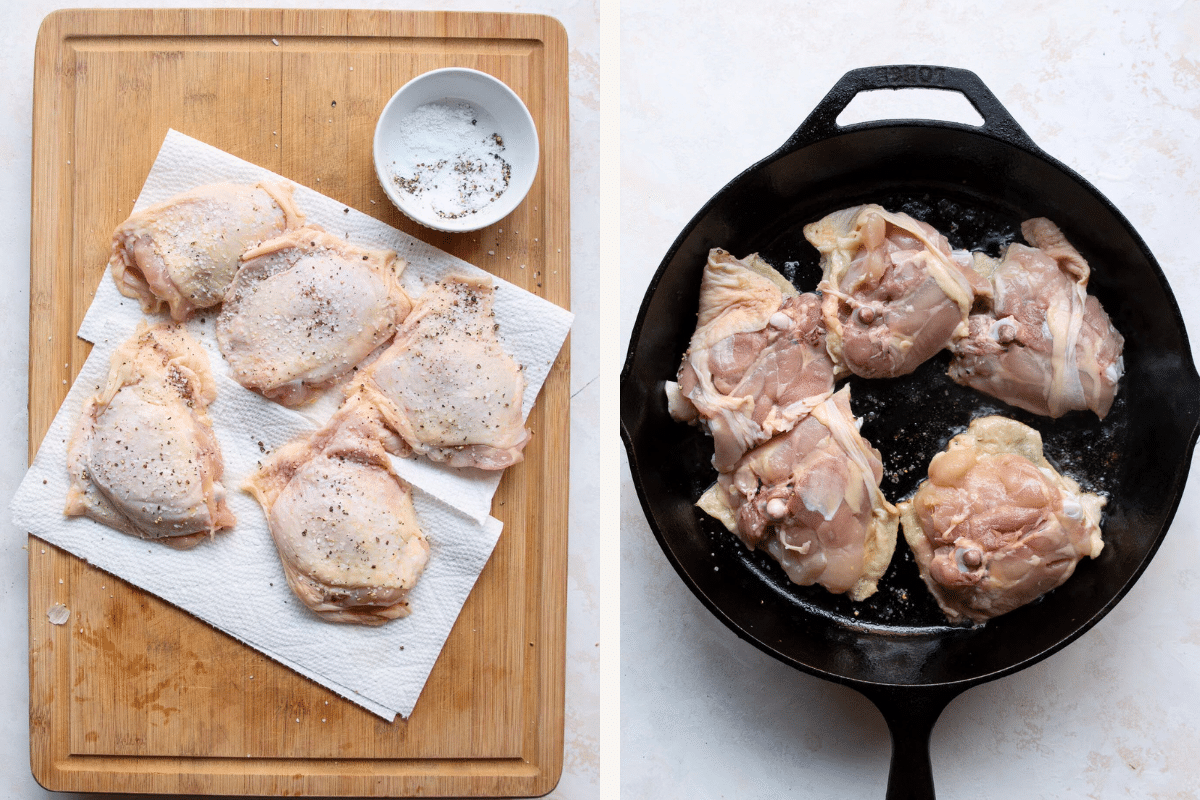
- Pat thighs dry before cooking for better sear
Optimal Cooking Methods
Chicken thighs are flavorful and versatile. Cooking them right keeps them tender and juicy.
Try different methods to find what suits your taste and time. Each way brings out unique textures.
Baking For Juicy Thighs
Baking chicken thighs slowly in the oven helps keep the meat moist. Use moderate heat and cover the pan to trap moisture.
- Preheat oven to 375°F (190°C)
- Season thighs with salt, pepper, and herbs
- Place thighs skin-side up on a baking tray
- Bake for 30-40 minutes until internal temperature reaches 165°F (74°C)
- Let rest for 5 minutes before serving
Grilling To Perfection
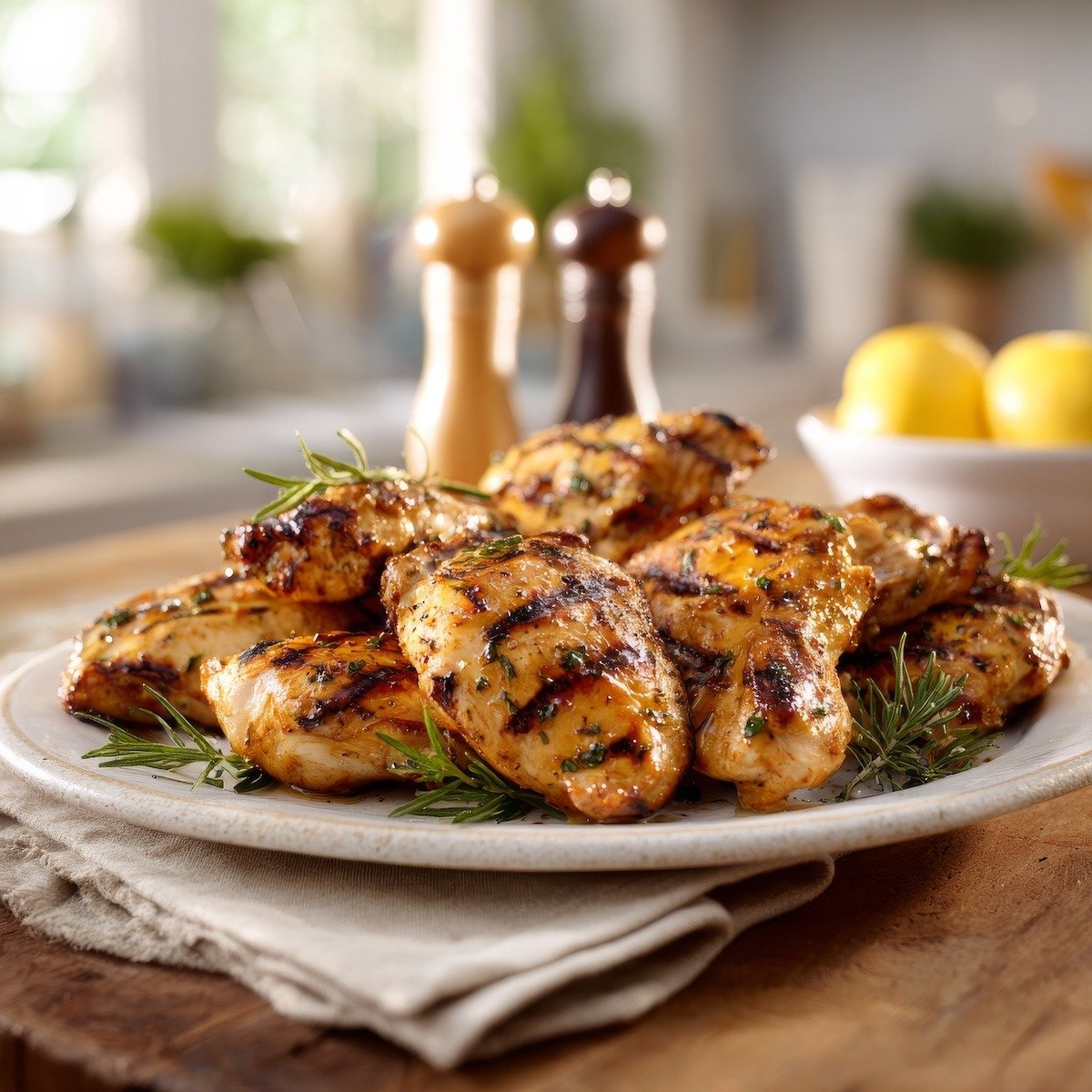
Grilling adds smoky flavor and crispy skin. Use medium heat to cook thighs evenly without drying out.
| Tip | Details |
| Preheat Grill | Heat to medium (about 350°F or 175°C) |
| Oil Grates | Prevent sticking and keep skin intact |
| Cook Time | 6-7 minutes per side, check for internal temp 165°F (74°C) |
| Rest | Let meat rest 5 minutes before serving |
Slow Cooking For Tenderness
Slow cooking breaks down tough fibers. Use a crockpot or low oven heat for best results.
- Add broth or sauce to keep meat moist
- Cook on low for 6-8 hours or high for 3-4 hours
- Avoid opening the lid often
- Check tenderness before serving
Stovetop Searing Tips
Searing locks in juices and creates a crisp crust. Use a hot pan and cook skin-side down first.
- Heat oil over medium-high heat
- Place thighs skin-side down without crowding
- Cook 5-7 minutes until skin is golden and crisp
- Flip and cook another 5-7 minutes
- Lower heat and cover pan to finish cooking if needed
Seasoning And Flavoring
Seasoning chicken thighs well helps keep them juicy and tasty. Using the right flavors makes the meat tender and rich.
Different herbs, spices, and sauces bring out the best in chicken thighs. They add depth without hiding the natural flavor.
Herbs And Spices
Fresh and dried herbs add aroma and taste to chicken thighs. Spices give warmth and complexity. Use them wisely for tender meat.
- Rosemary: pairs well with garlic and lemon for bright flavors.
- Thyme: adds earthiness and works great with butter.
- Paprika: gives a smoky, slightly sweet taste and color.
- Cumin: adds a warm, nutty flavor that enhances richness.
- Garlic powder: boosts savory notes without overpowering.
- Black pepper: adds a mild heat and sharpness.
Sauce Pairings
Sauces keep chicken thighs moist and add flavor layers. Choose sauces that complement your seasoning and cooking style.
| Sauce | Flavor Profile | Best Use |
| Barbecue | Sweet, smoky, tangy | Grilled or baked thighs |
| Lemon Butter | Bright, rich, creamy | Pan-seared or roasted thighs |
| Teriyaki | Sweet, salty, umami | Stir-fried or broiled thighs |
| Honey Mustard | Sweet, tangy, sharp | Baked or grilled thighs |
| Yogurt Marinade | Cool, tangy, tenderizing | Marinated and grilled thighs |
Temperature And Timing
Cooking chicken thighs well needs the right temperature and time. This helps keep the meat tender and juicy.
Using a meat thermometer and resting the chicken are key steps. They ensure the chicken cooks evenly and stays moist.
Using A Meat Thermometer
A meat thermometer helps check the chicken’s internal temperature. This stops undercooking or overcooking.
- Insert the thermometer into the thickest part of the thigh.
- Wait until the thermometer shows 165°F (74°C).
- Do not touch the bone with the thermometer.
- Remove the chicken from heat once it reaches the right temperature.
Resting The Chicken
Resting lets juices spread inside the meat. This makes chicken thighs tender and flavorful.
| Rest Time | Effect on Chicken |
| 5 minutes | Juices start to settle |
| 10 minutes | Meat becomes tender and juicy |
| 15 minutes | Maximum tenderness and flavor |
Credit: whereismyspoon.co
Serving Suggestions
Cooking chicken thighs tender is only half the fun. Serving them well makes your meal special. You can choose sides and present your dish to please everyone.
Here are some tips for side dishes and presentation to enjoy your tender chicken thighs fully.
Side Dishes To Complement
Soft and juicy chicken thighs pair well with many side dishes. Pick sides that add flavor and balance the meal.
- Roasted vegetables like carrots, broccoli, or Brussels sprouts
- Mashed potatoes or creamy polenta for a smooth texture
- Steamed rice or quinoa for a light, healthy base
- Fresh salads with crisp greens and a light dressing
- Grilled corn or sautéed mushrooms for extra taste
These sides help bring out the flavors of tender chicken thighs. Mix and match to find your favorite combo.
Presentation Tips
How you serve chicken thighs makes a big difference. Simple touches can make your plate look inviting and tasty.
- Use colorful plates to make the food stand out
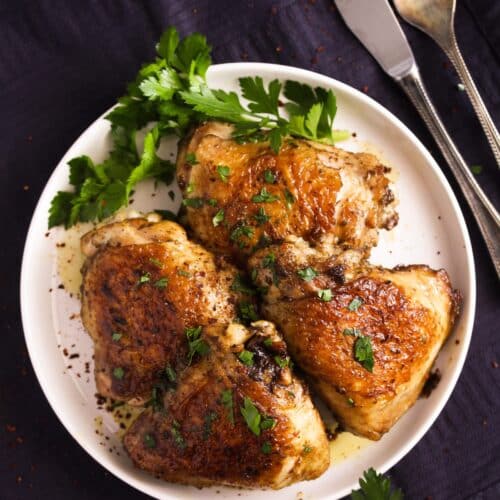
- Garnish with fresh herbs like parsley or cilantro
- Slice chicken thighs to show the tender inside
- Arrange sides neatly around the chicken
- Drizzle a light sauce or glaze on top for shine
Good presentation makes your meal more enjoyable. It shows care and makes the food look delicious.
Common Mistakes To Avoid
Cooking chicken thighs can be easy, but mistakes can make them tough or bland.
Knowing what to avoid helps keep your chicken tender and full of flavor.
Overcooking Warnings
Overcooking chicken thighs dries out the meat and makes it tough.
- Use a meat thermometer to check doneness; 165°F is safe.
- Cook on medium heat to avoid burning outside while inside stays raw.
- Remove chicken from heat as soon as it reaches the right temperature.
- Let chicken rest for a few minutes to keep juices inside.
Undersalting Concerns
Not using enough salt can leave chicken thighs bland and less tasty.
| Salt Use | Effect on Chicken Thighs |
|---|---|
| Too Little | Flavor is weak; meat tastes flat |
| Too Much | Meat can taste salty and dry |
| Just Right | Enhances natural flavors and juiciness |
Credit: www.reluctantgourmet.com
Frequently Asked Questions
How Do I Make Chicken Thighs Tender And Juicy?
To make chicken thighs tender, marinate them for at least 30 minutes. Cook slowly over low heat. Avoid overcooking to keep the meat juicy and flavorful.
What’s The Best Cooking Method For Tender Chicken Thighs?
Slow cooking, braising, or baking at moderate temperatures works best. These methods break down connective tissue, making thighs tender and moist.
Should I Remove Skin For Tender Chicken Thighs?
Keeping the skin on helps retain moisture and flavor. It also protects the meat during cooking, resulting in tender, juicy thighs.
How Long Should I Cook Chicken Thighs For Tenderness?
Cook chicken thighs for 25-30 minutes at 350°F (175°C). Use a meat thermometer to ensure internal temperature reaches 165°F (74°C) for safety and tenderness.
Conclusion
Cooking chicken thighs tender takes some care and simple steps. Marinate the meat to add flavor and softness. Cook slowly at the right temperature to keep it juicy. Avoid overcooking, as it makes the meat dry and tough. Use a meat thermometer to check doneness easily.
Let the chicken rest before cutting to keep juices inside. These tips help make tasty, tender chicken thighs every time. Enjoy your meals with confidence and simple techniques.