

If you love baking or want to try something new, a Bundt pan can be your secret weapon. But using it the right way makes all the difference between a perfect cake and a sticky mess.
You might wonder how to get those beautiful shapes and easy releases every time. This article will give you simple, practical tips that make your Bundt cakes look stunning and taste amazing. Keep reading—you’ll be amazed at how a few easy tricks can transform your baking game!
Choosing The Right Bundt Pan
Picking the right bundt pan makes baking easier and more fun. The pan you choose affects how your cake bakes and looks.
Think about the material and size before buying. These details change how your cake turns out.
Material Matters
Bundt pans come in different materials. Each type cooks heat differently and affects the cake texture.
Aluminum pans heat evenly and help cakes cook well. Non-stick pans are easy to clean but may need extra care.
- Aluminum: heats evenly, good for even baking
- Non-stick: easy release, clean quickly
- Silicone: flexible, but less even heat
- Ceramic: attractive, but heats slowly
Size And Shape Considerations
Bundt pans come in many sizes and shapes. Pick one that fits your recipe and oven space.
Large pans hold more batter but take longer to bake. Smaller pans bake faster but make smaller cakes.
- 10-12 cups: standard size for most recipes
- 6-8 cups: good for smaller cakes or servings
- Unique shapes: add design but may need careful greasing

Credit: www.theboywhobakes.co.uk
Properly Preparing The Pan
Using a Bundt pan needs special care before adding batter. Proper preparation helps cakes come out clean and keep their shape.
Greasing and flouring the pan are key steps. These prevent sticking and make your cake look great.
Greasing Techniques
Start by greasing your Bundt pan well. Use solid fats like butter or shortening for best results.
Apply the grease evenly to cover all the pan’s curves and edges. Use a brush or paper towel to reach every spot.
- Use softened butter or shortening for easy spreading
- Cover all surfaces, including the center tube
- Pay special attention to detailed designs and crevices
- Use a pastry brush for even coating
Flouring The Pan
After greasing, sprinkle flour on the pan. This adds a fine layer that stops the cake from sticking.
Shake the pan gently to spread the flour. Tap out extra flour to avoid clumps on your cake.
- Use all-purpose flour for best results
- Put a spoonful of flour in the pan after greasing
- Turn and shake the pan to coat all sides
- Tap out loose flour before pouring batter
Mastering The Batter
Using a Bundt pan can create beautiful cakes with unique shapes. The batter must be prepared carefully for best results.
Getting the right texture and consistency helps the cake bake evenly and look perfect. Let’s focus on key tips about the batter.
Consistent Mixing
Mix your batter evenly to avoid lumps or uneven baking. Use a mixer on low speed for smooth texture.
Overmixing can add too much air and cause the cake to sink. Mix just until ingredients combine well.
- Use room temperature ingredients for better blending
- Scrape sides of the bowl to mix all parts
- Stop mixing when batter looks smooth and uniform
Avoiding Air Bubbles
Air bubbles can create holes inside the cake or cause cracks. Handle the batter gently to reduce bubbles.
After pouring the batter, tap the pan on the counter a few times. This helps air bubbles rise and pop.
- Pour batter slowly into the Bundt pan
- Tap the pan firmly 3 to 4 times on the counter
- Use a toothpick to pop visible large bubbles on the surface

Credit: www.tasteofhome.com
Perfecting The Baking Process
Baking with a Bundt pan can create beautiful and tasty cakes. To get the best results, you need to control the baking process carefully.
Understanding how temperature and timing affect your cake will help you bake evenly and avoid common problems.
Temperature Control
Set your oven to the right temperature before baking. Too hot, and the cake may burn on the outside while staying raw inside.
Use an oven thermometer to check your oven’s real temperature. Bundt cakes bake best at moderate heat to cook evenly.
- Preheat the oven fully before placing the cake inside
- Keep the temperature between 325°F and 350°F for most recipes
- Avoid opening the oven door often to keep heat steady
Timing And Testing For Doneness
Check the cake’s baking time as given in the recipe. Baking too long can dry out the cake, too short leaves it raw.
Use a toothpick or skewer to test if the cake is done. Insert it in the thickest part; it should come out clean or with few crumbs.
- Start testing a few minutes before the recipe’s time ends
- If the toothpick has wet batter, bake a little longer
- Let the cake cool in the pan before removing it
Cooling And Unmolding
Using a Bundt pan needs care after baking. Cooling and removing the cake can be tricky. Proper steps help keep the cake’s shape and texture.
This guide covers the best ways to cool and unmold your Bundt cake. Follow these tips for easy handling and great results.
Cooling Time Guidelines
Cooling the cake before removing it is very important. The right time lets the cake set and stops it from breaking.
- Let the cake cool in the pan for 10 to 15 minutes on a wire rack.
- Run a thin knife around the edges to loosen the cake from the pan.
- Invert the pan onto a plate or cooling rack carefully.
- If the cake does not release, wait 5 more minutes and try again.
| Cooling Time | Effect |
| 10-15 minutes | Cake firms up and releases easily |
| Less than 10 minutes | Cake may break or stick |
| More than 20 minutes | Cake cools too much and can stick |
Unmolding With Ease
Unmolding can be simple with the right tools and steps. Greasing the pan well helps a lot.
- Use a nonstick spray or butter with flour before pouring batter.
- Tap the pan gently on the counter to release air bubbles.
- Warm the bottom of the pan slightly if the cake sticks.
- Use a rubber spatula or knife to carefully loosen edges if needed.
- Invert the pan slowly and let the cake drop out naturally.
Enhancing Flavors And Presentation
Bundt pans create beautiful cakes with unique shapes. Using the right tips can improve both taste and look.
Small changes in glazing and decoration make your cake stand out. These tips help you make the best Bundt cake.
Using Glazes And Toppings
Glazes add extra flavor and shine to Bundt cakes. Use simple ingredients like sugar, lemon juice, or chocolate for a tasty glaze.
Toppings add texture and color. Nuts, fruit, or coconut flakes work well to make the cake look inviting.
- Brush glaze evenly over the warm cake
- Sprinkle toppings right after glazing for better stick
- Use powdered sugar for a classic look
- Try citrus zest to add fresh flavor
Decorative Techniques
Decorative techniques highlight the Bundt pan’s design. Dusting with powdered sugar or cocoa powder shows off the shape.
Piping whipped cream or frosting adds detail. You can also place fresh berries or edible flowers for a natural touch.
- Use a fine sieve to dust powdered sugar evenly
- Pipe frosting into small swirls or dots
- Place berries in the center hole or on top
- Edible flowers add color and elegance
Troubleshooting Common Issues
Using a Bundt pan can be tricky if you face problems like sticking or uneven baking. These issues can ruin your cake’s shape and taste.
Knowing how to fix these common problems helps you bake beautiful cakes every time. Let’s look at ways to solve these issues.
Dealing With Sticking
Sticking happens when the cake clings to the Bundt pan. This can break the cake or leave pieces behind.
To prevent sticking, always grease the pan well. Use butter or oil and cover every nook and cranny.
- Use a pastry brush to spread grease evenly
- Dust the pan with flour after greasing for extra protection
- Try using non-stick baking spray made for Bundt pans
- Let the cake cool before turning it out gently
Addressing Uneven Baking
Uneven baking causes some parts of the cake to be overcooked while others stay raw. This happens because of heat distribution.
Bundt pans are thick and heavy, so they need careful baking to cook the cake evenly inside and out.
- Preheat the oven fully before baking
- Bake the cake in the center of the oven
- Use an oven thermometer to check for accurate temperature
- Check the cake early and cover with foil if browning too fast
- Test for doneness with a toothpick in the center
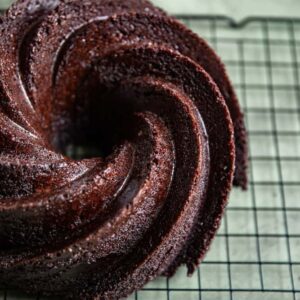
Credit: frostingandfettuccine.com
Frequently Asked Questions
How Do I Properly Grease A Bundt Pan?
To grease a Bundt pan, use softened butter or non-stick spray. Ensure you cover all crevices to prevent sticking. Dust lightly with flour or cocoa powder for chocolate cakes. This step helps your cake release cleanly and keeps the pan in good shape.
What Batter Consistency Works Best For Bundt Pans?
A thick, pourable batter works best for Bundt pans. Avoid overly thin batters as they may not hold the shape well. Thicker batters ensure even baking and help the cake maintain the pan’s intricate design.
How Long Should I Bake A Cake In A Bundt Pan?
Baking time varies, but generally 40-60 minutes at 325-350°F suits Bundt cakes. Always check doneness with a toothpick inserted in the center. Adjust time depending on the recipe and oven for perfect results.
Can I Use Any Cake Recipe With A Bundt Pan?
Most cake recipes work in Bundt pans, especially denser batters. Light or delicate batters may not hold shape well. Adjust baking time and temperature to suit your specific recipe for the best outcome.
Conclusion
Using bundt pans can make baking more fun and creative. Remember to grease the pan well to avoid sticking. Let your cake cool before removing it carefully. Experiment with different batters and flavors for variety. These small steps help you bake beautiful, tasty cakes every time.
Enjoy the process and share your delicious results with friends and family. Baking with bundt pans brings joy and sweet moments to any kitchen. Keep practicing, and you will improve with each bake. Simple tips, great results.