
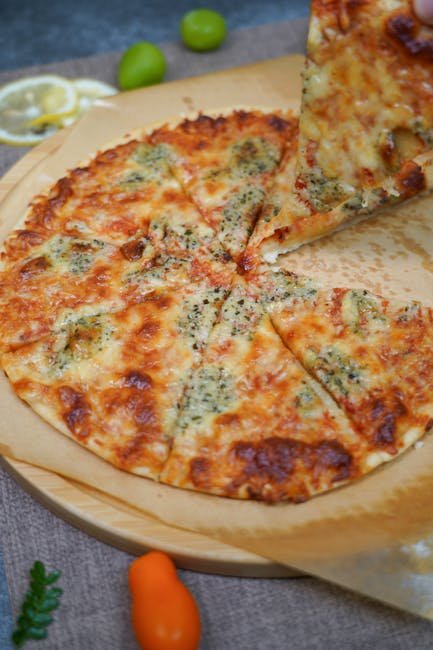
Craving a pizza night but tired of store-bought sauces that taste bland or too sweet? You’re not alone.
Making your own pizza sauce at home is easier than you think—and it will take your pizza to a whole new level. Imagine spreading a rich, flavorful sauce on your dough that’s bursting with fresh ingredients you chose yourself. In this guide, you’ll discover simple steps to create delicious homemade pizza sauce that’s ready in minutes.
Ready to impress your taste buds and your friends? Let’s dive in and make your pizza night unforgettable!

Credit: recipesfromleftovers.com
Ingredients For Pizza Sauce
Making pizza sauce at home is simple and requires few ingredients. Using fresh and basic items gives you a tasty sauce. You can adjust flavors to your liking.
Here are the essential ingredients you need to prepare a classic pizza sauce. Each one adds flavor and richness to your sauce.
Tomatoes
Tomatoes are the base of any good pizza sauce. You can use canned crushed tomatoes or fresh ripe tomatoes. Canned tomatoes provide a thicker texture.
Garlic And Onion
Garlic and onion add a savory depth to the sauce. Use fresh garlic cloves and finely chopped onions. They bring a mild sharpness and aroma.
Herbs And Spices
Herbs and spices make the sauce flavorful. Common choices are oregano, basil, salt, and black pepper. You can use fresh or dried herbs.
- Oregano: adds earthiness
- Basil: gives a sweet, fresh taste
- Salt: enhances all flavors
- Black pepper: adds mild heat
Olive Oil
Olive oil makes the sauce smooth and rich. It also helps blend flavors well. Use extra virgin olive oil for the best taste.
Sugar
A small amount of sugar balances the acidity of the tomatoes. Use white or brown sugar, depending on your preference. Add it sparingly.
Ingredient Table
| Ingredient | Purpose | Notes |
|---|---|---|
| Tomatoes | Base of the sauce | Canned or fresh |
| Garlic | Flavor enhancer | Fresh cloves preferred |
| Onion | Adds aroma and depth | Finely chopped |
| Oregano | Herbal flavor | Dried or fresh |
| Basil | Sweet herbal note | Dried or fresh |
| Salt | Flavor enhancer | Use to taste |
| Black Pepper | Mild heat | Freshly ground best |
| Olive Oil | Smooth texture | Extra virgin recommended |
| Sugar | Balances acidity | Add sparingly |
Essential Kitchen Tools
Making homemade pizza sauce is simple and fun. Using the right kitchen tools helps you cook faster and easier.
These tools make mixing, measuring, and cooking your sauce smooth. They help keep your kitchen clean and organized.
Measuring Cups And Spoons
Measuring cups and spoons help you add the right amount of ingredients. This keeps the sauce balanced and tasty.
Use them for liquids like olive oil and tomato sauce, and for spices like oregano and garlic powder.
Mixing Bowl
A good mixing bowl is needed to combine all your sauce ingredients. It should be large enough to avoid spills.
Choose a bowl made of glass or stainless steel for easy cleaning and durability.
Wooden Spoon Or Silicone Spatula
Use a wooden spoon or silicone spatula to stir your sauce. These tools are gentle on your cookware.
They help mix the sauce evenly without scratching your pots or pans.
Saucepan
A small to medium saucepan is perfect for cooking your pizza sauce. It heats evenly and is easy to handle.
Choose a non-stick pan for easier cleaning and better control over heat.
Garlic Press
A garlic press helps crush garlic quickly. Fresh garlic adds strong flavor to your sauce.
This tool saves time and keeps your hands clean from garlic smell.
Can Opener
A can opener is needed if you use canned tomatoes or tomato sauce. It helps open cans safely and easily.
Choose a manual or electric can opener based on your preference.
Preparing The Tomatoes
Making pizza sauce starts with fresh, ripe tomatoes. Proper preparation helps bring out their natural flavors. Clean and handle them carefully for the best sauce.
This guide explains how to prepare tomatoes for easy homemade pizza sauce. Follow simple steps to peel, seed, and chop them.
Selecting The Right Tomatoes
Choose tomatoes that are firm but ripe. Roma or plum tomatoes work best for sauce because they have less water and more flesh. Avoid tomatoes with bruises or soft spots.
Washing And Scoring Tomatoes
Wash tomatoes under cold running water to remove dirt. Use a sharp knife to score a small “X” on the bottom of each tomato. This will help with peeling later.
Peeling And Seeding Tomatoes
Boil water and prepare an ice bath. Drop tomatoes in boiling water for 30 seconds. Remove and place them in ice water. The skins will slip off easily.
- Cut peeled tomatoes in half
- Gently squeeze to remove seeds
- Discard seeds and excess juice
Chopping Tomatoes For Sauce
After peeling and seeding, chop tomatoes into small pieces. You can use a knife or food processor. Smaller pieces cook faster and blend better into sauce.
| Preparation Step | Purpose |
| Washing | Remove dirt and bacteria |
| Scoring | Make peeling easier |
| Blanching | Loosen skin for easy removal |
| Seeding | Reduce bitterness and excess liquid |
| Chopping | Prepare for cooking and blending |
Adding Herbs And Spices
Herbs and spices give homemade pizza sauce its unique flavor. They bring freshness and warmth to the sauce.
Choosing the right herbs and spices helps you create sauce that tastes just right for your pizza.
Common Herbs To Use
Many herbs add great taste to pizza sauce. Some are fresh while others are dried. Both types work well.
- Basil adds a sweet and slightly peppery flavor.
- Oregano has a strong, earthy taste perfect for tomato sauces.
- Thyme offers a subtle, minty aroma.
- Parsley brings a fresh and mild flavor.
Key Spices For Flavor
Spices make pizza sauce more exciting. Use them sparingly to avoid overpowering the sauce.
| Spice | Flavor Profile |
| Garlic Powder | Strong and savory |
| Red Pepper Flakes | Spicy and hot |
| Black Pepper | Sharp and mildly spicy |
| Onion Powder | Sweet and tangy |
How To Add Herbs And Spices
Add dried herbs early while cooking the sauce. This lets them release their flavors.
Fresh herbs taste best added at the end. This keeps their bright flavors and color.
Tip: Start with small amounts. Taste the sauce often. Adjust herbs and spices as you go.
Simmering For Flavor
Simmering is a key step in making homemade pizza sauce. It helps develop deep, rich flavors by slowly cooking the ingredients together.
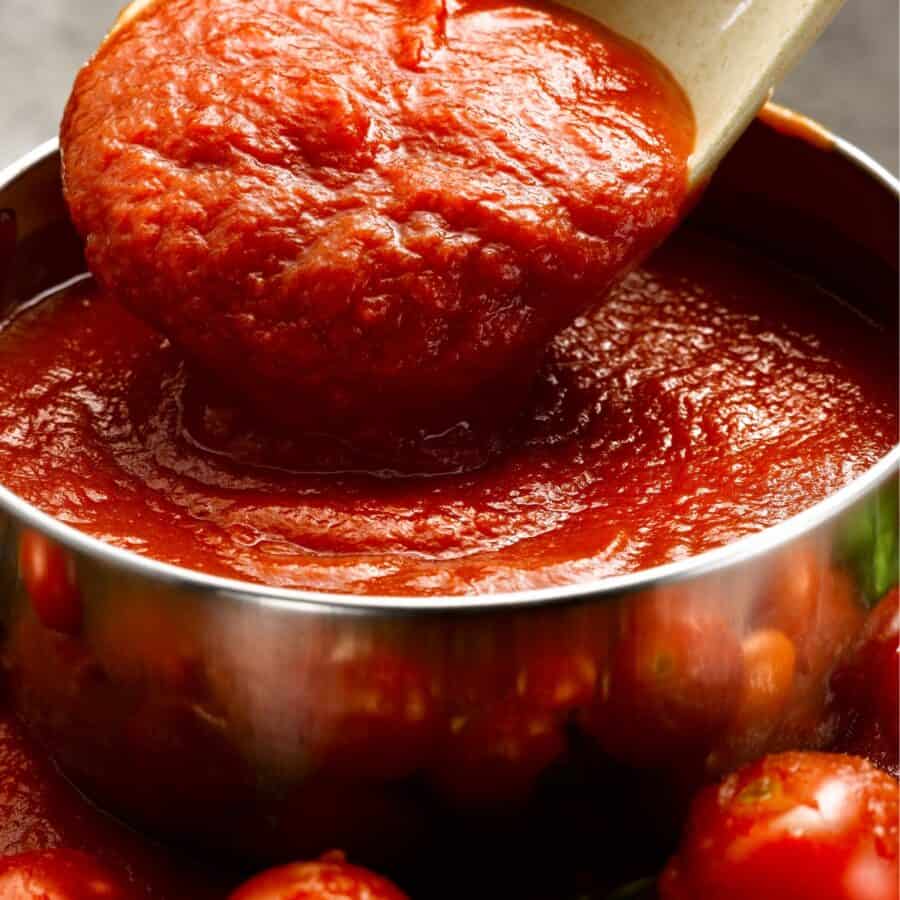
By simmering the sauce, you blend the herbs and spices well with tomatoes. This process also reduces the sauce to a perfect thickness for pizza.
Why Simmering Matters
Simmering allows the natural sugars in tomatoes to caramelize slightly. This adds sweetness and balances acidity in the sauce.
It also gives time for garlic, onions, and herbs to release their aroma and flavor fully. This creates a sauce with layers of taste.
How Long To Simmer
Simmering time depends on how thick and intense you want the sauce. Usually, 20 to 40 minutes works well.
- Start by bringing the sauce to a gentle boil.
- Lower the heat to maintain a slow simmer.
- Stir occasionally to prevent sticking.
- Simmer until the sauce thickens and flavors blend.
Tips To Enhance Flavor During Simmering
| Tip | Why It Helps |
|---|---|
| Use fresh herbs | They add vibrant aroma and fresh taste |
| Simmer uncovered | Allows moisture to evaporate and sauce to thicken |
| Add a pinch of sugar | Balances tomato acidity |
| Stir gently | Prevents burning and mixes flavors evenly |
Credit: twosleevers.com
Blending To Perfection
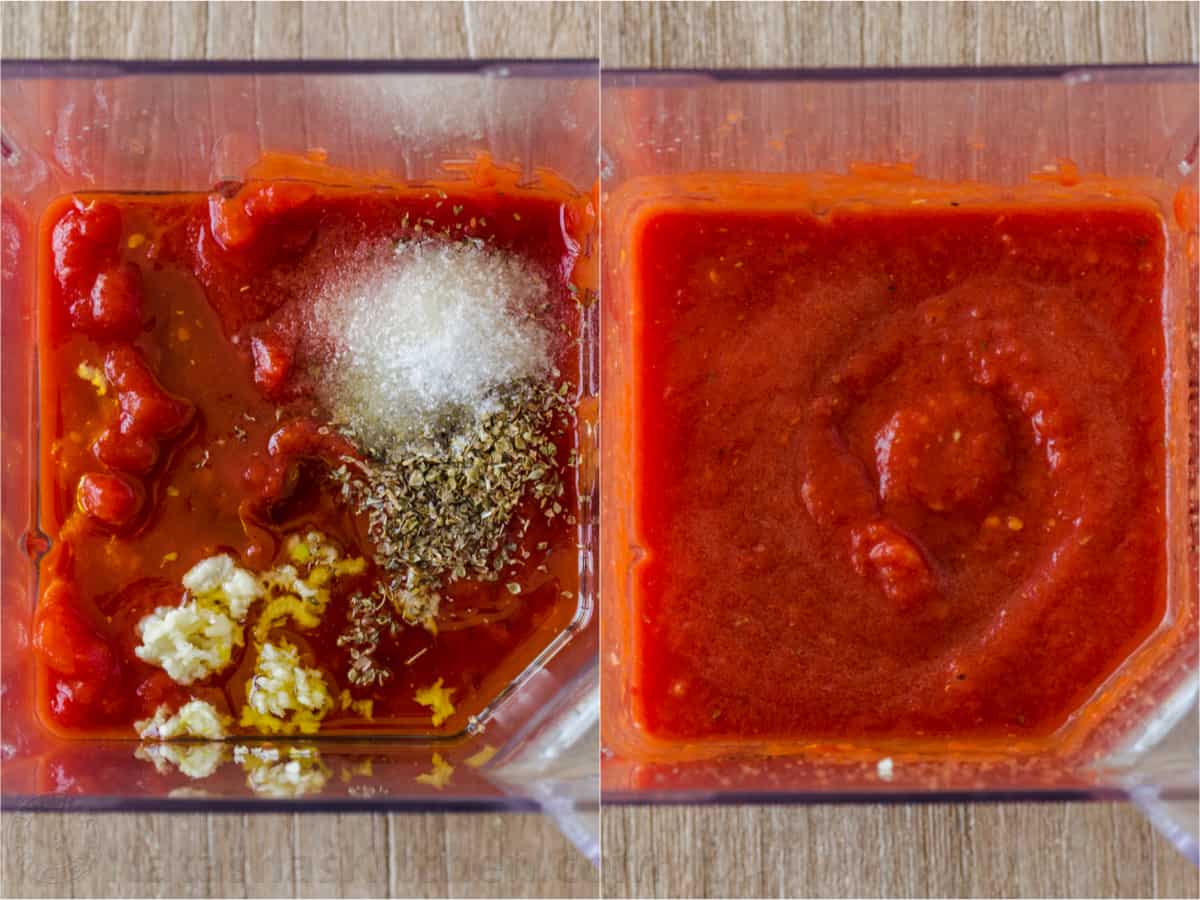
Making homemade pizza sauce starts with blending the ingredients well. This step ensures a smooth and tasty sauce.
Blending helps combine flavors and creates a perfect texture for your pizza base.
Choosing The Right Blender
Use a blender that can handle thick sauces without clogging. A high-speed blender works best.
If you don’t have a blender, a food processor or immersion blender also works well.
Preparing Ingredients For Blending
Wash and chop tomatoes into small pieces for easy blending. Include fresh herbs like basil or oregano.
Add garlic, salt, and a bit of olive oil to improve flavor and texture before blending.
- Fresh tomatoes, chopped
- Garlic cloves
- Fresh herbs (basil, oregano)
- Salt
- Olive oil
Blending Process For Smooth Sauce
Start blending at low speed to break down ingredients gently. Increase speed for a smoother sauce.
Blend for about 30 seconds to 1 minute. Stop and check texture. Repeat if needed for smoothness.
- Low speed to start
- Increase speed gradually
- Blend 30 seconds to 1 minute
- Check texture and repeat
Adjusting Thickness After Blending
Add water or olive oil to thin the sauce if it is too thick. Add tomato paste to thicken it.
Blend again briefly after adjusting to mix everything well.
- Use water or olive oil to thin
- Add tomato paste to thicken
- Blend briefly after adding liquids
Storing Leftover Sauce
After making homemade pizza sauce, you may have some leftover. Storing it correctly keeps the sauce fresh and tasty.
Proper storage helps prevent spoilage and keeps the sauce ready for your next pizza night.
Use An Airtight Container
Put leftover sauce in a clean, airtight container. This stops air from spoiling the sauce.
Glass or plastic containers with tight lids work well. Avoid containers that let air in.
Refrigerate For Short-term Storage
Store the sauce in the fridge if you plan to use it soon. It stays fresh for 3 to 5 days.
Keep the sauce cold and do not leave it out at room temperature for long.
Freeze For Longer Storage
Freeze leftover sauce to keep it fresh for up to 3 months. Use freezer-safe containers or bags.
Label the container with the date before freezing. Thaw in the fridge before use.
Portion The Sauce Before Storing
Divide the sauce into small portions before storing. This helps you use only what you need.
- Use ice cube trays for small portions
- Store cubes in freezer bags after freezing
- Portions thaw quickly and reduce waste
Check For Signs Of Spoilage
Look for mold, strange smells, or changes in color before using leftover sauce.
Throw out sauce if it smells sour or looks different. It is safer to discard spoiled sauce.
Credit: natashaskitchen.com
Tips For Customizing
Making homemade pizza sauce is simple and fun. You can change the flavors to suit your taste.
These tips help you make your sauce unique and delicious every time.
Adjust The Herbs
Fresh or dried herbs add special flavors. You can use basil, oregano, or thyme.
Try mixing different herbs to find your favorite combination.
- Basil gives a sweet, fresh taste
- Oregano adds a warm, earthy flavor
- Thyme offers a subtle, woodsy note
- Rosemary works well for a strong aroma
Change The Garlic Amount
Garlic makes your sauce tasty and sharp. Add more if you like a bold flavor.
Use less garlic for a mild sauce that everyone will enjoy.
Pick Your Sweetener
Tomatoes can be sour. Add a sweetener to balance the taste.
Try sugar, honey, or maple syrup to change the flavor slightly.
- Sugar is the classic choice
- Honey adds a floral sweetness
- Maple syrup gives a rich, deep taste
Use Different Tomato Bases
You can use canned tomatoes, tomato paste, or fresh tomatoes for your sauce.
Each base changes the thickness and taste of the sauce.
- Canned tomatoes give a smooth, classic sauce
- Tomato paste makes a thick and rich sauce
- Fresh tomatoes offer a light and fresh flavor
Add Spices For Heat
Spices like red pepper flakes or black pepper add heat to your sauce.
Use small amounts to start, then taste and add more if you want.
- Red pepper flakes add a sharp, spicy kick
- Black pepper gives a warm, mild heat
- Cayenne powder is good for strong heat lovers
Mix In Olive Oil
Olive oil makes the sauce smoother and richer. Add a little to improve texture.
Extra virgin olive oil adds a fruity flavor that pairs well with herbs.
Pairing With Pizza Dough
Homemade pizza sauce works best when matched with the right pizza dough. The sauce and dough must complement each other in taste and texture.
Choosing the right dough enhances the flavor of the sauce. It also helps keep the pizza balanced and delicious.
Consider Dough Texture
Thicker dough needs a sauce that is rich and not too watery. Thin crust dough pairs well with lighter, smooth sauces.
Match Sauce Flavor With Dough Type
Strong flavored doughs like whole wheat or herb dough can handle bold sauce spices. Plain dough works well with classic tomato sauce.
- For thick crust, use a thick, chunky sauce
- For thin crust, use a smooth, light sauce
- Herb-flavored dough pairs with spicy sauce
- Plain dough pairs with classic tomato sauce
Sauce Moisture And Baking Time
Too much sauce moisture can make dough soggy. Adjust sauce thickness based on baking time and dough absorption.
| Dough Type | Sauce Tip |
| Neapolitan (Thin) | Use smooth, low-moisture sauce |
| Pan (Thick) | Use chunky, slightly thicker sauce |
| Gluten-Free | Use sauce with medium moisture |
| Stuffed Crust | Use rich and thick sauce |
Frequently Asked Questions
What Ingredients Are Needed For Homemade Pizza Sauce?
Homemade pizza sauce requires tomatoes, garlic, olive oil, salt, sugar, and herbs like basil and oregano. These basic ingredients create a rich and flavorful sauce. Fresh or canned tomatoes work well depending on availability and preference.
How Long Does Homemade Pizza Sauce Last?
Homemade pizza sauce lasts about 5 to 7 days in the refrigerator. Store it in an airtight container to keep it fresh. For longer storage, freeze the sauce in portions for up to 3 months.
Can I Use Fresh Tomatoes For Pizza Sauce?
Yes, fresh tomatoes can be used for pizza sauce. Blanch and peel them for a smooth texture. Fresh tomatoes provide a bright, natural flavor that enhances your homemade sauce.
Is Homemade Pizza Sauce Healthier Than Store-bought?
Homemade pizza sauce is generally healthier because it contains no preservatives or added sugars. You control the ingredients and can adjust salt and oil levels. This makes it a better, fresher option for your pizza.
Conclusion
Making homemade pizza sauce is simple and fun. Fresh ingredients bring out the best flavors. You control the taste and texture easily. It saves money and feels rewarding. Try different herbs and spices for variety. This sauce will make your pizza special every time.
Enjoy cooking and sharing your homemade creation with family. Simple steps, great results—pizza night just got better.