
Are you tired of ending up with mushy or burnt rice? Cooking rice perfectly might seem simple, but it’s easy to get it wrong.
What if you could make fluffy, delicious rice every single time, without any guesswork? You’ll discover easy tips and tricks that will change the way you cook rice forever. Say goodbye to sticky messes and hello to perfectly cooked rice that complements every meal.
Ready to become a rice-cooking pro? Let’s dive in.
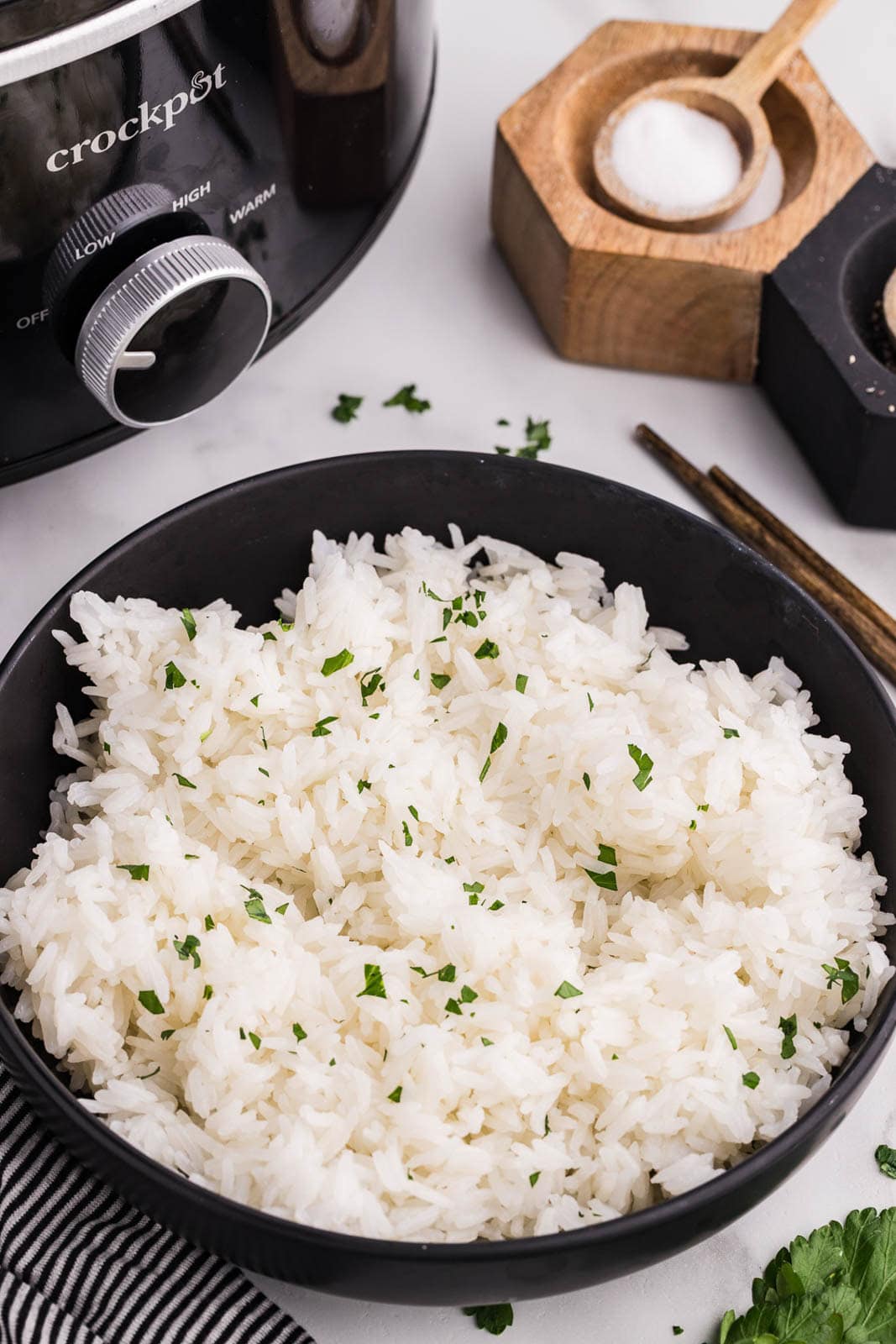
Credit: slowcookergourmet.net
Choosing The Right Type Of Rice
Rice comes in many shapes and flavors. Picking the right type affects your dish’s taste and texture.
Understanding the differences helps you cook rice that fits your meal perfectly.
Long Grain Vs. Short Grain
Long grain rice is slim and stays separate when cooked. It is great for pilafs and salads.
Short grain rice is round and sticky. It works well for sushi and creamy dishes like risotto.
White Rice Vs. Brown Rice
White rice cooks faster and has a soft texture. It is mild in flavor and easy to digest.
Brown rice keeps its bran layer, giving it more fiber and nutrients. It has a nutty taste and chewier texture.
| Type | Cooking Time | Texture | Nutritional Value |
| White Rice | 15-20 minutes | Soft and fluffy | Lower fiber |
| Brown Rice | 40-45 minutes | Chewy and nutty | Higher fiber and vitamins |
Specialty Rice Varieties
Specialty rices offer unique flavors and textures for special dishes. Some popular types include basmati, jasmine, and arborio.
- Basmati:Long grain with a fragrant aroma. Ideal for Indian and Middle Eastern dishes.
- Jasmine:Long grain with a soft, sticky texture and floral scent. Perfect for Thai food.
- Arborio:Short grain with high starch. Best for creamy risotto recipes.
Essential Tools For Cooking Rice
Cooking rice perfectly needs the right tools. Using proper equipment helps you get fluffy and tasty rice every time.
This guide covers important tools like rice cookers, pots, lids, and measuring tools. These will make cooking easier and more consistent.
Rice Cooker Benefits
A rice cooker simplifies the cooking process. It cooks rice evenly and keeps it warm without burning. This tool is helpful for beginners and experts alike.
- Automatic cooking and warming
- Prevents rice from sticking or burning
- Easy to use with simple controls
- Some models have settings for different types of rice
- Allows hands-free cooking
Pot And Lid Selection
Choosing the right pot and lid affects rice quality. A heavy pot spreads heat evenly. A tight lid traps steam for perfect cooking.
| Pot Material | Benefit | Best Use |
|---|---|---|
| Stainless Steel | Durable and easy to clean | Everyday cooking |
| Non-stick | Prevents rice from sticking | Sticky or white rice |
| Ceramic | Good heat retention | Flavorful rice dishes |
Measuring Cups And Spoons
Accurate measurements give the right water-to-rice ratio. This helps avoid mushy or dry rice. Use standard measuring cups and spoons for best results.
- Use a rice measuring cup for correct portions
- Measure water with liquid measuring cups
- Use spoons for adding salt or oil
- Keep measuring tools clean and dry
Preparing Rice For Cooking
Cooking rice starts with good preparation. Proper steps before cooking help make rice fluffy and tasty.
Two key steps are rinsing and soaking, and knowing the right rice-to-water ratio. These affect texture and cooking time.
Rinsing And Soaking Techniques
Rinsing rice removes extra starch and dirt. This stops rice from being sticky or clumping.
Soaking rice helps grains absorb water. This shortens cooking time and makes rice softer.
- Place rice in a bowl and add cold water.
- Swirl rice gently with your hand for 30 seconds.
- Drain the cloudy water and repeat rinsing 2-3 times.
- For soaking, cover rice with fresh water and let it sit 20-30 minutes.
- Drain soaking water before cooking.
Determining Rice-to-water Ratio
The rice-to-water ratio affects how rice cooks. Too much water makes rice mushy. Too little water leaves it dry.
Use this simple guide for common rice types. Adjust water slightly for softer or firmer rice.
| Rice Type | Rice Amount | Water Amount |
|---|---|---|
| White Rice | 1 cup | 1.5 cups |
| Brown Rice | 1 cup | 2 cups |
| Jasmine Rice | 1 cup | 1.25 cups |
| Basmati Rice | 1 cup | 1.5 cups |
Stovetop Cooking Method
Cooking rice on the stovetop is a simple and classic method. It requires only a pot, water, and rice. This method gives you control over the texture and doneness of the rice.
Using the right technique helps prevent rice from being mushy or undercooked. Follow these steps carefully for perfect rice every time.
Boiling And Simmering Steps
Start by rinsing the rice under cold water to remove excess starch. This step helps keep the grains separate after cooking. Then, add the rice and water to a pot. Use a ratio of about 1 cup of rice to 1.5 to 2 cups of water depending on rice type.
- Bring the water and rice to a boil over medium-high heat.
- Stir once to prevent sticking.
- Reduce the heat to low and cover the pot with a tight lid.
- Let the rice simmer gently without lifting the lid.
- Cook until the water is fully absorbed and rice is tender.
Timing And Temperature Tips
Cooking times and heat levels vary by rice type. Use this table to guide your cooking time and heat setting for common rice varieties.
| Rice Type | Simmer Time | Heat Level |
|---|---|---|
| White Rice | 15–20 minutes | Low |
| Brown Rice | 40–45 minutes | Low |
| Basmati Rice | 15 minutes | Low |
| Jasmine Rice | 15 minutes | Low |
Using A Rice Cooker
Cooking rice with a rice cooker is easy and saves time. The cooker controls the heat and cooking time for perfect rice.
This method works well for many types of rice, giving fluffy and well-cooked results every time.
Setting Up The Rice Cooker
Start by measuring the rice with the cup that comes with your cooker. Rinse the rice under cold water until it runs clear to remove starch.
- Place the rinsed rice into the inner pot of the cooker.
- Use the water level marks inside the pot or follow your rice cooker’s instructions for water amount.
- Close the lid securely before turning on the cooker.
- Plug in the cooker and check that the power light is on.
Automatic Cooking Features
Most rice cookers have automatic functions that adjust the cooking time and temperature. These features make cooking rice foolproof.
| Feature | Description |
| Cook Mode | Starts cooking and switches to warm when done |
| Warm Mode | Keeps rice warm without overcooking |
| Timer | Delays cooking start for a set time |
| Keep Warm Timer | Limits how long rice stays warm |
Microwave Rice Cooking
Cooking rice in the microwave is fast and easy. You can make perfect rice without using a stove.
This method saves time and uses less energy. You only need a microwave-safe container and water.
Microwave Safe Containers
Use containers made for microwave use. Glass and ceramic bowls work well. Avoid metal or plastic not labeled microwave-safe.
- Choose a bowl with a lid or cover it with microwave-safe plastic wrap.
- Pick a container large enough to hold the rice and water with room to expand.
- Check for any cracks or damage before use.
Adjusting Cooking Times
Cooking times depend on your microwave power and the rice type. Adjust time and water for best results.
| Rice Type | Water Ratio | Cooking Time |
| White Rice | 1 cup rice : 2 cups water | 10-12 minutes |
| Brown Rice | 1 cup rice : 2.5 cups water | 18-20 minutes |
| Jasmine Rice | 1 cup rice : 1.75 cups water | 9-11 minutes |
Fluffing And Serving Rice
Cooking rice is easy, but fluffing and serving it right makes a big difference. Fluffing helps keep rice light and separate.
Serving rice with good presentation makes your meal more inviting and tasty.
Proper Fluffing Techniques
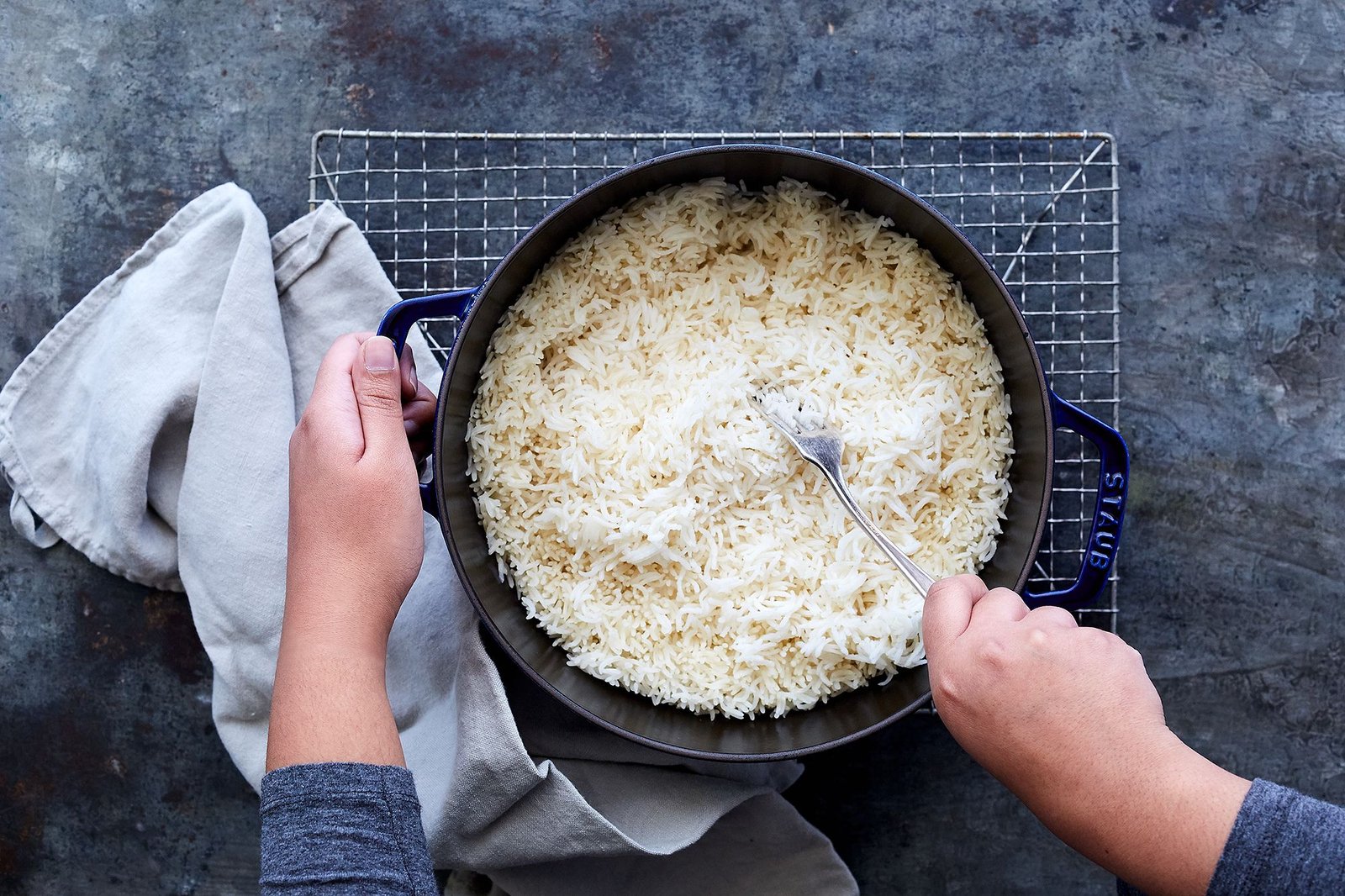
After cooking, let the rice rest for a few minutes. Use a fork to fluff the rice gently. This stops it from getting mushy.
Fluffing loosens the grains so they do not stick together. Avoid stirring with a spoon or spatula, which can crush the rice.
- Let rice rest 5 to 10 minutes after cooking
- Use a fork to separate rice grains carefully
- Fluff gently from the edges to the center
- Do not stir or mash the rice
Garnishing And Presentation Ideas
Adding simple garnishes makes rice look more appealing. Fresh herbs or a sprinkle of spices add color and flavor.
Use a clean bowl or mold to shape rice on the plate. Pair rice with colorful vegetables to make the dish brighter.
- Sprinkle chopped parsley, cilantro, or green onions
- Add a pinch of paprika or black pepper for color
- Shape rice using a small bowl or cup
- Serve with steamed or roasted vegetables
Troubleshooting Common Issues
Cooking rice perfectly can be tricky. Sometimes it turns out too soft or too hard.
Knowing how to fix common rice problems helps you get better results every time.
Dealing With Overcooked Rice
Overcooked rice is mushy and sticky. It happens when too much water is used or rice cooks too long.
To save overcooked rice, spread it on a baking sheet and let it dry. This reduces extra moisture.
- Use a fork to fluff the rice gently
- Cook uncovered on low heat to evaporate water
- Add cooked rice to soups or stir-fries
- Freeze extra rice for later use
Fixing Undercooked Rice
Undercooked rice is hard and crunchy. It usually means not enough water or cooking time.
To fix undercooked rice, add a little hot water, cover, and cook for a few more minutes.
- Add 2 to 3 tablespoons of hot water per cup of rice
- Cover the pot tightly to trap steam
- Cook on low heat for 5 to 10 minutes
- Check rice texture before serving
Flavor Enhancements For Rice
Rice is a simple dish that can taste plain without extra flavor. Adding herbs, spices, or liquids can make it more tasty.
These flavor enhancements change the taste and aroma of rice. They are easy to add while cooking.
Adding Herbs And Spices
Fresh or dried herbs add fresh, earthy flavors to rice. Spices give warmth and depth to the dish.
Try adding herbs or spices before cooking. They mix well with rice as it cooks.
- Basil or cilantro for fresh taste
- Bay leaves to add a subtle aroma
- Turmeric for a warm, golden color
- Cumin seeds for a nutty flavor
- Ginger or garlic powder for spice
Infusing With Broth Or Stock
Using broth instead of water makes rice richer in flavor. Broth adds savory and salty notes.
Chicken, vegetable, or beef broth works well. Use the same amount as water in your recipe.
- Chicken broth adds mild, meaty flavor
- Vegetable broth keeps it light and fresh
- Beef broth gives a deep, strong taste
- Season broth lightly to avoid over-salting
- Heat broth before adding to rice for even cooking

Credit: kristineskitchenblog.com

Credit: www.youtube.com
Frequently Asked Questions
How Much Water Is Needed To Cook Rice Perfectly?
Use a 2:1 water-to-rice ratio for most white rice types. Adjust water slightly for brown rice or jasmine for best texture.
What Type Of Rice Is Easiest To Cook Perfectly?
Long-grain rice like basmati or jasmine cooks evenly and stays fluffy. They are ideal for beginners seeking perfect rice.
How Long Should I Let Rice Rest After Cooking?
Let rice rest covered for 10 minutes post-cooking. This helps steam absorb evenly and makes rice fluffier.
Can Rinsing Rice Improve Cooking Results?
Rinsing rice removes excess starch, preventing stickiness. Rinse until water runs clear for fluffier, separate grains.
Conclusion
Perfect rice is easy with the right steps. Measure your rice and water carefully. Use a pot with a tight lid. Cook on low heat and avoid lifting the lid. Let the rice rest after cooking. Fluff it gently with a fork.
Practice makes cooking rice simple and stress-free. Enjoy your meals with perfectly cooked rice every time. Simple tips lead to great results. Keep trying, and soon it will feel natural. Cooking rice well adds joy to your kitchen.