
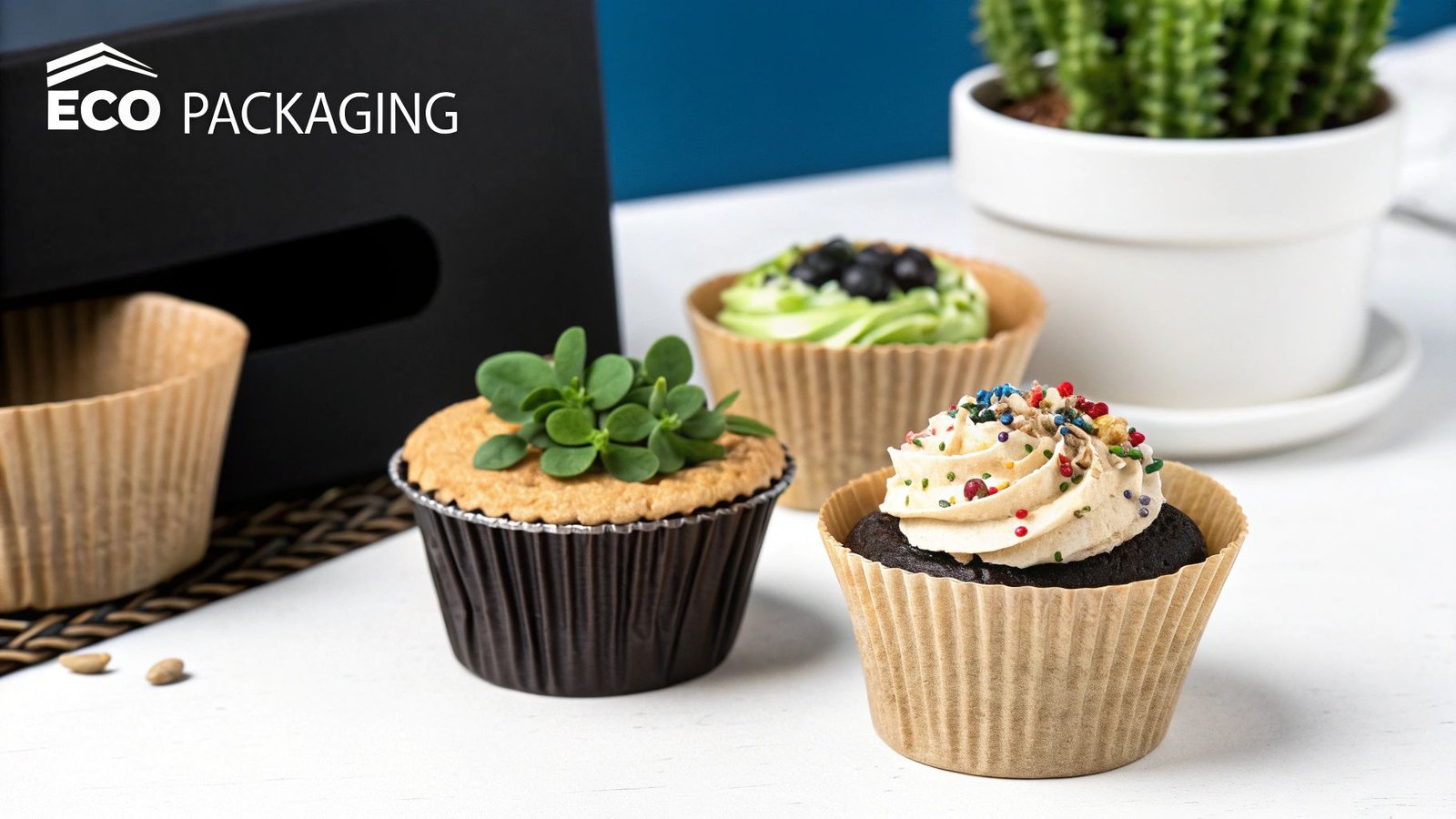
If you love baking and care about the environment, using compostable baking cups is a smart choice. But are you making the most out of them?
You might be surprised how small changes in how you use these cups can save you money, reduce waste, and keep your treats looking perfect. You’ll discover simple, practical tips that help you get the best results from your compostable baking cups every time.
Keep reading—your next batch of cupcakes will thank you!

Credit: www.amazon.com
Choosing The Right Compostable Cups
Compostable baking cups help reduce waste from baking. Choosing the right cups makes baking easier and eco-friendly.
Look at the material and size before buying compostable cups. These factors affect their use and composting ability.
Material Types And Benefits
Compostable cups come in different materials. Each type has benefits for baking and the environment.
- Bamboo fiber:Strong and heat resistant, good for moist cupcakes.
- Unbleached paper:Natural look and safe for the earth.
- Cornstarch-based:Biodegradable and compost quickly.
- Sugarcane bagasse:Durable and made from leftover plant fibers.
Choose a material that fits your baking needs and composting setup.
Size And Shape Considerations
Pick the right size for your baking cups to avoid spills or underfilled cups. Shape affects how easy it is to remove baked goods.
- Small sizes work well for mini cupcakes and snacks.
- Standard sizes fit most muffin trays and ovens.
- Wide cups give more room for toppings or fillings.
- Deep cups hold more batter without overflowing.
Check your baking pan size before buying cups. This helps save money and reduces waste.

Credit: www.amazon.com
Preparing Cups For Baking
Compostable baking cups need special care before baking. Preparing them well helps keep their shape and prevents mess.
Using the right techniques makes baking easier and results better. Let’s look at key tips for preparing these cups.
Greasing Techniques
Greasing compostable baking cups can stop sticking and keep baked goods whole. Use a light touch to avoid damage.
Oil or butter work well. Apply a thin layer with a brush or paper towel. Avoid too much grease to keep cups sturdy.
- Use vegetable oil or melted butter
- Apply a thin, even coat
- Use a pastry brush or paper towel
- Do not soak the cups
- Grease only the inside surface
Preventing Leakage
Compostable cups can leak if batter is too thin or cups are weak. Prepare cups to avoid spills in the oven.
Place cups on a baking tray or in a muffin pan for support. Avoid overfilling to keep batter inside the cups.
- Use a sturdy muffin pan or tray
- Do not fill cups more than two-thirds full
- Choose thicker batter to reduce leaks
- Check cups for tears before use
- Replace any damaged cups
Optimizing Baking Results
Using compostable baking cups can be a great way to bake more sustainably. To get the best results, you need to adjust your baking process a little.
Small changes in temperature and baking time help your treats bake evenly and look great. Here are some tips to help you bake efficiently with these cups.
Adjusting Oven Temperature
Compostable baking cups are thinner than regular paper or foil cups. They can brown faster and might burn if the oven is too hot. Lower your oven temperature by about 10 to 15 degrees Fahrenheit to prevent this.
- Set the oven 10–15°F lower than usual
- Use an oven thermometer to check the exact heat
- Place the baking tray in the center rack for even heat
- Avoid using the broil setting as it may burn the cups
Monitoring Baking Time
Because compostable cups heat differently, your baking time may change. Check your baked goods a few minutes before the usual time. Use a timer to avoid overbaking.
| Type of Baked Good | Usual Baking Time | Adjusted Baking Time with Compostable Cups |
| Muffins | 20–25 minutes | 18–22 minutes |
| Cupcakes | 18–22 minutes | 16–20 minutes |
| Mini Cakes | 25–30 minutes | 22–28 minutes |
Handling And Storage Tips
Compostable baking cups need careful handling to stay intact. Proper storage keeps them fresh and ready to use.
Follow simple steps to keep your baking cups in good condition for every baking session.
Proper Cooling Methods
Let baked goods cool fully before removing them from compostable cups. Warm items can break or stick.
Place the baking tray on a wire rack to allow air to flow underneath. This helps cool treats evenly.
- Do not cool in a humid area to avoid soggy cups
- Keep baked items inside the cups until fully cool
- Avoid stacking warm baked goods to prevent damage
Storing Leftovers Safely
Store leftover baked goods in airtight containers to keep them fresh longer. Compostable cups can absorb moisture.
Keep containers at room temperature or in the fridge based on the type of baked item.
- Do not leave leftovers exposed to air to avoid drying out
- Use plastic wrap or lids on storage containers
- Consume leftovers within a few days for best taste
Composting After Use
Compostable baking cups break down into natural materials. Composting them helps reduce waste and enrich soil.
It is important to compost these cups correctly. This keeps your compost healthy and avoids contamination.
Checking Compostability Standards
Look for official compostability labels on baking cups. These labels show the product meets certain rules.
Common standards include ASTM D6400 and EN 13432. These standards test how fast and fully products break down.
- Check for logos from recognized certification bodies
- Read product details to confirm compostable claims
- Avoid cups that only say “biodegradable” without proof
Best Practices For Home Composting
Break down baking cups before adding them to your compost bin. This speeds up decomposition.
Keep your compost moist and turn it regularly. These steps help microbes break down materials faster.
- Remove food residue from cups if possible
- Cut cups into smaller pieces before composting
- Mix cups with other green and brown compost materials
- Keep compost temperature warm for quicker breakdown
Credit: www.mrtakeoutbags.com
Troubleshooting Common Issues
Using compostable baking cups can be simple and eco-friendly. Sometimes, small problems happen during baking. Fixing these issues helps you get better results.
This guide covers two common problems: cup collapse and grease stains. Learn easy tips to avoid these issues.
Dealing With Cup Collapse
Cups can collapse if batter is too heavy or cups are weak. Using thick batter or overfilling the cups causes this.
Choose sturdy compostable cups and fill them only up to two-thirds. This helps keep the shape during baking.
- Pick cups labeled as heavy-duty or thick
- Do not overfill cups with batter
- Use lighter batters for better support
- Place cups on a muffin tin for stability
Avoiding Grease Stains
Grease stains happen when oil or butter soaks through cups. This can make baked goods look less appealing.
Use parchment-lined cups or choose cups with a grease-resistant coating. Also, cool baked goods before removing cups to reduce oil seepage.
- Use grease-resistant compostable cups
- Line cups with parchment paper if needed
- Let baked goods cool fully before removing cups
- Use less oil or butter in recipes
Frequently Asked Questions
What Are The Best Materials For Compostable Baking Cups?
Compostable baking cups are usually made from unbleached paper, bamboo fiber, or cornstarch. These materials break down naturally without harming the environment.
How Do I Store Compostable Baking Cups Properly?
Keep compostable baking cups in a cool, dry place. Avoid humidity to prevent them from sticking or losing shape before use.
Can Compostable Baking Cups Handle High Baking Temperatures?
Yes, most compostable baking cups withstand typical baking temperatures up to 400°F. Check packaging for specific temperature limits to avoid burning.
How Do I Dispose Of Compostable Baking Cups After Use?
Dispose of used compostable baking cups in a compost bin. They decompose naturally and help reduce landfill waste when composted correctly.
Conclusion
Using compostable baking cups helps reduce waste and protect nature. Choose the right size and type for your recipes. Store them in a dry place to keep their shape. Avoid overheating to prevent damage during baking. After use, compost or recycle them properly.
Small changes make a big difference over time. Start using these tips for a cleaner kitchen and planet. Simple steps lead to better baking and a greener world.