
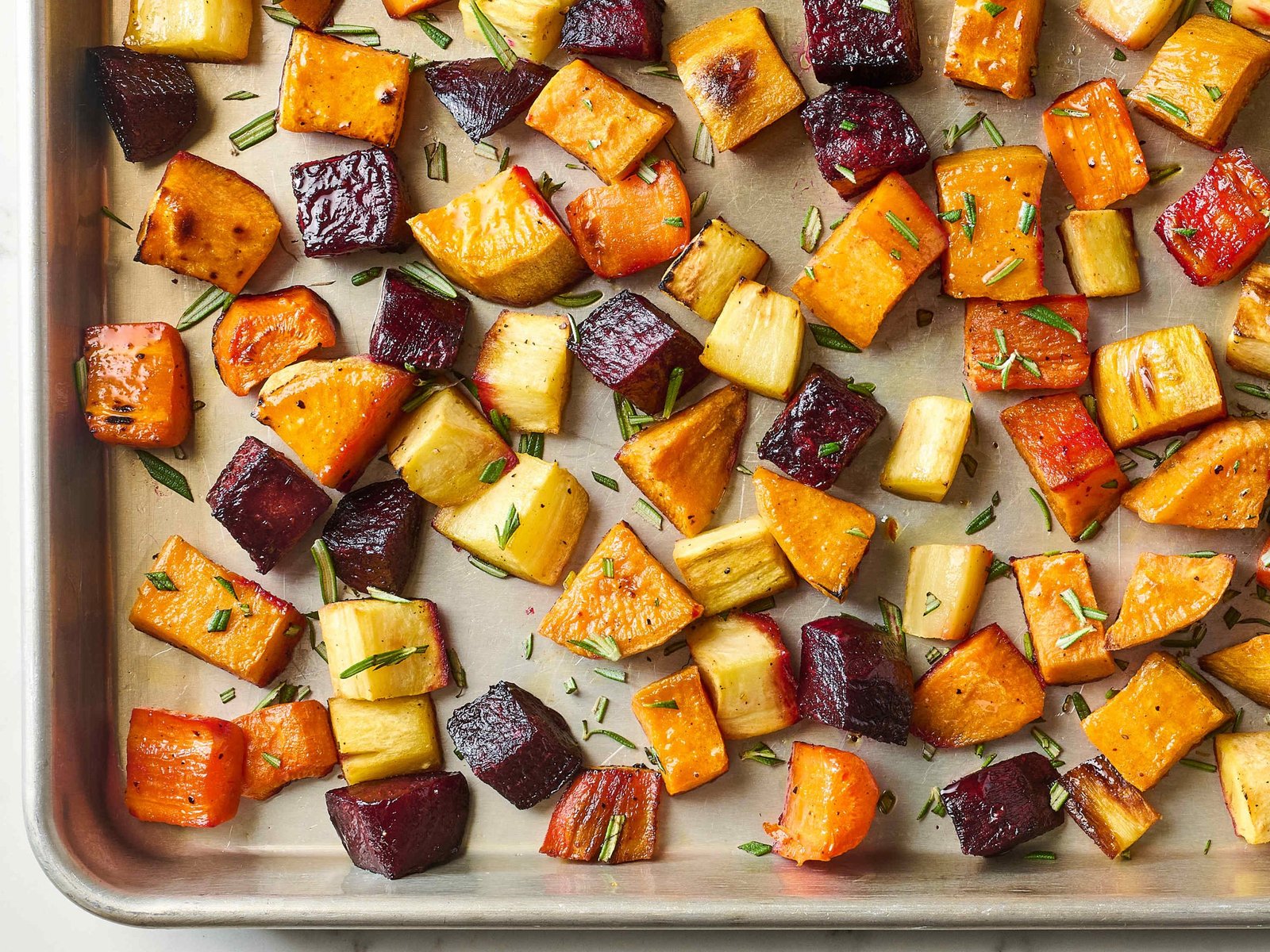
Roasting vegetables is one of the easiest ways to bring out their natural flavors. But have you ever ended up with some pieces burnt while others stay undercooked?
It can be frustrating when your veggies don’t cook evenly. The good news is, with a few simple tips, you can master the art of roasting vegetables perfectly every time. Keep reading, and you’ll discover how to get that golden, crispy texture you love—without any guesswork or wasted food.
Your next batch of roasted vegetables is about to become your favorite side dish.
Choosing The Right Vegetables
Roasting vegetables is simple if you pick the right ones. Some vegetables cook evenly and taste better when roasted.
Choosing vegetables that roast well helps you get a perfect texture and flavor every time.
Seasonal Selection
Seasonal vegetables taste fresher and roast better. They also have the best texture for cooking.
Look for vegetables that are in season to get the best flavor and even cooking.
- Spring: Asparagus, peas, new potatoes
- Summer: Zucchini, bell peppers, eggplant
- Fall: Butternut squash, carrots, Brussels sprouts
- Winter: Sweet potatoes, beets, parsnips
Color And Variety
Choose vegetables with different colors for a bright plate. Different colors mean different nutrients.
Mix firm vegetables with softer ones to help all pieces cook evenly.
- Red: Bell peppers, tomatoes, radishes
- Green: Broccoli, green beans, zucchini
- Orange/Yellow: Carrots, squash, sweet potatoes
- White: Cauliflower, onions, garlic

Credit: www.apurepalate.com
Preparing Vegetables For Roasting
Roasting vegetables brings out their natural flavors. Preparing them well helps them cook evenly.
Good preparation starts with cleaning and cutting. This step is important for tasty results.
Washing And Drying
Wash vegetables under cold running water. This removes dirt and pesticides.
After washing, dry them completely. Moisture can cause steaming instead of roasting.
- Use a salad spinner for leafy vegetables
- Pat root vegetables dry with a clean towel
- Make sure no water pools on the surface
Cutting Into Uniform Sizes
Cut vegetables into pieces that are the same size. This helps them cook at the same speed.
Uneven pieces can burn or stay raw. Use a sharp knife for clean cuts.
- Cut carrots and potatoes into similar cubes
- Slice zucchini and peppers evenly
- Keep thick and thin parts separate if needed
Enhancing Flavor With Seasonings
Roasting vegetables brings out their natural sweetness. Adding the right seasonings makes them taste even better. Simple herbs and spices can change the flavor a lot.
Oils and vinegars help seasonings stick to the vegetables. They also add their own tasty notes. Use them carefully to balance the flavors.
Basic Herbs And Spices
Start with simple herbs and spices. They add aroma and depth without overwhelming the vegetables. Common choices include thyme, rosemary, and garlic powder.
- Thyme: Works well with root vegetables and potatoes.
- Rosemary: Adds a pine-like flavor, great with carrots and squash.
- Garlic Powder: Gives a mild garlic taste without burning easily.
- Paprika: Adds color and a subtle smoky flavor.
- Black Pepper: Enhances all vegetable flavors.
Using Oils And Vinegars
Oils and vinegars carry seasonings and add richness or tang. Olive oil is popular for roasting. Vinegars like balsamic add a sweet and sour touch.
| Type | Flavor | Best Use |
| Olive Oil | Fruity, rich | All vegetables |
| Avocado Oil | Nutty, mild | High heat roasting |
| Balsamic Vinegar | Sweet and tangy | Drizzle before or after roasting |
| Apple Cider Vinegar | Sharp and fruity | Mix in marinades |
Optimal Roasting Temperatures
Roasting vegetables brings out their natural flavors. The right temperature helps cook them evenly. It also gives a perfect texture with crispy edges.
Choosing the best roasting temperature depends on the type of vegetable. It affects how fast they cook and how well they caramelize.
High Heat Benefits
Roasting at high heat, around 400°F to 450°F, has many benefits. It helps vegetables cook quickly and develop a golden-brown color. This creates a nice crunch while keeping the inside tender.
- Faster cooking time saves energy and effort.
- Better caramelization improves flavor and sweetness.
- Crispy edges add texture and appeal.
- Retains moisture inside the vegetable.
Adjusting For Different Vegetables
Different vegetables need different roasting temperatures and times. Hard vegetables take longer, while soft ones cook faster. Adjust heat and time to get even roasting.
| Vegetable Type | Suggested Temperature | Approximate Roasting Time |
|---|---|---|
| Root Vegetables (carrots, potatoes) | 425°F (220°C) | 30-40 minutes |
| Soft Vegetables (zucchini, bell peppers) | 400°F (205°C) | 15-20 minutes |
| Leafy Vegetables (kale, spinach) | 375°F (190°C) | 10-15 minutes |
| Cruciferous Vegetables (broccoli, cauliflower) | 425°F (220°C) | 20-25 minutes |
Utilizing Proper Cookware
Roasting vegetables evenly needs the right cookware. The tools you use affect how well your vegetables cook.
Choosing proper bakeware helps heat spread evenly. This stops some pieces from burning while others stay raw.
Choosing The Right Baking Sheet
Pick a baking sheet that is flat and has low edges. This allows heat to reach all sides of the vegetables.
A heavy, thick baking sheet holds heat well. It cooks vegetables evenly and prevents hot spots.
- Look for sturdy metal sheets like aluminum or stainless steel
- Avoid thin or warped baking sheets
- Low edges help air circulate around vegetables
Importance Of Non-stick Surfaces
Non-stick surfaces stop vegetables from sticking to the pan. This helps them cook evenly and keeps their shape.
You can use non-stick baking sheets or line regular sheets with parchment paper. Both prevent sticking and make cleanup easy.
- Non-stick pans reduce the need for extra oil
- Vegetables roast better without sticking and tearing
- Parchment paper is a good option for easy cleanup
Arranging Vegetables On The Tray
Roasting vegetables evenly makes them taste better and cook well. How you place them on the tray affects this.
Here are some tips to arrange your vegetables for the best results in the oven.
Avoiding Overcrowding
Do not put too many vegetables close together. Overcrowding traps steam and makes veggies soggy.
- Use a large tray to give space between pieces
- Leave at least 1 inch of space around each vegetable
- Roast in batches if you have many vegetables
- Use multiple trays if needed for better air flow
Strategic Placement For Even Cooking
Place vegetables by size and cooking time. This helps all pieces cook evenly.
| Vegetable Type | Placement on Tray | Cooking Tip |
| Root vegetables (carrots, potatoes) | Edges of the tray | They take longer to cook |
| Soft vegetables (zucchini, tomatoes) | Center of the tray | They cook faster and need less heat |
| Green vegetables (broccoli, asparagus) | Near soft vegetables | They cook quickly but need crispness |
Monitoring Cooking Time
Roasting vegetables evenly needs careful time monitoring. Cooking time affects texture and flavor.
Checking time helps avoid burnt or undercooked vegetables. It keeps your dish just right.
Importance Of Checking Doneness
Checking doneness ensures vegetables are cooked through but not mushy. It keeps a good bite.
Different vegetables cook at different speeds. Regular checks help catch the perfect moment.
- Use a fork to test softness
- Look for golden brown edges
- Check for even color all around
Using A Timer For Precision
A timer helps you cook vegetables for the right amount of time. It prevents overcooking.
Set the timer when vegetables go in the oven. Check them as soon as the timer rings.
- Set different timers for various vegetables
- Use short intervals to check doneness
- Adjust time based on vegetable size
:max_bytes(150000):strip_icc()/Why-You-Should-Roast-a-Pan-of-Summer-Veggies-Every-Week-According-to-a-Food-Editor-cb2f8999c6f847c78f86d5e67a41b41b.jpg)
Credit: www.eatingwell.com
Techniques For Crispy Textures
Roasting vegetables with a crispy texture makes them tastier. You need the right methods to get crunch without burning.
This guide covers two simple ways to make vegetables crispier in the oven.
Adding Cornstarch Or Flour
Sprinkling cornstarch or flour on vegetables before roasting helps absorb moisture. This creates a dry surface that crisps well.
- Lightly toss vegetables in a small amount of cornstarch or flour.
- Make sure to coat evenly but do not overdo it.
- Use oil to help the coating stick and brown nicely.
- Roast at a high temperature to get a crunchy outside.
Final Broil For Crunch
Broiling at the end of roasting adds extra crispness. It browns the edges quickly and makes vegetables crunchy.
| Tips for Final Broil | Details |
| Timing | Broil for 2 to 4 minutes at the end of roasting |
| Watch Closely | Vegetables can burn fast under broil |
| Distance from Heat | Place the rack 4-6 inches from the broiler |
| Use Oil | Coat vegetables lightly to improve browning |
Post-roasting Finishing Touches
Roasting vegetables brings out deep flavors and a nice texture. After roasting, adding finishing touches can lift the dish even more.
Simple additions like herbs or citrus juice brighten the taste. These small steps make roasted vegetables more delicious and fresh.
Adding Fresh Herbs
Fresh herbs add color and flavor after roasting. They keep their aroma and give the vegetables a fresh taste.
- Chop parsley, cilantro, or basil finely
- Sprinkle herbs over warm vegetables
- Toss gently to mix herbs evenly
- Add delicate herbs like dill or tarragon last
- Use fresh rosemary or thyme for a strong flavor
Squeezing Citrus For Brightness
Citrus juice adds a fresh, tangy note that balances roasted flavors. Lemon, lime, or orange juice works well.
| Citrus Fruit | Flavor Profile | Best Use |
|---|---|---|
| Lemon | Bright and tart | All roasted vegetables |
| Lime | Sharp and slightly sweet | Root vegetables and squash |
| Orange | Sweet and zesty | Carrots and sweet potatoes |

Credit: www.andersonandgrant.com
Frequently Asked Questions
How Do I Cut Vegetables For Even Roasting?
Cut vegetables into uniform pieces to ensure they roast evenly. Similar sizes cook at the same rate, preventing undercooking or burning.
What Temperature Is Best For Roasting Vegetables?
Roast vegetables at 400°F to 425°F (200°C to 220°C). This range caramelizes veggies well without drying them out.
Should I Toss Vegetables During Roasting?
Yes, toss vegetables halfway through roasting. It promotes even browning and prevents sticking to the pan.
Is Oil Necessary For Roasting Vegetables?
Using oil helps vegetables roast evenly and develop a crispy texture. Lightly coat them to avoid sogginess.
Conclusion
Roasting vegetables evenly makes them taste better and cook well. Cut vegetables into similar sizes for even cooking. Spread them out on the baking sheet to avoid crowding. Use the right oven temperature to get a nice roast. Turn vegetables halfway through cooking for uniform color.
Simple steps lead to tasty, perfectly roasted vegetables every time. Try these tips in your next meal and enjoy the difference. Cooking can be easy and fun with small changes.