

If you love cooking with enamel-coated cookware, you know how important it is to keep it spotless and shining. But cleaning these pots and pans can sometimes feel tricky, especially when stubborn stains or burnt food stick to the surface.
What if there was a simple way to make your enamel cookware look brand new again? You’ll discover easy, effective tips that protect your cookware while making cleaning faster and less frustrating. Ready to learn how to care for your favorite kitchen tools like a pro?
Let’s get started!
Importance Of Cleaning Enamel Cookware
Enamel-coated cookware looks beautiful and cooks food well. Keeping it clean helps it last longer.
Proper cleaning also keeps your food safe and tasty. Dirt or stains can affect the flavor and quality.
Prevents Damage And Stains
Cleaning enamel cookware stops stains from building up. Stains can cause the enamel to chip or crack.
Removing food residue quickly helps keep the smooth surface shiny and new.
Keeps Cookware Safe And Hygienic
Old food or grease can grow bacteria. Proper cleaning removes these and keeps the cookware safe.
- Use warm soapy water to wash after use
- Rinse thoroughly to remove soap
- Dry completely before storing
- Avoid abrasive scrubbers that can scratch
Maintains Cooking Performance
Clean enamel cookware heats evenly. Dirt or burnt food can cause uneven heating and affect cooking.
| Effect | Cause | Result |
| Uneven Heat | Burnt food residue | Food cooks unevenly |
| Surface Damage | Harsh cleaning tools | Chips and cracks in enamel |
| Bad Odors | Old grease | Unpleasant smell during cooking |
Extends Cookware Life
Regular cleaning stops damage and wear. Your enamel cookware stays useful for many years.
Tip:Avoid metal utensils to protect the enamel surface during cooking and cleaning.
Credit: arinaphotography.com
Basic Cleaning Supplies
Cleaning enamel-coated cookware is easy with the right supplies. Using gentle tools helps protect the enamel surface.
Gather basic items before you start to make the process smooth and safe for your cookware.
Soft Sponge Or Cloth
Use a soft sponge or cloth to clean enamel cookware. Avoid rough scrubbers that can scratch the surface.
A soft sponge removes food residue without damaging the enamel coating.
Mild Dish Soap
Choose a mild dish soap for cleaning enamel cookware. Strong chemicals can wear down the enamel.
Mild soap cleans grease and stains gently and effectively.
Warm Water
Use warm water to soak and rinse your cookware. It loosens stuck food without harming the enamel.
Warm water works best with mild soap for cleaning.
Non-abrasive Scrubber
Pick a non-abrasive scrubber for tougher stains. It helps clean without scratching the surface.
- Plastic scrubbers
- Soft nylon brushes
- Melamine sponges (use gently)
Baking Soda
Baking soda works as a gentle cleaner for enamel cookware. It removes stains and odors safely.
Mix baking soda with water to form a paste. Use it for scrubbing stubborn spots.
Routine Cleaning Steps
Cleaning enamel-coated cookware properly helps keep it in good condition. Follow simple steps to clean your pots and pans safely.
Use gentle methods to protect the enamel surface and keep your cookware looking new for a long time.
Cool Down The Cookware
Let the cookware cool before cleaning. Sudden temperature changes can crack the enamel. Avoid rinsing hot cookware under cold water.
Hand Wash With Mild Detergent
Wash your enamel cookware by hand using warm water and a mild detergent. This helps remove grease and food residues gently.
- Fill the sink with warm water and add mild dish soap.
- Use a soft sponge or cloth to clean the surface.
- Rinse thoroughly with warm water.
- Dry with a soft towel to prevent water spots.
Avoid Abrasive Materials
Do not use steel wool, metal scrubbers, or harsh scouring pads. These can scratch and damage the enamel coating.
| Material | Safe to Use |
|---|---|
| Soft sponge or cloth | Yes |
| Plastic scrubber | Yes |
| Steel wool | No |
| Metal scouring pad | No |
Credit: arinaphotography.com
Tackling Tough Stains
Cleaning enamel-coated cookware can be tricky when stains stick hard. These stains come from burnt food or leftover grease. Using the right methods can restore your cookware’s shine.
This guide shows simple ways to remove tough stains safely. Each method uses common household items that protect the enamel surface.
Using Baking Soda Paste
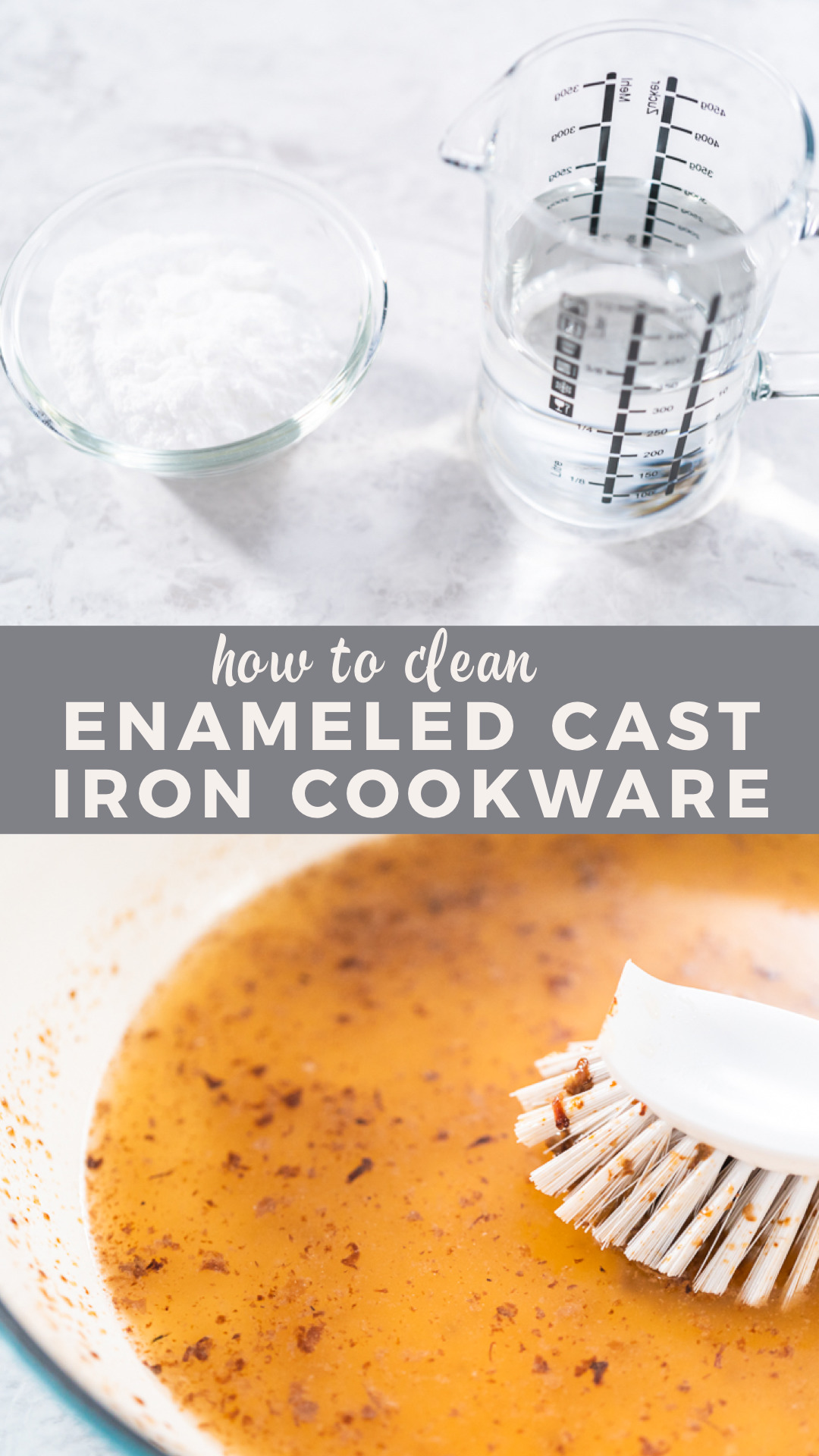
Baking soda is gentle yet effective for removing stains. It works by breaking down burnt food without scratching enamel.
- Mix three parts baking soda with one part water to form a paste.
- Apply the paste over the stained areas of your cookware.
- Let it sit for 15 to 20 minutes to loosen the stains.
- Gently rub the paste with a soft cloth or sponge.
- Rinse thoroughly with warm water and dry your cookware.
Vinegar And Water Soak
Vinegar helps dissolve mineral deposits and food stains. Soaking your cookware in vinegar and water softens tough spots.
| Ingredient | Amount |
| White vinegar | 1 cup |
| Water | 2 cups |
Mix vinegar and water in your cookware. Let it soak for 30 minutes, then rinse and wipe stains away.
Gentle Scrubbing Techniques
Scrubbing can remove stains but use soft tools. Avoid steel wool or harsh brushes that can damage enamel.
Follow these tips for safe scrubbing:
- Use a soft sponge or nylon scrubber.
- Apply light pressure and circular motions.
- Rinse often to check progress and prevent scratching.
- Dry cookware with a soft cloth after cleaning.
Maintaining The Enamel Finish
Enamel-coated cookware looks great and lasts long when you take good care of it. The enamel finish protects the metal underneath and keeps food from sticking.
Cleaning and handling enamel cookware the right way keeps the surface smooth and shiny. This guide helps you keep the enamel finish in top shape.
Proper Storage Tips
Store enamel cookware carefully to avoid chips and cracks. Keep pots and pans separate or use soft cloths between them.
Stacking enamel pieces without protection can cause scratches. Find a dry, cool place for your cookware.
- Use soft cloths or paper towels between stacked items
- Store in a dry area to prevent rust on exposed metal
- Avoid damp places to protect the enamel surface
Avoiding High Heat Exposure
Enamel can crack or discolor if exposed to very high heat. Use low to medium heat for cooking.
Do not heat an empty enamel pan for long times. This can damage the finish and reduce the cookware’s lifespan.
- Use medium or low heat settings
- Do not preheat empty cookware
- Avoid sudden temperature changes, like cold water on hot pans
Using The Right Utensils
Choose utensils that will not scratch the enamel surface. Wooden, silicone, or plastic tools work best.
Avoid metal utensils that can chip or scratch the enamel. Gentle use helps keep the finish smooth and intact.
- Use wooden spatulas and spoons
- Choose silicone or plastic cooking tools
- Do not use metal forks or knives inside enamel cookware
Common Mistakes To Avoid
Enamel-coated cookware looks beautiful and lasts a long time. Cleaning it the wrong way can damage its surface. Avoiding common mistakes helps keep your cookware shiny and safe.
Here are some mistakes many people make when cleaning enamel-coated pots and pans. Learn what to avoid to protect your cookware.
Using Abrasive Cleaners
Abrasive cleaners can scratch the enamel surface. Scratches make your cookware look dull and can cause chips over time.
Use gentle cleaners and soft sponges instead of steel wool or rough pads. This keeps the enamel smooth and intact.
Soaking Cookware For Too Long
Leaving enamel cookware soaking for hours can weaken the coating. Water can seep under the enamel and cause damage.
Soak cookware only for short times to loosen food. Wash and dry it quickly after soaking.
Using Metal Utensils To Scrape Food
Metal utensils can chip or scratch the enamel coating. Chips reduce the cookware’s lifespan and can cause rust.
Use wooden, silicone, or plastic utensils to protect the surface while cleaning or cooking.
Exposing Cookware To Sudden Temperature Changes
Putting hot enamel cookware into cold water can cause cracking. The enamel may break from sudden temperature shocks.
Let cookware cool down before washing. Avoid rapid temperature changes to keep the enamel strong.
Ignoring Stains And Burnt Food
Leaving stains or burnt food to sit can make cleaning harder. Stains may become permanent if ignored.
Clean stains and burnt spots soon after cooking. Use gentle scrubbing and warm water to remove residue.
Using Harsh Chemicals
Strong chemicals can damage the enamel coating. They may cause discoloration or weaken the surface.
Stick to mild dish soap and natural cleaners like baking soda for safe cleaning.
Benefits Of Well-maintained Cookware
Keeping enamel-coated cookware clean helps it last longer. Good care keeps the cookware looking new and working well.
Well-maintained cookware also makes cooking safer and more enjoyable. It prevents food from sticking and burning.
Improved Cooking Performance
Clean cookware heats evenly and cooks food better. Dirt and stains can cause uneven heat and affect taste.
Regular cleaning keeps the enamel smooth. This stops food from sticking and makes cooking easier.
Longer Cookware Lifespan
Cleaning enamel-coated pots and pans prevents damage. Dirt and residue can wear down the coating over time.
Good care helps the cookware stay strong. It saves money by reducing the need to replace old pieces.
Better Health And Safety
Keeping cookware clean stops bacteria from growing. This makes your meals safer to eat.
Removing burnt food and stains also prevents harmful chemicals from forming during cooking.
Enhanced Appearance
Well-maintained enamel cookware looks shiny and new. Clean surfaces brighten your kitchen and make cooking more fun.
Regular cleaning removes stains and keeps colors fresh. This helps your cookware stay attractive for years.

Credit: www.reddit.com
Frequently Asked Questions
How Do I Remove Stains From Enamel Cookware?
Use a paste of baking soda and water to scrub stains gently. Avoid abrasive tools to prevent damage. Rinse thoroughly and dry with a soft cloth.
Can I Use Bleach On Enamel-coated Cookware?
No, bleach can damage the enamel surface. Instead, opt for mild dish soap and warm water for cleaning. Always rinse well afterward.
What Is The Best Way To Clean Burnt Enamel Pans?
Soak the pan in warm soapy water for 15-20 minutes. Use a non-abrasive sponge or nylon brush to remove burnt residue. Avoid metal scrubbers.
How Often Should I Clean Enamel Cookware?
Clean enamel cookware after every use to prevent buildup. Regular cleaning keeps the surface smooth and prolongs its lifespan. Always dry it completely.
Conclusion
Cleaning enamel-coated cookware is simple with the right steps. Use gentle scrubbers and mild soap to protect the surface. Avoid harsh chemicals that can damage the enamel finish. Soak stubborn stains in warm water before scrubbing. Dry the cookware completely to prevent rust.
Regular cleaning helps your cookware last longer and stay beautiful. Keep these tips in mind for easy, safe cleaning every time. Your enamel cookware will look great and work well for years. A little care goes a long way!