
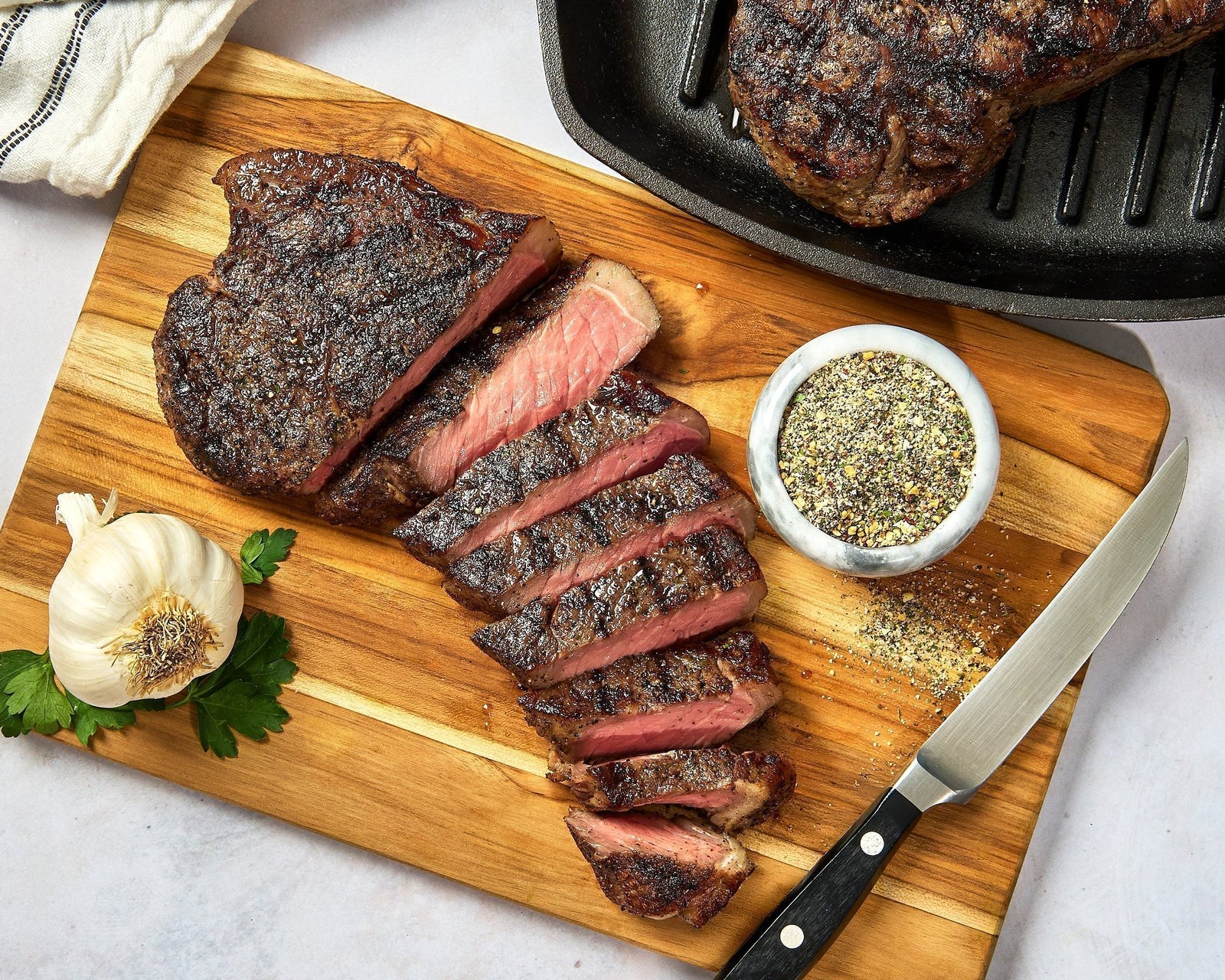
Cooking the perfect steak can be tricky, especially when using a skillet. You want it juicy, tender, and cooked evenly from edge to edge.
But how do you make sure your steak doesn’t end up burnt on one side and undercooked on the other? You’ll discover simple, practical tips that will help you master the art of cooking steak evenly right on your stovetop.
Get ready to impress yourself—and anyone you’re cooking for—with a steak that’s cooked just the way you like it. Keep reading to unlock the secrets to skillet steak success!

Credit: steakrevolution.com
Choosing The Right Cut
Cooking steak evenly in a skillet starts with picking the right cut. Different cuts cook at different speeds.
Some cuts are thicker or have more fat. This changes how they cook and taste.
Choose Cuts With Even Thickness
Steaks that are thick and even cook better in a skillet. Thin or uneven steaks can cook too fast on one side.
Look for cuts like ribeye or sirloin that have a uniform thickness. This helps heat spread evenly.
Select Cuts With Good Marbling
Marbling means fat inside the meat. This fat melts while cooking and adds flavor and juiciness.
Choose cuts like ribeye or strip steak for good marbling. These cuts stay tender and cook evenly.
Avoid Very Lean Cuts For Skillet Cooking
Lean cuts like flank or round steak cook quickly and can become tough. They need careful attention in the skillet.
These cuts work better for slow cooking or marinating before cooking.
Consider Bone-in Vs. Boneless Cuts
Bone-in steaks take longer to cook because the bone absorbs heat. This can help cook the steak evenly.
Boneless cuts heat faster and are easier to flip. Choose based on how much time you have and your cooking style.
Preparing The Steak
Cooking a steak evenly starts before it hits the skillet. Proper preparation helps the steak cook well and taste better.
This guide covers key steps in preparing your steak for skillet cooking. Focus on thawing and seasoning to get the best results.
Thawing Techniques
Thawing steak the right way keeps its texture and flavor. Avoid cooking frozen or partially thawed steak for even cooking.
- Move the steak from freezer to fridge the night before cooking.
- Let the steak rest in the fridge for 12 to 24 hours to thaw fully.
- Avoid quick thawing in warm water as it can cause uneven texture.
- If pressed for time, use a sealed bag and cold water, changing water every 30 minutes.
Seasoning Tips
Seasoning adds flavor and can help form a nice crust. Apply seasoning just before cooking for best results.
| Seasoning Type | When to Apply | Effect |
| Salt | Right before cooking | Enhances flavor and draws moisture |
| Pepper | Before cooking | Adds a spicy aroma and taste |
| Dry Rubs | 15 minutes before cooking | Creates a flavorful crust |
| Marinades | 1 to 4 hours before cooking | Tenders and adds deep flavor |
Selecting The Skillet
Choosing the right skillet helps cook steak evenly. The skillet affects heat distribution and cooking speed.
Knowing what to look for in a skillet can improve your steak results. Two key aspects are material and size.
Material Considerations
Skillet material controls how heat spreads and holds. Some materials heat evenly, others can cause hot spots.
- Cast Iron:Holds heat well and cooks steak evenly. Requires seasoning.
- Stainless Steel:Durable and heats quickly. May need oil to prevent sticking.
- Non-stick:Easy to clean but may not get very hot for good searing.
- Copper:Heats very fast and evenly but is expensive and needs polishing.
Size And Shape
Pick a skillet size that fits your steak and stovetop. Too small means crowding; too large wastes heat.
| Skillet Size | Best For | Notes |
| 8-inch | Small steaks or one piece | Easy to handle but limited space |
| 10-inch | Most steaks, 1-2 pieces | Good heat retention and space |
| 12-inch | Multiple steaks or larger cuts | More cooking area, needs bigger burner |
Preheating The Skillet
Preheating the skillet is important for cooking steak evenly. It helps the meat cook at the right temperature from the start.
If the skillet is not hot enough, the steak may stick or cook unevenly. A properly heated skillet creates a nice sear.
Temperature Guidelines
Heat your skillet over medium-high heat before adding the steak. The skillet should be hot enough to sizzle the meat on contact.
A temperature around 400°F (204°C) works well for most skillets. Use an infrared thermometer if you have one to check the surface heat.
- Too low heat causes the steak to cook slowly and unevenly.
- Too high heat can burn the outside before the inside cooks.
- Preheating ensures a golden-brown crust and juicy inside.
Oil Selection
Choose an oil with a high smoke point to avoid burning. This keeps the skillet hot without smoking too much.
Oils like canola, avocado, or grapeseed oil work best for cooking steak in a skillet.
- Olive oil has a lower smoke point and may burn quickly.
- Butter adds flavor but should be added after searing.
- Use enough oil to coat the skillet lightly for even cooking.
Cooking Techniques
Cooking steak evenly in a skillet takes some skill and attention. Using the right techniques helps you get a perfect cook.
This guide covers key tips to improve your steak cooking skills. You will learn how to sear, manage heat, and turn the steak.
Searing For Crust
Searing creates a brown crust on the steak. It locks in juices and adds flavor. Use a hot skillet for best results.
Pat the steak dry before cooking. Add a little oil to the pan. Place the steak in the pan without moving it for several minutes.
- Use high heat to start
- Do not overcrowd the pan
- Let the steak form a crust before flipping
Managing Heat Levels
Controlling the skillet temperature helps cook the steak evenly. Too hot burns the outside and leaves the inside raw.
Start with high heat to sear, then lower the heat to cook through. Adjust heat based on steak thickness and stove type.
- Begin with high heat for crust
- Reduce heat to medium or medium-low after searing
- Use a thermometer to check temperature
Turning The Steak
Flip the steak carefully to cook both sides evenly. Avoid flipping too often. Turn only once or twice during cooking.
Use tongs, not a fork, to keep juices inside. Let the steak rest briefly after cooking to keep it tender.
- Flip steak once after searing one side
- Use tongs to avoid piercing the meat
- Rest steak for 5 minutes before serving

Credit: www.kitchenparade.com
Testing For Doneness
Cooking a steak evenly takes attention to how done it is inside. Testing for doneness helps you avoid overcooking or undercooking.
There are simple ways to check if your steak is cooked right. You can use tools or your senses to find out.
Using A Meat Thermometer
A meat thermometer gives a clear reading of the steak’s temperature inside. It tells you if the steak is rare, medium, or well done.
| Doneness | Internal Temperature (°F) |
| Rare | 120-125 |
| Medium Rare | 130-135 |
| Medium | 140-145 |
| Medium Well | 150-155 |
| Well Done | 160+ |
Insert the thermometer into the thickest part of the steak. Avoid touching bone or fat for a correct reading.
Visual And Touch Indicators
You can also check steak doneness by looking and feeling. These signs help when you don’t have a thermometer.
- Color:Rare steaks are red inside. Medium steaks are pink. Well-done steaks are brown or gray.
- Juices:Clear juices mean the steak is well done. Red or pink juices show less doneness.
- Touch:Press the steak with your finger or tongs. Soft and squishy means rare. Firm means well done.
Practice feeling the steak to get better at judging doneness by touch over time.
Resting The Steak
Resting a steak after cooking is very important. It lets the juices settle inside the meat.
If you cut the steak too soon, the juices will spill out. This makes the steak dry and less tasty.
Timing For Juiciness
Rest your steak for the right amount of time to keep it juicy. The time depends on the steak’s size and thickness.
- Small steaks: rest for about 5 minutes.
- Medium steaks: rest for 7 to 10 minutes.
- Large steaks: rest for 10 to 15 minutes.
Retaining Heat
Keep your steak warm while resting. Cover it loosely with foil to hold heat but avoid steaming.
| Method | Effect |
| Cover with foil | Retains heat without overcooking |
| Place on warm plate | Keeps temperature steady |
| Do not stack steaks | Prevents uneven cooling |
Serving Suggestions
Cooking steak evenly in a skillet is just the first step. Serving it with the right sides and sauces makes the meal complete. This guide helps you pick great pairings and garnishes to enjoy your steak fully.
Simple additions can enhance the steak’s flavor. Choose sides and sauces that balance the richness of the meat. Garnishes add color and freshness to your plate.
Pairing With Sides
Steak pairs well with many classic and fresh sides. Vegetables, starches, and salads add texture and taste. Pick sides that match your mood and occasion.
- Roasted or steamed asparagus for a light touch
- Garlic mashed potatoes for creamy comfort
- Grilled mushrooms to add earthiness
- Simple green salad with vinaigrette for freshness
- Sweet corn on the cob for a summer feel
- Caramelized onions to add sweetness
Sauce And Garnish Ideas
Sauces bring extra flavor and moisture to steak. Choose classic or creative sauces to fit your taste. Fresh garnishes add color and a hint of flavor.
- Classic peppercorn sauce for a spicy kick
- Garlic butter melted on top for richness
- Chimichurri sauce for a fresh, herb taste
- Mushroom cream sauce for deep flavor
- Fresh parsley or thyme sprigs for color
- Thin lemon wedges for a bright touch

Credit: jazz-leaf.com
Frequently Asked Questions
How Do I Prevent Steak From Cooking Unevenly?
Use a heavy skillet and preheat it well. Cook steak on medium-high heat. Flip only once to ensure even cooking.
What Is The Best Skillet For Cooking Steak Evenly?
Cast iron skillets are ideal. They retain heat well, distributing it evenly for a perfect sear and consistent cooking.
Should I Let Steak Rest After Cooking In Skillet?
Yes, resting allows juices to redistribute. Let steak rest 5-10 minutes for tender, juicy results.
How Thick Should Steak Be For Even Skillet Cooking?
Choose steaks about 1 to 1. 5 inches thick. This thickness cooks evenly without burning or undercooking.
Conclusion
Cooking steak evenly in a skillet takes practice and patience. Use the right heat and give the steak time to cook on each side. Flip the steak only once for the best results. Let the meat rest before cutting to keep it juicy.
These simple tips help you enjoy a tasty, well-cooked steak every time. Keep trying, and you will get better with each attempt. A delicious steak is worth the effort.