
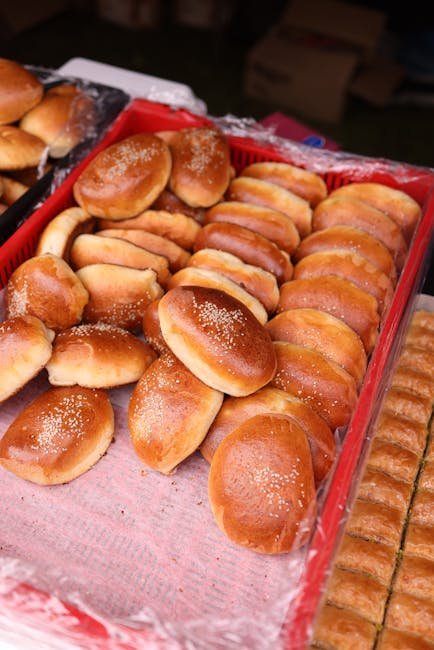
Have you ever bitten into a bread roll that was soft, fluffy, and simply melt-in-your-mouth? Imagine making those perfect rolls right in your own kitchen.
Soft bread rolls can turn any meal into a special occasion, but getting that tender texture isn’t always easy. What if you could learn simple tips and tricks to bake rolls that stay soft longer and taste amazing every time?
Keep reading, because you’re about to discover how to transform your baking and enjoy irresistibly soft bread rolls that everyone will love.
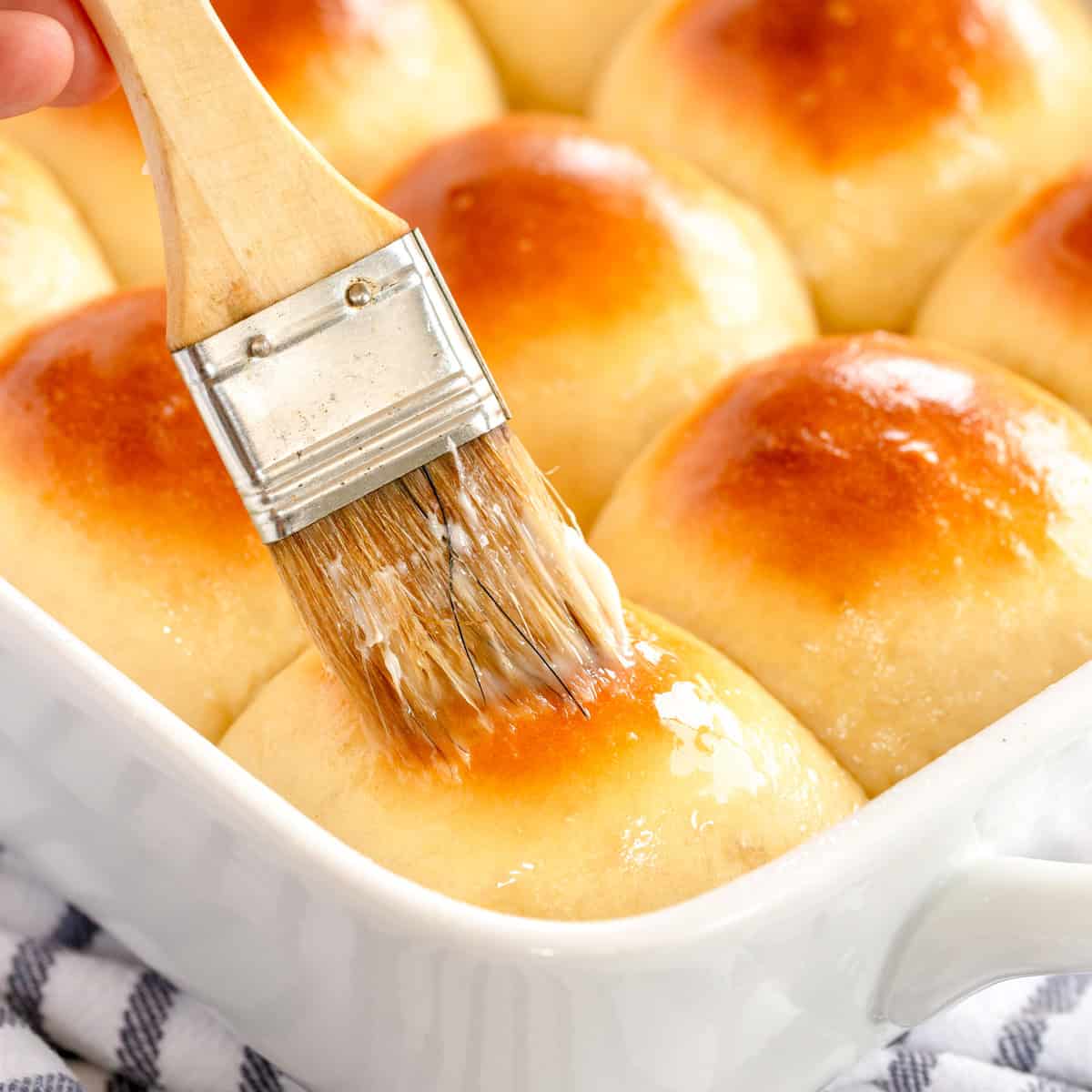
Credit: www.kyleecooks.com
Choosing The Right Ingredients
Baking soft bread rolls starts with picking the right ingredients. The type and quality of ingredients affect the texture and taste.
Using fresh and suitable ingredients helps to make rolls soft and fluffy every time.
Flour Selection
Flour is the main ingredient in bread rolls. Choose flour with the right protein content for soft rolls.
All-purpose flour or bread flour work well. Bread flour has more protein, which helps gluten form and creates a chewy texture.
- All-purpose flour: good for soft texture
- Bread flour: stronger gluten, slightly chewier
- Soft wheat flour: less protein, very tender rolls
Yeast Types
Yeast makes the dough rise and creates air pockets inside the rolls. Choose yeast that fits your baking time and style.
Active dry yeast and instant yeast are common. Instant yeast works faster, so you can bake rolls quicker.
- Active dry yeast: needs to be dissolved in water first
- Instant yeast: mixes directly with dry ingredients
- Fresh yeast: moist and perishable, but good flavor
Essential Add-ins
Add ingredients that keep bread rolls soft and tasty. These add moisture and improve texture.
Butter, milk, and eggs help make soft bread rolls. Sugar feeds the yeast and adds slight sweetness.
- Butter or oil: adds softness and flavor
- Milk: tenderizes the dough
- Eggs: enrich the dough and add color
- Sugar: helps yeast grow and sweetens rolls
- Salt: controls yeast and adds flavor

Credit: www.youtube.com
Mastering The Dough
Baking soft bread rolls starts with the dough. The way you knead and check the dough affects the final texture. Soft rolls come from careful dough handling.
Two key parts are kneading the dough properly and knowing the right dough consistency. These steps build gluten and trap air for soft rolls.
Proper Kneading Techniques
Kneading helps develop gluten strands, which give bread its structure and softness. Use the right method to avoid tough rolls.
- Press the dough with the heel of your hand.
- Fold the dough over and push down again.
- Turn the dough slightly and repeat the process.
- Knead for about 8 to 10 minutes until smooth.
- Stop when dough feels soft, elastic, and slightly tacky.
Optimal Dough Consistency
Good dough consistency is soft but not sticky. It should hold its shape and bounce back when pressed.
| Consistency | Description | How to Check |
|---|---|---|
| Sticky | Dough sticks to your fingers and surface. | Add a little flour and knead again. |
| Dry | Dough cracks or breaks when stretched. | Add a small amount of water carefully. |
| Perfect | Soft, smooth, and slightly tacky but not sticky. | Press with a finger; it springs back slowly. |
The Importance Of Proofing
Proofing is a vital step in baking soft bread rolls. It allows the dough to rise and develop flavor.
Proper proofing makes the bread light, airy, and soft. Skipping this step can make rolls dense and tough.
Ideal Proofing Conditions
Dough needs a warm and humid place to rise well. The right conditions help yeast grow and create gas bubbles.
Too hot or too cold can stop the yeast from working. Aim for a temperature between 75°F and 85°F (24°C to 29°C).
- Keep dough covered to keep moisture in
- Avoid drafts that cool the dough
- Use a proofing box, warm oven, or microwave with a cup of hot water
- Check the dough every 20 minutes to avoid over-proofing
Signs Of Properly Proofed Dough
Well-proofed dough looks bigger and feels soft. It should double in size from the original.
Press the dough gently with your finger. If the indentation springs back slowly, it is ready for baking.
- Dough volume doubles in size
- Surface is smooth and slightly domed
- Indentation stays but slowly fills back
- Dough feels soft and airy
Shaping The Rolls
Shaping bread rolls well helps them bake evenly. Good shaping makes rolls soft and nice.
Focus on how you roll and size each piece. These steps improve texture and look.
Effective Rolling Methods
Roll dough gently to keep air inside. Too much pressure makes rolls tough.
Use your hands to tuck edges under the roll. This creates a smooth top.
- Lightly flour your surface to stop sticking
- Roll the dough into a ball shape
- Tuck edges tightly underneath
- Press rolls gently to keep shape
Uniform Size Tips
Cut dough into equal parts for even baking. Different sizes cook unevenly.
Use a kitchen scale to weigh dough pieces. This keeps all rolls the same size.
- Divide dough into equal pieces by weight
- Shape pieces into smooth balls
- Place rolls evenly spaced on the tray
- Check size before baking
Baking For Softness
Baking soft bread rolls needs careful control of heat and time. The right method keeps rolls tender and light.
Soft rolls have a fine crumb and a thin crust. This comes from good temperature, timing, and moisture.
Temperature And Timing
Use moderate oven temperature to keep the rolls soft. High heat makes crust thick and hard.
Baking time should be just enough to cook the inside. Too long dries out the bread.
- Set oven to 350°F (175°C) for soft crust
- Bake rolls for 15 to 20 minutes
- Check rolls early to avoid overbaking
Steam Techniques
Steam in the oven helps keep the crust soft. It stops the crust from hardening too fast.
Use steam for the first 5 to 10 minutes of baking. This adds moisture and improves softness.
- Place a tray with water in the oven bottom
- Spray water inside the oven before baking
- Cover rolls with a damp cloth after baking
Post-baking Care
Taking care of bread rolls after baking keeps them soft and fresh. Proper steps can stop them from drying out.
Cooling and storing bread rolls correctly helps maintain their softness and taste for longer.
Cooling Strategies
Cool bread rolls on a wire rack to let air flow around them. This stops moisture buildup and sogginess.
Do not cover the rolls while they are hot. Covering traps steam and makes the crust soft or chewy.
- Place rolls on a wire rack immediately after baking.
- Leave space between rolls for air circulation.
- Allow at least 30 minutes to cool completely before storing.
Storage For Freshness
Store bread rolls in a cool, dry place inside a breathable bag. This keeps them soft without making them soggy.
Use plastic wrap or airtight containers only if you want to keep rolls moist for a short time. For longer storage, freeze them.
- Keep rolls in paper bags or cloth bags for fresh crust.
- Use plastic bags if you want softer crust but eat soon.
- Freeze rolls in airtight bags to keep freshness longer.
- Thaw frozen rolls at room temperature before eating.

Credit: www.youtube.com
Frequently Asked Questions
How Can I Make Bread Rolls Soft And Fluffy?
Use high-protein flour and knead dough well to develop gluten. Add milk or butter for tenderness. Let dough rise twice for better texture.
What Ingredients Keep Bread Rolls Soft Longer?
Incorporate fats like butter or oil and use milk instead of water. Adding a bit of sugar also helps retain softness.
Does Proofing Time Affect Bread Roll Softness?
Yes, proper proofing allows dough to rise fully. Over-proofing can cause collapse, while under-proofing results in dense rolls.
How Does Baking Temperature Impact Bread Roll Texture?
Bake at moderate heat, around 375°F (190°C). High heat can harden crust; moderate heat ensures a soft, even crumb.
Conclusion
Baking soft bread rolls takes patience and simple steps. Use fresh ingredients and knead the dough well. Let the dough rise fully for a light texture. Bake at the right temperature to keep rolls soft. Cool them gently before serving to keep moisture inside.
Practice these tips often to enjoy soft, warm rolls at home. Baking can be fun and rewarding with a little care. Your family will love the fresh, soft bread you make. Give it a try and taste the difference yourself!