
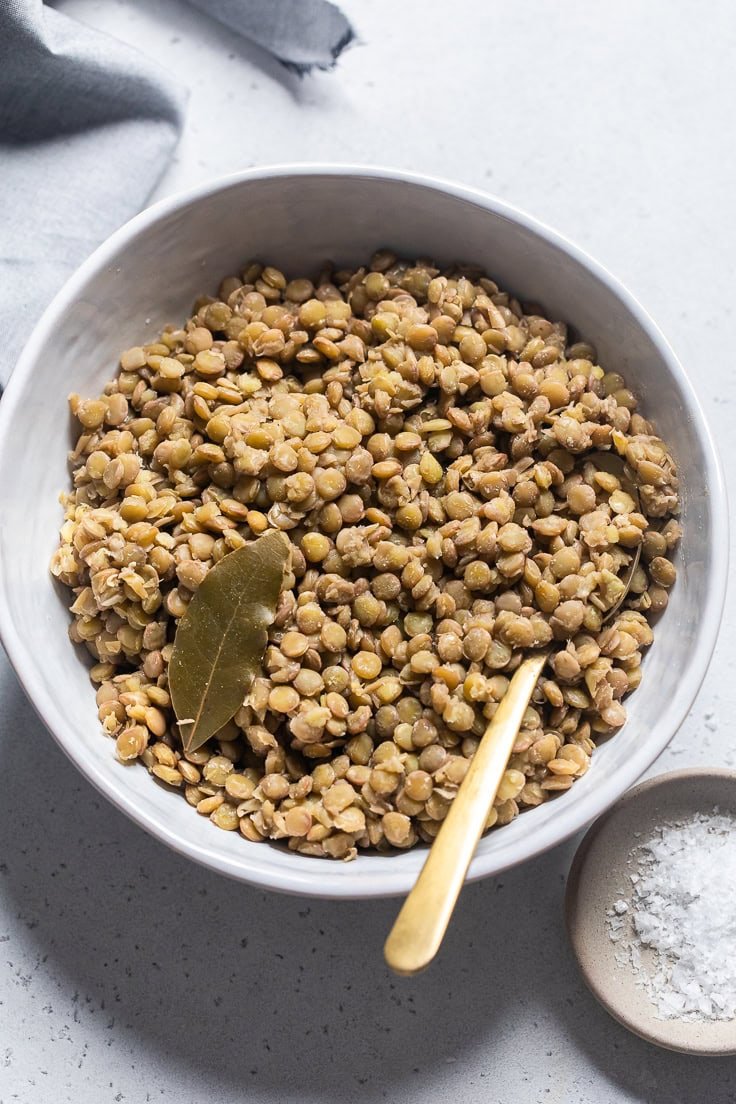
Are you tired of cooking lentils that turn mushy or split apart before you’re ready? Getting lentils tender without them falling apart can feel tricky, but it doesn’t have to be.
Imagine serving perfectly cooked lentils that hold their shape and texture every time, making your meals not just tasty but visually appealing too. You’ll discover simple, effective tips to master the art of cooking lentils just right. Keep reading, and you’ll never have to worry about overcooked, mushy lentils again.
Credit: www.liveeatlearn.com
Choosing The Right Lentils
Picking the right lentils is important for cooking them tender. Different types of lentils cook differently. Some hold their shape, while others break down easily.
Knowing which lentils to use helps you avoid splitting and mushy lentils. This guide explains how to select lentils that cook well without falling apart.
Types Of Lentils
Lentils come in many colors and sizes. Common types include brown, green, red, and black lentils. Each type behaves differently when cooked.
- Brown lentils:Hold shape well, good for soups.
- Green lentils:Firm texture, great for salads.
- Red lentils:Cook quickly, tend to break down.
- Black lentils:Small and firm, keep shape after cooking.
How Lentil Size Affects Cooking
Smaller lentils cook faster but can split easily. Larger lentils take longer and usually stay firm. Choose size based on the dish you want.
| Lentil Type | Size | Cooking Result |
| Red | Small | Soft and mushy |
| Brown | Medium | Firm but tender |
| Green | Large | Firm and holds shape |
| Black | Small | Firm and intact |
Check For Freshness And Quality
Fresh lentils cook better and split less. Old lentils can take longer and become mushy. Look for lentils that are dry and free of cracks.
- Buy lentils from a trusted source
- Check the package date or expiration
- Avoid lentils with cracks or broken pieces
- Store lentils in a cool, dry place
Pre-soaking Techniques
Soaking lentils before cooking helps them become tender. It also reduces cooking time. Proper soaking keeps lentils whole and prevents splitting.
There are different ways to soak lentils. Each method affects texture and cooking time. Learning these methods helps you cook lentils perfectly.
Cold Water Soak
Place lentils in a bowl and cover with cold water. Let them soak for 4 to 8 hours or overnight. Drain and rinse before cooking. This method softens lentils gently.
Hot Water Soak
Pour boiling water over lentils in a bowl. Cover and let them soak for 1 to 2 hours. Drain and rinse well. This short soak speeds up cooking without splitting lentils.
Soaking Tips To Avoid Splitting
- Use enough water to cover lentils by 2 inches.
- Soak lentils at room temperature, not in the fridge.
- Rinse lentils well after soaking to remove any dust.
- Avoid soaking lentils for too long as they can soften too much.
- Handle soaked lentils gently to keep them whole.
Comparison Of Soaking Methods
| Soaking Method | Time | Effect on Lentils |
| Cold Water Soak | 4-8 hours | Softens evenly, less splitting |
| Hot Water Soak | 1-2 hours | Speeds cooking, gentle on texture |
| No Soak | None | Longer cooking, more splitting |
Optimal Cooking Tools
Cooking lentils without splitting needs the right tools. Good tools help keep lentils whole and tender.
Choosing the right pots and utensils makes cooking easier and results better. Here are key tools for cooking lentils well.
Heavy-bottomed Pot
A heavy-bottomed pot spreads heat evenly. This helps lentils cook gently without breaking.
Thin pots cause hot spots. Hot spots can make lentils split or cook unevenly.
Lid With A Tight Seal
A lid that fits well keeps steam inside the pot. Steam cooks lentils slowly and softly.
Without a good lid, water evaporates fast. This makes lentils dry and more likely to split.
Wooden Or Silicone Spoon
Use a wooden or silicone spoon to stir lentils gently. These spoons do not damage the lentils.
Metal spoons can break lentils easily. Stir slowly to keep lentils whole and tender.
Measuring Cups And Spoons
Measure water and lentils accurately. Too much water can make lentils mushy.
- Use a measuring cup for water
- Use a measuring spoon for salt and spices
- Keep water to lentil ratio about 3:1
Fine Mesh Strainer
A fine mesh strainer helps rinse lentils before cooking. Rinsing removes dirt and dust.
Rinsed lentils cook more evenly and stay intact. Avoid soaking lentils too long in water.
Gentle Cooking Methods
Cooking lentils gently helps keep them tender and whole. Fast, high heat can make lentils break apart.
Using slow, steady heat protects the texture. It makes lentils soft without splitting them.
Simmering Vs Boiling
Simmering means cooking lentils in water just below boiling. Boiling is cooking in very hot, bubbling water.
Simmering is gentler and keeps lentils whole. Boiling can break the lentils and make them mushy.
- Simmer lentils over low heat for best texture
- Boiling can cause lentils to split and lose shape
- Stir gently while simmering to avoid breaking lentils
- Use enough water to keep lentils covered during cooking
Using A Slow Cooker
A slow cooker cooks lentils slowly and evenly. It keeps the temperature low and steady.
This method allows lentils to soften without splitting. The slow heat helps keep the texture smooth.
- Add lentils and water to the slow cooker
- Cook on low for 4 to 6 hours
- Check lentils near the end to avoid overcooking
- Slow cooking saves time and effort
Maintaining Even Heat
Cooking lentils evenly helps keep them tender and whole. Uneven heat can cause lentils to split or cook too fast.
Keeping the temperature steady during cooking is key. This helps lentils cook through without breaking apart.
Use A Heavy-bottomed Pot
A heavy-bottomed pot spreads heat evenly. Thin pots can have hot spots that burn lentils.
This even heat prevents lentils from cooking too quickly on one side, which stops splitting.
Cook On Low To Medium Heat
Keep the stove on low to medium heat. High heat can cause lentils to burst or cook unevenly.
Slow cooking lets water absorb slowly. This makes lentils soft without breaking their skin.
Stir Gently And Occasionally
Stir lentils lightly to keep them from sticking. Avoid stirring too much or roughly.
Gentle stirring helps heat spread evenly without damaging the lentils.
Cover The Pot With A Lid
Covering the pot traps heat and moisture. This keeps the temperature steady inside.
A steady temperature cooks lentils evenly and prevents them from drying out or splitting.
Adjust Heat After Boiling
Once lentils start boiling, reduce the heat to low. High boil can break the skin of lentils.
Lower heat keeps the cooking gentle and steady for tender lentils.
Timing And Consistency
Cooking lentils to be tender without splitting requires attention to timing and consistency. The right cooking time helps them soften evenly. Maintaining consistent heat and stirring gently protects their shape.
Understanding how long to cook lentils and how firm you want them is key. This guide explains how to control timing and consistency for perfect lentils every time.
Perfect Cooking Time
Lentils cook quickly compared to other legumes. Cooking them too long causes splitting and mushiness. Short cooking leaves them hard. Aim for a time that softens lentils but keeps them whole.
- Red lentils: 10 to 15 minutes
- Green or brown lentils: 20 to 25 minutes
- French green lentils (Puy): 25 to 30 minutes
Start checking lentils a few minutes before the lower time. Taste a few to see if they are soft but still firm inside. Stop cooking as soon as they reach this texture.
Maintaining Consistent Texture
Consistent heat is important to keep lentils from splitting. Use medium or low heat rather than high heat. High heat causes rapid boiling and breaks the skins.
| Tip | Effect |
|---|---|
| Simmer gently | Prevents splitting |
| Use enough water | Keeps lentils moist |
| Stir occasionally | Stops sticking without breaking |
| Salt after cooking | Prevents tough skins |
Stir the lentils gently during cooking. Too much stirring breaks them. Add salt only after cooking. Salt added earlier can toughen skins and cause splitting.
Flavoring Without Interference
Cooking lentils to be tender and intact needs careful seasoning. Adding flavors at the right time helps keep their shape. You can enhance taste without making them mushy.
This guide shows how to use salt, acids, herbs, and spices without breaking lentils.
Adding Salt And Acids
Salt and acids can toughen lentils if added too soon. Adding salt after cooking keeps lentils soft. Acids like lemon juice or vinegar slow cooking and split lentils if added early.
- Add salt only after lentils become tender.
- Wait to add acidic ingredients until cooking finishes.
- Rinse lentils before cooking to remove dust and debris.
- Use gentle simmering heat to prevent splitting.
Incorporating Herbs And Spices
Herbs and spices add flavor without harming lentils. Add dried herbs early for full flavor. Fresh herbs are best added at the end to keep their taste bright.
| Type | When to Add | Effect on Lentils |
| Dried Herbs (thyme, bay leaf) | Beginning of cooking | Infuses flavor gently |
| Fresh Herbs (cilantro, parsley) | After cooking | Brightens flavor without softening |
| Spices (cumin, coriander) | During cooking | Enhances aroma, no splitting |
| Chili Powder | After cooking | Adds heat, keeps lentils whole |
Testing For Doneness
Cooking lentils to the perfect tenderness without splitting is an important skill. Knowing when they are done helps keep their shape and texture.
You can check lentils during cooking with a few simple tests. These tests ensure lentils are soft but intact.
Visual Check
Look at the lentils as they cook. Tender lentils swell and soften but keep their shape. If they start to burst or split, they may be overcooked.
Texture Test
Take a few lentils out of the pot and let them cool slightly. Bite into them to feel the texture. They should be soft but not mushy or falling apart.
- If lentils are hard or crunchy, they need more cooking time.
- If they are very soft and breaking, cooking should stop immediately.
- Firm but tender is the perfect doneness.
Timing And Water Absorption
Lentils absorb water as they cook, growing in size. The cooking time varies by type and freshness. Keep track of time but rely on testing to decide doneness.
| Lentil Type | Approximate Cooking Time | Doneness Indicator |
|---|---|---|
| Brown Lentils | 20-30 minutes | Soft but intact |
| Green Lentils | 25-35 minutes | Firm and tender |
| Red Lentils | 15-20 minutes | Soft and starting to break |
Use A Spoon Test
Stir lentils gently with a spoon. If they hold shape and do not mush on stirring, they are likely done. If they break apart, they are overcooked.
Tip:Avoid stirring too hard during cooking. Gentle stirring helps keep lentils whole.
Storing And Reheating
Cooking lentils so they stay tender without splitting is only half the task. Proper storing and reheating keep their texture and taste fresh.
Learn simple ways to store cooked lentils and warm them up without making them mushy or dry.
Storing Cooked Lentils
Cool lentils to room temperature before storing. Use airtight containers to keep moisture and flavor locked in. Store in the fridge for up to five days.
- Place lentils in clean, dry containers
- Seal containers tightly to avoid air exposure
- Label containers with the date of cooking
- Keep in the coldest part of the fridge
- Freeze for longer storage, up to three months
Reheating Lentils Without Splitting
Reheat lentils gently to keep them tender. Avoid high heat that breaks down the lentils and causes splitting.
| Reheating Method | Tips |
| Stovetop | Use low heat, add a splash of water, stir gently |
| Microwave | Cover with a lid, heat in short bursts, stir between |
| Oven | Warm at low temperature, cover dish to hold moisture |
Avoid Overcooking During Reheat
Check lentils often while reheating. Stop heating once they are hot enough. Overheating makes lentils mushy and causes splitting.
- Heat lentils just until warmed through
- Stir gently to spread heat evenly
- Add a little water if lentils look dry
- Remove from heat immediately after reheating

Credit: thenaturalnurturer.com

Credit: theforkedspoon.com
Frequently Asked Questions
How Can I Cook Lentils Tender Without Splitting?
Soak lentils for 30 minutes to reduce cooking time. Cook them gently in simmering water. Avoid stirring too much to prevent splitting. Use a pinch of baking soda to soften lentils faster without breaking them.
What Is The Best Water Ratio For Cooking Lentils?
Use 3 cups of water for every 1 cup of lentils. This ratio prevents dryness and ensures even cooking. Adjust water slightly based on lentil type and desired consistency. Proper water amount keeps lentils tender and intact.
Should I Add Salt Before Or After Cooking Lentils?
Add salt after lentils become tender. Salt can toughen lentil skins if added too early. Seasoning after cooking keeps lentils soft and flavorful. This method helps maintain the lentils’ texture without splitting.
Does Soaking Lentils Prevent Them From Splitting?
Yes, soaking lentils reduces cooking time and prevents splitting. It softens the lentils evenly, making them less likely to break. Soaking also improves digestibility and nutrient absorption. Always rinse lentils well before soaking.
Conclusion
Cooking lentils tender without splitting takes patience and care. Use gentle heat and avoid over-stirring. Rinse lentils before cooking to remove dirt and dust. Add salt only after lentils soften. Check often to prevent overcooking. These simple steps help keep lentils whole and soft.
Enjoy your meals with perfectly cooked lentils every time. Cooking lentils well makes dishes tasty and healthy. Try these tips and see the difference yourself. Simple techniques bring great results.