
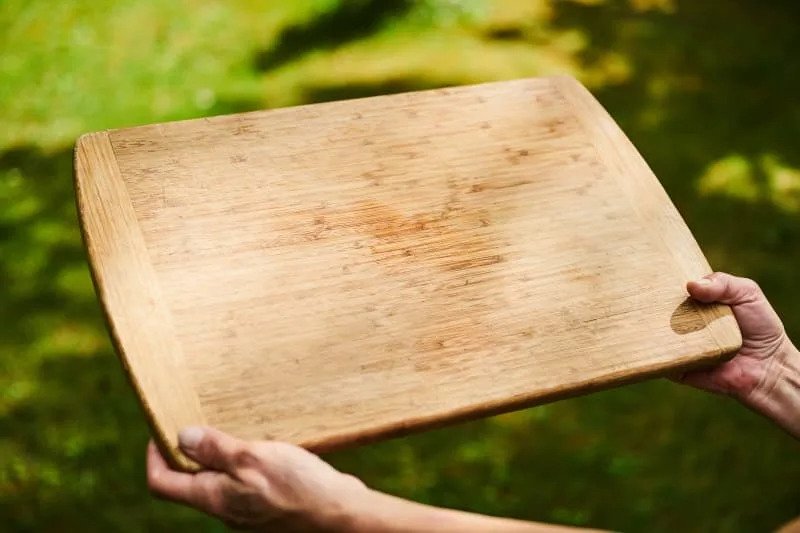
Your wooden cutting board is a kitchen essential, but keeping it clean can be tricky. If not cleaned properly, bacteria and stains can build up, making your board unsafe to use.
You might think a quick rinse is enough, but that won’t protect your health or preserve your board’s life. You’ll learn simple, effective steps to clean your wooden cutting board thoroughly. Follow these tips to keep your board fresh, safe, and looking like new every time you cook.
Don’t let hidden germs spoil your meals—read on to discover how easy it is to care for your wooden cutting board the right way.
Choosing The Right Cleaning Materials
Cleaning wooden cutting boards needs care. Using the right materials keeps them safe and lasting longer.
Wood can absorb liquids and chemicals. Choose gentle cleaners that remove germs without damage.
Natural Cleaners
Natural cleaners are safe for wood and the environment. They clean well without harsh effects.
Common natural cleaners include vinegar and lemon juice. Both kill bacteria and remove stains.
- White vinegar helps disinfect and deodorize
- Lemon juice works as a natural bleach
- Baking soda removes tough odors and grime
- Salt adds scrubbing power without scratching
Avoiding Harsh Chemicals
Harsh chemicals can dry out or crack wood. Avoid bleach and strong detergents on cutting boards.
These chemicals may leave harmful residues. They also reduce the board’s lifespan and appearance.
- Do not use bleach or ammonia
- Avoid antibacterial sprays with strong chemicals
- Skip harsh dish soaps with dyes and perfumes
- Choose mild soap or natural cleaners instead
Credit: www.foodnetwork.com
Daily Cleaning Practices
Keeping wooden cutting boards clean every day helps them last longer. Dirt and bacteria can hide in the wood if not cleaned well.
Simple cleaning steps after each use keep your board safe and ready for the next meal.
Wiping With A Damp Cloth
After cooking, wipe your wooden cutting board with a damp cloth. This removes food bits and light stains.
- Use warm water to moisten the cloth
- Wipe the entire surface carefully
- Rinse the cloth often to avoid spreading dirt
- Dry the board with a clean towel after wiping
Using Mild Dish Soap
Mild dish soap helps clean oily or sticky spots on your board. Use it sparingly to protect the wood.
| Cleaning Step | Instructions |
| Apply Soap | Put a small drop of mild soap on a damp sponge |
| Scrub Gently | Rub the surface with the sponge in circular motions |
| Rinse | Use warm water to wash off all soap |
| Dry | Pat dry with a clean towel and air dry standing up |
Deep Cleaning Techniques
Wooden cutting boards need regular deep cleaning to stay safe and last longer. Simple washing is not enough to remove germs and stains.
Using natural ingredients like salt, lemon, and baking soda can help clean and freshen your board effectively.
Using Salt And Lemon
Coarse salt and lemon work well together to scrub and disinfect wooden cutting boards. The salt acts as an abrasive, and the lemon adds natural acidity.
Sprinkle salt over the board, then rub it with half a lemon. Let it sit for a few minutes before rinsing with warm water.
- Use coarse salt for better scrubbing
- Rub lemon juice deeply into the board
- Allow 5 minutes for cleaning action
- Rinse thoroughly and dry well
Baking Soda Paste Method
Baking soda helps remove odors and stains from wooden boards. Make a paste using baking soda and water for a gentle scrub.
Apply the paste on the board and scrub with a soft brush or cloth. Rinse the board well and dry it completely.
- Mix 3 parts baking soda with 1 part water
- Cover the entire surface with the paste
- Scrub gently to avoid damaging wood
- Rinse with warm water and dry fully

Credit: www.woodcuttingboardstore.com
Removing Stubborn Stains
Wooden cutting boards can get tough stains from fruits, vegetables, and meats. Removing these stains keeps your board clean and safe to use. Use natural cleaners to protect the wood and remove marks.
Two simple solutions can help remove stubborn stains. These are easy to make at home and gentle on wood.
Hydrogen Peroxide Solution
Hydrogen peroxide is a mild bleach that can lighten stains and kill bacteria. Use it carefully to avoid damage to your wooden board.
- Pour a small amount of 3% hydrogen peroxide on the stained area.
- Let it sit for 5 to 10 minutes to break down the stain.
- Wipe the area with a clean cloth or sponge.
- Rinse the board with warm water.
- Dry it well with a towel to prevent wood swelling.
Vinegar And Baking Soda Mix
Mixing vinegar and baking soda creates a natural scrub that lifts stains and disinfects the board. This mix is safe and effective for deep cleaning.
| Ingredient | Amount | Purpose |
|---|---|---|
| Baking Soda | 2 tablespoons | Scrubs off stains |
| White Vinegar | 1/4 cup | Kills bacteria and loosens stains |
| Warm Water | 1/2 cup | Dilutes mixture for cleaning |
To use, sprinkle baking soda on the board. Pour vinegar on top and wait for fizzing. Scrub gently with a sponge. Rinse with warm water and dry the board fully.
Disinfecting The Board
Wooden cutting boards can hold bacteria if not cleaned well. Disinfecting keeps your board safe for food use.
Using natural and chemical methods helps kill germs on the wood surface. This guide explains two easy ways.
White Vinegar Spray
White vinegar is a natural disinfectant. It kills many types of bacteria without harsh chemicals.
- Spray plain white vinegar on the board surface.
- Let it sit for at least 5 minutes.
- Wipe the board with a clean cloth or paper towel.
- Rinse with warm water and dry thoroughly.
Diluted Bleach Solution
Bleach is a strong disinfectant. Use it carefully to avoid damaging the wood or harming yourself.
| Ingredient | Amount |
| Bleach | 1 teaspoon |
| Water | 1 quart (4 cups) |
Mix the bleach and water to make the solution. Apply it to the board and let it sit for 2 minutes. Rinse well with water and dry the board fully.
Maintaining Your Wooden Cutting Board
Wooden cutting boards need proper care to last long. Cleaning is not enough. You must also maintain the wood to keep it strong and safe.
Regular maintenance stops cracks and warping. It keeps your board looking good and working well.
Regular Oiling
Oiling your wooden board keeps the wood from drying out. It helps prevent cracks and warping. Use food-safe mineral oil for the best results.
Apply oil once a month or when the wood looks dry. Rub the oil all over the board and let it soak in overnight.
- Clean the board before oiling
- Use a soft cloth to apply oil
- Cover all surfaces, including edges
- Let the oil soak for several hours
- Wipe off any extra oil with a dry cloth
Proper Drying Techniques
Drying wooden boards correctly stops warping and bacteria growth. After washing, dry the board immediately with a towel.
Stand the board upright or lean it on its side. This lets air reach all parts and helps the board dry evenly.
- Do not leave the board flat to dry
- Avoid soaking the board in water
- Keep the board in a well-ventilated place
- Do not use a dishwasher for wooden boards
Storing The Cutting Board
Storing your wooden cutting board properly keeps it clean and safe to use. Good storage helps the board last longer and prevents damage.
Learn how to store your wooden cutting board by avoiding moisture and choosing the right spot in your kitchen.
Avoiding Moisture
Moisture can cause wood to crack, warp, or grow mold. Keep your cutting board dry to stop this from happening.
- Dry the board with a towel after washing
- Stand the board upright to air dry fully
- Do not leave the board soaking in water
- Store it away from damp places like under the sink
- Use mineral oil regularly to protect the wood
Optimal Placement In Kitchen
Choose a storage place that keeps your cutting board clean and easy to reach.
| Storage Spot | Benefit |
| Vertical rack or stand | Allows air flow to dry the board |
| Open shelf away from heat | Prevents warping and overheating |
| Drawer with good ventilation | Keeps board dust-free but dry |
| Hooks or wall mounts | Saves counter space and aids drying |

Credit: www.slobodenpecat.mk
Frequently Asked Questions
How Often Should I Clean Wooden Cutting Boards?
Clean wooden cutting boards after every use to prevent bacteria buildup. Regular washing with warm, soapy water is essential for hygiene and longevity.
What Is The Best Method To Disinfect Wooden Boards?
Disinfect wooden boards using white vinegar or diluted bleach solution. These kill germs without damaging the wood, ensuring safe food preparation.
Can I Use Soap On Wooden Cutting Boards?
Yes, mild dish soap with warm water is safe and effective. Avoid harsh detergents, as they can strip the wood’s natural oils.
How Do I Remove Stains And Odors From Wooden Boards?
Sprinkle coarse salt and rub with lemon halves on the board. This natural method lifts stains and neutralizes odors without harsh chemicals.
Conclusion
Cleaning wooden cutting boards well keeps them safe and long-lasting. Use soap, hot water, and scrub gently after each use. Dry the board fully to stop germs from growing. Occasionally, treat it with oil to keep the wood strong. Avoid soaking or putting it in the dishwasher.
Simple steps make your board clean and healthy. Keep these tips in mind for a fresh kitchen tool every day. Clean boards mean safer food and happy cooking. Easy care leads to great results.