
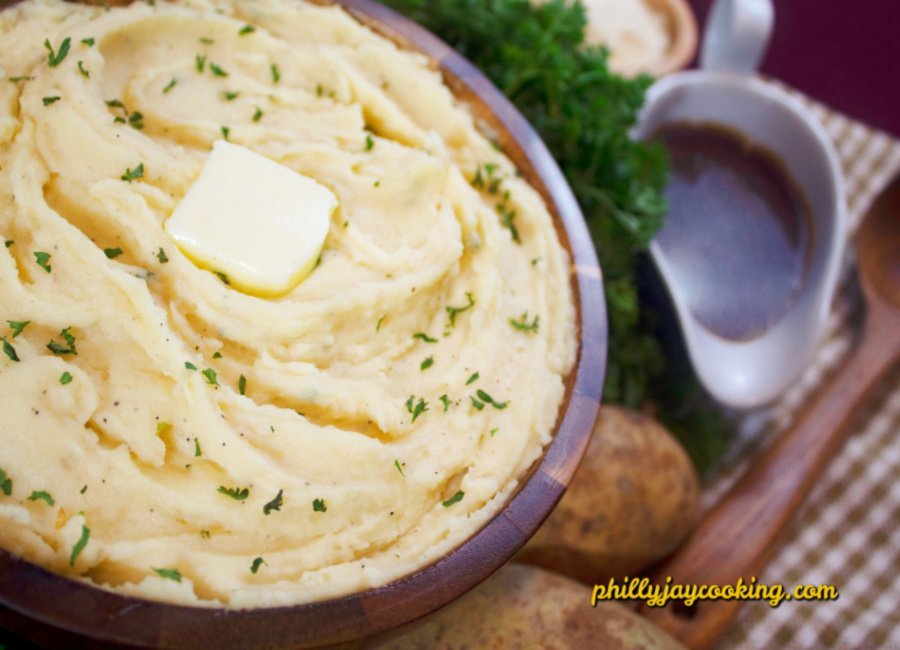
Are you tired of mashed potatoes that turn out lumpy or dry? Imagine serving a bowl of mashed potatoes so creamy and soft that everyone asks for seconds.
You can easily achieve this with a few simple tricks. You’ll discover how to transform your regular mashed potatoes into a smooth, velvety delight that melts in your mouth. Keep reading, and you’ll learn the secrets to making every bite perfectly creamy and soft—your family and friends will thank you!
Choosing The Right Potatoes
Making creamy and soft mashed potatoes starts with picking the right kind of potatoes. Different potatoes have different textures and starch levels. These affect how smooth and fluffy your mashed potatoes will be.
Choosing potatoes that break down easily and soak up butter and cream will give you the best results. Let’s look at the types of potatoes you can use.
Starchy Potatoes
Starchy potatoes have a high starch content and low moisture. They become light and fluffy when cooked. These are great for creamy mashed potatoes because they absorb milk and butter well.
- Russet potatoes
- Idaho potatoes
- King Edward potatoes
Waxy Potatoes
Waxy potatoes have less starch and more moisture. They hold their shape when cooked. These potatoes can make mashed potatoes a bit gluey or dense. Use them if you want a chunkier texture.
- Red potatoes
- New potatoes
- Fingerling potatoes
All-purpose Potatoes
All-purpose potatoes have a medium starch level. They give a balance between creamy and firm. These are a good choice if you want mashed potatoes that are soft but still hold a little texture.
| Potato Type | Starch Level | Texture When Mashed | Best For |
|---|---|---|---|
| Russet | High | Fluffy and creamy | Classic creamy mashed potatoes |
| Red | Low | Dense and smooth | Chunkier mashed potatoes |
| Yukon Gold | Medium | Buttery and soft | Soft, creamy with some texture |
Essential Ingredients For Creaminess
Making mashed potatoes creamy and soft depends on the right ingredients. These ingredients add smoothness and rich flavor.
Choosing the best butter, milk, and cream helps you reach the perfect texture. Each ingredient plays a special role.
Butter Options
Butter adds richness and smoothness to mashed potatoes. Use unsalted butter to control salt levels better.
For extra creaminess, softened butter mixes well. Adding it in small pieces while mashing helps spread the flavor.
- Unsalted butter for better salt control
- Softened butter mixes evenly
- Use real butter for best taste
- Butter adds smooth texture and flavor
Milk And Cream Choices
Milk or cream adds moisture and softness to mashed potatoes. Whole milk gives good creaminess without being too heavy.
Heavy cream makes potatoes very rich and smooth. You can also use half-and-half for a lighter creamy texture.
- Whole milk for balanced creaminess
- Heavy cream for rich and smooth potatoes
- Half-and-half for lighter creaminess
- Warm milk or cream blends better
Proper Potato Preparation
Preparing potatoes correctly is key to creamy and soft mashed potatoes. The way you peel and cut the potatoes affects cooking time and texture.
Follow simple steps to get the best results before cooking. Proper preparation makes mashing easier and gives a smooth texture.
Peeling Techniques
Peeling potatoes well removes tough skin and prevents lumps. Use a sharp peeler or knife to avoid wasting potato flesh. Some prefer to leave skin on for texture, but peeling is best for smooth mash.
- Hold the potato firmly in one hand.
- Use a vegetable peeler to remove thin skin in long strokes.
- Peel away from your body to avoid cuts.
- Check for any dark spots or eyes and remove them with the tip of the peeler.
- Rinse peeled potatoes under cold water to remove dirt.
Cutting For Even Cooking
Cut potatoes into equal pieces to cook evenly. Uneven pieces cause some to be overcooked while others stay hard. Uniform size helps potatoes cook through at the same time.
| Cut Style | Size | Cooking Time |
|---|---|---|
| Cubes | 1 to 2 inches | 15-20 minutes |
| Halves | Medium potato halves | 20-25 minutes |
| Quarters | Medium potato quarters | 18-22 minutes |

Credit: www.homemademastery.com
Boiling To Perfection
Boiling potatoes correctly is key for creamy and soft mashed potatoes. The right boiling technique helps break down the potatoes evenly.
Overcooked or undercooked potatoes will affect the texture. Learn how to boil them just right for the best results.
Water Temperature Tips
Start cooking potatoes in cold water. This helps them cook evenly from the inside out.
- Place potatoes in a pot and cover with cold water.
- Add a pinch of salt to the water for flavor.
- Bring water to a gentle boil, not a rapid one.
- Keep the water at a simmer to avoid breaking potatoes apart.
Testing For Doneness
Check potatoes often to avoid overcooking. Perfectly boiled potatoes are soft but hold their shape.
| Test Method | What to Look For |
| Fork Test | Fork slides in easily without resistance |
| Knife Test | Knife goes through without breaking potato apart |
| Texture Check | Potatoes feel soft but not mushy |
Mashing Methods For Smoothness
Making creamy and soft mashed potatoes depends on how you mash them. Using the right tools and techniques can help achieve smoothness. This guide explains easy methods to get perfect mashed potatoes.
Soft mashed potatoes come from gentle mashing and avoiding lumps. Choosing the right tool and process is key for a smooth texture.
Tools To Use
Different tools work better for smooth mashed potatoes. Some tools mash well without overworking the potatoes. Overworking can make them gluey or sticky.
- Potato Masher:A classic tool with holes or blades. It breaks potatoes well without making them gluey.
- Ricer:Pushes potatoes through small holes. It creates soft, fluffy texture.
- Food Mill:Grinds potatoes smoothly and removes lumps.
- Electric Mixer:Use on low speed and carefully. Too much mixing makes potatoes sticky.
Avoiding Lumps
Lumps in mashed potatoes come from cold or unevenly cooked potatoes. Proper cooking and mashing help avoid lumps. Here are tips to keep your potatoes smooth.
| Tip | Details |
| Cook Evenly | Boil potatoes until soft all the way through. |
| Drain Well | Remove water completely before mashing. |
| Warm Potatoes | Mash while potatoes are still hot for easy smoothing. |
| Use Proper Tool | Choose ricer or food mill for lump-free texture. |
| Do Not Overmix | Mix gently to avoid sticky or gluey potatoes. |

Credit: phillyjaycooking.com
Enhancing Flavor And Texture
Making mashed potatoes creamy and soft is about more than just cooking them well. Adding the right ingredients can improve both taste and texture.
Using cheese and fresh herbs brings richness and depth. Spices add warmth and interest to every bite.
Adding Cheese
Cheese makes mashed potatoes creamy and adds a rich flavor. Choose mild or sharp cheeses depending on your taste.
- Cheddar adds a bold and tangy taste.
- Parmesan gives a salty, nutty flavor.
- Cream cheese creates extra creaminess.
- Mozzarella melts smoothly for a mild taste.
Mix cheese in while the potatoes are hot so it melts evenly. This keeps the texture soft and smooth.
Incorporating Herbs And Spices
Herbs and spices lift mashed potatoes from plain to tasty. Fresh herbs add brightness, while spices bring warmth.
| Herb/Spice | Flavor Effect |
| Chives | Light onion flavor |
| Parsley | Fresh and grassy |
| Garlic powder | Savory and warm |
| Black pepper | Mild heat and depth |
| Nutmeg | Sweet and nutty warmth |
Stir herbs and spices into warm potatoes. Taste as you go to find the best balance.
Secrets To Keeping Potatoes Warm
Keeping mashed potatoes warm is key to creamy and soft texture. Cold potatoes can become stiff and lose flavor.
Using the right warming methods helps keep the potatoes smooth and ready to serve.
Stovetop Techniques
One easy way to keep mashed potatoes warm is on the stovetop. Use low heat and stir often to prevent drying.
- Place the mashed potatoes in a heavy pan or double boiler.
- Set the heat to low or very low.
- Cover the pan with a lid to hold moisture.
- Stir every 5 minutes to keep the potatoes creamy.
- Add a splash of milk or cream if the potatoes start to dry.
Using A Slow Cooker
A slow cooker works well to keep potatoes warm for longer times without drying them out.
| Slow Cooker Settings | Tips |
| Warm | Perfect for keeping potatoes soft without cooking more. |
| Low | Use if you want to keep warm for several hours. Stir occasionally. |
| High | Avoid to prevent drying and overcooking. |
Adding butter or cream before placing potatoes in the slow cooker helps keep them moist and rich.
Common Mistakes To Avoid
Making mashed potatoes creamy and soft can be tricky. Many cooks repeat the same errors that spoil the texture.
Knowing what to avoid helps you get smooth, delicious mashed potatoes every time.
Using The Wrong Potato Type
Not all potatoes make good mashed potatoes. Some types are too waxy or dense.
Choose starchy potatoes like Russets or Yukon Golds for the best results.
Overworking The Potatoes
Mashing potatoes too much breaks down their structure. This releases starch that makes the mash gluey.
- Use a potato masher or ricer for gentle mashing.
- Avoid electric mixers or food processors.
- Stop mashing once potatoes are smooth and lump-free.
Adding Cold Ingredients
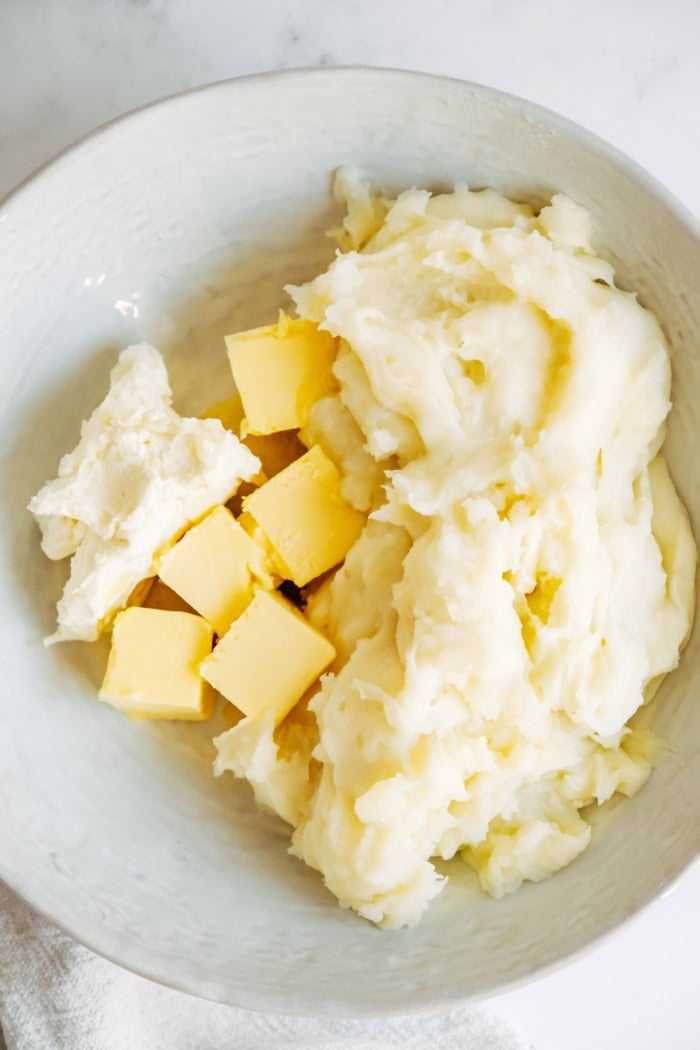
Adding cold butter or milk cools down the potatoes. This makes them stiff and hard to mash well.
Warm your butter and milk before mixing them in. This helps the potatoes absorb liquids better.
Incorrect Cooking Time
| Cooking Error | Effect on Mashed Potatoes |
|---|---|
| Undercooking potatoes | Hard, lumpy texture |
| Overcooking potatoes | Waterlogged, mushy mash |
| Cooking potatoes with skin on | Uneven cooking and texture |
Boil potatoes until tender but not falling apart. Peel before boiling for even cooking.
Credit: www.afarmgirlsdabbles.com
Frequently Asked Questions
How Do I Make Mashed Potatoes Creamy And Soft?
Use starchy potatoes like Russets. Boil until tender, then mash with warm milk and butter. Avoid over-mixing to keep texture light.
What Type Of Potatoes Is Best For Creamy Mashed Potatoes?
Russet or Yukon Gold potatoes are ideal. They have a high starch content and yield a smooth, creamy texture when mashed.
Should I Add Milk Or Cream For Soft Mashed Potatoes?
Adding warm milk or heavy cream makes mashed potatoes softer and creamier. Adjust the amount based on desired consistency.
How Long Should I Boil Potatoes For Perfect Mash?
Boil potatoes for 15-20 minutes or until fork-tender. This ensures they mash easily and result in a smooth texture.
Conclusion
Making creamy and soft mashed potatoes is simple and fun. Use the right potatoes and cook them well. Mash them gently, adding warm milk or cream. Butter helps to make them smooth and tasty. Avoid overmixing to keep the texture light.
Taste and adjust salt as needed. Practice these steps for perfect mashed potatoes every time. Enjoy your delicious, comforting dish with family and friends. Cooking well brings joy to the table.