
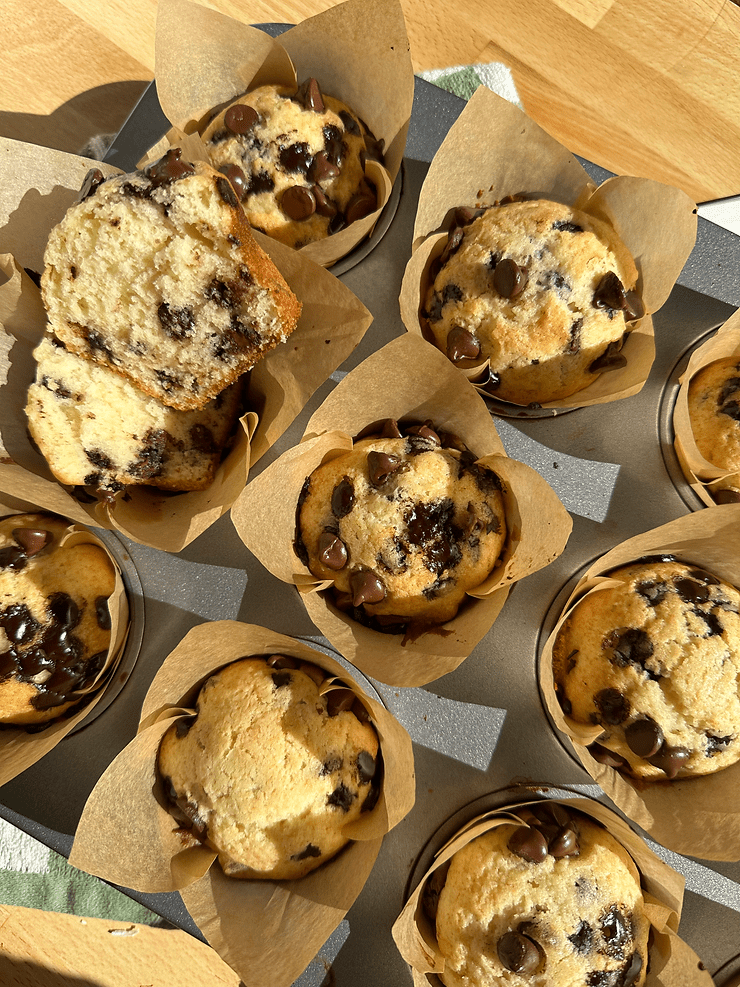
Are you tired of homemade muffins turning out dry or crumbly? You want your muffins soft, moist, and perfect every time, right?
Getting that ideal texture isn’t as tricky as it seems. With a few simple tips, you can transform your baking and enjoy muffins that melt in your mouth. Keep reading to discover easy tricks that will change the way you bake forever.
Your next batch of muffins will be soft, fluffy, and absolutely delicious!
Choosing The Right Ingredients
Soft muffins start with the right ingredients. Choosing fresh and suitable items makes a big difference.
Each ingredient plays a special role in making muffins tender and moist. Let’s look at what matters most.
Best Flour For Muffins
Using the right flour helps muffins stay soft. All-purpose flour is common, but cake flour is better.
Cake flour has less protein, so it makes muffins lighter and softer. You can also mix both flours.
- All-purpose flour: good and easy to find
- Cake flour: lighter and softer texture
- Mixing flours: balance softness and structure
Role Of Baking Powder And Soda
Baking powder and baking soda make muffins rise. They create air bubbles, which keep muffins soft.
Using the right amount helps muffins stay fluffy. Too much or too little can make them dense or dry.
- Baking powder: adds lightness and rise
- Baking soda: reacts with acids for softness
- Measure carefully for best results
Importance Of Fresh Eggs
Fresh eggs add moisture and help bind muffin ingredients together. They improve texture and softness.
Old eggs can cause muffins to be dry or tough. Always use eggs that are fresh and well stored.

Credit: theheartylife.org
Mixing Techniques
Making soft homemade muffins starts with the right mixing techniques. How you mix the ingredients affects the muffin texture.
Good mixing helps create muffins that are tender and light. Using gentle methods avoids toughness.
Gentle Mixing Methods
Use gentle mixing to combine wet and dry ingredients. Stir slowly with a spoon or spatula.
Mix just until ingredients join. Avoid hard stirring to keep the batter soft.
- Fold wet into dry ingredients carefully
- Use a spatula instead of a mixer
- Mix in small circles or gentle folding motions
Avoiding Overmixing
Overmixing makes muffins dense and chewy. Mix only until ingredients combine.
Stop mixing as soon as you see no dry flour. Small lumps in the batter are okay.
- Mix batter quickly but gently
- Do not use electric beaters on high speed
- Check batter texture often
Incorporating Air Into Batter
Adding air makes muffins light and fluffy. Use a whisk or beat eggs well before mixing.
Fold the batter gently to keep air bubbles inside. This helps muffins rise nicely.
- Whisk eggs until frothy before adding
- Use a light folding motion with spatula
- Avoid pressing or stirring down the batter
Optimal Baking Tips
Soft homemade muffins are a treat everyone loves. Baking them right is key to getting the perfect texture.
Small changes in baking can make muffins soft and fluffy. These tips will help you bake muffins that feel fresh and tender.
Preheating The Oven
Always preheat your oven before putting muffins inside. This helps the batter rise evenly and bake well.
Putting muffins in a cold oven can make them dense and dry. Preheating gives the right start to baking.
Ideal Baking Temperature
Baking muffins at the right temperature keeps them soft. Most recipes work well at 350°F (175°C).
If the oven is too hot, muffins cook outside fast but stay raw inside. Too low heat makes them dry and flat.
- 350°F (175°C) is a good average temperature.
- Check muffins at 18-20 minutes for doneness.
- Use an oven thermometer for accuracy.
Using Muffin Liners
Muffin liners keep muffins moist by holding in steam as they bake. They also stop muffins from drying out.
Using liners makes it easy to remove muffins without breaking them. This helps keep their soft texture intact.
:max_bytes(150000):strip_icc()/6865-to-die-for-blueberry-muffins-VAT-013-3x2-39d17680ad4742fd802901dbb031255b.jpg)
Credit: www.allrecipes.com
Flavor Enhancements
Making homemade muffins soft is easier with the right flavors. Adding natural ingredients can improve taste and texture.
Using fresh fruits, spices, extracts, nuts, and seeds can make muffins more delicious and moist.
Adding Fresh Fruits
Fresh fruits add natural sweetness and moisture to muffins. They help keep muffins soft after baking.
Try berries, bananas, or apples to change the flavor and texture.
- Blueberries add bursts of juicy flavor
- Mashed bananas provide creaminess and sweetness
- Grated apples keep muffins moist and tender
Integrating Spices And Extracts
Spices and extracts enhance muffin flavor without adding moisture. They create warm, rich tastes.
Cinnamon, nutmeg, and vanilla extract are popular choices. They blend well with many muffin recipes.
- Cinnamon adds warmth and sweetness
- Nutmeg gives a subtle spicy note
- Vanilla extract deepens overall flavor
- Almond extract offers a nutty twist
Experimenting With Nuts And Seeds
Nuts and seeds add texture and flavor variety. They also provide healthy fats that keep muffins soft.
Try walnuts, almonds, or chia seeds to add crunch and nutrition.
- Chopped walnuts add a rich, buttery taste
- Sliced almonds bring a mild crunch
- Chia seeds absorb moisture and improve texture
- Sunflower seeds give a nutty flavor and crispiness
Storage And Freshness
Keeping homemade muffins soft takes care after baking. Proper storage helps keep them fresh and tasty.
Learn simple tips to store muffins well. This keeps their soft texture for days.
Proper Cooling Techniques
Cool muffins on a wire rack after baking. This stops steam from making them soggy.
Leave space between muffins so air can circulate. Avoid stacking them while warm.
- Use a wire rack for cooling
- Space muffins apart
- Do not cover muffins until cool
Best Storage Practices
Store muffins in an airtight container to keep moisture in. This helps maintain softness.
If no airtight container is available, wrap muffins in plastic wrap or foil. Keep them at room temperature.
- Use airtight containers
- Wrap in plastic wrap or foil
- Keep at room temperature, away from heat
Freezing Muffins For Later
Freeze muffins to keep them fresh for weeks. Wrap each muffin tightly before freezing.
Thaw muffins at room temperature or warm them briefly in the oven. This restores softness.
- Wrap muffins in plastic wrap or foil
- Place wrapped muffins in a freezer bag
- Thaw at room temperature before eating
- Warm in oven for a soft texture

Credit: everythingjustbaked.com
Frequently Asked Questions
How Can I Keep Homemade Muffins Soft Longer?
Store muffins in an airtight container at room temperature. Add a slice of bread inside to maintain moisture. Avoid refrigerating, as it dries muffins faster. Consume within 2-3 days for best softness and flavor.
What Ingredients Make Muffins Soft And Fluffy?
Use ingredients like buttermilk, yogurt, or sour cream for moisture. Adding oil instead of butter also helps keep muffins tender. Incorporate baking powder and baking soda for proper rise and fluffiness.
Does Overmixing Batter Affect Muffin Softness?
Yes, overmixing develops gluten, leading to dense, tough muffins. Mix ingredients until just combined for a soft texture. Gentle folding ensures light, airy muffins that stay tender.
Can I Substitute Milk With Other Liquids For Softness?
Yes, using buttermilk or yogurt instead of milk adds acidity and moisture. This reacts with baking soda for fluffier muffins. Alternatives like almond or oat milk also keep muffins moist.
Conclusion
Soft homemade muffins bring joy to every bite. Use fresh ingredients and measure carefully. Mix gently to keep the batter light. Don’t overbake; watch the time closely. Let muffins cool well before serving. These simple tips help you bake soft muffins.
Enjoy baking and sharing with your loved ones. Soft muffins make every morning better. Try these steps and taste the difference. Baking can be easy and fun. Keep practicing, and your muffins will improve. Happy baking!