
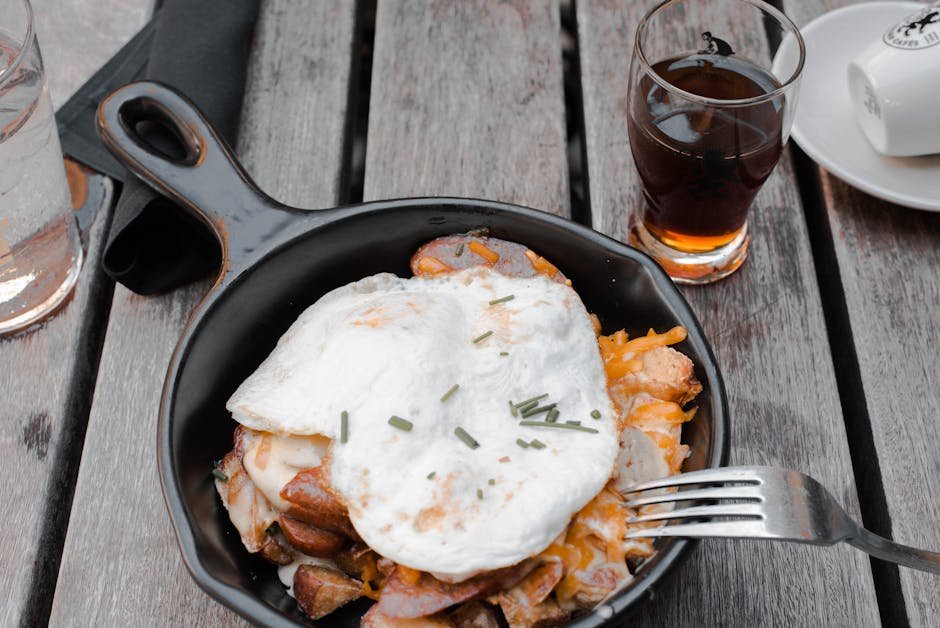
Are you tired of breaking your yolks every time you try to cook eggs over easy? You’re not alone.
Getting that perfect, tender white with a runny yolk can feel tricky, but it doesn’t have to be. Imagine flipping your eggs confidently, serving a breakfast that looks as good as it tastes. In this post, you’ll discover simple, proven tips that will help you master the technique and impress yourself every time you cook eggs over easy.
Keep reading, because your perfect egg is just a few steps away.
Egg Selection
Choosing the right eggs is key for cooking eggs over easy perfectly. The quality and type of eggs affect the taste and texture.
Knowing what to look for helps you cook eggs that are tender and delicious every time.
Freshness Matters
Fresh eggs hold their shape better and have firmer whites. This makes flipping easier and less messy.
- Check the pack date or expiration date on the carton.
- Use eggs within three weeks of purchase for best results.
- Perform a water test: fresh eggs sink, old eggs float.
Size Considerations
Egg size changes cooking time and how your eggs fit in the pan. Large eggs are standard and cook evenly.
| Egg Size | Weight per Egg | Best Use |
|---|---|---|
| Small | 38-43 grams | Quick cooking, smaller portions |
| Medium | 44-49 grams | General cooking |
| Large | 50-56 grams | Standard size for recipes |
| Extra Large | 57-63 grams | Extra protein, bigger meals |
| Jumbo | 64+ grams | Rare, for special needs |
Essential Tools
Cooking eggs over easy needs the right tools. Using good tools helps you cook eggs without breaking the yolk.
Two important tools are the pan and the spatula. These tools affect how your eggs cook and how easy it is to flip them.
Choosing The Right Pan
Use a non-stick pan for cooking eggs over easy. It stops eggs from sticking and makes flipping simple.
Choose a pan that heats evenly. This helps your eggs cook gently without burning or overcooking.
- Non-stick surface prevents sticking
- Medium size fits two to three eggs
- Even heat distribution cooks eggs evenly
- Sturdy handle offers better control
Spatula Selection
Pick a thin, flexible spatula to flip eggs easily. A spatula with a thin edge slides under eggs without breaking them.
Use a silicone or plastic spatula. These materials protect your pan’s surface and help keep eggs intact.
- Thin edge for easy sliding under eggs
- Flexible to flip eggs gently
- Heat-resistant silicone or plastic
- Comfortable handle for good grip
Prepping The Pan
Cooking eggs over easy needs the right pan setup. Preparing the pan well helps the eggs cook evenly.
Good pan prep stops the eggs from sticking or breaking. It makes flipping easier and keeps the yolk intact.
Optimal Heat Level
Use medium-low heat for cooking eggs over easy. Too hot makes the eggs burn or cook too fast.
Low heat cooks the eggs gently, keeping whites tender and yolks runny. Patience is key for perfect eggs.
- Start on medium heat to warm the pan
- Lower to medium-low before adding eggs
- Adjust heat to avoid browning or sticking
Proper Greasing
Grease the pan well to prevent eggs from sticking. Use oil, butter, or a non-stick spray.
Spread the grease evenly over the pan surface. This helps eggs slide easily when flipping.
- Use about one tablespoon of butter or oil
- Heat the grease until it melts and spreads
- Reapply if the pan looks dry during cooking
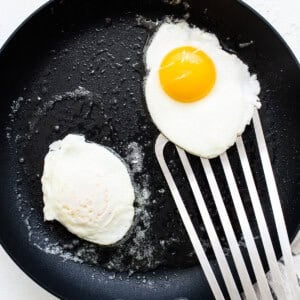
Credit: fitfoodiefinds.com
Cracking The Egg
Cooking eggs over easy starts with cracking the egg correctly. This step helps keep the yolk whole and the shell out of your pan.
Using the right technique makes cooking easier and your eggs look better on the plate.
Avoiding Shell Fragments
Shell pieces in eggs can ruin the texture and taste. To avoid this, crack eggs on a flat surface, not on the edge of a bowl.
Breaking the shell gently helps prevent tiny shards from falling inside. If you do get shell bits, use a larger shell piece or a spoon to scoop them out.
- Crack on a flat surface
- Break shell gently
- Remove any shell bits quickly
Gentle Technique
Use a soft touch when cracking the egg. Press too hard, and the yolk may break or shell will scatter.
Hold the egg close to the pan to avoid dropping it from a height. This keeps the yolk intact and helps the egg cook evenly.
- Hold egg near the pan
- Tap gently to crack
- Open shell slowly with fingers
Cooking Process
Cooking eggs over easy means frying the egg gently on both sides. This method keeps the yolk soft and runny.
To cook eggs over easy perfectly, control heat and time carefully. This helps avoid overcooked whites or broken yolks.
Maintaining Low Heat
Use low heat to cook eggs slowly and evenly. High heat can burn the edges and leave the yolk hard.
Keep the pan warm but not hot. This way, the egg white sets gently without crisping too fast.
- Preheat the pan on low heat for 2 minutes
- Add a small amount of oil or butter
- Cook eggs slowly to avoid burning
- Adjust heat if edges cook too fast
Timing For Perfection
Timing is key for the perfect over easy egg. Cook the first side until the white is mostly set, about 2 to 3 minutes.
Flip the egg gently and cook the second side for 10 to 20 seconds. This keeps the yolk runny but the white cooked.
- Cook first side: 2–3 minutes on low heat
- Flip carefully to avoid yolk break
- Cook second side: 10–20 seconds
- Remove immediately to stop cooking

Credit: www.youtube.com
Flipping Technique
Flipping eggs over easy can be tricky. The right technique helps keep the yolk intact.
Focus on gentle, smooth motions to turn your eggs perfectly every time.
Mastering The Wrist Flick
Use your wrist, not your whole arm, to flip the egg. A quick flick moves the egg without breaking it.
- Hold the pan steady with one hand.
- Use a small, quick flick of your wrist to flip the egg.
- Practice the motion without eggs to build confidence.
Using A Spatula
A spatula helps lift the egg gently before flipping. Choose a thin, flexible spatula for best results.
| Spatula Type | Best Use |
|---|---|
| Thin Metal | Easy to slide under eggs |
| Silicone | Non-stick pans, gentle flipping |
| Plastic | Safe for non-stick surfaces |
Finishing Touches
Cooking eggs over easy is about gentle heat and timing. The final steps make your eggs tasty and look perfect.
Adding the right flavors and serving ideas helps you enjoy your eggs more. Small details make a big difference.
Seasoning Tips
Season your eggs just before or after cooking. Salt and pepper are classic choices that bring out egg flavor.
Try adding herbs or spices for extra taste. Use small amounts to keep the egg’s delicate flavor.
- Sprinkle salt and pepper lightly
- Add a pinch of paprika or chili flakes
- Fresh herbs like chives or parsley work well
- A dash of garlic powder can add depth
Serving Suggestions
Serve over easy eggs on warm toast or English muffins. They make a simple and filling meal.
Pair eggs with fresh vegetables or a side of fruit. This adds color and nutrition to your plate.
- Place eggs on toasted bread for easy eating
- Serve with avocado slices or tomato wedges
- Add a side of sautéed spinach or mushrooms
- Use eggs to top a salad or grain bowl
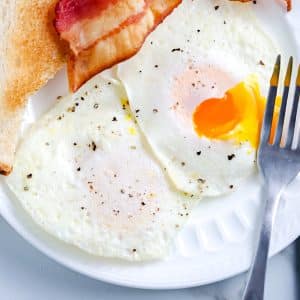
Credit: foodfolksandfun.net
Common Mistakes
Cooking eggs over easy is simple but easy to mess up. Many cooks make common mistakes that affect taste and texture.
Knowing these common errors helps you cook eggs perfectly every time. Avoid these problems for better results.
Overcooking Issues
Overcooking eggs over easy makes the yolk hard instead of runny. This spoils the classic texture you want.
- Use medium-low heat to cook eggs gently.
- Flip eggs carefully and only once.
- Cook for 30 seconds to 1 minute after flipping.
- Remove eggs from heat as soon as whites set.
- Use a non-stick pan to prevent sticking and overcooking.
Undercooked Whites
Undercooked whites remain runny and unsafe to eat. They also look less appealing.
| Problem | Cause | Fix |
| Runny egg whites | Too little cooking time | Cook a bit longer until whites are firm |
| Uneven cooking | Uneven heat on pan | Use a pan that heats evenly and adjust burner |
| Sticking whites | Insufficient oil or butter | Use enough fat before adding eggs |
Troubleshooting
Cooking eggs over easy can be tricky. Small mistakes cause broken yolks or sticking.
These tips help fix common problems. They make your eggs look and taste better.
Fixing Broken Yolks
Broken yolks happen from rough handling or flipping too soon. Use gentle techniques to keep yolks intact.
- Crack eggs on a flat surface to avoid shell shards.
- Let eggs cook until whites are mostly set before flipping.
- Use a wide, flat spatula for easy flipping.
- Flip slowly and carefully to prevent yolk breakage.
- Cook on medium-low heat for better control.
Handling Sticking Issues
Eggs stick when the pan is too hot or not greased well. Prevent sticking with proper pan care.
| Cause | Solution |
| Pan too hot | Lower heat to medium-low before adding eggs |
| Not enough oil or butter | Use a thin layer of oil or butter to coat pan |
| Old or damaged pan surface | Use a non-stick or well-seasoned pan |
| Adding eggs too early | Wait for fat to heat but not smoke |
Frequently Asked Questions
How Do You Cook Eggs Over Easy Perfectly?
To cook perfect over easy eggs, use medium-low heat and a non-stick pan. Cook whites until set, then flip gently. Cook yolks briefly to keep them runny. Use a thin spatula for flipping to avoid breaking the yolk.
What Is The Best Oil For Cooking Over Easy Eggs?
Use butter or a mild oil like olive or avocado oil. Butter adds rich flavor and helps eggs cook evenly. Avoid strong oils as they may overpower the egg’s natural taste. Heat the oil or butter until hot but not smoking.
How Long Should You Cook Eggs Over Easy?
Cook whites for about 2-3 minutes until fully set. Flip gently and cook the yolks for an additional 20-30 seconds. Adjust timing based on stove heat and desired yolk consistency. Avoid overcooking to keep yolks runny and tender.
Can I Use Non-stick Pans For Over Easy Eggs?
Yes, non-stick pans are ideal for cooking over easy eggs. They prevent sticking and make flipping easier. Use medium-low heat and a thin spatula to slide under the eggs gently. Clean the pan properly to maintain its non-stick surface.
Conclusion
Cooking eggs over easy can be simple and fun. Use fresh eggs and a non-stick pan. Keep the heat low to avoid burning. Flip the eggs gently to keep yolks whole. Practice makes perfect, so don’t rush. Enjoy your tasty eggs for breakfast or any meal.
Small steps lead to better results every time. Try these tips and see the difference yourself. Perfect eggs are just a few tries away.