
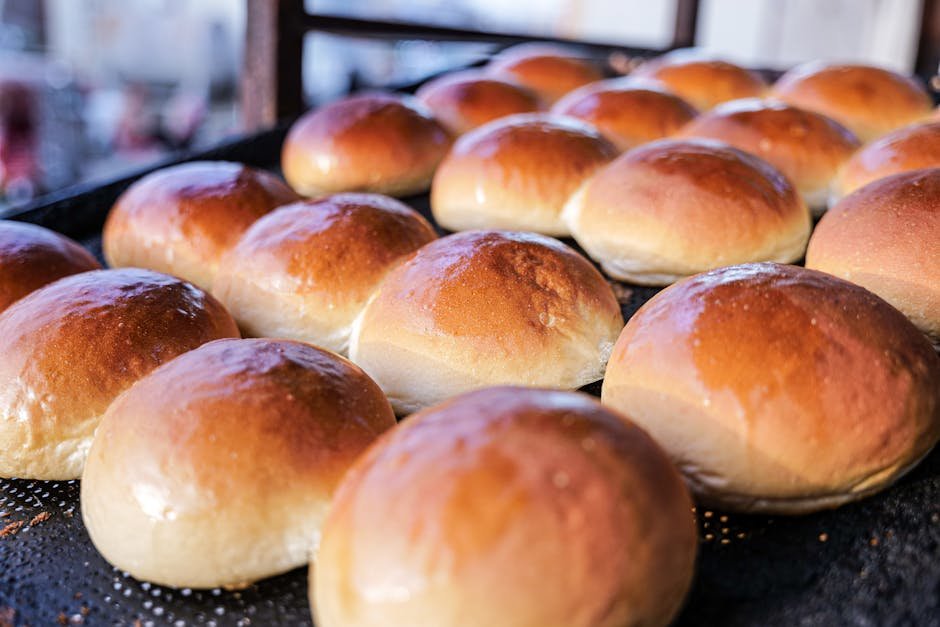
Do you want to enjoy soft, fluffy bread rolls that melt in your mouth every time? Baking perfect bread rolls might seem tricky, but with the right tips, you can easily achieve that light, airy texture.
Imagine pulling warm, golden rolls straight from your oven, filling your home with a delicious aroma and impressing your family or guests. You’ll discover simple, proven techniques to make your bread rolls irresistibly fluffy. Keep reading, and get ready to bake like a pro!
Choosing The Right Flour
Flour is the main ingredient in bread rolls. The type of flour you pick affects how soft and fluffy your rolls will be.
Knowing which flour to use helps you bake rolls with the best texture and taste.
Types Of Flour For Bread Rolls
Different flours have different protein levels. Protein affects gluten, which makes dough stretchy and traps air.
- All-purpose flour:Good for soft rolls but less chewy.
- Bread flour:Has more protein for strong gluten and fluffy texture.
- Whole wheat flour:Adds fiber and flavor but can make rolls denser.
- Pastry flour:Low protein, usually too soft for bread rolls.
Protein Content And Its Effect
Flour with higher protein creates more gluten. This gluten traps air bubbles, helping rolls rise well.
| Flour Type | Protein Content | Effect on Bread Rolls |
| All-purpose flour | 10-12% | Soft but less elastic texture |
| Bread flour | 12-14% | Chewy, fluffy, good rise |
| Whole wheat flour | 13-14% | Denser and heavier rolls |
| Pastry flour | 7-9% | Too soft, less structure |
Blending Flours For Best Results
Mixing flours can give you soft and flavorful rolls. For example, blend bread flour with whole wheat.
Try this simple blend for fluffy bread rolls:
- 70% bread flour
- 30% whole wheat flour
This mix keeps rolls soft but adds nutrition and flavor.

Credit: www.youtube.com
Importance Of Yeast
Yeast plays a key role in baking bread rolls fluffy. It helps dough rise by producing gas bubbles. This creates a soft and light texture in the bread.
Without yeast, bread rolls would be dense and hard. Understanding yeast can improve your baking results greatly.
Types Of Yeast
There are several types of yeast used in baking. Each type works differently and affects bread texture.
- Active dry yeast:Common and easy to store. Needs activation before use.
- Instant yeast:Finer texture. Mixes directly into dry ingredients.
- Fresh yeast:Also called cake yeast. Moist and perishable. Used by professionals.
- Wild yeast:Found in sourdough starters. Gives a unique flavor.
Activating Yeast
Activating yeast means waking it up to start fermentation. This step is important for active dry yeast.
Use warm water between 100°F and 110°F (37°C to 43°C). Too hot water kills yeast. Too cold water slows it down.
- Measure warm water and add a pinch of sugar.
- Sprinkle yeast over the water and wait 5 to 10 minutes.
- Look for foam or bubbles on the surface.
- If no foam forms, the yeast is dead and should be replaced.
- Once active, mix yeast into your dough ingredients.
Proper Dough Kneading
Kneading dough is key to making bread rolls soft and fluffy. It helps develop gluten, which gives the dough structure and stretch.
Good kneading creates a smooth, elastic dough that rises well. Let’s look at some techniques and how to avoid common mistakes.
Techniques For Kneading
Use your hands or a stand mixer to knead the dough. Push the dough away with the heel of your hand, fold it back, and turn it.
- Press and stretch the dough gently
- Fold the dough over itself
- Turn the dough a quarter turn and repeat
- Knead for about 8 to 10 minutes
- Stop when the dough feels smooth and springs back
Avoiding Over-kneading
Too much kneading can break the dough’s structure. This makes rolls dense and tough, not soft and fluffy.
| Signs of Proper Kneading | Signs of Over-Kneading |
| Dough is smooth and elastic | Dough is very stiff and hard to stretch |
| Dough springs back when pressed | Dough tears easily when stretched |
| Dough holds shape well | Dough feels dry or sticky |
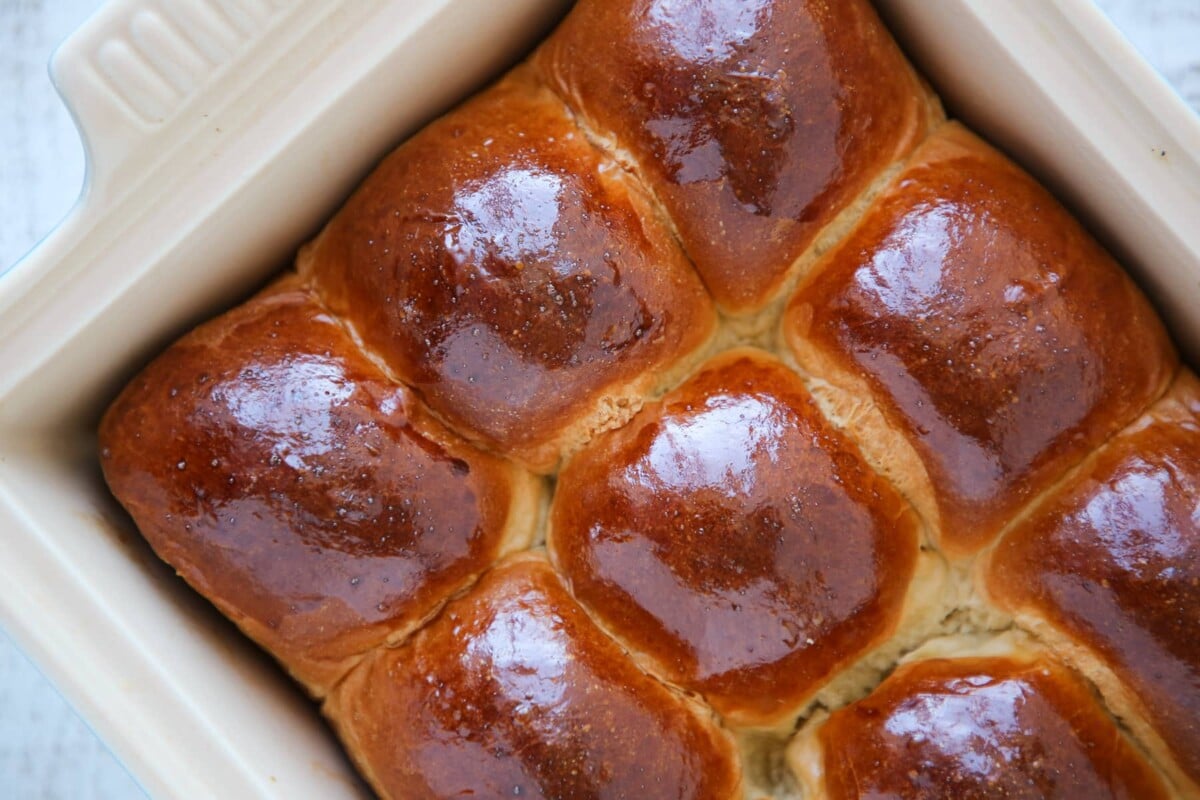
Credit: cheflindseyfarr.com
Perfect Dough Rising
Rising dough is a key step for fluffy bread rolls. Proper rising helps the dough expand with air pockets. This creates soft, light rolls after baking.
Two main factors affect dough rising: temperature and time. Controlling these helps achieve the best texture for your bread rolls.
Ideal Temperature
Dough rises best in a warm, draft-free spot. Yeast activates between 75°F and 85°F (24°C to 29°C). Too cold slows rising. Too hot kills yeast.
- Keep dough covered with a damp cloth to prevent drying.
- Place dough in an oven with just the light on for warmth.
- Use a proofing box or warm room if possible.
- Avoid direct sunlight or heat sources that can overheat dough.
Optimal Rising Time
Rising time depends on room temperature and dough ingredients. Most doughs need 1 to 2 hours to double in size. Avoid rushing this process.
| Rising Time | Temperature | Effect |
|---|---|---|
| Less than 1 hour | Above 85°F (29°C) | Too fast; may cause poor texture |
| 1–2 hours | 75°F to 85°F (24°C to 29°C) | Ideal rising for fluffy rolls |
| More than 2 hours | Below 75°F (24°C) | Slow rising; dough may overproof |
Shaping The Rolls
Shaping bread rolls is a key step for making them soft and fluffy. Proper shaping helps the rolls bake evenly and rise well.
Taking time to shape each roll carefully gives a nice look and texture. Let’s explore ways to shape rolls perfectly.
Techniques For Uniform Shapes
To get rolls of the same size and shape, divide the dough evenly. Use a kitchen scale or measure by eye.
Roll each piece into a smooth ball by tucking edges under. This keeps the shape tight and helps the roll rise up.
- Cut dough into equal pieces for even baking
- Use gentle pressure to form smooth balls
- Turn dough under to create tension on the surface
- Place rolls with space to allow rising
Tips For Seamless Edges
Seamless edges keep rolls from opening during baking. Pinch seams tightly and smooth them out with fingers.
Turn the roll seam-side down on the baking tray. This hides the seam and gives a round shape on top.
- Pinch dough seams firmly to close gaps
- Smooth edges with your fingers for a neat look
- Place rolls seam-side down before baking
- Keep dough surface tight to avoid splits
Baking Temperature And Time
Baking bread rolls needs the right temperature and time. These factors help make rolls soft and fluffy.
Too hot or too long baking can dry out the rolls. Too low heat or too short time can leave them doughy inside.
Preheating The Oven
Always preheat your oven before baking. A steady temperature helps bread rise and bake evenly.
- Set your oven to 375°F (190°C).
- Wait at least 15 minutes to reach full heat.
- Use an oven thermometer for accuracy.
- A hot oven creates a nice crust and soft inside.
Correct Baking Duration
| Baking Time | Roll Size | Result |
| 12-15 minutes | Small (2 inch) | Light, fluffy rolls |
| 15-18 minutes | Medium (3 inch) | Soft and fully baked |
| 18-22 minutes | Large (4 inch) | Thoroughly cooked with crust |
Check rolls near the end of baking. They should be golden brown on top. Tap the bottom; it should sound hollow.
Enhancing Fluffiness
Soft and fluffy bread rolls make every meal better. Small changes in your recipe can improve fluffiness. Two key methods are adding milk or butter and using steam in the oven.
These techniques help create a tender texture and a light crumb. They are simple but effective for better bread rolls.
Adding Milk Or Butter
Milk and butter add moisture and fat to the dough. They soften the gluten and keep rolls tender. This results in fluffier bread rolls.
- Milk adds proteins and sugars that help the crust brown nicely.
- Butter adds richness and keeps the bread soft longer.
- Use whole milk for best results, but any milk works.
- Replace water with milk fully or partially in your recipe.
- Add softened butter to the dough during mixing.
Using Steam In The Oven
Steam helps bread rolls rise well and get a soft crust. It keeps the dough surface moist during baking. This stops the crust from hardening too soon.
| Method | How to Add Steam | Effect on Rolls |
|---|---|---|
| Water Pan | Place a pan with hot water on the oven bottom. | Keeps air moist for a softer crust. |
| Spraying | Spray water inside oven before and during baking. | Creates steam bursts to improve rise. |
| Ice Cubes | Drop ice cubes into hot pan in the oven. | Produces steam slowly for gentle moisture. |
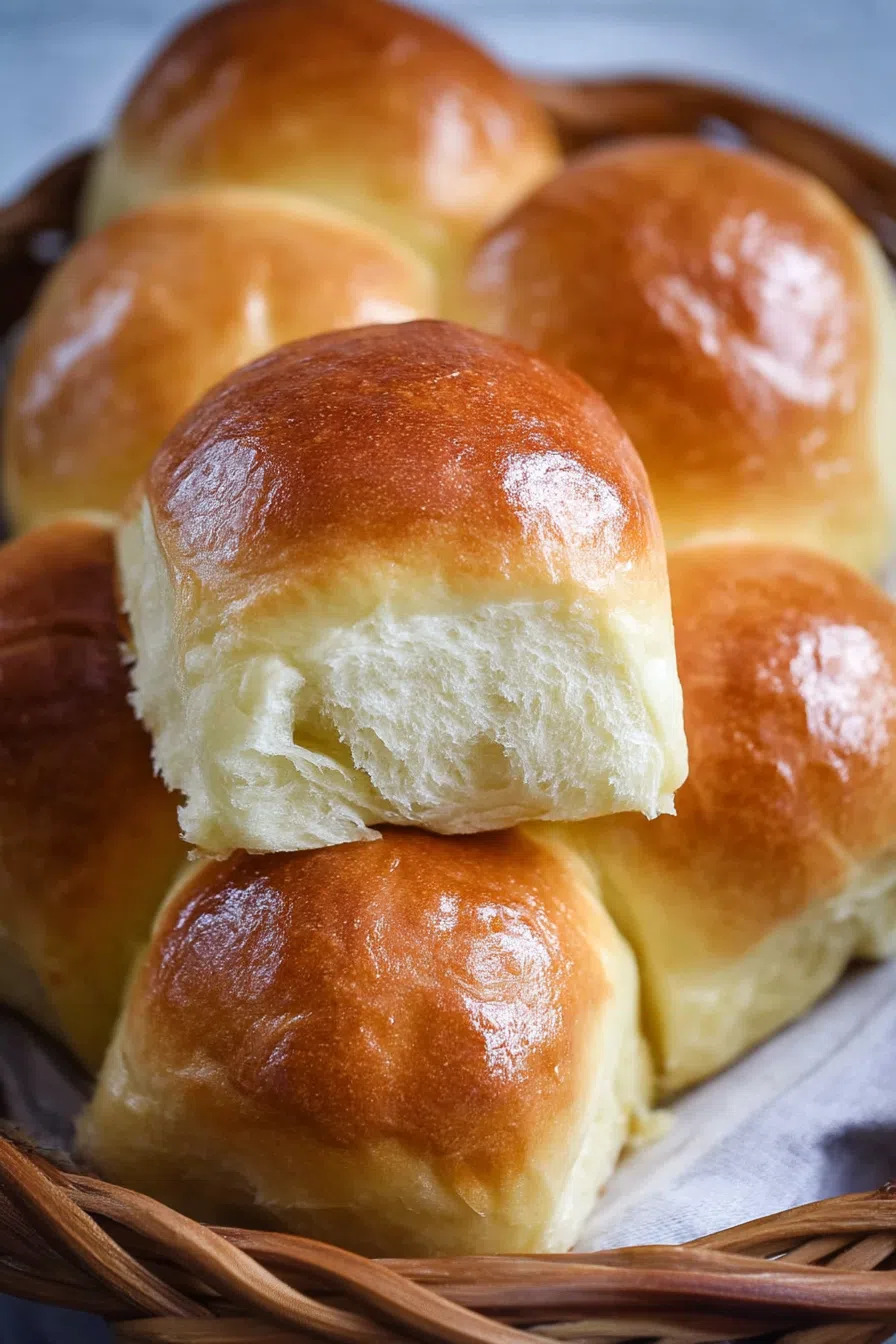
Credit: nodashofgluten.com
Cooling And Storing
Cooling and storing bread rolls correctly keeps them soft and fresh. Proper steps prevent dryness and sogginess.
Learn simple ways to cool and store bread rolls to keep their fluffy texture longer.
Proper Cooling Techniques
After baking, cool bread rolls on a wire rack. This lets air flow around each roll. It stops steam from making crusts wet.
- Remove rolls from the pan right after baking
- Place rolls in a single layer on a wire rack
- Let them cool at room temperature for 20 to 30 minutes
- Avoid stacking rolls while warm to keep crust crisp
Storage Tips For Freshness
Store rolls in a way that keeps moisture balanced. Too much air dries them out, too little makes them soggy.
| Storage Method | Best Use | Duration |
| Plastic bag (sealed) | Short term | 1-2 days |
| Paper bag | Maintains crust | 1-2 days |
| Airtight container | Soft rolls | 2-3 days |
| Freezer (wrapped tightly) | Long term | Up to 3 months |
Frequently Asked Questions
How Do I Make Bread Rolls Fluffy And Soft?
Use bread flour and add enough yeast for good rise. Knead dough well and allow proper proofing. Bake at the right temperature to keep rolls soft and fluffy.
What Ingredients Help Bread Rolls Stay Moist?
Use milk, butter, or oil in the dough. Adding a little sugar and eggs also helps retain moisture and softness in bread rolls.
How Long Should I Proof Dough For Fluffy Rolls?
Proof dough until it doubles in size, usually 1 to 2 hours. Proper proofing ensures light, airy bread rolls with a soft texture.
Can I Use Warm Water For Yeast Activation?
Yes, use warm water around 105°F to 110°F. This temperature activates yeast without killing it, helping rolls rise well and stay fluffy.
Conclusion
Baking fluffy bread rolls takes patience and simple steps. Use fresh ingredients and avoid overmixing the dough. Let the dough rise well to get soft texture. Bake at the right temperature for even cooking. Cool the rolls before cutting to keep fluffiness inside.
Try these tips to enjoy warm, soft bread rolls anytime. Practice makes perfect, so keep baking and enjoy your homemade treats.