
Baking the perfect pie crust can feel tricky, but you’re closer than you think to creating soft, flaky goodness every time. Imagine biting into a pie where the crust melts in your mouth, light and tender, yet holds your favorite filling perfectly.
You don’t need fancy ingredients or complicated steps to get there. With the right tips and simple tricks, your pies will impress everyone at the table. Keep reading, and you’ll discover easy ways to master that dreamy pie crust you’ve been craving.
Choosing The Right Ingredients
Making a soft and flaky pie crust depends on the ingredients you use. Each one plays a key role in the texture and taste.
Using the right flour, butter, and water helps create the perfect crust for your pie.
Selecting The Best Flour
Use all-purpose flour for a good balance of softness and strength. It has enough protein to hold the dough together.
Avoid bread flour because it has too much protein. It makes the crust tough. Pastry flour works well too for a tender crust.
- All-purpose flour: most common choice
- Pastry flour: softer, more tender crust
- Bread flour: too strong, avoid for pie crusts
Importance Of High-quality Butter
Butter adds flavor and helps create flaky layers in the crust. Use unsalted butter to control salt in your recipe.
High-quality butter has more fat and less water. This makes the crust tender and rich. Avoid low-fat butter or margarine.
- Use unsalted butter for better salt control
- High-fat butter creates tender crust
- Avoid low-fat or margarine
Role Of Cold Water
Cold water helps hold the dough together without melting the butter. It keeps the crust flaky and soft.
Add ice-cold water little by little. Too much water makes the dough tough. Keep the dough cool while mixing.
- Use ice-cold water to keep butter solid
- Add water slowly to avoid sticky dough
- Keep dough chilled before baking

Credit: www.ice.edu
Mastering Dough Preparation
Making soft and flaky pie dough starts with good preparation. The dough must be handled carefully to get the right texture.
Each step affects how the pie crust will bake. Focus on mixing, chilling, and rolling for the best results.
Proper Mixing Techniques
Mix flour and fat gently to keep the dough flaky. Use cold butter or shortening for best results.
Mix just until the dough holds together. Overmixing can make the crust tough.
- Use a pastry cutter or fingers to mix fat into flour
- Leave some small lumps of fat for flakiness
- Add cold water little by little to bind the dough
Chilling The Dough
Chill the dough before rolling to let the fat harden. This helps create a flaky texture in the oven.
Wrap the dough in plastic wrap and refrigerate for at least 30 minutes. Avoid skipping this step.
- Chilling prevents dough from shrinking when baked
- Cold dough is easier to roll and shape
- Resting allows gluten to relax, avoiding toughness
Rolling Out The Dough
Roll the dough evenly on a floured surface. Use light pressure to keep the layers intact.
Turn the dough often while rolling. This stops it from sticking and keeps the thickness uniform.
- Start from the center and roll outward
- Keep dough about 1/8 inch thick
- Use flour on the rolling pin and surface to prevent sticking
Filling Flavors And Textures
Pie fillings are key to a soft and flaky pie. The right flavors and textures make a big difference. This guide helps you choose and balance your pie fillings well.
From sweet to tart, fresh to frozen, and thickening tips, these ideas will improve your pie filling every time.
Balancing Sweet And Tart
Good pie filling has a mix of sweet and tart flavors. Too much sugar hides fruit taste. Too much tartness can be sour. Find the right balance to please your taste buds.
- Start with ripe fruit for natural sweetness.
- Add sugar little by little, tasting often.
- Use citrus juice to add a mild tartness.
- Try spices like cinnamon or nutmeg to enhance flavor.
- Adjust based on the fruit type and your preference.
Using Fresh Vs. Frozen Fruits
Fresh fruit gives bright flavors and firm texture. Frozen fruit is easy to store and often picked at peak ripeness. Both can work well in pies.
| Fruit Type | Fresh Fruit | Frozen Fruit |
|---|---|---|
| Flavor | Bright and vibrant | Slightly softer taste |
| Texture | Firm and crisp | Softer, may release more juice |
| Preparation | Wash and slice | Thaw and drain excess liquid |
| Availability | Seasonal only | Year-round |
Thickening Agents For Fillings
Thickening agents stop pie filling from being runny. Each type changes texture and taste a bit. Pick one that fits your fruit and pie style.
- Flour:Easy to use, adds mild thickness.
- Cornstarch:Clear and smooth texture.
- Tapioca:Good for juicy fruits, creates a glossy look.
- Arrowroot:Works well with frozen fruit and delicate flavors.
Mix thickener with sugar before adding to fruit. Cook filling gently to activate thickener.
Perfecting The Baking Process
Baking pies soft and flaky takes care and attention. The right baking process makes a big difference.
Small changes in baking can improve the texture and taste of your pie crust.
Preheating The Oven
Always preheat your oven before placing the pie inside. This helps the crust bake evenly.
Set the oven to the correct temperature and wait until it reaches that heat fully.
- Preheat for at least 20 minutes
- Use an oven thermometer for accuracy
- Place the rack in the middle for even heat
Baking Time And Temperature
Baking time and temperature affect how soft and flaky the crust turns out. Follow the recipe carefully.
Start baking at a higher temperature to set the crust, then lower it to finish baking.
- Begin at 425°F (220°C) for 15 minutes
- Reduce to 350°F (175°C) for 30-40 minutes
- Check the crust regularly to avoid burning
Achieving The Ideal Crust Color
The crust color shows how well the pie has baked. Aim for a golden brown shade.
Too pale means undercooked, too dark means burnt. Watch the pie in the last minutes.
- Use egg wash for a shiny, golden crust
- Cover edges with foil to prevent burning
- Remove foil in the last 10 minutes for color
Troubleshooting Common Issues
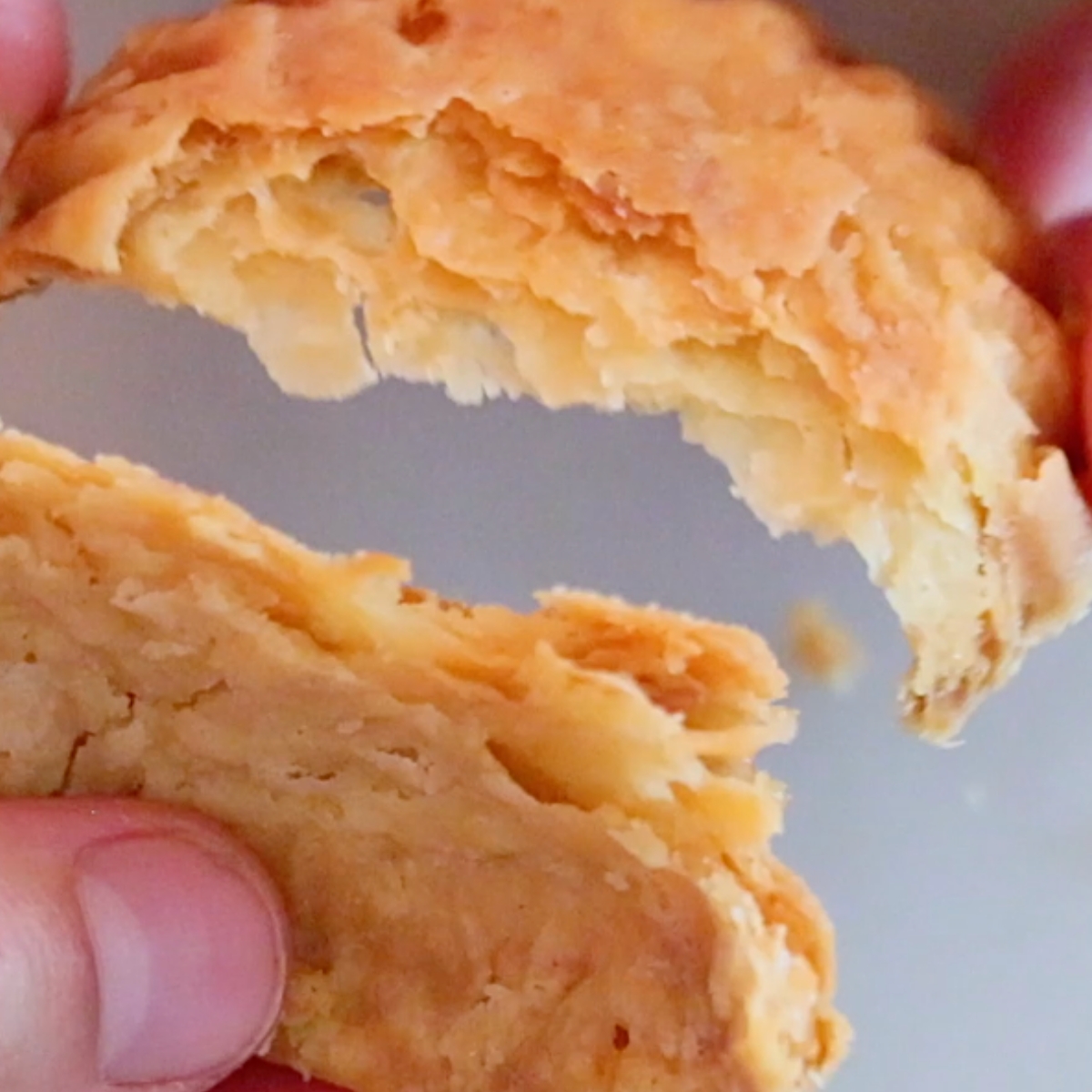
Baking pies can be tricky, especially when aiming for a soft and flaky crust. Many bakers face common problems that affect the pie’s texture and taste.
This guide helps you fix issues like soggy bottoms, cracked crusts, and overbaked pies. These tips will improve your baking results.
Preventing Soggy Bottoms
A soggy bottom crust spoils the pie’s texture. It happens when moisture stays trapped under the crust. You can stop this by following a few simple tips.
- Blind bake the crust before adding filling to keep it crisp.
- Use a metal or glass pie dish for even heat distribution.
- Brush the crust with egg white to create a moisture barrier.
- Drain juicy fillings well before placing them on the crust.
- Bake pies on the lowest oven rack to crisp the bottom.
Avoiding Cracked Crusts
Cracked crusts occur when the dough is too dry or overworked. Proper handling and moisture control help prevent cracks.
| Cause | How to Fix |
| Dough too dry | Add cold water a teaspoon at a time to moisten |
| Overmixing dough | Mix just until ingredients combine, avoid over-kneading |
| Dough too cold | Let dough rest at room temperature before rolling |
| Cracks after rolling | Patch cracks with extra dough and press gently |
Fixing Overbaked Pies
Overbaked pies have dry filling and hard crusts. You can soften the crust and improve the filling with simple methods.
Try these fixes:
- Cover the pie with foil to stop further browning.
- Brush warm pie crust with a little milk or butter for softness.
- Serve with a moist topping like whipped cream or ice cream.
- Store leftovers in airtight containers to keep moisture.
Credit: pastryliving.com
Expert Tips And Tricks
Baking pies with a soft and flaky crust takes some careful techniques. Small changes in your process can improve texture and look.
These tips focus on using egg wash, adding vinegar, and decorating your pie crust for the best results.
Using Egg Wash For Shine
Egg wash adds a golden shine and helps crusts brown evenly. It also helps toppings stick to the crust.
- Beat one egg with a tablespoon of water or milk.
- Brush the mixture lightly on the pie crust before baking.
- Use a clean brush to avoid tearing the dough.
- For extra shine, apply a second coat halfway through baking.
Adding Vinegar For Flakiness
Vinegar helps stop gluten from developing too much. This keeps the crust tender and flaky.
| Type of Vinegar | Amount per 2 cups Flour |
| White Vinegar | 1 teaspoon |
| Apple Cider Vinegar | 1 teaspoon |
| Rice Vinegar | 1 teaspoon |
Add vinegar to the dry ingredients before mixing in the butter and liquid. This keeps the dough soft.
Decorative Crust Techniques
Decorating your pie crust makes it look special and inviting. Simple patterns can add charm.
Try these easy decoration ideas:
- Use a fork to create small holes or lines on the edges.
- Cut shapes like leaves or stars from extra dough and place on top.
- Crimp the edges by pinching with fingers or using a fork.
- Make a lattice crust by weaving strips of dough over the filling.

Credit: scientificallysweet.com
Frequently Asked Questions
How Do I Make Pie Crust Soft And Flaky?
Use cold butter and ice water when making dough. Handle dough minimally to avoid gluten development. Chill dough before rolling to keep it firm and flaky.
What Ingredients Help Create A Flaky Pie Crust?
Butter or shortening adds flakiness by creating steam pockets. Adding a bit of vinegar or vodka helps tenderize the dough. Use cold ingredients for best results.
Why Is Chilling Pie Dough Important?
Chilling solidifies fats and relaxes gluten. This prevents shrinking and promotes flakiness during baking. Always chill dough for at least 30 minutes before rolling out.
How Can I Prevent A Soggy Pie Crust?
Blind bake the crust or use a hot baking sheet. Avoid overfilling with wet fillings. Brush crust with egg wash or melted chocolate to create a moisture barrier.
Conclusion
Baking soft and flaky pies takes practice and care. Use cold ingredients and handle dough gently. Keep the crust chilled before baking. Avoid overworking the dough to keep it tender. Use the right amount of fat for flakiness. Let the pie cool before cutting to keep its shape.
With these simple tips, your pies will turn out delicious every time. Enjoy baking and sharing your tasty creations!