
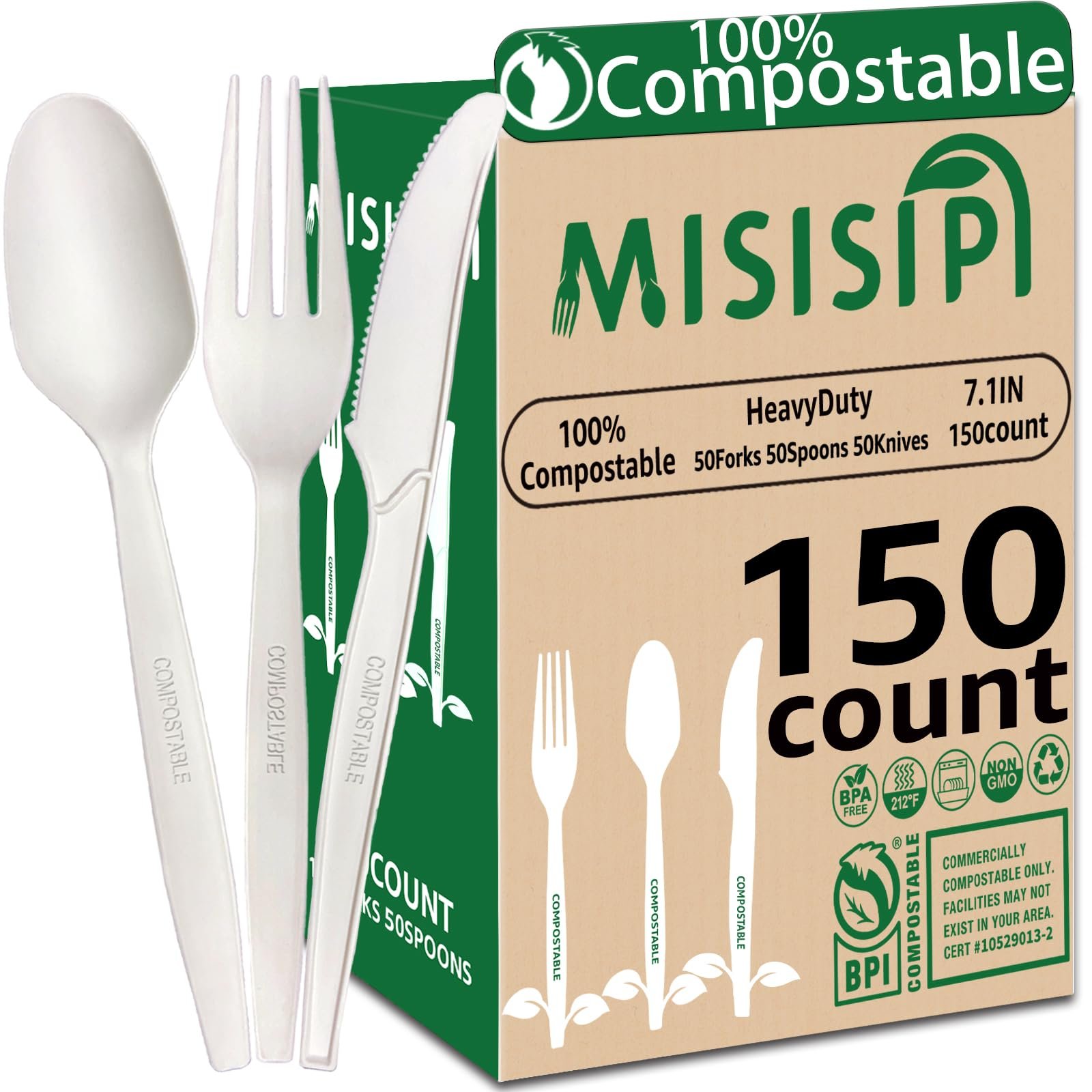
Are you tired of struggling to find cutlery that’s both convenient and kind to the planet? Choosing the right compostable cutlery can feel confusing with so many options out there.
But it doesn’t have to be complicated. This guide will help you make smart choices that fit your needs and support a greener lifestyle. Keep reading, and you’ll discover simple tips to pick cutlery that works for you—and the environment.

Credit: www.bioleaderpack.com
Benefits Of Compostable Cutlery
Compostable cutlery offers a better alternative to plastic utensils. It helps protect the environment and supports green habits.
Using compostable cutlery can reduce waste and promote a cleaner planet. It breaks down naturally, unlike plastic.
Environmental Impact
Compostable cutlery comes from natural materials like corn or bamboo. These materials break down quickly in compost settings.
This process reduces landfill waste and lowers pollution. It also saves energy compared to making plastic cutlery.
Reducing Plastic Waste
- Plastic cutlery takes hundreds of years to decompose.
- Compostable cutlery breaks down in months.
- It lessens the amount of plastic in oceans and landfills.
- Using it cuts down on harmful microplastics in nature.
Supporting Sustainable Practices
| Practice | Benefit |
| Using plant-based materials | Reduces fossil fuel use |
| Choosing compostable products | Supports green industries |
| Proper disposal in compost bins | Enriches soil and cuts waste |
Materials Used In Compostable Cutlery
Choosing compostable cutlery means knowing what materials are used. These materials break down safely after use.
Different materials have unique features. Understanding them helps you pick the best option.
Plant-based Plastics
Plant-based plastics come from natural sources like corn or sugarcane. They look and feel like regular plastic.
These plastics break down faster in compost settings. They reduce plastic waste and pollution.
- Made from renewable plants
- Compostable in industrial facilities
- Strong and lightweight
- Good for single-use items
Bamboo And Wood Options
Bamboo and wood cutlery are natural and sturdy. Bamboo grows quickly, making it a good resource.
Wood cutlery is often made from birch or other soft woods. Both options decompose easily in compost.
- Natural and biodegradable
- Strong and reusable
- Made from fast-growing plants
- Good for outdoor use
Other Biodegradable Materials
Some cutlery uses materials like starch, wheat bran, or palm leaves. These materials break down quickly.
They offer eco-friendly choices beyond plastics and wood. These materials work well for short-term use.
- Made from food waste or plant fibers
- Break down in home composts
- Safe for the environment
- Varied textures and strengths
Certifications To Look For
Choosing compostable cutlery means checking for reliable certifications. These marks prove the product will break down safely in compost settings.
Certifications help you avoid plastics that only claim to be compostable. Let’s explore the main categories you should know.
Compostability Standards
Compostability standards are official rules that products must meet. These standards test if cutlery breaks down properly within a certain time.
- ASTM D6400: For compostable plastics in the US.
- EN 13432: European standard for industrial composting.
- AS 4736: Australian norm for compostable plastics.
Eco-labels And Seals
Eco-labels show that products passed environmental tests. They make it easy to spot trustworthy compostable cutlery on shelves.
| Eco-Label | Meaning | Region |
| Biodegradable Products Institute (BPI) | Certified compostable in industrial facilities | North America |
| Seedling Logo | Complies with EN 13432 compostability requirements | Europe |
| OK Compost | Guaranteed industrial compostability | Europe |
| Compost Australia | Certified for Australian composting standards | Australia |
Third-party Verification
Look for verification by independent groups. They check claims and test cutlery in real compost conditions.
Third-party verification ensures:
- Product meets compostability standards.
- Environmental claims are true.
- Testing is done by trusted labs.
Always check for a clear certification number or report link on packaging.
Durability And Functionality
Choosing the right compostable cutlery means looking at durability and functionality. These factors ensure the cutlery works well and lasts through a meal.
We will explore strength, heat resistance, and suitability for different foods. This helps you pick cutlery that fits your needs.
Strength And Usability
Strong cutlery does not break or bend easily. It makes eating easier and less messy. Usability means the cutlery feels comfortable in your hand.
- Look for cutlery made from durable materials like cornstarch or bamboo
- Check if the handles are thick enough to hold firmly
- Make sure the utensils have sharp edges for cutting or scooping
- Choose designs that balance comfort and strength
Heat Resistance
Heat resistance is important if you eat hot foods or drinks. Some compostable cutlery melts or softens at high temperatures.
| Material | Heat Resistance | Notes |
| PLA (Polylactic Acid) | Low | Softens above 120°F (49°C) |
| Bamboo | High | Resists heat well, good for hot foods |
| Cornstarch | Medium | Handles warm foods but not very hot |
| Wood | High | Durable with heat, natural look |
Suitability For Different Foods
Different foods need different cutlery types. Some work better with salads, others with soups or meats.
Consider these points for food suitability:
- Forks with sharp tines for salads and vegetables
- Spoons with deep bowls for soups and stews
- Knives with sturdy edges for cutting meats
- Choose cutlery that does not absorb food flavors or liquids
Cost And Availability
Choosing compostable cutlery depends on how much it costs and how easy it is to find. These factors affect your budget and planning.
Knowing the price differences and where to buy can help you get the best value for your needs.
Price Comparison
Compostable cutlery prices vary by material and brand. Some types cost more but last longer or look better.
| Type of Cutlery | Price per 100 Pieces |
| Cornstarch | $15 |
| Bamboo | $25 |
| Wooden | $20 |
| Sugarcane | $18 |
Bulk Buying Options
Buying in bulk can lower the cost per piece. Many suppliers offer discounts for large orders.
- Check minimum order quantities before buying
- Compare bulk prices from different vendors
- Look for seasonal sales or promotions
- Consider storage space for large orders
Where To Purchase
Compostable cutlery is available from many sources. Online stores often have more options and better prices.
Local eco shops and wholesalers also carry these products. Check availability before deciding where to buy.
Credit: www.bioleaderpack.com
Disposal And Composting Tips
Choosing compostable cutlery helps reduce plastic waste. Proper disposal ensures these items break down correctly. Knowing how to compost or dispose of them is key.
This guide covers home composting versus industrial composting, proper disposal methods, and how to avoid contamination. Follow these tips to protect the environment.
Home Composting Vs Industrial
Not all compostable cutlery breaks down well at home. Some need high heat and special conditions found in industrial composting facilities. Check product labels for composting instructions.
- Home composting suits cutlery made from materials like bamboo or cornstarch.
- Industrial composting handles items that need higher temperatures to decompose.
- Using the wrong composting method may leave plastic residues behind.
- Local composting rules may limit what you can compost at home.
Proper Disposal Methods
Dispose of compostable cutlery according to local waste rules. Use compost bins if available. Avoid putting them in regular trash or recycling bins.
| Disposal Option | Use For | Notes |
| Home Compost Bin | Bamboo, cornstarch cutlery | Slow breakdown, needs oxygen and moisture |
| Industrial Compost Facility | Certified compostable plastics | High heat speeds decomposition |
| Landfill | Non-compostable or unknown materials | Avoid if possible, breaks down slowly |
| Recycling Bin | Not suitable | Compostable cutlery usually contaminates recycling |
Avoiding Contamination
Contamination harms composting. Non-compostable items mixed with compostables can cause waste rejection. Clean cutlery before disposal to remove food residue.
- Rinse cutlery to remove leftover food.
- Do not mix plastic or metal utensils with compostables.
- Check local compost rules before disposal.
- Separate compostable cutlery from regular trash and recycling.
Common Myths And Misconceptions
Choosing compostable cutlery can be confusing. Many myths and wrong ideas make it hard to know what is true.
This guide explains common myths about compostable cutlery. It helps you understand what matters most.
Biodegradable Vs Compostable
People often think biodegradable and compostable mean the same thing. They do not. Biodegradable means the item breaks down over time. Compostable means it breaks down into safe, natural parts.
- Biodegradable cutlery might leave harmful residues.
- Compostable cutlery breaks down fully in composting conditions.
- Compostable items must meet specific standards to be labeled as such.
Breakdown Timeframes
Many think compostable cutlery breaks down quickly everywhere. It does not. Breakdown depends on conditions like temperature and moisture.
| Material Type | Typical Breakdown Time | Conditions Needed |
| PLA (Polylactic Acid) | 90–180 days | Industrial composting |
| Wood or Bamboo | 1–6 months | Home or industrial compost |
| Biodegradable Plastic | Varies greatly | Often needs special facilities |
Environmental Claims
Some products claim to be eco-friendly but are not fully compostable. Look for clear labels and certifications. Check if local composting facilities accept the cutlery.
- Not all “biodegradable” cutlery is compostable.
- Compostable cutlery needs specific conditions to break down.
- Certification logos help verify true compostability.
- Home composting and industrial composting have different rules.
Credit: www.bioleaderpack.com
Frequently Asked Questions
What Is Compostable Cutlery Made Of?
Compostable cutlery is typically made from natural materials like cornstarch, sugarcane, or bamboo. These materials are biodegradable and break down in composting environments. They offer an eco-friendly alternative to traditional plastic cutlery. Using compostable cutlery helps reduce landfill waste and supports sustainable practices.
How Does Compostable Cutlery Benefit The Environment?
Compostable cutlery decomposes quickly, reducing landfill waste and pollution. It supports sustainable practices by using renewable resources. This type of cutlery reduces reliance on fossil fuels and minimizes carbon footprint. Using compostable cutlery promotes a circular economy, enhancing environmental conservation and promoting eco-friendly choices.
Can Compostable Cutlery Be Used For Hot Foods?
Yes, compostable cutlery can handle hot foods without breaking down. It’s designed to withstand heat and maintain its integrity. However, check the manufacturer’s instructions for specific temperature limits. This ensures optimal performance and longevity of the cutlery when used with hot meals.
How Do You Dispose Of Compostable Cutlery?
Dispose of compostable cutlery in a commercial composting facility for best results. If unavailable, use a home composting system, ensuring proper conditions for decomposition. Avoid placing it in regular trash to prevent ending up in landfills. Proper disposal supports environmental sustainability and waste reduction efforts.
Conclusion
Choosing the right compostable cutlery helps protect our planet. Check the materials and certifications carefully. Think about how you will use and dispose of them. Compostable cutlery breaks down faster than plastic, reducing waste. Small steps like this make a big difference over time.
Keep your choices simple and eco-friendly. Every effort counts toward a cleaner environment. Start today and help reduce plastic pollution.