
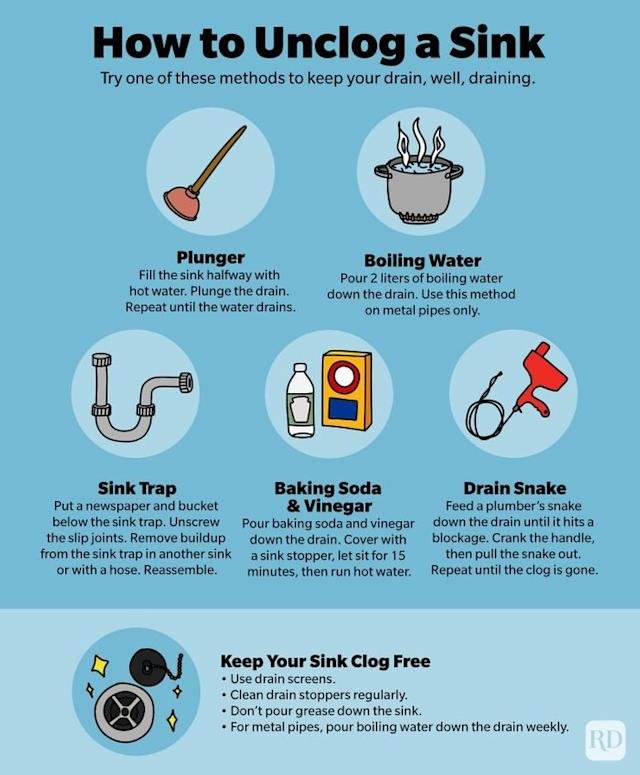
Is your sink drain slow or smelly? You don’t have to reach for harsh chemicals to fix it.
Cleaning your sink drain naturally is easier than you think, and it’s better for your home and health. Imagine a fresh, clear drain without the worry of toxic fumes or damage to your pipes. You’ll discover simple, effective ways to clean your sink drain using ingredients you probably already have at home.
Keep reading to find out how to make your drain work like new—safely and naturally.
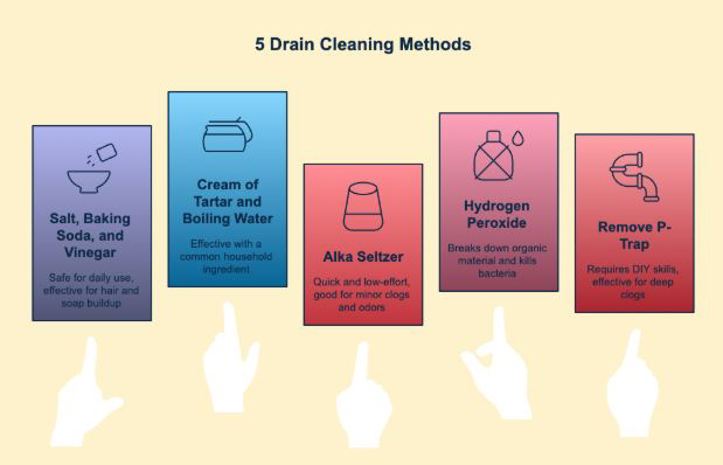
Credit: www.ars.com
Common Causes Of Clogged Drains
Clogged drains often happen because of things that build up inside the pipes. Knowing what causes blockages helps you keep your sink drain clear.
Three common causes of clogged drains include food particles and grease, hair and soap residue, and mineral buildup.
Food Particles And Grease
Food bits and grease easily get stuck in the drain. Grease cools down and hardens, trapping food particles inside the pipes.
- Leftover food scraps
- Cooking oils and fats
- Butter and cheese
- Starchy foods like pasta and rice
Hair And Soap Residue
Hair strands mix with soap and form sticky clumps. These clumps slowly block the flow of water in your drain.
| Cause | Effect |
|---|---|
| Hair | Forms tangles that trap debris |
| Soap residue | Leaves a sticky layer inside pipes |
| Combination | Creates dense clogs |
Mineral Buildup
Hard water leaves minerals like calcium inside pipes. Over time, these minerals build up and narrow the drain.
- White or chalky deposits inside the drain
- Slow water flow due to narrow pipes
- Possible pipe damage if buildup is heavy
Benefits Of Natural Cleaning Methods
Cleaning your sink drain naturally helps keep your home fresh and safe. It avoids harsh chemicals that can harm the environment and your health.
Using natural methods is easy and effective. It also saves money and protects your family from dangerous substances.
Environmental Advantages
Natural cleaning uses ingredients like baking soda and vinegar. These do not pollute water or soil. They break down safely and do not harm plants or animals.
- Reduces chemical waste
- Prevents water pollution
- Supports wildlife health
- Decreases plastic bottle use
Cost-effectiveness
Natural cleaners are often cheaper than store-bought products. You can use common kitchen items you already have. This reduces the need to buy special cleaners.
| Natural Ingredient | Approximate Cost |
| Baking Soda (1 lb) | $1.00 |
| White Vinegar (1 qt) | $2.00 |
| Lemon Juice (1 cup) | $0.75 |
| Salt (1 lb) | $0.50 |
Safety For Household
Natural cleaners do not release harmful fumes. They are safer around children and pets. You can clean without worrying about skin irritation or breathing problems.
- Non-toxic ingredients
- Gentle on skin
- No strong chemical smells
- Safe if accidentally ingested in small amounts
Essential Ingredients For Natural Cleaning
Cleaning your sink drain naturally uses simple ingredients you can find at home. These items help remove clogs and odors safely.
Using natural cleaners avoids harsh chemicals and keeps your drain fresh and clear.
Baking Soda And Vinegar
Baking soda and vinegar create a fizzy reaction that helps break down grime. This mix cleans the drain without damage.
Pour baking soda down the drain first, then add vinegar. Let it sit for 15 minutes before flushing with hot water.
- Baking soda neutralizes odors
- Vinegar dissolves buildup
- Reaction loosens clogs
- Hot water clears debris
Lemon Juice
Lemon juice is acidic and kills bacteria in the drain. It also leaves a fresh scent behind.
Pour lemon juice down the drain and let it sit for 10 minutes. Rinse with warm water to clean and freshen.
- Natural acid breaks down grease
- Kills odor-causing bacteria
- Leaves a clean, fresh smell
Salt And Hot Water
Salt scrubs away grime inside the pipes. Hot water helps dissolve grease and flushes away debris.
Pour salt into the drain, then pour boiling hot water. Repeat this weekly to keep the drain clean.
- Salt acts as a natural scrub
- Hot water melts grease
- Flushes out dirt and buildup
Step-by-step Cleaning Process
Cleaning your sink drain naturally helps keep it clear and fresh. You can do this without harsh chemicals. Follow simple steps to clean it safely and effectively.
This guide shows you how to use common household items. These steps will remove clogs and odors from your drain.
Preparing The Sink Drain
Start by clearing any visible debris from the drain. Remove food scraps or hair that may block the drain opening.
Run hot water for a few minutes to loosen any grease or buildup inside the pipes. This helps the cleaning agents work better.
Applying Baking Soda And Vinegar
Pour half a cup of baking soda directly into the drain. Baking soda helps break down grime and neutralize odors.
Next, add half a cup of white vinegar slowly. The mix will fizz and bubble, which loosens dirt inside the pipes.
- Let the mixture sit for 15-20 minutes.
- Do not use the drain during this time.
- After waiting, flush the drain with hot water.
Using Lemon Juice For Freshness
Pour a quarter cup of lemon juice down the drain. Lemon juice removes odors and leaves a fresh scent.
Let it sit for 5 minutes, then rinse with hot water. The natural acid helps clean and freshen the drain.
Preventive Measures For Future Clogs
Keeping your sink drain clear helps avoid slow drainage and bad smells. Simple daily habits can prevent clogs naturally.
Using natural cleaning methods and proper care protects your pipes and saves time on repairs.
Regular Maintenance Routine
Clean your sink drain weekly with natural ingredients like baking soda and vinegar. This removes build-up and stops blockages.
- Pour half a cup of baking soda into the drain.
- Follow with half a cup of white vinegar.
- Let it sit for 15 minutes to fizz and break down debris.
- Flush with hot water to clear the pipes.
Proper Disposal Of Waste
Avoid putting grease, coffee grounds, and large food scraps down the sink. These cause clogs over time.
| Waste Type | Disposal Method |
|---|---|
| Grease and Oil | Collect in a container, then throw in the trash |
| Coffee Grounds | Compost or trash, not the drain |
| Food Scraps | Use a trash bin or compost |
| Eggshells | Trash or compost, avoid sink disposal |
Using Sink Strainers
Sink strainers catch hair, food, and other debris before they enter the drain. Use them every time you wash dishes.
- Choose strainers that fit your sink drain well.
- Empty and clean strainers daily to keep water flowing.
- Replace damaged strainers to maintain effectiveness.
:max_bytes(150000):strip_icc()/cleaning-a-garbage-disposal-2718863-20-ca02806e899940a982a72bc86fa1e42f.jpg)
Credit: www.thespruce.com
Troubleshooting Persistent Clogs
Clogged sink drains can be frustrating to fix. Some blockages are easy to clear. Others need more effort and tools.
Using natural methods helps keep your drain clean without harsh chemicals. If clogs stay after cleaning, try these steps.
When To Use A Plunger
A plunger works well for clogs caused by food, grease, or soap buildup. It uses pressure to push the blockage away.
Make sure to cover the drain fully with the plunger cup. Pump it up and down several times before checking if water drains.
- Use a sink plunger, not a toilet plunger
- Seal the overflow hole with a wet cloth
- Try plunging 5 to 10 times per session
- Repeat if needed but avoid too much force
Trying A Drain Snake
A drain snake is a flexible tool that clears blockages deeper in the drain pipe. It works well for tough clogs.
Insert the snake into the drain and turn it clockwise. This breaks up or hooks the clog for removal.
- Use a manual or electric drain snake
- Insert slowly to avoid pipe damage
- Pull out debris after catching the clog
- Flush drain with hot water after use
Seeking Professional Help
If clogs stay after trying home methods, call a plumber. Persistent blockages may need special tools or repairs.
Professionals can find hidden pipe problems and fix them safely. Avoid forcing tools if you are unsure.
- Call a plumber if water drains slowly after efforts
- Do not use harsh chemicals without advice
- Schedule regular drain cleaning for prevention
- Ask about natural cleaning options from experts
Maintaining A Clean Drain
Keeping your sink drain clean helps prevent bad smells and clogs. Using natural methods is safe and easy.
Regular care keeps water flowing smoothly and your kitchen fresh.
Weekly Cleaning Schedule
Clean your drain once a week to stop buildup. Use natural ingredients that do not harm pipes or the environment.
- Pour half a cup of baking soda down the drain.
- Follow with half a cup of white vinegar.
- Let it fizz for 15 minutes to break down grime.
- Flush with boiling water to clear loosened debris.
- Repeat weekly for best results.
Seasonal Deep Cleaning
Every few months, do a deep clean to remove tough clogs and buildup. This keeps your drain healthy long-term.
| Item | Natural Cleaner | Purpose |
| Boiling Water | None | Melts grease and flushes dirt |
| Baking Soda | Alkaline powder | Breaks down organic matter |
| White Vinegar | Acidic liquid | Reacts with baking soda to lift grime |
| Salt | Coarse grain | Scrubs pipe walls when flushed |
Mix salt with baking soda and vinegar for a stronger clean. Let sit before flushing with boiling water.
Monitoring For Early Signs Of Clogs
Watch for slow draining or gurgling sounds. These signs mean a clog may form soon.
- Water drains slowly after use
- Unusual noises from the drain
- Foul odors near the sink
- Water backup when washing dishes
Act quickly if you notice these signs. Clean the drain with natural methods to stop bigger problems.

Credit: www.ars.com
Frequently Asked Questions
How Do I Naturally Clean A Sink Drain?
Use baking soda and vinegar to clean naturally. Pour baking soda down the drain, then add vinegar. Let it fizz for 15 minutes. Flush with hot water to remove buildup and odors safely.
What Natural Ingredients Unclog Sink Drains Effectively?
Baking soda, vinegar, and hot water are effective natural ingredients. They break down grease and debris without chemicals. These ingredients are safe for pipes and the environment.
How Often Should I Clean My Sink Drain Naturally?
Clean your sink drain naturally once a month. Regular cleaning prevents clogs and bad odors. It maintains smooth drainage and extends pipe life.
Can Lemon Juice Help Clean My Sink Drain Naturally?
Yes, lemon juice helps clean and deodorize drains naturally. Its acidity breaks down buildup and leaves a fresh scent. Combine with baking soda for better results.
Conclusion
Cleaning your sink drain naturally keeps your home safe and fresh. Simple ingredients like baking soda and vinegar work well. These methods avoid harsh chemicals that can harm pipes and health. Regular cleaning stops bad smells and clogs. It saves money by preventing expensive repairs.
Try natural cleaning often for best results. Easy, safe, and eco-friendly. A small effort makes a big difference. Your sink will stay clean and clear. Why not start today?