
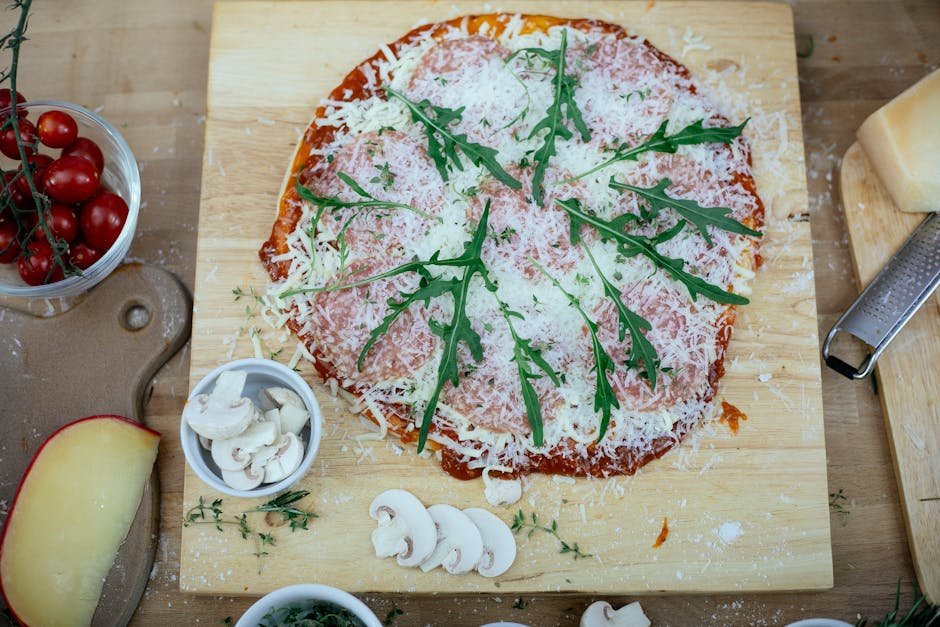
Are you ready to take your homemade pizza to the next level? The secret lies in your sauce.
Making pizza sauce from scratch might sound tricky, but with the right tips, it’s easier than you think. Imagine tasting a rich, fresh sauce that perfectly blends with your toppings and crust. In this post, you’ll discover simple tricks that turn basic ingredients into a mouthwatering sauce your whole family will love.
Keep reading, and you’ll never look at store-bought sauce the same way again.
Choosing The Right Tomatoes
Good pizza sauce starts with the right tomatoes. The taste and texture depend on the tomato choice. Picking the best type helps create a rich and fresh sauce.
This guide explains fresh versus canned tomatoes and which varieties work best for pizza sauce.
Fresh Vs. Canned Options
Fresh tomatoes give a bright and natural flavor. They work well in summer when tomatoes are ripe and juicy. Canned tomatoes offer convenience and consistent taste year-round.
- Fresh tomatoes need cooking to soften and blend flavors.
- Canned tomatoes are usually peeled and packed when ripe.
- San Marzano canned tomatoes are a popular choice for sauces.
- Choose whole or crushed canned tomatoes for better texture control.
Varieties For Optimal Taste
| Tomato Variety | Flavor Profile | Best Use |
|---|---|---|
| Roma | Meaty and low in water | Fresh sauce with thick texture |
| San Marzano | Sweet and less acidic | Canned sauce with smooth taste |
| Beefsteak | Juicy and mild | Fresh sauce, needs cooking down |
| Plum | Firm and sweet | Fresh or canned sauce |
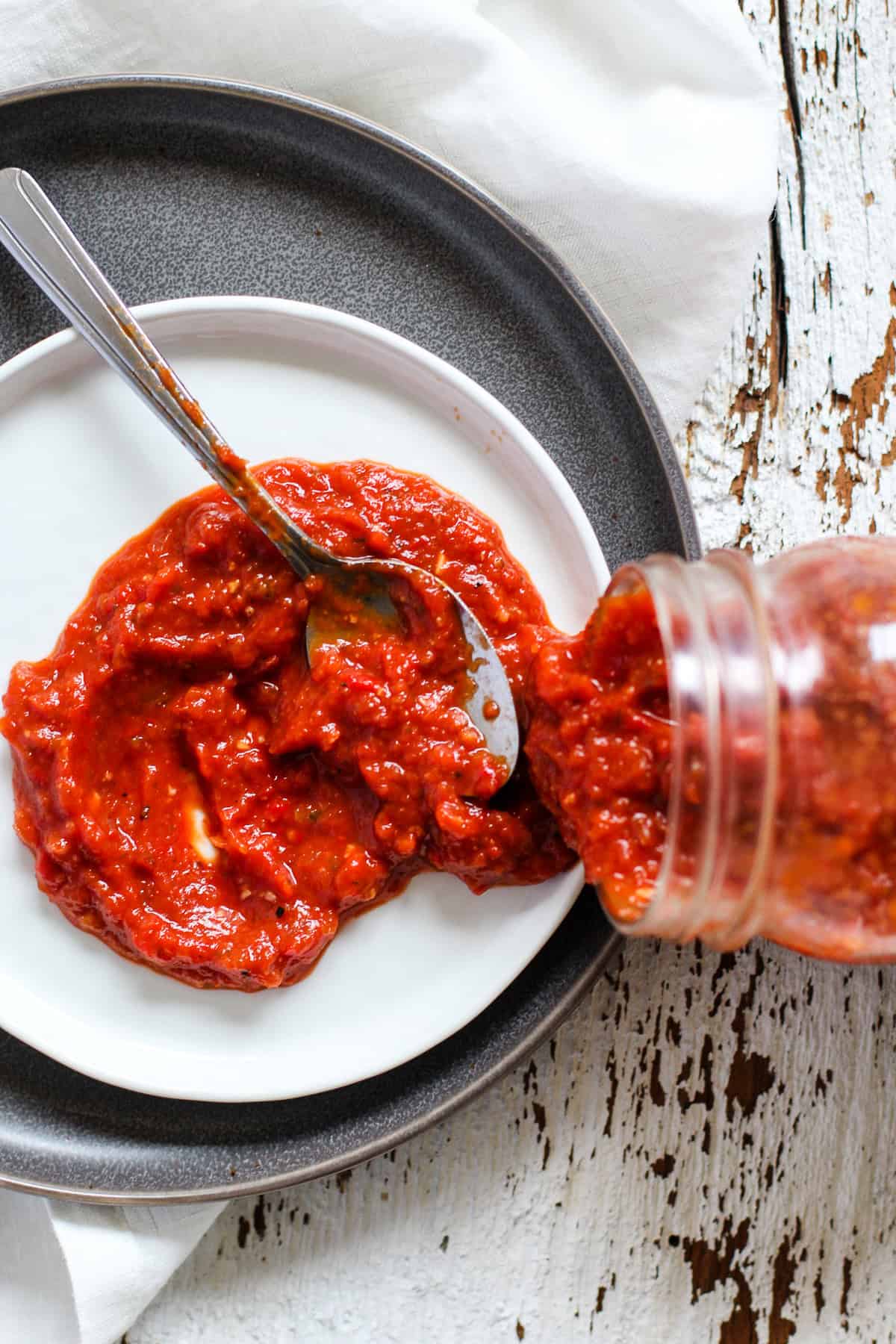
Credit: www.rootsandradishes.com
Essential Ingredients For Flavor
Making pizza sauce from scratch lets you control the taste. Fresh ingredients bring a rich and bold flavor.
Choosing the right ingredients helps create a sauce that is tasty and balanced.
Herbs And Spices
Herbs and spices add aroma and depth to pizza sauce. They give the sauce a classic Italian taste.
Common herbs include basil, oregano, and thyme. Spices like garlic powder and red pepper flakes add flavor and heat.
- Basil: sweet and fresh flavor
- Oregano: earthy and slightly bitter
- Thyme: subtle and woodsy
- Garlic powder: sharp and savory
- Red pepper flakes: mild heat
Sweeteners And Acidity Balancers
Sweeteners balance the sauce’s acidity from tomatoes. They soften the sharp taste and add mild sweetness.
Acidity balancers like lemon juice or vinegar brighten the sauce. They keep the flavor fresh and lively.
- Sugar: classic sweetener that smooths acidity
- Honey: natural sweetener with floral notes
- Lemon juice: adds brightness and tang
- Red wine vinegar: provides a mild sharpness
The Art Of Simmering
Simmering is a key skill for making pizza sauce from scratch. It helps develop rich flavors and the right texture.
Controlling heat and time during simmering changes how your sauce tastes and feels. Let’s explore two important parts.
Achieving The Perfect Consistency
The sauce should be thick but not too dry. Simmer slowly to let water evaporate and flavors concentrate.
- Use medium-low heat to avoid burning
- Stir often to prevent sticking
- Simmer until sauce coats the back of a spoon
- Adjust thickness by adding water or cooking longer
Balancing Cooking Time And Flavor Depth
Longer simmering brings out deep flavors but can change texture. Find the right balance for your taste.
| Simmer Time | Effect on Flavor | Effect on Texture |
| 10-15 minutes | Light, fresh tomato taste | Thin and watery |
| 20-30 minutes | Richer and more blended | Thicker and smoother |
| Over 40 minutes | Strong, deep flavor | Very thick, may lose freshness |
Enhancing With Aromatics
Making pizza sauce from scratch is easier with aromatics. They add rich flavor and depth to the sauce.
Using fresh ingredients like garlic, onions, and peppers will brighten your sauce. These simple additions make a big difference.
Garlic And Onion Techniques
Start by finely chopping or mincing garlic and onions. This helps release their natural oils and flavors.
Sauté them gently in olive oil until soft and fragrant. Avoid browning to keep a sweet taste.
- Use fresh garlic for a strong aroma
- Cook onions slowly to bring out sweetness
- Add these early to infuse the oil
Adding Layers With Peppers And More
Add diced bell peppers or crushed red pepper flakes to enhance flavor. They provide sweetness or heat.
Other herbs like basil, oregano, and thyme also add freshness. Add them towards the end of cooking.
- Diced bell peppers add mild sweetness
- Red pepper flakes add a spicy kick
- Fresh herbs brighten the sauce
- Add herbs late to keep flavor strong
Adjusting For Texture
Texture is key to making tasty pizza sauce from scratch. You can make your sauce smooth or chunky. Each texture changes how your pizza tastes and feels.
Adjusting the texture is easy. It depends on your tools and how long you blend or chop the ingredients.
Smooth Vs. Chunky Sauces
Smooth sauce feels soft and creamy. It spreads evenly on the pizza dough. It helps the cheese melt nicely over the sauce.
Chunky sauce has small tomato pieces. It gives a fresh, rustic taste. You can see bits of tomato, onion, or herbs in the sauce.
- Smooth sauce is good for thin-crust pizzas.
- Chunky sauce works well on thick crusts.
- Smooth sauce blends well with spices.
- Chunky sauce adds texture and bite.
Using Blenders And Food Processors
Blenders and food processors help control sauce texture. Use a blender for a very smooth sauce. It breaks down tomatoes completely.
Food processors chop ingredients without making them too fine. This is great for chunky sauce. You can pulse to get the size you want.
- Blend longer for smooth sauce.
- Pulse in food processor for chunky sauce.
- Add less liquid for thicker sauce.
- Use fresh or canned tomatoes for different textures.

Credit: sipbitego.com
Storing And Preserving Sauce
Making pizza sauce from scratch is fun and tasty. To enjoy it later, you need to store it properly.
Good storage keeps the sauce fresh and safe to eat. Let’s look at ways to store and preserve your sauce.
Refrigeration Tips
Keep your sauce in a clean, airtight container. This stops air and germs from spoiling it.
Store the sauce in the fridge for up to five days. Check for any smell or color change before using.
- Use glass jars or plastic containers with tight lids
- Label the container with the date you made the sauce
- Keep sauce at the back of the fridge, where it is coldest
- Do not leave sauce out at room temperature for long
Long-term Freezing Methods
Freeze your sauce to keep it fresh for months. Use freezer-safe containers or bags for best results.
Divide the sauce into small portions. This way, you only thaw what you need without waste.
- Leave space in containers for sauce to expand when frozen
- Seal containers well to avoid freezer burn
- Label each container with the freezing date
- Thaw sauce in the fridge overnight before use
Creative Twists On Traditional Sauce
Making pizza sauce from scratch lets you explore flavors beyond the usual. You can try new ingredients and blends to create unique tastes. This guide shares ideas for fresh sauce variations.
Adding creative touches to your sauce can make your pizza special. Use different herbs, spices, and even fruits. This way, your pizza will stand out with every bite.
Incorporating Unique Ingredients
Try adding unexpected ingredients to your sauce for new flavors. Some ideas include roasted garlic, sun-dried tomatoes, or smoked paprika. These ingredients bring depth and richness.
- Roasted garlic for a sweet, mellow taste
- Sun-dried tomatoes to add a tangy punch
- Smoked paprika for a smoky warmth
- Fresh basil and oregano for classic herb notes
- Red pepper flakes to add some heat
Fusion Flavors For Modern Pizzas
Mixing flavors from different cuisines can make your sauce exciting. Try blending tomato sauce with ingredients like soy sauce or curry powder. These combinations fit well with creative pizza toppings.
| Fusion Ingredient | Flavor Profile | Suggested Use |
| Soy Sauce | Salty and umami | Add a small splash to balance sweetness |
| Curry Powder | Spicy and aromatic | Mix in for a subtle spicy kick |
| Chipotle Peppers | Smoky and spicy | Blend for smoky heat |
| Pesto | Herbaceous and nutty | Stir in for a fresh twist |
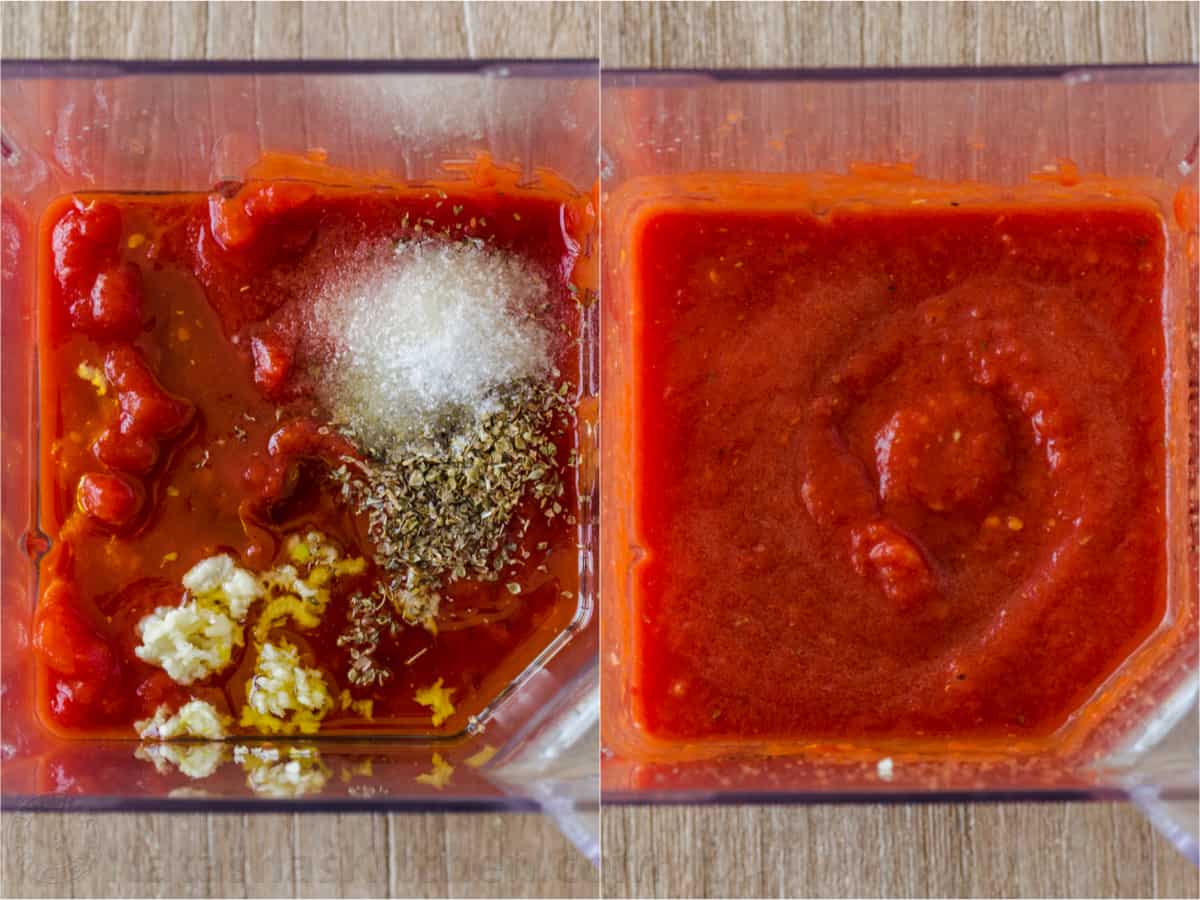
Credit: natashaskitchen.com
Frequently Asked Questions
What Ingredients Are Needed For Homemade Pizza Sauce?
You need fresh tomatoes, olive oil, garlic, salt, sugar, and herbs like basil and oregano. These create a rich, flavorful sauce perfect for pizza.
How Long Should I Cook Pizza Sauce From Scratch?
Simmer your sauce for 20 to 30 minutes. This allows flavors to blend and the sauce to thicken properly.
Can I Use Canned Tomatoes For Pizza Sauce?
Yes, canned tomatoes are a great alternative. Use high-quality whole peeled tomatoes for the best taste and texture.
How Can I Make Pizza Sauce Without Added Sugar?
Use ripe tomatoes naturally rich in sweetness. Balance acidity with a pinch of salt and herbs instead of sugar.
Conclusion
Making pizza sauce from scratch brings great taste to your meals. Fresh ingredients create rich and natural flavors. You control what goes into your sauce. This helps keep it healthy and delicious. Try different herbs and spices for variety. Practice will improve your sauce every time.
Enjoy the process and have fun cooking. Your homemade sauce will make pizzas special. Simple steps lead to tasty results. Give it a try and enjoy your pizza!