
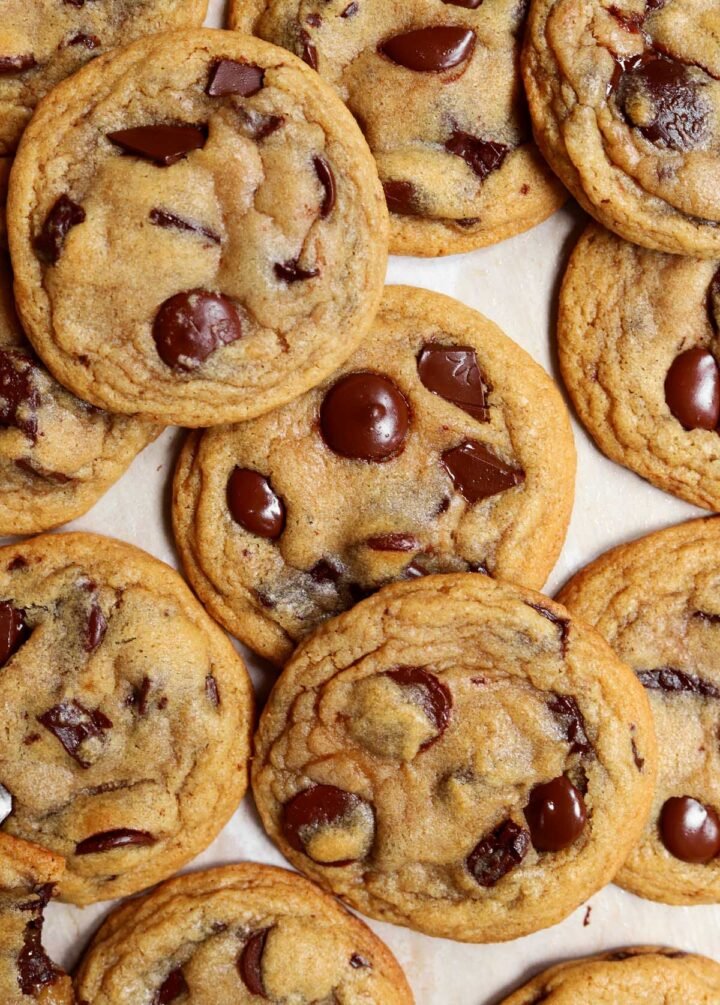
Do you want to bake cookies that stay soft and chewy every single time? Imagine biting into a cookie that melts in your mouth, with just the right amount of gooeyness and tenderness.
If you’ve ever struggled with cookies turning out too hard or dry, you’re not alone. But don’t worry—there are simple tricks you can use to get that perfect soft and chewy texture. Keep reading, because by the end of this article, you’ll know exactly how to bake cookies that everyone will love to eat again and again.
Choosing The Right Ingredients
Soft and chewy cookies start with the right ingredients. Each choice affects how your cookies turn out.
Picking fresh and proper ingredients helps create the perfect texture and taste.
Importance Of Fresh Ingredients
Fresh ingredients make your cookies taste better. Old ingredients can change flavor and texture.
Use fresh eggs, butter, and baking powder for best results. Check expiration dates before baking.
- Fresh butter adds creaminess and softness
- New baking powder helps cookies rise properly
- Fresh eggs improve binding and moisture
Selecting The Best Flour
Flour type changes cookie texture. All-purpose flour is best for soft, chewy cookies.
Too much protein in flour makes cookies tough. Choose flour with moderate protein content.
- All-purpose flour has balanced protein for softness
- Cake flour makes cookies too soft and crumbly
- Bread flour can make cookies hard and chewy
Choosing The Right Sugar
Sugar affects cookie chewiness. Use a mix of white and brown sugar for soft cookies.
Brown sugar adds moisture and chewiness. White sugar helps cookies spread and crisp.
- Brown sugar keeps cookies moist and soft
- White sugar adds slight crisp edges
- Using both sugars balances texture perfectly

Credit: homemadehooplah.com
Perfecting The Dough
Soft and chewy cookies start with the right dough. The dough’s texture depends on how you mix ingredients and handle it.
This guide explains key steps to help you make perfect cookie dough every time.
Balancing Wet And Dry Ingredients
Getting the right balance between wet and dry ingredients is important. Too much flour can make cookies dry. Too much butter or eggs can make them spread too much.
- Use the exact flour amount called for in the recipe.
- Measure flour by spooning it into the cup and leveling it off.
- Check that liquids like eggs and butter are fresh and at room temperature.
- Add a little extra brown sugar for softness and chewiness.
- Do not add extra liquid unless the dough is too dry to mix.
Chilling The Dough
Chilling the dough helps cookies keep their shape and texture. Cold dough spreads less and bakes more evenly.
| Chilling Time | Effect on Cookies |
| 30 minutes | Dough firms, less spread |
| 1 to 2 hours | Better flavor, chewier texture |
| Over 24 hours | Strong flavor, very chewy |
Avoiding Overmixing
Mixing dough too much adds air and develops gluten. This can make cookies tough instead of soft.
- Mix dry and wet ingredients just until combined.
- Stop mixing once you see no more flour streaks.
- Use a spatula or wooden spoon instead of a mixer for the last step.
- Fold in chocolate chips or nuts gently.
Baking Techniques
Baking soft and chewy cookies takes the right techniques. Small details can change the texture a lot.
Using the correct methods helps cookies stay soft inside and chewy on the outside. Let’s look at key tips.
Preheating The Oven
Always preheat your oven before baking cookies. The right temperature helps them bake evenly.
If the oven is too cold, cookies spread too much and become thin. Too hot, and they burn on the edges.
Using Parchment Paper
Line your baking sheet with parchment paper. It stops cookies from sticking and helps even baking.
- Prevents cookies from burning on the bottom
- Keeps cookies’ shape by reducing spread
- Makes cleanup faster and easier
Proper Cookie Placement
Place cookie dough balls with space between them. This gives room to spread without touching.
| Cookie Size | Space Between |
|---|---|
| 1 inch diameter | 2 inches |
| 2 inch diameter | 3 inches |
| 3 inch diameter | 4 inches |
Timing For Softness
Soft and chewy cookies depend a lot on timing. Baking cookies for the right time helps keep them soft inside.
Too long in the oven makes cookies hard. Too short leaves them raw. Getting the timing right is key.
Optimal Baking Time
Bake cookies at 350°F (175°C) for 8 to 10 minutes. Watch the edges for a light golden color.
Take cookies out when centers look slightly underdone. They will firm up as they cool.
- Check cookies after 8 minutes
- Remove when edges are set but centers soft
- Do not wait for full golden color in the middle
- Use a timer to avoid overbaking
Cooling Techniques
Let cookies cool on the baking sheet for 5 minutes. This helps them set without drying out.
Transfer cookies to a wire rack to cool fully. This stops baking and keeps them chewy.
- Cool on baking sheet first
- Move to wire rack after 5 minutes
- Avoid stacking cookies while warm
- Store in airtight container once cool
Enhancing Flavor
Soft and chewy cookies taste better with the right flavors. Adding extracts, spices, and extras makes them special. These ingredients bring depth and richness to your cookies.
Use simple ways to boost cookie flavor. Small changes can make a big difference in every bite. Let’s explore how to add extracts, spices, and extras.
Adding Extracts And Spices
Extracts and spices give cookies their unique taste. Vanilla extract is common and adds sweet warmth. Almond or peppermint extracts create new flavors. Spices like cinnamon and nutmeg add a cozy touch.
- Use pure vanilla extract for best flavor
- Add a pinch of cinnamon for warmth
- Try nutmeg for a nutty, spicy note
- Use almond extract for a nutty twist
- Add peppermint extract for a fresh taste
- Mix spices carefully to avoid overpowering
Mixing In Extras
Extras like nuts, chocolate chips, and dried fruit add texture and flavor. They make cookies more fun and tasty. Choose extras that complement your spices and extracts.
| Extra | Flavor Profile | Texture |
| Chocolate Chips | Sweet, rich | Melty, smooth |
| Chopped Nuts | Nutty, earthy | Crunchy |
| Dried Cranberries | Tart, sweet | Chewy |
| Toffee Bits | Buttery, caramel | Crunchy |
| Shredded Coconut | Sweet, tropical | Chewy |

Credit: sallysbakingaddiction.com
Storing For Freshness
Keeping your cookies soft and chewy depends on how you store them. Proper storage helps keep their texture and flavor for days.
Learn how to choose the right container and how freezing can extend freshness.
Choosing The Right Container
Use an airtight container to keep cookies soft. Air makes cookies dry out and become hard.
Plastic containers or glass jars with tight lids work well. Avoid containers that let air in.
- Place a sheet of wax paper between cookie layers to prevent sticking.
- Keep cookies at room temperature for best texture.
- Do not store cookies in the fridge; it dries them out.
Freezing For Later
Freezing cookies keeps them fresh for longer. It stops them from going stale or hard.
Wrap cookies tightly in plastic wrap or foil, then place in a freezer bag or airtight container.
- Label the container with the date before freezing.
- Cookies freeze well for up to 3 months.
- Thaw cookies at room temperature before eating.

Credit: www.bunsenburnerbakery.com
Frequently Asked Questions
How Do I Keep Cookies Soft And Chewy?
Use brown sugar and avoid overbaking. Slightly underbake cookies for softness. Store them in an airtight container to maintain chewiness.
What Ingredients Make Cookies Chewy?
Brown sugar, butter, and eggs create chewiness. Using more brown sugar than white adds moisture. Melted butter also helps keep cookies soft.
Can Chilling Dough Improve Cookie Texture?
Yes, chilling dough solidifies fats, slowing spread. It enhances flavor and creates a chewier texture. Chill for at least 30 minutes before baking.
How Long Should I Bake Cookies For Softness?
Bake cookies 1-2 minutes less than package instructions. Check edges for doneness; centers should look slightly undercooked. This ensures a soft, chewy center.
Conclusion
Soft and chewy cookies bring joy to every bite. Use fresh ingredients and measure them well. Keep the dough cool before baking for best results. Bake just until edges turn golden, not dry. Let cookies rest on the baking sheet to stay soft.
Try these tips to enjoy perfect cookies every time. Baking can be simple and fun with practice. Now, enjoy your warm, soft, and chewy treats!