
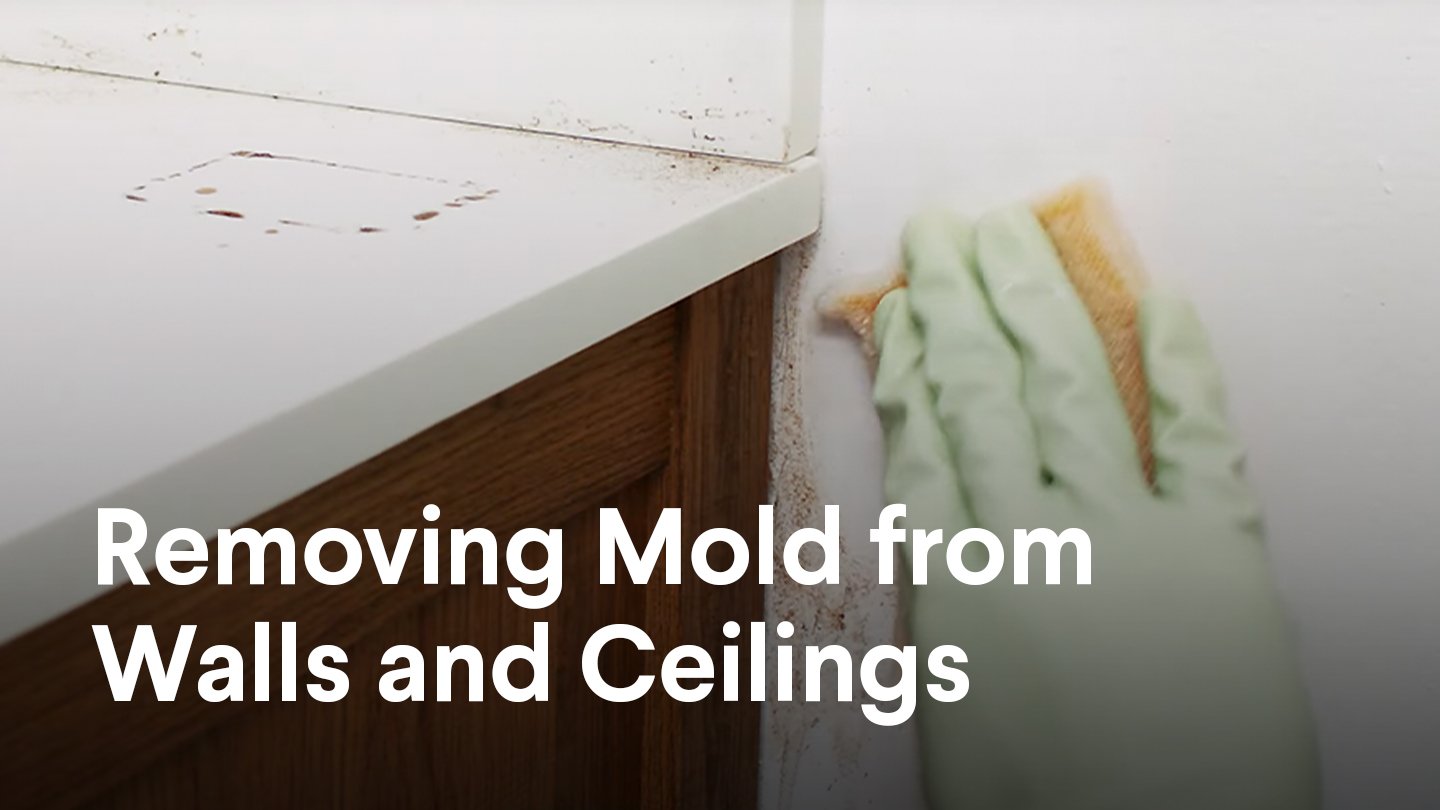
Mold in your kitchen is more than just an eyesore—it can harm your health and damage your home. If you’ve spotted those dark spots growing near your sink, on walls, or inside cabinets, you probably want them gone fast.
But how do you remove mold safely and effectively without making the problem worse? You’ll discover simple, practical steps to get rid of mold for good and keep your kitchen fresh and healthy. Keep reading to learn how to protect your home and breathe easier every day.
Identify Mold Sources
Mold in the kitchen can cause health problems and damage surfaces. Finding where mold grows helps you clean it well.
Look for damp or dark places. Mold needs moisture to grow, so check areas with leaks or poor ventilation.
Check For Water Leaks
Leaks under the sink or behind appliances create wet spots. These spots are perfect for mold growth.
Inspect Hidden Areas
Mold often hides in places you don’t see easily. Look inside cabinets and behind walls near plumbing.
- Under the sink cabinet
- Behind the refrigerator
- Inside dishwasher door seals
- Behind stove or oven
Look At Kitchen Surfaces
Countertops, cutting boards, and sinks can trap moisture. If not dried, mold can grow on these surfaces.
Check Ventilation And Humidity
Poor airflow and high humidity make mold problems worse. Kitchens without vents or fans may have mold buildup.
| Cause | Why Mold Grows |
| Water leaks | Keep areas wet long enough for mold to grow |
| Poor ventilation | Traps moisture and stale air |
| High humidity | Creates a damp environment |
| Food spills | Provide nutrients for mold |
| Dirty surfaces | Hold moisture and dirt for mold to thrive |
Gather Necessary Tools
Removing mold in your kitchen needs the right tools. These tools help clean safely and effectively.
Gather everything before you start. This makes the process quicker and easier.
Protective Gear
Wear protective gear to avoid breathing mold spores or touching them. This keeps you safe.
- Gloves to protect your hands
- Mask to cover nose and mouth
- Goggles to protect your eyes
Cleaning Supplies
Use cleaning supplies that kill mold and clean surfaces well. Check labels for mold removal.
- Bleach or vinegar for killing mold
- Spray bottle for applying cleaners
- Scrub brushes or sponges for scrubbing
- Rags or paper towels for wiping
Tools For Removing Mold
Some tools help remove mold from hard-to-reach places or porous surfaces.
- Old toothbrush for small cracks
- Putty knife for scraping mold off walls
- Vacuum with HEPA filter to capture spores
Ventilation Equipment
Good airflow reduces mold spores in the air. Use fans or open windows during cleaning.
- Portable fan to improve air circulation
- Open windows to let fresh air in
- Dehumidifier to lower moisture levels
Safety Precautions
Removing mold in the kitchen needs care and safety. Mold can cause health issues if you do not protect yourself.
It is important to wear the right gear and keep the area well ventilated. These steps help keep you safe while cleaning.
Protective Gear
Wearing the right protective gear stops mold spores from touching your skin or entering your lungs.
- Wear gloves made of rubber or latex to protect your hands.
- Use a mask that covers your nose and mouth to avoid breathing spores.
- Wear goggles to protect your eyes from mold and cleaning sprays.
- Put on long sleeves and pants to cover your skin completely.
Ventilation And Airflow
Good airflow reduces mold spores in the air and helps dry wet areas faster.
| Ventilation Method | How It Helps |
|---|---|
| Open windows and doors | Allows fresh air to enter and spores to exit |
| Use exhaust fans | Removes moist air from the kitchen |
| Run a dehumidifier | Keeps humidity low to prevent mold growth |

Credit: www.thisoldhouse.com
Effective Cleaning Solutions
Mold can grow quickly in kitchen areas due to moisture. Removing it helps keep your kitchen safe and clean.
Using the right cleaning solutions makes mold removal easier and more effective. You can use natural remedies or commercial products.
Natural Remedies
Natural remedies use simple ingredients to fight mold safely. They are good for light mold and small areas.
White vinegar and baking soda are two common natural cleaners. Vinegar kills most types of mold, and baking soda helps scrub it away.
- Spray white vinegar on moldy spots and let it sit for an hour.
- Make a paste of baking soda and water to scrub moldy surfaces.
- Use lemon juice for a fresh scent and mild mold fighting power.
- Tea tree oil mixed with water can also help remove mold naturally.
Commercial Products
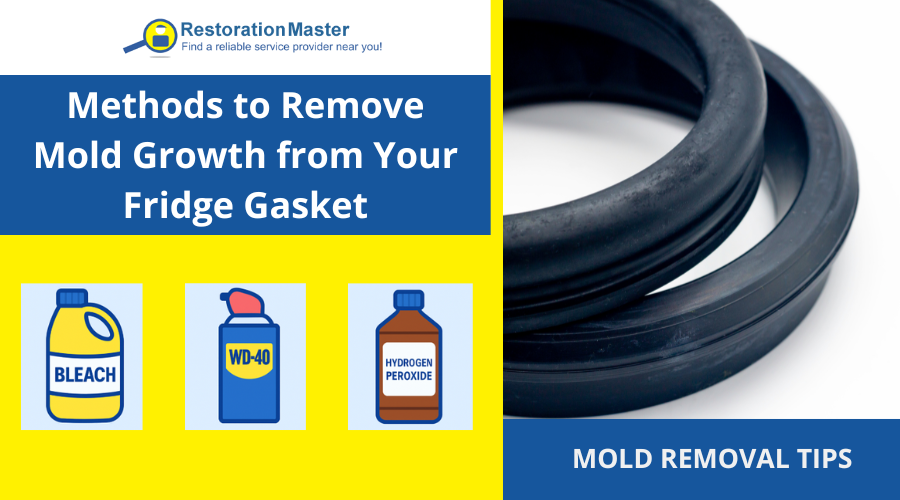
Commercial mold cleaners are strong and work well on tough mold. They often contain bleach or other chemicals.
Use these products in well-ventilated areas and follow the instructions on the label carefully to stay safe.
- Bleach-based cleaners kill mold quickly on hard surfaces.
- Hydrogen peroxide sprays are less harsh and break down mold effectively.
- Ammonia solutions can remove mold but never mix with bleach.
- Special mold removal sprays are available for kitchen use.
Step-by-step Mold Removal
Mold in the kitchen can cause health problems and damage surfaces. It is important to clean mold quickly and safely. Follow these steps to remove mold effectively.
Use the right cleaning methods to remove mold from visible areas and hidden spots. This guide covers surface cleaning and deep cleaning tips for your kitchen.
Surface Cleaning Techniques
Start with surface cleaning to remove mold from walls, counters, and cabinets. Use safe cleaners and tools to avoid spreading mold spores.
- Wear gloves and a mask to protect yourself.
- Mix water with mild detergent or vinegar for cleaning.
- Use a sponge or cloth to scrub moldy surfaces gently.
- Rinse the area with clean water and dry it completely.
- Dispose of used cleaning materials in a sealed bag.
Deep Cleaning Tips
Deep cleaning helps remove mold in hidden areas like behind appliances and inside vents. It also prevents mold from returning.
| Area | Cleaning Method | Frequency |
| Behind Refrigerator | Vacuum and wipe with vinegar solution | Monthly |
| Under Sink | Check for leaks and clean with bleach solution | Monthly |
| Air Vents | Use a brush and vacuum cleaner | Every 3 months |
| Cabinet Interiors | Wipe with detergent and dry well | Monthly |
Preventing Future Mold Growth
Mold grows in damp places. Keeping your kitchen dry stops mold from coming back.
Use easy habits and fixes to keep moisture low and clean your kitchen often.
Moisture Control
Water and humidity cause mold to grow fast. Control moisture to keep mold away.
- Fix leaks in pipes and faucets right away
- Use a fan or open windows when cooking or washing dishes
- Run a dehumidifier if your kitchen feels damp
- Wipe up spills and dry wet surfaces quickly
- Keep houseplants away from kitchen counters to reduce moisture
Regular Maintenance
Clean and check your kitchen often to stop mold growth before it starts.
| Task | Frequency |
| Clean sink drains | Weekly |
| Check under sink for leaks | Monthly |
| Inspect and clean vents and fans | Monthly |
| Wash kitchen cloths and sponges | Weekly |
| Remove garbage daily | Daily |
When To Seek Professional Help
Removing mold in the kitchen is often possible with home cleaning. Some mold problems need expert attention to keep your home safe.
Knowing when to call a professional can save time, money, and health risks.
Large Mold Growth Areas
If mold covers more than 10 square feet, it may be too big to handle alone. Large areas can hide mold inside walls or under floors.
Professionals use special tools to find and clean all mold safely.
Mold Returns After Cleaning
Cleaning mold but seeing it come back means the source is still active. Moisture may be trapped or leaks may exist.
A professional can find hidden water problems and fix mold for good.
Health Problems From Mold Exposure
If you or your family have breathing issues, allergies, or skin irritation, mold might be harmful. Some mold types are toxic.
Experts can test the mold type and suggest safe removal methods.
Mold Inside Walls Or Hard-to-reach Areas
Mold hidden inside walls, behind cabinets, or under sinks is hard to clean yourself. Disturbing these areas may spread mold spores.
Professionals have tools to remove hidden mold without damage or spread.
If You Have A Weakened Immune System
People with weak immune systems should avoid mold exposure. Mold can cause serious infections or worsen health.
Hiring a professional ensures safe removal and protects your health.

Credit: www.angi.com
Credit: restorationmasterfinder.com
Frequently Asked Questions
How Do I Safely Remove Mold In The Kitchen?
Wear gloves and a mask for protection. Use a mixture of vinegar and water or a commercial mold remover. Scrub the affected area gently, then dry it completely to prevent mold from returning.
What Causes Mold Growth In Kitchen Areas?
Mold grows due to moisture, poor ventilation, and food residue. Leaky pipes and damp surfaces encourage mold spores to multiply rapidly.
Can Bleach Effectively Kill Kitchen Mold?
Yes, bleach kills mold on non-porous surfaces. However, it should be used carefully with proper ventilation and protective gear to avoid harmful fumes.
How To Prevent Mold From Returning In The Kitchen?
Keep kitchen dry by fixing leaks and improving airflow. Clean regularly, especially under sinks and in hidden corners, to stop mold growth.
Conclusion
Removing mold in your kitchen keeps your home safe and fresh. Act quickly to stop mold from spreading further. Clean regularly and keep surfaces dry to prevent mold growth. Use natural or store-bought cleaners to fight mold effectively. Wear gloves and protect your skin while cleaning.
Watch for signs of mold to catch it early. Healthy kitchens mean healthier families. Stay aware and keep your kitchen mold-free for good. Simple steps make a big difference in your kitchen’s cleanliness.