
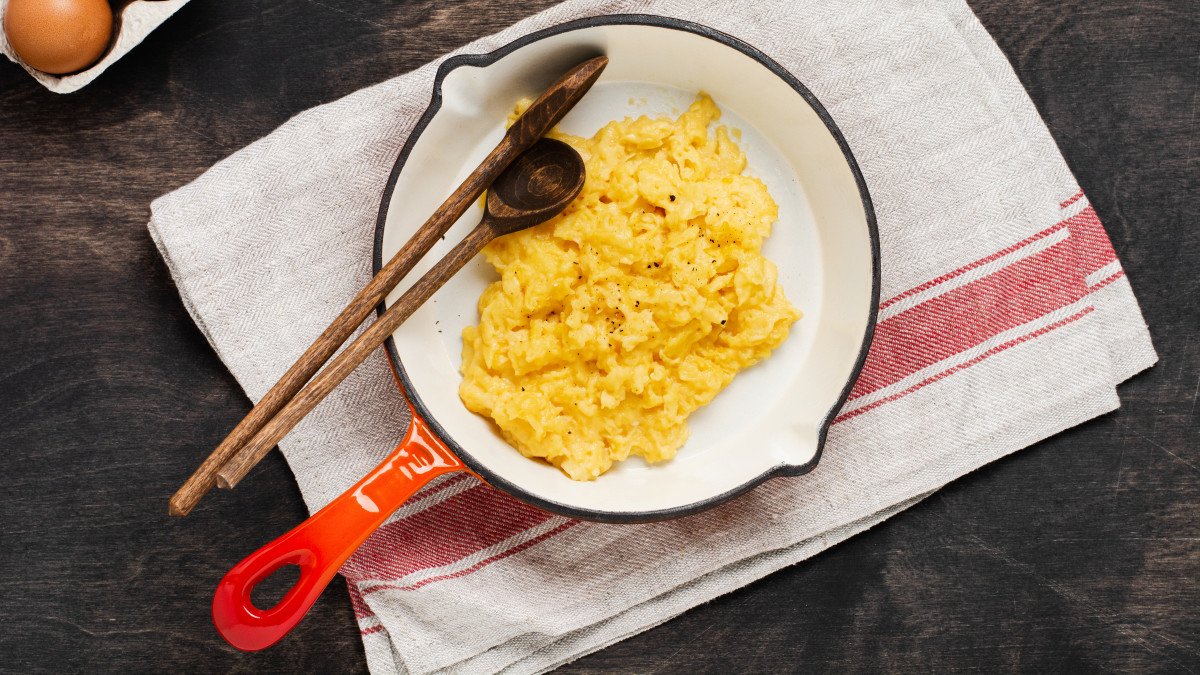
Are you tired of scrambled eggs that turn out dry and rubbery? You’re not alone.
Getting perfectly creamy scrambled eggs can feel tricky, but it’s easier than you think. Imagine waking up to soft, velvety eggs that melt in your mouth every time. You’ll discover simple tips that will transform your scrambled eggs from ordinary to deliciously creamy.
Keep reading, and soon you’ll be making eggs that impress both your taste buds and anyone you share them with.
Choosing The Right Eggs
Using the right eggs is important for creamy scrambled eggs. Different eggs have different tastes and textures.
Picking fresh, high-quality eggs helps make your scrambled eggs soft and rich.
Select Fresh Eggs
Fresh eggs have firmer whites and richer yolks. These qualities help make eggs creamy.
Check the date on the carton and avoid eggs close to their expiry date.
Choose Large Or Extra-large Eggs
Large or extra-large eggs have more yolk, which adds creaminess. Smaller eggs have less fat.
- Large eggs weigh about 56 grams
- Extra-large eggs weigh about 63 grams
- More yolk means richer texture
Try Organic Or Free-range Eggs
Organic and free-range eggs often have better flavor. The hens eat natural food, which affects the eggs.
These eggs can make your scrambled eggs taste creamier and fresher.
Prepping Your Eggs
Making scrambled eggs creamy starts before cooking. How you prepare the eggs affects their texture.
Simple steps like whisking well and adding the right liquid can make your eggs soft and smooth.
Whisking Techniques
Whisk your eggs until the yolks and whites blend fully. This mixes air into the eggs for fluffiness.
Use a fork or a whisk. Whisk faster for about 30 seconds until the mixture looks light and even.
- Break eggs into a bowl before whisking
- Whisk in a circular motion
- Stop when the mixture is uniform and slightly frothy
Adding The Right Amount Of Milk Or Cream
Adding milk or cream makes eggs softer and creamier. Use just a small amount to keep the taste balanced.
Too much liquid can make eggs watery. Add about one tablespoon of milk or cream per two eggs.
- Use whole milk or heavy cream for creaminess
- Measure carefully to avoid watery eggs
- Mix the milk or cream with eggs before cooking
Perfect Cooking Temperature
Cooking scrambled eggs at the right temperature is key for creamy results. Too hot or too cold can change texture.
Keeping a steady, gentle heat helps eggs cook evenly and stay soft. Let’s look at how to control the temperature.
Low And Slow Method
Cooking eggs on low heat for a longer time keeps them soft and creamy. This method prevents drying out.
Stir the eggs gently as they cook slowly. This helps create small, soft curds and a smooth texture.
- Use low heat on the stove
- Cook eggs slowly, around 10 minutes
- Stir often but gently
- Remove from heat just before fully set
Avoiding High Heat
High heat cooks eggs too fast and makes them rubbery. It can also cause dry, tough curds.
Keep the pan temperature moderate or low. This helps eggs stay soft and creamy without burning.
- Do not use high flame or burner settings
- Heat the pan gently before adding eggs
- Remove eggs from heat early to avoid overcooking
- Use a non-stick pan for even heat
Using Butter For Creaminess
Butter adds a rich and smooth texture to scrambled eggs. It helps make eggs soft and creamy.
Knowing the right amount and timing to add butter improves your eggs’ taste and feel.
Amount Of Butter
The amount of butter affects how creamy your scrambled eggs will be. Too little butter can make eggs dry. Too much butter may make them greasy.
- Use 1 tablespoon of butter for every 3 eggs.
- Adjust butter slightly if you want richer eggs.
- Try less butter if you prefer lighter eggs.
Timing For Adding Butter
Adding butter at the right time changes the texture of scrambled eggs. Melt butter before adding eggs for softness. Or add butter near the end for extra creaminess.
| When to Add Butter | Effect on Eggs |
| Before cooking eggs | Eggs cook in butter; soft and smooth |
| During cooking | Butter mixes in gradually; creamy texture |
| After cooking | Butter melts on top; rich and glossy finish |
Stirring Techniques
Stirring scrambled eggs correctly helps make them creamy and soft.
Using the right stirring style and timing affects the eggs’ texture.
Gentle Stirring
Stir eggs gently with a spatula or wooden spoon. Avoid harsh or fast stirring.
- Use slow, circular motions
- Move eggs from edges to center
- Lift and fold the eggs rather than beating them
- Keep the stirring light to keep eggs fluffy
Frequency Of Stirring
Stirring too much or too little changes the creaminess of scrambled eggs.
| Stirring Frequency | Effect on Eggs |
| Frequent stirring | Smaller curds, creamier texture |
| Infrequent stirring | Large curds, firmer eggs |
| No stirring | Uneven cooking, dry texture |

Credit: myeverydaytable.com
Finishing Touches
Scrambled eggs taste best with the right finishing touches. These small details make them creamy and flavorful.
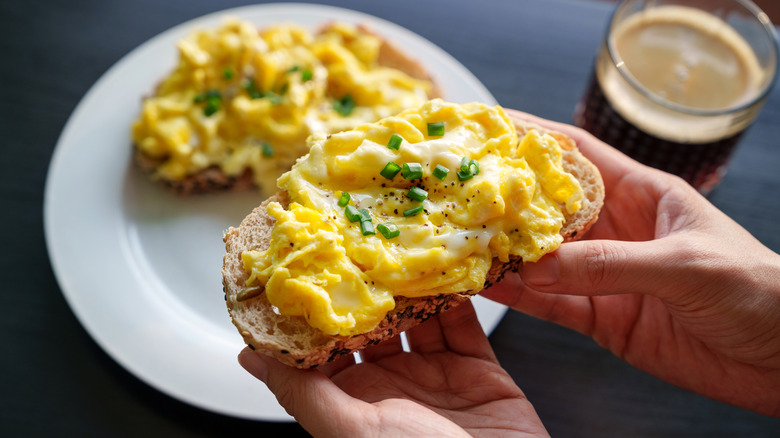
Adding the right seasonings, cheese, or herbs can improve the texture and taste of your eggs.
Seasoning Options
Seasoning scrambled eggs adds flavor and depth. Use simple spices for a tasty result.
Salt and pepper are classic choices. Try adding garlic powder or paprika for extra taste.
- Salt enhances natural egg flavor
- Black pepper adds mild heat
- Garlic powder gives a savory note
- Paprika adds a smoky touch
- Chili flakes bring some spice
Incorporating Cheese Or Herbs
Cheese makes scrambled eggs creamy and rich. Add soft cheeses for smooth texture.
Fresh herbs bring brightness and freshness. Mix herbs gently for best flavor.
- Cheddar, mozzarella, or cream cheese blend well
- Parmesan adds a sharp, salty taste
- Chives give a mild onion flavor
- Parsley adds a fresh, light touch
- Basil or dill offers unique herbal notes
Common Mistakes To Avoid
Making scrambled eggs creamy can be tricky. Many people make simple mistakes.
These errors can cause dry or rubbery eggs. Avoiding them helps you cook better eggs.
Overcooking The Eggs
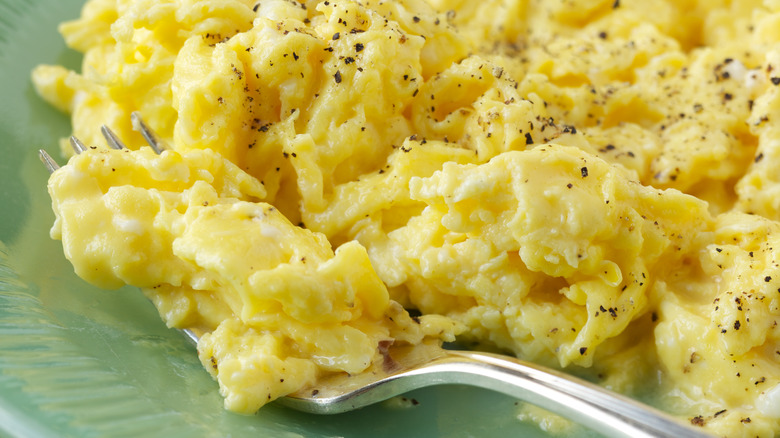
Overcooked eggs lose their creamy texture. They become dry and crumbly instead.
- Remove eggs from heat when still slightly wet.
- Carryover heat will finish cooking after removal.
- Cook eggs slowly and gently for soft texture.
- Stir eggs constantly to avoid large curds.
- Use a timer to avoid cooking too long.
Using Excessive Heat
High heat cooks eggs too fast and unevenly. This makes them tough.
| Heat Level | Effect on Eggs |
| High Heat | Dry, rubbery, uneven cooking |
| Medium Heat | Better texture, but needs attention |
| Low Heat | Soft, creamy, smooth eggs |
Credit: www.chowhound.com
Credit: www.tastingtable.com
Frequently Asked Questions
How Do I Make Scrambled Eggs Creamier?
Add a splash of milk or cream before cooking. Stir gently over low heat for soft, creamy texture. Avoid overcooking to keep eggs moist and smooth.
What Cooking Technique Ensures Creamy Scrambled Eggs?
Cook eggs slowly on low heat. Stir constantly but gently to prevent curds from forming. Remove from heat when slightly undercooked for creaminess.
Can Adding Cheese Improve Scrambled Eggs’ Creaminess?
Yes, adding soft cheese like cream cheese or feta boosts creaminess. Mix cheese into eggs while cooking for a rich, velvety texture.
Does Using Butter Affect Scrambled Eggs’ Texture?
Using butter adds richness and smoothness to scrambled eggs. Melt butter before adding eggs and cook gently for creamy, flavorful results.
Conclusion
Creamy scrambled eggs bring joy to any meal. Use low heat and stir gently. Adding a splash of milk or cream helps. Butter adds richness and smooth texture. Cook slowly to keep eggs soft and moist. Practice these tips for better eggs every time.
Enjoy simple, tasty breakfast moments with creamy eggs.