
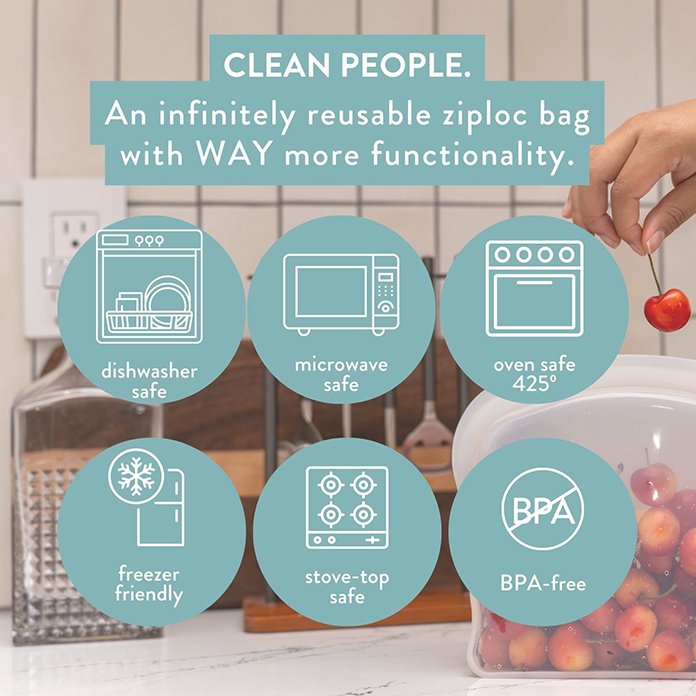
If you’re using reusable silicone bags, you already know they’re a smart choice for saving money and helping the environment. But to get the most out of them, you need to take good care of your bags.
Knowing the right tips for maintaining reusable silicone bags will keep them clean, odor-free, and long-lasting. You’ll discover simple, practical steps that make your bags safer and more effective every time you use them. Keep reading to protect your investment and enjoy the full benefits of your silicone bags!
Cleaning Techniques
Reusable silicone bags help reduce waste and save money. Cleaning them properly keeps them safe and lasts longer.
Good cleaning methods remove food residue and prevent smells. Use simple tips to keep your bags fresh and clean.
Hand Washing Tips
Hand washing is gentle and effective for silicone bags. Use warm water and mild soap to clean inside and out.
Use a soft sponge or cloth to avoid scratching the silicone surface. Rinse well to remove soap.
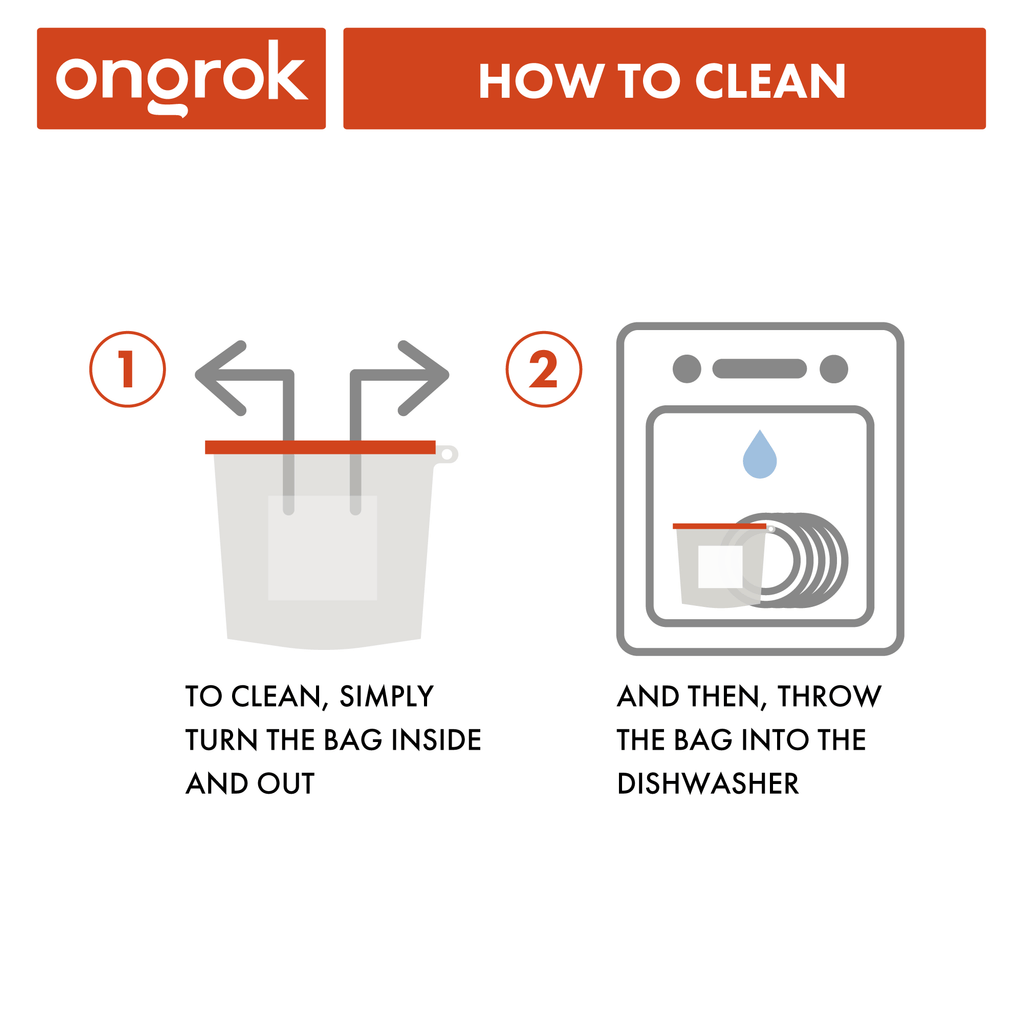
- Turn the bag inside out for better cleaning
- Scrub corners and seals carefully
- Air dry fully before storing
Dishwasher Safety
Many silicone bags are dishwasher safe. Place them on the top rack to avoid heat damage.
Check the manufacturer’s instructions first. Avoid washing with sharp objects that can damage the bags.
- Use a normal or gentle dishwasher cycle
- Do not overload the dishwasher
- Make sure bags are fully open for cleaning
Removing Stains And Odors
Stains and smells can build up after using strong foods. Use natural cleaners to remove them safely.
Baking soda and vinegar work well to freshen bags. Let the mixture sit before rinsing.
- Make a paste with baking soda and water for stains
- Soak bags in vinegar and water to remove odors
- Rinse thoroughly and air dry
Proper Drying Methods
Reusable silicone bags last longer with the right drying methods. Drying them properly stops smells and damage.
Learn how to air dry these bags and avoid mold and mildew growth for safe reuse.
Air Drying Best Practices
After washing, open your silicone bags fully. Place them upside down on a drying rack or hang them to let water drip out.
- Keep bags open to air inside and out
- Use a clean rack to avoid dirt and dust
- Dry bags in a warm, well-ventilated area
- Do not stack bags while drying to prevent trapped moisture
- Allow bags to dry completely before storing
Avoiding Mold And Mildew
Mold grows if moisture stays inside the bags. Use these tips to keep your bags fresh and safe.
| Cause | Prevention |
|---|---|
| Trapped moisture inside bags | Always dry bags fully before storing |
| Storing bags closed and damp | Store bags open or with a small gap |
| Using bags for long without washing | Wash and dry bags after each use |
| Humidity in storage area | Keep bags in a dry, cool place |
Storage Solutions
Reusable silicone bags need proper storage to last longer. Storing them well keeps their shape and quality.
Two key tips help maintain these bags: keeping them flat and avoiding heat exposure. These steps protect the silicone material.
Keeping Bags Flat
Keeping silicone bags flat prevents creases and damage. Flat bags also save space in your kitchen.
- Clean and dry the bags before storing
- Lay them flat inside a drawer or on a shelf
- Use a storage box to keep them organized
- Avoid folding or crumpling the bags
- Store bags away from heavy items to prevent deformation
Avoiding Heat Exposure
Heat can weaken silicone bags and cause them to lose shape. Avoid heat sources to extend their life.
| Heat Source | Storage Advice |
| Direct sunlight | Keep bags in shaded areas |
| Near oven or stove | Store bags away from kitchen appliances |
| Dishwasher heat | Use gentle cycles or air dry |
| Microwave | Follow manufacturer’s guidelines strictly |
Credit: consumersiliconeproducts.com
Handling And Usage
Reusable silicone bags are a great way to store food safely. Using them properly helps them last longer and stay clean.
Follow simple tips to handle and use these bags without damage or leaks.
Safe Temperature Limits
Silicone bags can handle heat and cold but have limits. Avoid using them outside safe temperatures.
Most silicone bags work well from -40°F to 450°F (-40°C to 232°C). Do not put them on direct flames or in ovens above this range.
- Do not microwave empty bags
- Freeze bags with liquids slowly to prevent cracking
- Hand wash with warm water, not boiling
Avoiding Sharp Objects
Sharp objects can puncture silicone bags easily. Avoid using knives or forks inside the bags.
Check food before placing it inside and cut it outside the bag to prevent damage.
- Do not store sharp bones or shells
- Keep scissors and sharp tools away from bags
- Inspect bags regularly for small holes or tears
Sealing Tips
Proper sealing keeps food fresh and prevents leaks. Make sure the seal is clean and dry before closing.
Press the seal firmly from one end to the other. Check if the bag feels airtight before storing.
- Do not overfill the bag
- Close the zipper seal completely
- Store bags upright if possible
Extending Bag Lifespan
Reusable silicone bags can save money and reduce waste. Taking care of them helps them last longer.
Simple habits keep your silicone bags strong and safe for food storage over time.
Regular Inspection
Check your silicone bags often for signs of wear. Look for holes, tears, or cracks that could cause leaks.
- Feel the bag surface for weak spots or thin areas.
- Look inside for any sticky residue or discoloration.
- Smell the bag to detect any strange or strong odors.
- Test the seal to make sure it closes tightly.
When To Replace Bags
Replacing bags on time avoids food spills and contamination. Use the table below to decide when to replace your bags.
| Condition | Replace or Keep? |
| Small hole or tear | Replace immediately |
| Seal does not close properly | Replace |
| Surface is sticky or discolored | Consider replacing |
| Bag smells bad after washing | Replace |
| No visible damage, seal works well | Keep using |
Credit: ongrok.com

Credit: www.oxo.com
Frequently Asked Questions
How Do You Clean Silicone Bags Effectively?
To clean silicone bags, use warm water and mild soap. Gently scrub with a soft sponge to remove residues. Ensure the bags are fully dry before storing them. Avoid using harsh chemicals or abrasive scrubbing pads, as they can damage the material and reduce the bag’s lifespan.
Can Silicone Bags Go In The Dishwasher?
Yes, silicone bags are dishwasher safe. Place them on the top rack to avoid heat damage. Ensure they are open to allow thorough cleaning and drying. This method saves time and ensures the bags are sanitized, maintaining their usability and durability over time.
How Do You Remove Odors From Silicone Bags?
To remove odors, soak silicone bags in a mixture of baking soda and water overnight. Rinse thoroughly with warm water and air dry. This natural method helps neutralize odors without introducing harsh chemicals, keeping your bags fresh and ready for future use.
Are Silicone Bags Safe For The Freezer?
Yes, silicone bags are safe for freezer use. They are designed to withstand low temperatures without cracking. Properly seal the bags to prevent freezer burn. This feature makes them ideal for preserving and storing food, maintaining freshness and flavor effectively.
Conclusion
Reusable silicone bags save money and help the environment. Clean them well after each use to keep them fresh. Avoid sharp objects to prevent holes or tears. Store bags dry and flat to keep their shape. Use warm, soapy water or dishwasher for easy cleaning.
Taking care of these bags makes them last longer. Small efforts protect the planet and reduce waste. Keep these tips in mind for simple, smart use. Your reusable bags will stay safe and useful every day.