
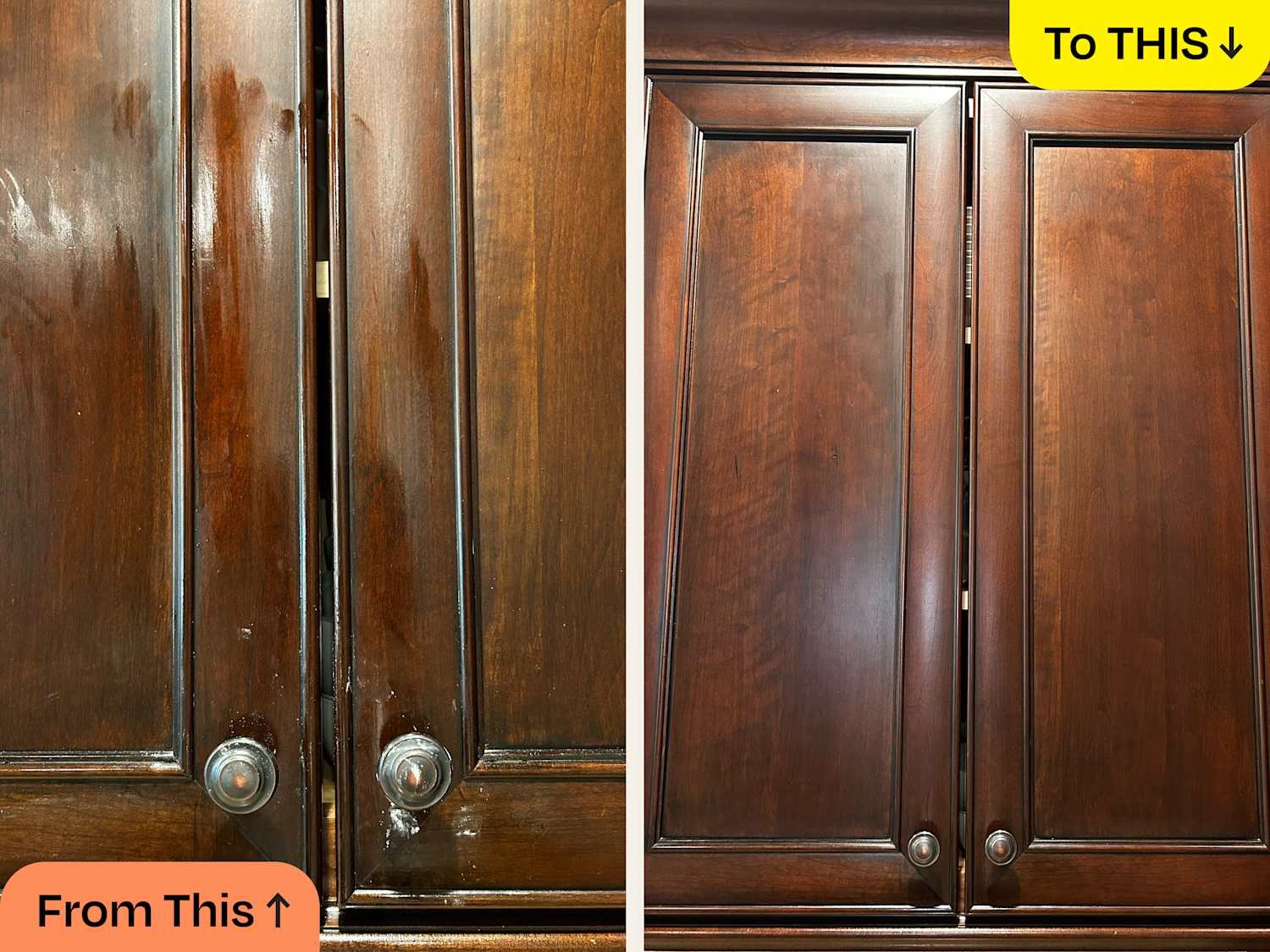
Are your kitchen cabinets looking dull or sticky from everyday use? You don’t need harsh chemicals to bring back their shine.
Imagine cleaning your cabinets with simple, natural ingredients you already have at home—safe for your family and the environment. You’ll discover easy, effective ways to clean your kitchen cabinets naturally. Keep reading, and you’ll find out how to make your kitchen look fresh and inviting without any toxic mess.
Your cabinets—and your home—will thank you.
Importance Of Natural Cleaning
Cleaning kitchen cabinets naturally keeps your home safe. It avoids harsh chemicals that can cause harm.
Natural cleaning methods protect the environment and keep your cabinets looking fresh.
Health Benefits Of Natural Cleaners
Natural cleaners reduce exposure to toxins. They help prevent allergies and skin irritations.
- Use vinegar and water for a safe clean
- Baking soda removes stains without chemicals
- Lemon juice acts as a natural bleach and freshener
Environmental Impact
Natural cleaning products break down easily. They do not pollute water or soil.
Choosing natural options reduces plastic waste from chemical bottles.
Protecting Your Cabinets
Harsh chemicals can damage cabinet surfaces. Natural cleaners help keep wood and paint safe.
| Cleaner Type | Effect on Cabinets |
| Harsh Chemicals | Can strip finish and cause cracks |
| Natural Cleaners | Gentle and protects surface quality |
| Water Only | May not remove grease well |
Common Ingredients For Natural Cleaning
Cleaning kitchen cabinets can be easy using natural ingredients. These items are safe and effective for most surfaces.
Using natural cleaners helps avoid harsh chemicals. It keeps your kitchen fresh and free from toxins.
Benefits Of Vinegar
Vinegar is a strong natural cleaner. It helps remove grease and dirt from cabinets.
It also kills some bacteria and leaves surfaces shiny without harmful residues.
- Breaks down grime and grease
- Disinfects without chemicals
- Safe for wood and painted surfaces
Power Of Baking Soda
Baking soda acts as a gentle scrubber. It removes stains and odors from cabinet surfaces.
It is mild enough to clean without scratching or harming finishes.
- Neutralizes smells inside cabinets
- Scrubs off tough spots safely
- Works well with water or vinegar
Lemon Juice Uses
Lemon juice has natural acids that cut through grease. It brightens wood and removes stains.
The fresh scent of lemon also freshens the kitchen without any artificial smells.
- Clears away sticky residue
- Whitens and brightens surfaces
- Leaves a clean, fresh scent
Essential Oils For Freshness
Essential oils add a nice scent to your cleaning mix. Some oils also help fight germs naturally.
You can use oils like tea tree, lavender, or eucalyptus to keep cabinets smelling good and clean.
- Tea tree oil kills bacteria and mold
- Lavender oil adds a calming scent
- Eucalyptus oil freshens and cleans air
Preparation Steps
Cleaning kitchen cabinets naturally starts with good preparation. You need to gather all the right supplies first.
It is also important to follow safety precautions to protect yourself and your cabinets.
Gathering Supplies
Collect natural cleaning items to make your own cabinet cleaner. Using simple ingredients helps avoid harsh chemicals.
- White vinegar
- Baking soda
- Warm water
- Mild dish soap
- Soft cloths or microfiber towels
- Spray bottle
- Old toothbrush for corners
Safety Precautions
Protect your skin and eyes while cleaning. Keep the room ventilated to avoid breathing strong smells.
| Precaution | Reason |
| Wear gloves | Protect skin from irritation |
| Open windows | Ensure fresh air circulation |
| Test cleaner on small area | Prevent damage to cabinet finish |
| Keep cleaning supplies away from children | Avoid accidental ingestion |

Credit: www.express.co.uk
Cleaning Wooden Cabinets
Wooden kitchen cabinets add warmth and style to your home. Keeping them clean helps maintain their natural beauty and durability.
Using natural cleaning methods protects the wood without harsh chemicals. Gentle care can extend the life of your cabinets.
Gentle Cleaning Solutions
Choose mild ingredients for cleaning wood surfaces. Harsh cleaners can damage the finish and dry out the wood.
- Mix warm water with a few drops of mild dish soap.
- Use a soft cloth or sponge to wipe the cabinets gently.
- Rinse with a clean damp cloth to remove soap residue.
- Dry immediately with a soft towel to avoid water spots.
- For tough spots, mix equal parts vinegar and water.
Polishing For Shine
Polishing wooden cabinets helps restore shine and adds a protective layer. Natural oils work well for this purpose.
| Polish Type | How to Use | Benefits |
| Olive Oil | Apply a small amount on a soft cloth and rub in circular motions. | Moisturizes wood and adds a warm glow. |
| Coconut Oil | Rub gently onto the surface, then buff with a dry cloth. | Protects and enhances natural grain. |
| Lemon Juice & Olive Oil Mix | Mix 1 part lemon juice with 2 parts olive oil, apply and buff. | Clears grime and leaves a fresh scent. |
Cleaning Laminate Cabinets
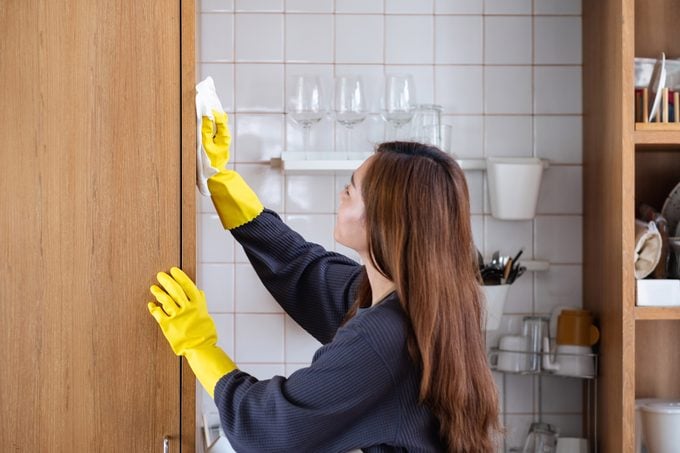
Laminate cabinets are common in kitchens. They look good and are easy to clean. Using natural methods keeps them safe and fresh.
Cleaning them gently prevents damage. You can use simple ingredients from your home. Let’s learn how to care for laminate cabinets naturally.
Non-abrasive Methods
Avoid scrubbing with hard brushes or harsh chemicals. These can scratch or ruin the surface. Use soft cloths and mild cleaners instead.
- Mix warm water with a few drops of dish soap.
- Dampen a soft microfiber cloth with the solution.
- Wipe down cabinet surfaces gently.
- Use a dry cloth to remove moisture after cleaning.
- For tough spots, try a baking soda paste and rub lightly.
Preventing Water Damage
Water can cause laminate to peel or warp. Keep cabinets dry and avoid letting water sit on them for long.
| Tip | How to Do It |
| Use a dry cloth | Wipe spills immediately after cooking or washing |
| Avoid soaking | Do not use wet sponges or cloths that drip water |
| Seal edges | Check and repair any worn edges or seams to stop water entry |
| Ventilate | Keep kitchen air moving to reduce moisture buildup |
Credit: www.rd.com
Removing Stubborn Stains
Stubborn stains on kitchen cabinets can be hard to clean without harsh chemicals. Using natural methods keeps your cabinets safe and fresh.
This guide shares simple ways to treat tough spots and grease naturally.
Spot Treatment Techniques
For marks and stains, try these natural spot treatments. They work well and are safe for most finishes.
- Mix baking soda with water to form a paste. Apply on the stain and let sit for 10 minutes. Wipe gently with a soft cloth.
- Use white vinegar diluted with water (equal parts). Spray on the stain and wipe with a clean cloth.
- Rub a lemon slice over the spot. Let the juice sit for a few minutes, then wipe away with a damp cloth.
- Try olive oil on ink stains. Dab a small amount on a cloth and rub the stain lightly.
Dealing With Grease
Grease can build up on cabinets and dull their look. Natural cleaners can break down grease without damage.
| Natural Cleaner | How to Use | Notes |
| Dish soap and warm water | Mix a few drops of soap in warm water. Wipe grease with a cloth dipped in solution. | Safe for all cabinet finishes. |
| Baking soda scrub | Sprinkle baking soda on a damp cloth. Rub greasy areas gently, then rinse with water. | Good for thick grease spots. |
| White vinegar spray | Mix equal parts vinegar and water in a spray bottle. Spray on grease, wait 5 minutes, then wipe off. | Test on a small spot first. |
Maintaining Cabinet Cleanliness
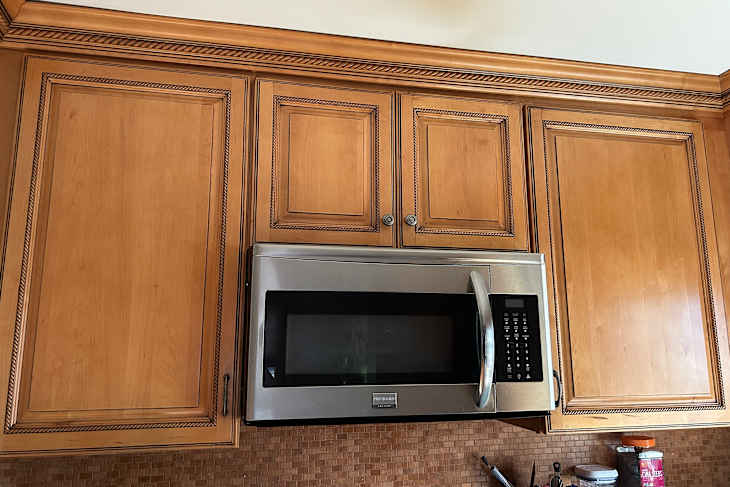
Keeping kitchen cabinets clean helps them last longer. Natural cleaning methods protect the wood and finish.
Regular care stops dirt and grease from building up. This makes your kitchen look fresh every day.
Regular Cleaning Schedule
Set a routine to clean your cabinets weekly. This removes dust, stains, and sticky spots quickly.
Use mild natural cleaners like vinegar and water. Avoid harsh chemicals that can damage the finish.
- Wipe down cabinets with a soft cloth every week
- Mix equal parts water and white vinegar for cleaning
- Dry cabinets after cleaning to prevent moisture damage
- Clean spills immediately to avoid stains
Preventive Measures
Stop dirt before it settles on your cabinets. Use simple habits to keep cabinets clean longer.
Protect surfaces from water and heat. These can cause damage or discoloration if left unchecked.
- Use cabinet liners to catch spills and crumbs
- Open windows or use fans to reduce kitchen humidity
- Keep food covered to avoid grease splatters
- Avoid placing hot pots directly on cabinet surfaces
Credit: www.thekitchn.com
Eco-friendly Cleaning Products
Cleaning kitchen cabinets naturally keeps your home safe and healthy. It also helps protect the environment.
Using eco-friendly products reduces harmful chemicals in your kitchen. These products are gentle and effective.
Choosing Green Brands
Green brands use natural ingredients that are safe for people and the planet. They avoid harsh chemicals and toxins.
Look for products with clear labels. Check for certifications like USDA Organic or EPA Safer Choice.
- Use cleaners made from plant-based ingredients
- Avoid products with ammonia, bleach, or synthetic fragrances
- Choose biodegradable formulas
- Pick brands with recyclable packaging
Diy Cleaning Solutions
You can make safe cleaning solutions at home using simple ingredients. These are cheap and easy to prepare.
Natural ingredients like vinegar, baking soda, and lemon work well to clean cabinets without damage.
- Mix equal parts water and white vinegar for a gentle cleaner
- Add a few drops of lemon juice to remove grease and smells
- Make a paste with baking soda and water to scrub tough stains
- Use a soft cloth to apply and wipe clean
Frequently Asked Questions
How Do I Naturally Clean Greasy Kitchen Cabinets?
Mix equal parts white vinegar and water. Spray on cabinets and wipe with a soft cloth. This removes grease without harsh chemicals.
What Natural Ingredients Are Best For Cabinet Cleaning?
Lemon juice, baking soda, and vinegar are effective. They break down grime and freshen surfaces safely.
Can I Use Essential Oils To Clean Cabinets?
Yes, add a few drops of tea tree or lavender oil to water. They disinfect and leave a pleasant scent.
How Often Should I Clean Kitchen Cabinets Naturally?
Clean cabinets every two weeks to prevent buildup. Frequent natural cleaning maintains shine and hygiene without damage.
Conclusion
Natural cleaning keeps kitchen cabinets fresh and safe. It saves money and avoids harsh chemicals. Simple ingredients like vinegar, baking soda, and lemon work well. Regular cleaning stops dirt buildup and stains. This method protects wood and paint finishes too.
Try these easy tips to keep your kitchen bright. Clean cabinets make cooking more enjoyable. Start today for a healthier home environment.