
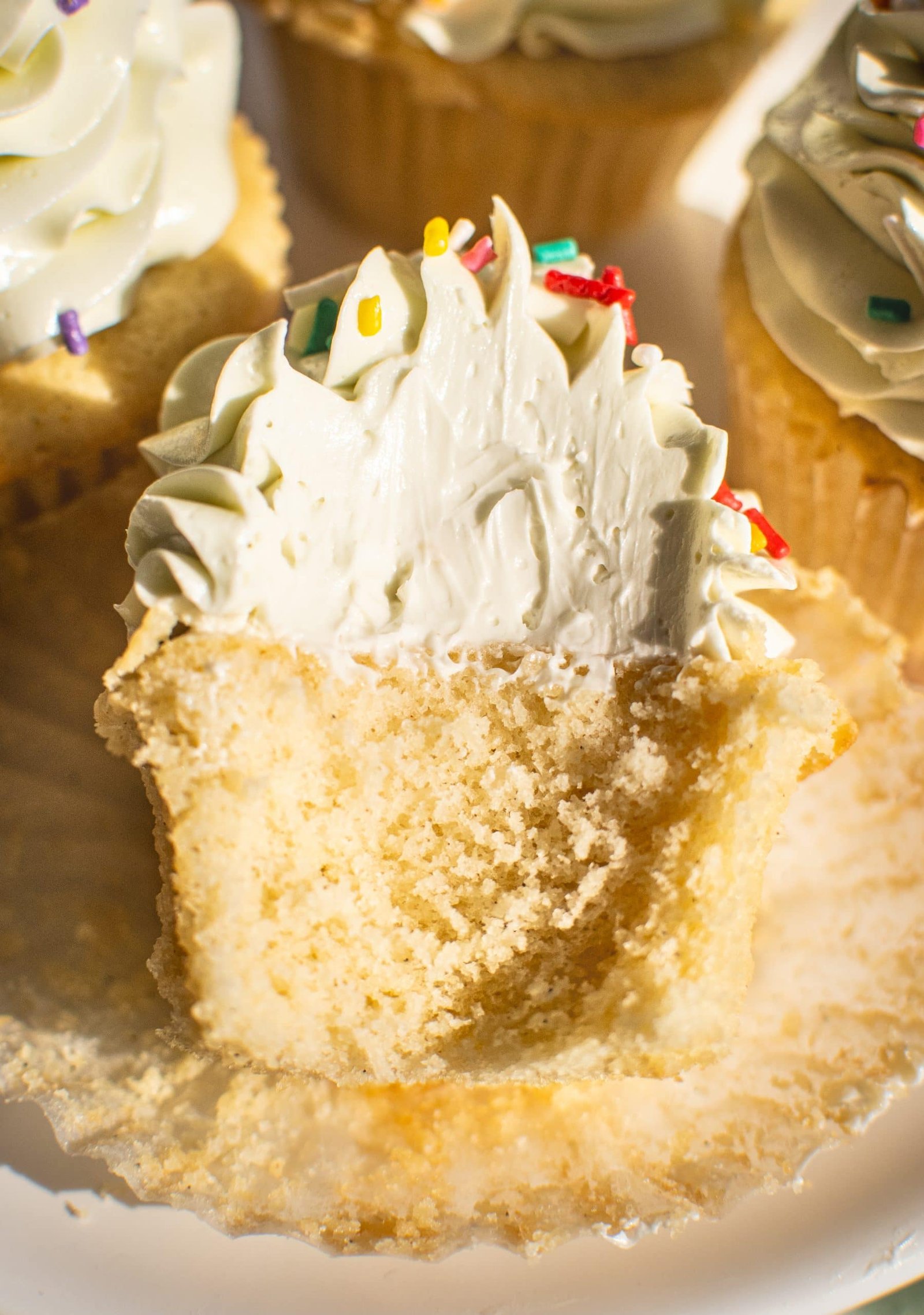
Are you tired of baking cupcakes that turn out dry and crumbly? You’re not alone.
Getting that perfect moist and soft texture can feel tricky, but it doesn’t have to be. Imagine biting into a cupcake that melts in your mouth, leaving you craving more. That’s exactly what you’ll learn to create. You’ll discover simple, proven tips to make your cupcakes irresistibly moist and soft every single time.
Ready to wow your friends and family with bakery-quality treats? Let’s dive in and transform your baking skills today.

Credit: www.youtube.com
Choosing The Right Ingredients
Baking moist and soft cupcakes starts with picking good ingredients. Each ingredient plays a key role in the cupcake’s texture and taste.
Understanding how ingredients affect your cupcakes helps you bake better treats every time.
Flour Types And Their Impact
Flour gives cupcakes their structure. Using the right type makes them soft and tender.
All-purpose flour is common but can make cupcakes dense. Cake flour has less protein, making cupcakes lighter.
- All-purpose flour:Stronger gluten, firmer cupcakes
- Cake flour:Lower protein, softer texture
- Pastry flour:Medium protein, balanced softness
Importance Of Fresh Baking Powder
Baking powder helps cupcakes rise and stay fluffy. Old baking powder can lose power, causing flat cupcakes.
Always check the date and test freshness by mixing baking powder with hot water. It should bubble quickly.
- Use fresh baking powder for best rise
- Store in a cool, dry place
- Test by mixing with hot water before use
Role Of Fat In Moisture
Fat adds moisture and softness to cupcakes. It coats flour proteins and limits gluten formation.
Butter gives flavor but can make cupcakes dense. Oil keeps cupcakes moist and tender for longer.
- Butter: rich flavor, firmer texture
- Oil: neutral taste, extra moisture
- Shortening: fluffy texture, holds moisture well
Mastering The Mixing Technique
Mixing cupcake batter correctly helps create soft and moist cupcakes. The way you combine ingredients affects texture and rise.
This guide explains key mixing methods to get the best cupcake results. Follow these simple tips for great texture.
The Creaming Method
The creaming method means beating butter and sugar until fluffy. This traps air, helping cupcakes rise well.
- Use softened butter for easy mixing.
- Beat butter and sugar for 3 to 5 minutes.
- Look for a light, pale, and creamy mixture.
- Do not rush this step to keep air inside.
Avoiding Overmixing
Overmixing cupcake batter causes tough and dry cupcakes. Mix just enough to combine ingredients well.
| Mixing Time | Effect on Cupcakes |
| Too Short | Ingredients not combined well |
| Just Right | Soft and moist cupcakes |
| Too Long | Tough texture, dry crumb |
Folding In Dry Ingredients
Folding dry ingredients into wet batter keeps the mixture light. Use a spatula and fold gently.
- Sift dry ingredients before adding.
- Add dry ingredients in small batches.
- Use a gentle folding motion from bottom to top.
- Stop folding when no streaks remain.
Optimal Baking Temperature
Baking cupcakes at the right temperature keeps them moist and soft. Too hot or too cool can change the texture.
Understanding how to control your oven temperature helps make perfect cupcakes every time.
Preheating The Oven
Always preheat your oven before baking cupcakes. This ensures even cooking from the start.
If you put cupcakes in a cold oven, they may bake unevenly and become dry or dense.
Correct Rack Placement
Place your cupcake tray in the middle rack of the oven. This gives the best heat circulation.
Too high or too low racks can cause uneven baking. The cupcakes may brown too fast or stay undercooked.
- Middle rack for even heat
- Keep some space around cupcake pans
- Avoid placing near oven walls
Baking Time Considerations
Check cupcakes near the end of the baking time to avoid overbaking. Overbaking dries them out.
Use a toothpick to test doneness. If it comes out clean, your cupcakes are ready and moist inside.
- Follow recipe baking time closely
- Start checking 2-3 minutes early
- Remove cupcakes promptly when done
Ensuring Moisture Retention
Keeping cupcakes moist and soft depends on how well you retain moisture during baking. Certain ingredients and methods help hold moisture inside the cupcake crumb.
This guide covers three simple ways to keep your cupcakes tender and fresh by using oil, dairy, and fruit additions.
Using Oil Instead Of Butter
Oil stays liquid at room temperature, which helps cupcakes stay moist longer. Butter can make cupcakes dry once cooled.
- Use vegetable or canola oil for a neutral taste.
- Replace butter with oil in a 1 to 1 ratio.
- Oil makes the crumb softer and less dense.
- Oil mixes easily with wet ingredients for even moisture.
Incorporating Sour Cream Or Yogurt
Sour cream and yogurt add extra moisture and slight tanginess to cupcakes. Their acidity also helps tenderize the gluten.
| Dairy Ingredient | Function | Amount to Use |
| Sour Cream | Moisture and acidity | ½ cup per batch |
| Plain Yogurt | Moisture and mild tang | ½ cup per batch |
Mix these dairy ingredients with the wet ingredients for best results. They help the cupcakes stay soft even after a few days.
Adding Fruit Purees Or Juices
Fruit purees and juices add natural moisture and flavor to cupcakes. Applesauce and mashed bananas are popular choices.
Tips for using fruit purees or juices:
- Replace part of the fat or liquid with fruit puree.
- Use unsweetened purees to control sugar levels.
- Fruit juices like orange or apple add flavor and moisture.
- Adjust baking time as purees add moisture and density.
Testing For Doneness
Knowing when your cupcakes are done is key to keeping them moist and soft. Overbaking dries them out. Underbaking makes them gooey inside.
Two simple tests help you check if cupcakes are ready. These tests are easy and do not damage the cupcakes.
The Toothpick Test
Insert a toothpick into the center of a cupcake. If it comes out clean or with a few crumbs, the cupcake is done.
If the toothpick has wet batter on it, bake the cupcakes a few minutes longer. Check again after each interval to avoid overbaking.
Gently Pressing For Springiness
Lightly press the top of a cupcake with your finger. If it springs back quickly, it is cooked through.
If your finger leaves an indentation, the cupcake needs more time. This test shows if the cupcake has set inside.

Credit: pastryliving.com
Cooling And Storing Tips
Cooling and storing cupcakes correctly keeps them soft and moist. Proper handling after baking helps keep their fresh taste.
Follow these simple tips to keep your cupcakes delicious for longer.
Cooling On A Wire Rack
Place cupcakes on a wire rack right after baking. This lets air flow around them and stops steam from making them soggy.
Leave cupcakes to cool completely before storing or frosting. Warm cupcakes can cause condensation and make them wet.
Proper Storage To Prevent Drying
Store cupcakes in an airtight container to keep moisture inside. Avoid leaving them open to air for too long.
- Use plastic containers with tight lids
- Wrap each cupcake with plastic wrap
- Keep them at room temperature away from sunlight
- Do not refrigerate unless needed, as it can dry them out
Freezing For Long-term Freshness
Freezing cupcakes keeps them fresh for weeks. Wrap each cupcake tightly to stop freezer burn.
| Freezing Method | Details |
| Wrap | Use plastic wrap, then place in a freezer bag |
| Storage Time | Up to 3 months for best taste |
| Thawing | Leave at room temperature for 1–2 hours before eating |
Credit: www.cadburydessertscorner.com
Frequently Asked Questions
How Do I Keep Cupcakes Moist After Baking?
To keep cupcakes moist, store them in an airtight container at room temperature. Avoid refrigeration, which dries them out. Wrap cupcakes in plastic wrap or use a cake dome to lock in moisture for up to 3 days.
What Ingredients Make Cupcakes Soft And Fluffy?
Using ingredients like buttermilk, oil, and sour cream adds moisture. Also, properly creaming butter and sugar incorporates air, resulting in soft, fluffy cupcakes. Avoid overmixing batter to keep cupcakes tender.
Can Baking Temperature Affect Cupcake Moisture?
Yes, baking at the right temperature (usually 350°F) ensures even cooking. High heat can dry cupcakes, while low heat may make them dense. Always preheat the oven and avoid opening the door frequently.
How Does Mixing Technique Influence Cupcake Texture?
Gentle mixing prevents gluten overdevelopment, keeping cupcakes tender. Overmixing creates a dense, tough texture. Mix ingredients just until combined for light, soft cupcakes.
Conclusion
Baking moist and soft cupcakes takes simple steps and care. Use fresh ingredients and do not overmix the batter. Bake at the right temperature and check them early. Let cupcakes cool before frosting to keep softness. Practice helps you find what works best for you.
Enjoy the process and share your tasty treats. Soft, moist cupcakes make every bite a joy. Keep these tips handy for your next baking day.