
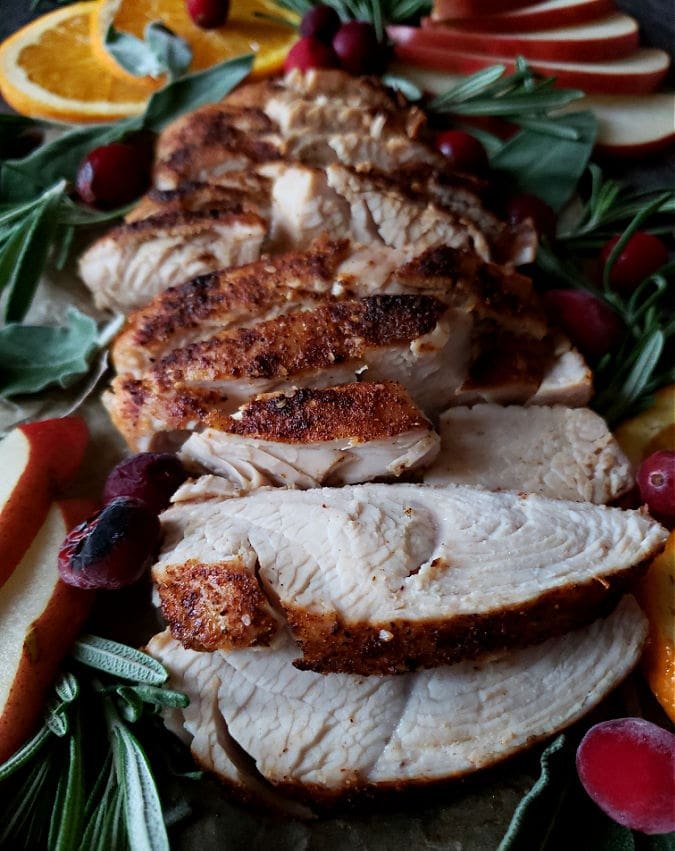
You want your turkey to be juicy, tender, and full of flavor every time you cook it. But sometimes, despite your best efforts, it turns out dry and tough.
What if you could change that? Imagine slicing into your turkey and seeing perfectly cooked meat that melts in your mouth. You’ll discover simple, proven tips that make cooking turkey tender easy and stress-free. Keep reading, and you’ll never have to worry about dry turkey again.
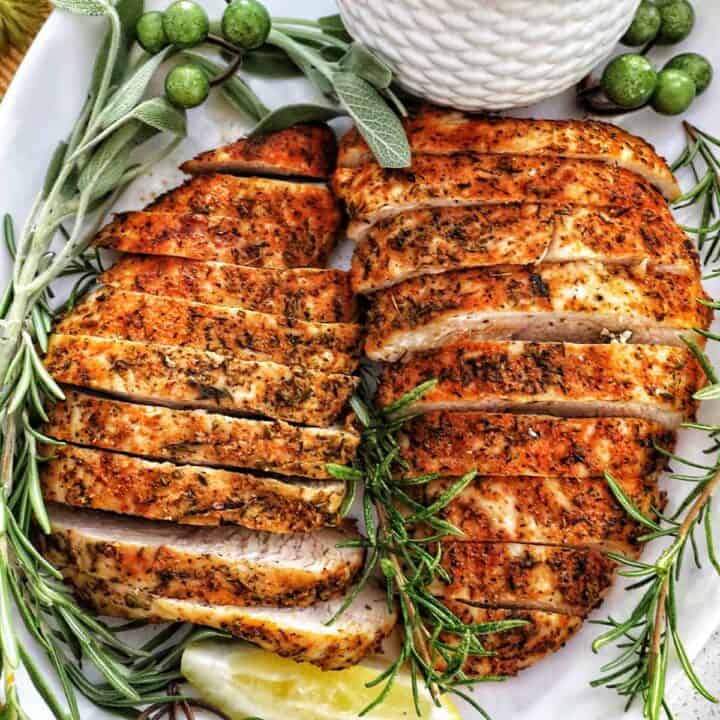
Credit: urbanblisslife.com
Choosing The Right Turkey
Picking the right turkey is key to cooking it tender. The bird you choose affects the taste and texture.
Think about freshness and size before buying your turkey. These factors help make your meal a success.
Fresh Vs. Frozen
Fresh turkeys are never frozen. They often taste juicier but must be cooked soon after purchase.
Frozen turkeys last longer in the freezer. Thaw them fully before cooking to keep the meat tender.
- Fresh: Cook within 1-2 days for best taste
- Frozen: Thaw in fridge 24 hours per 5 pounds
- Frozen may need more careful handling to stay moist
Ideal Weight For Cooking
Choose a turkey size that matches your guests. Too big or too small can affect cooking time and tenderness.
Smaller turkeys cook faster and stay juicy. Larger ones need more time and careful temperature control.
| Number of People | Recommended Turkey Weight |
|---|---|
| 4-6 | 8-12 pounds |
| 6-8 | 12-16 pounds |
| 8-10 | 16-20 pounds |

Credit: shesnotcookin.com
Prepping The Turkey
Preparing your turkey correctly is key to a tender and juicy meal. Careful steps before cooking help improve the flavor and texture.
Start with proper thawing and cleaning. These steps ensure your turkey cooks evenly and safely.
Thawing Techniques
Thaw your turkey slowly to keep it fresh and safe. The best way is to thaw it in the refrigerator.
Place the turkey on a tray to catch any drips. Allow about 24 hours for every 4-5 pounds of turkey.
- Keep turkey in its original packaging.
- Place it on the lowest fridge shelf.
- Check the turkey daily for complete thawing.
Cleaning And Patting Dry
Clean your turkey gently before cooking. Remove any leftover feathers or parts inside the cavity.
Pat the turkey dry with paper towels. This helps the skin crisp and the turkey cook evenly.
- Remove the neck and giblets from the cavity.
- Rinse the turkey under cold water briefly.
- Use paper towels to dry the whole bird thoroughly.
Marinating For Flavor
Marinating turkey tender adds taste and keeps the meat juicy. It lets flavors soak into the turkey before cooking.
A good marinade can make your turkey tender more delicious and tender. Use herbs, spices, and liquids to create your marinade.
Popular Marinade Recipes
Try these popular marinades for turkey tender. They add different flavors and aromas to your dish.
- Lemon Herb:Lemon juice, olive oil, garlic, rosemary, salt, and pepper.
- Teriyaki:Soy sauce, brown sugar, ginger, garlic, and sesame oil.
- Spicy Cajun:Olive oil, paprika, cayenne pepper, garlic powder, onion powder, and thyme.
- Garlic Butter:Melted butter, minced garlic, parsley, and black pepper.
Marinating Time And Techniques
Marinate turkey tender for enough time to absorb flavors but not too long to spoil the texture. Use these tips for best results.
| Marinating Time | Effect |
| 30 minutes | Light flavor, quick soak |
| 2–4 hours | Good flavor, tender meat |
| Over 6 hours | Strong flavor, may soften texture |
Place turkey tender and marinade in a sealed bag or container. Turn occasionally for even coating. Keep it in the fridge during marinating.
Brining For Moisture
Brining helps keep turkey tender and juicy. It adds moisture and flavor before cooking.
You can use wet or dry brine methods. Each one works differently but both improve taste and texture.
Wet Brine Method
Wet brining soaks the turkey in a saltwater solution. This helps the meat absorb water and seasoning.
- Mix water, salt, sugar, and spices in a large container.
- Submerge the turkey fully in the brine.
- Cover and refrigerate for 12 to 24 hours.
- Remove the turkey and rinse it well under cold water.
- Pat dry before cooking to get crispy skin.
Dry Brine Method
Dry brining uses salt and seasonings rubbed on the turkey. It draws moisture out, then reabsorbs it with flavor.
| Step | Action | Effect |
| 1 | Rub salt evenly on the turkey skin and inside the cavity. | Starts seasoning and draws out moisture. |
| 2 | Place turkey on a rack in the fridge uncovered. | Allows skin to dry for crispiness. |
| 3 | Wait 24 to 48 hours before cooking. | Meat absorbs salt and stays juicy during cooking. |
Cooking Methods
Turkey tender is a lean and tender cut that cooks quickly. You can use different methods to make it juicy and flavorful.
Choose a cooking method that fits your taste and available tools. Each method gives a unique result.
Roasting In The Oven
Roasting turkey tender in the oven gives a golden crust and tender inside. Preheat the oven to 375°F (190°C).
- Season the turkey tender with salt, pepper, and herbs.
- Place it on a baking tray with a rack.
- Roast for about 20 minutes per pound.
- Use a meat thermometer to check for 165°F (74°C) inside.
- Let it rest for 10 minutes before slicing.
Grilling For A Smoky Flavor
Grilling adds a smoky taste and charred marks. Use medium heat and oil the grill grates well.
| Step | Action |
| 1 | Marinate the turkey tender with spices and oil for 30 minutes. |
| 2 | Preheat the grill to medium heat. |
| 3 | Place the turkey tender on the grill. |
| 4 | Cook 6-8 minutes per side until internal temperature reaches 165°F (74°C). |
| 5 | Remove and let rest before slicing. |
Using A Slow Cooker
A slow cooker makes the turkey tender very soft and juicy. It is great for easy meals.
Follow these tips for slow cooking:
- Place turkey tender in the slow cooker.
- Add broth, vegetables, and seasonings.
- Cook on low for 6-8 hours or on high for 3-4 hours.
- Check the meat for tenderness before serving.
Achieving The Perfect Temperature
Cooking turkey tender means reaching the right temperature. This keeps the meat juicy and safe to eat.
Using tools and knowing the right internal temperature helps you cook turkey perfectly every time.
Using A Meat Thermometer
A meat thermometer is the best way to check turkey temperature. It tells you when the bird is done without guesswork.
- Insert the thermometer into the thickest part of the turkey, avoiding bones.
- Check the temperature near the thigh or breast for accuracy.
- Wait for the temperature to stop rising before removing the bird from the oven.
- Clean the thermometer after each use to keep it safe and accurate.
Ideal Internal Temperature
The turkey is safe and tender when it reaches the right internal temperature. Use the thermometer to confirm this.
| Turkey Part | Safe Temperature (°F) | Safe Temperature (°C) |
| Whole Turkey | 165 | 74 |
| Breast Meat | 165 | 74 |
| Thigh Meat | 165 | 74 |
| Ground Turkey | 165 | 74 |
Resting The Turkey
Resting the turkey after cooking is very important. It lets the juices settle inside the meat.
If you cut the turkey right away, the juices will spill out. This makes the meat dry and tough.
How Long To Rest
Let the turkey rest for 20 to 30 minutes after cooking. This time works well for most sizes.
Cover the turkey loosely with foil while it rests. This keeps it warm without steaming the skin.
- Small turkeys (8-12 lbs): rest 15-20 minutes
- Medium turkeys (12-16 lbs): rest 20-25 minutes
- Large turkeys (16+ lbs): rest 25-30 minutes
Benefits Of Resting
Resting the turkey makes the meat juicier and more tender. The juices move back into the meat fibers.
This process also helps the turkey cook evenly. The temperature spreads through the meat during resting.
- Prevents dry meat by keeping juices inside
- Makes slicing easier and cleaner
- Improves flavor and texture
- Helps the turkey finish cooking gently
Carving Techniques
Carving a turkey properly makes it easier to serve and enjoy. Using the right tools and methods helps keep the meat tender.
This guide shows simple carving steps to help you cut the turkey cleanly and neatly.
Tools Needed
Having the right tools makes carving faster and safer. Use sharp and sturdy tools for best results.
- Sharp carving knife
- Fork or meat holder
- Cutting board with grooves
- Serving platter
- Kitchen towels for grip
Step-by-step Guide
Start carving once the turkey rests for 20 minutes. Resting helps juices stay inside the meat.
- Place the turkey on the cutting board, breast side up.
- Hold the turkey steady with a fork or meat holder.
- Cut along one side of the breastbone to remove the breast meat.
- Slice the breast meat crosswise into even pieces.
- Remove the legs by cutting through the joint where the thigh meets the body.
- Separate the drumstick from the thigh by cutting through the joint.
- Slice the thigh meat into smaller pieces.
- Remove the wings by cutting through the joints.
- Arrange all the sliced meat on the serving platter.
Serving Suggestions
Cooking turkey tender is just the start. Serving it with the right sides and drinks makes the meal special. These ideas help you enjoy your turkey fully.
Think about flavors and textures that match tender turkey. This guide offers tasty side dishes and wine pairings to enhance your meal.
Side Dishes To Complement
Side dishes add flavor and balance to tender turkey. Choose options that bring freshness and a variety of textures.
- Roasted vegetables like carrots and Brussels sprouts
- Mashed potatoes with garlic and herbs
- Cranberry sauce for a sweet and tart contrast
- Green bean almondine with toasted nuts
- Buttery dinner rolls or cornbread
These sides are simple but tasty. They keep the turkey as the main focus while adding color and flavor.
Wine Pairings
The right wine makes turkey taste even better. Choose lighter wines to match the tender texture and mild flavor.
- Pinot Noir – light and fruity
- Chardonnay – smooth with a hint of oak
- Zinfandel – slightly spicy and rich
- Riesling – sweet and crisp
- Sauvignon Blanc – fresh and zesty
Try these wines chilled or slightly cool. They help bring out the turkey’s natural flavors without overpowering them.
Common Mistakes To Avoid
Cooking turkey tender is not always easy. Many people make simple mistakes that make the meat dry and tough.
Knowing what to avoid helps you get juicy and soft turkey every time you cook.
Overcooking The Turkey
One common mistake is cooking the turkey too long. Overcooked turkey loses moisture and becomes dry.
- Use a meat thermometer to check the temperature.
- Remove the turkey from heat at 165°F (74°C).
- Avoid guessing the cooking time; it varies by turkey size.
- Check the temperature in the thickest part of the bird.
Skipping The Resting Period
Many cooks serve turkey right after cooking. This stops the juices from settling inside the meat.
| Resting Time | Effect on Turkey |
|---|---|
| 0 minutes | Juices run out when cut, meat becomes dry |
| 15-20 minutes | Juices stay inside, meat stays tender and moist |
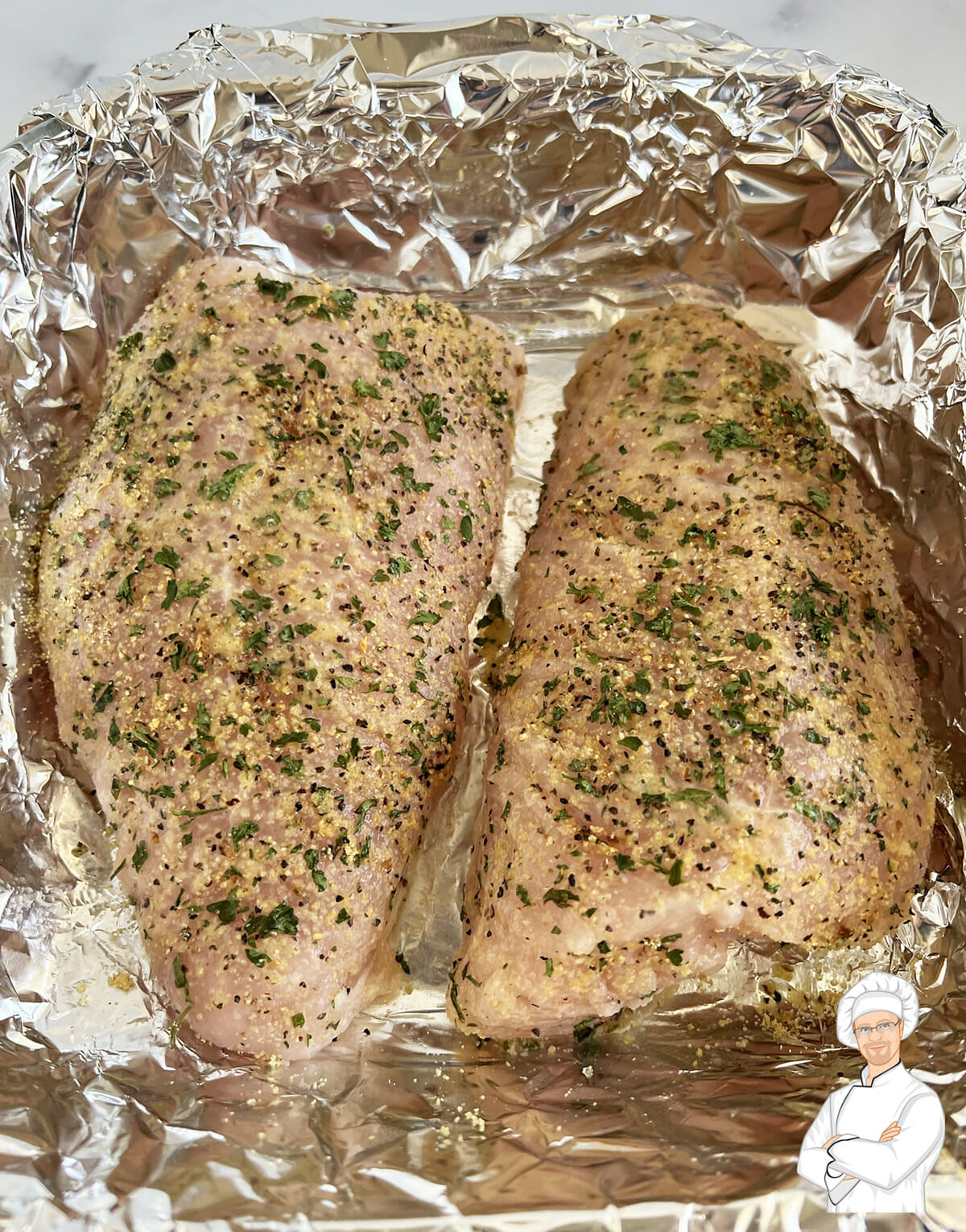
Credit: recipeteacher.com
Frequently Asked Questions
How Do You Keep Turkey Tender While Cooking?
To keep turkey tender, brine it for at least 12 hours before cooking. Use low heat and baste regularly to retain moisture.
What Is The Best Cooking Temperature For Tender Turkey?
Cook turkey at 325°F (163°C) to ensure even cooking. Use a meat thermometer to check for 165°F internal temperature.
Should I Cover Turkey While Cooking To Stay Tender?
Yes, covering turkey with foil during the first half of cooking traps moisture. Remove foil later for crispy skin.
How Long Should I Rest Turkey Before Carving?
Rest turkey for 20 to 30 minutes after cooking. This allows juices to redistribute, making the meat tender and juicy.
Conclusion
Cooking turkey tender takes patience and the right steps. Start by brining or marinating the bird for flavor and moisture. Use a meat thermometer to check doneness without drying it out. Rest the turkey after cooking to keep juices inside.
Carve carefully and enjoy juicy, tender slices every time. Follow these tips to make your turkey soft and tasty. Cooking turkey can be simple and rewarding with these easy methods. Give it a try and enjoy your meal!