
Are you tired of ending up with mushy or burnt rice every time you use your pressure cooker? Cooking rice perfectly can be tricky, but once you master it, you’ll save time and enjoy fluffy, delicious rice with every meal.
In this guide, you’ll discover simple, foolproof steps to cook rice in your pressure cooker just right—no more guesswork or wasted ingredients. Keep reading, and soon you’ll impress yourself and your family with perfectly cooked rice every single time.

Credit: www.youtube.com
Choosing The Right Rice
Choosing the right rice is important for cooking rice perfectly in a pressure cooker. Different types of rice cook differently and affect the final texture.
Knowing how to pick good quality rice helps you get better results and taste every time you cook.
Types Of Rice
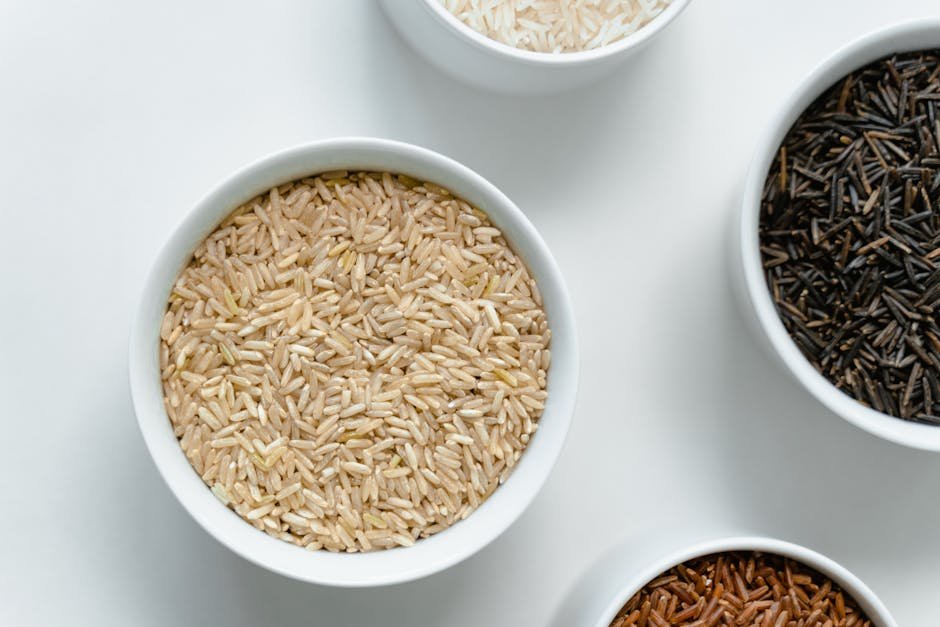
Rice comes in many varieties. Each type has its own cooking time and texture. Here are common types:
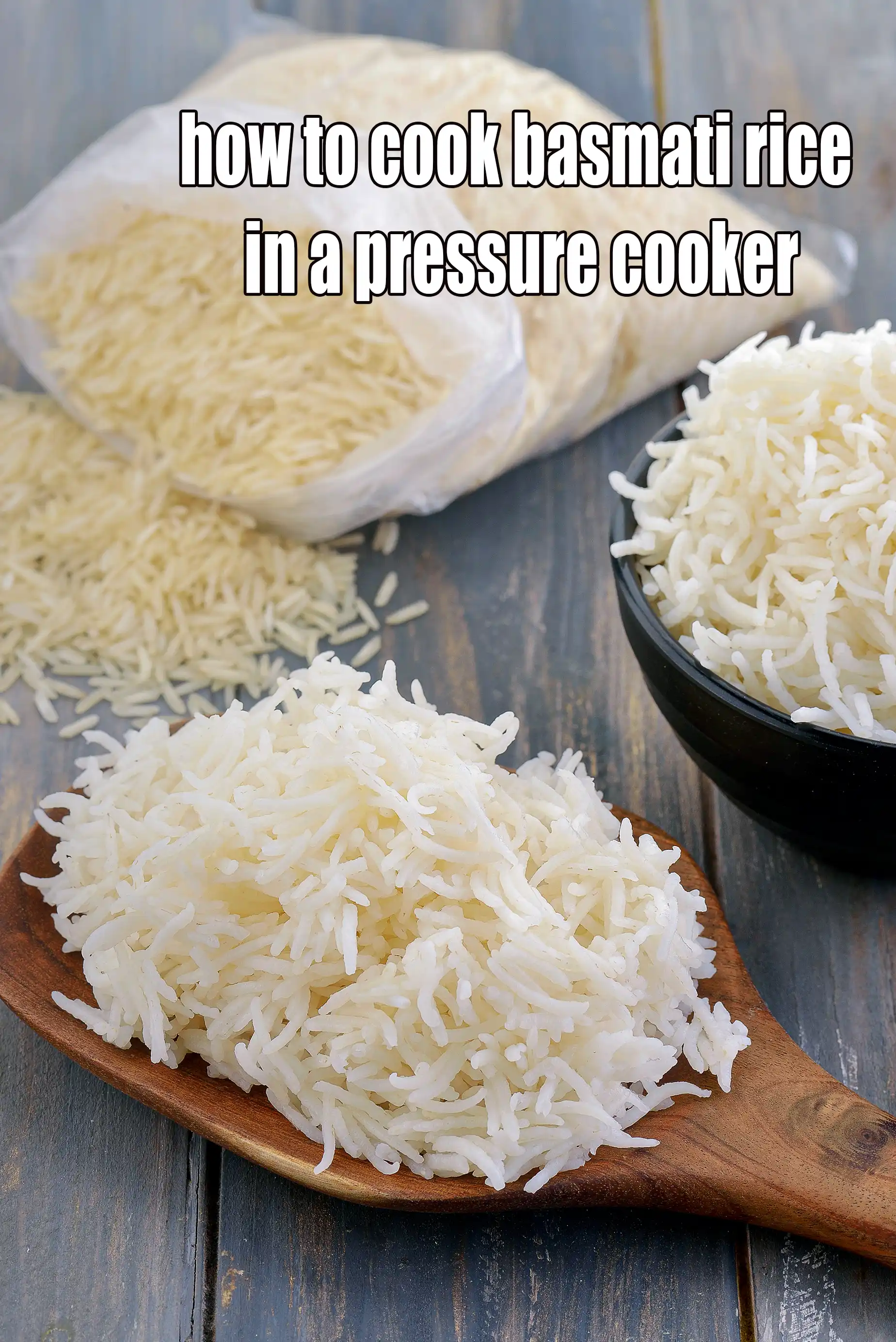
- Basmati: Long grains, fragrant, fluffy when cooked
- Jasmine: Soft, slightly sticky, aromatic
- Short Grain: Sticky, used in sushi and desserts
- Brown Rice: Whole grain, chewy, takes longer to cook
- Parboiled Rice: Partially boiled, less sticky, firm texture
Quality Indicators
Good quality rice cooks well and tastes better. Check these points before buying:
| Indicator | What to Look For |
| Color | Uniform, no discoloration or yellow spots |
| Smell | Fresh, no musty or sour odor |
| Grain Shape | Whole grains, minimal broken pieces |
| Moisture | Dry grains, not sticky or damp |
| Packing Date | Recent, to ensure freshness |
Preparing The Rice
Cooking rice perfectly starts with good preparation. Cleaning and soaking the rice can improve the texture. These simple steps help the rice cook evenly in a pressure cooker.
Below are key techniques for rinsing and soaking rice before cooking. Following these tips ensures soft and fluffy rice every time.
Rinsing Techniques
Rinsing rice removes dirt and excess starch. This prevents the rice from becoming sticky or clumping during cooking.
- Place rice in a fine mesh strainer or bowl.
- Rinse under cold running water gently.
- Stir the rice with your fingers to remove starch.
- Repeat rinsing 3 to 4 times until water runs clear.
- Drain rice well before soaking or cooking.
Soaking Tips
Soaking rice shortens cooking time and improves texture. It allows grains to absorb water evenly.
| Soaking Time | Effect on Rice |
|---|---|
| 15–30 minutes | Softens grains and reduces cooking time |
| 1 hour or more | Makes rice fluffier and less sticky |
| No soaking | Longer cooking time; firmer texture |
Measuring Ingredients
Measuring ingredients correctly is key to cooking rice perfectly in a pressure cooker.
Use the right amounts of rice, water, and seasonings for the best results.
Water To Rice Ratio
The water to rice ratio affects how soft or firm the rice turns out. Too much water makes it mushy. Too little water leaves it dry.
| Type of Rice | Water to Rice Ratio |
|---|---|
| White Rice | 1 cup rice : 1.5 cups water |
| Basmati Rice | 1 cup rice : 1.25 cups water |
| Brown Rice | 1 cup rice : 2 cups water |
| Jasmine Rice | 1 cup rice : 1.5 cups water |
Adding Seasonings
Seasonings add flavor to your rice. Measure them carefully to avoid overpowering the dish.
- Use ½ teaspoon salt per cup of rice
- Add 1 tablespoon oil or butter for richness
- Optional: Add spices like bay leaf or cardamom pods
- Rinse rice before adding seasonings to remove excess starch
Credit: www.tarladalal.com
Pressure Cooker Setup
Cooking rice in a pressure cooker is fast and easy. Proper setup is important for perfect rice every time.
Setting up your pressure cooker correctly helps avoid overcooked or undercooked rice. Follow these tips for best results.
Selecting The Right Cooker
Choose a pressure cooker that fits your needs and the amount of rice you cook. Size and type matter for good cooking.
Stainless steel cookers hold heat well and last long. Aluminum cookers heat up faster but may wear out sooner.
- Use a 3 to 6 quart cooker for small families.
- Use an 8 quart or larger cooker for big groups.
- Check if the cooker has a good sealing ring to keep pressure.
- Make sure the lid locks tightly for safety.
Pressure Settings
Set the pressure level to cook rice perfectly. Most rice cooks well at low or medium pressure.
High pressure can cook rice too fast and make it mushy. Adjust the setting based on your cooker model.
- Low pressure: 5 to 7 psi is ideal for white rice.
- Medium pressure: 8 to 10 psi works for brown rice.
- Check your cooker manual for exact pressure levels.
- Use the pressure indicator to maintain steady pressure.
Cooking Process
Cooking rice in a pressure cooker is fast and easy. It saves time and keeps rice fluffy.
Follow simple steps to get perfectly cooked rice every time. Use the right water and cooking time.
Cooking Time
Set the pressure cooker to high pressure for best results. The cooking time depends on rice type.
- White rice: Cook for 3 to 5 minutes
- Brown rice: Cook for 15 to 20 minutes
- Parboiled rice: Cook for 5 to 7 minutes
After the timer goes off, switch off the heat and let the rice rest inside the cooker.
Natural Release Method
Let the pressure cooker cool down naturally. This helps rice finish cooking gently.
Do not open the lid immediately. Wait for 10 to 15 minutes for the pressure to drop.
- Keep the cooker closed during natural release
- Do not force open the lid
- Natural release keeps rice fluffy and soft
Fluffing And Serving
Cooking rice in a pressure cooker is fast and easy. After cooking, fluffing the rice makes it light and soft.
Serving rice properly adds to the meal’s appeal. Simple tips can help you present rice nicely on the plate.
Fluffing Techniques
Fluff rice gently with a fork or spoon to separate grains. Avoid pressing or stirring too hard.
Wait a few minutes after cooking before fluffing. This lets steam escape and stops rice from getting mushy.
- Use a fork to lift and loosen grains
- Do not mash or press the rice
- Fluff just before serving
- Let rice rest for 5 minutes after cooking
Serving Suggestions
Serve rice warm for the best taste. Use a bowl or plate that matches your main dish.
Add fresh herbs or a squeeze of lemon for extra flavor. Rice pairs well with many sauces and vegetables.
- Garnish with chopped cilantro or parsley
- Serve with curry, stir-fried vegetables, or grilled meats
- Add a dash of soy sauce or lemon juice
- Use a mold or cup to shape rice for a neat look
Troubleshooting Common Issues
Cooking rice in a pressure cooker saves time and effort. Still, you might face problems like undercooked or sticky rice.
Knowing how to fix these issues helps you get perfect rice every time. Read on for simple solutions.
Dealing With Under Or Overcooked Rice
Undercooked rice feels hard and crunchy. Overcooked rice turns mushy and soft. Both can ruin your meal.
To avoid undercooked rice, add enough water and cook longer if needed. For overcooked rice, reduce cooking time and water.
- Check water-to-rice ratio: usually 1:1.5 or 1:2 depending on rice type
- Use the right pressure setting for your cooker
- Let natural pressure release for a few minutes after cooking
- If rice is undercooked, add hot water and cook again briefly
- If rice is overcooked, reduce water or cooking time next time
Preventing Sticky Rice
Sticky rice can be too wet or clumpy. Rinsing rice before cooking helps remove extra starch that causes stickiness.
Use the right amount of water and avoid overcooking to keep rice fluffy and separate.
- Rinse rice 2-3 times until water runs clear
- Use less water for firmer rice
- Stir rice gently after cooking to separate grains
- Let rice rest with lid off for a few minutes after cooking
- Use a pressure cooker with good sealing to avoid steam loss
Storing And Reheating
Cooking rice in a pressure cooker saves time and effort. After cooking, proper storage and reheating keep the rice fresh and tasty.
Follow simple tips to store rice safely and reheat it without losing flavor or texture.
Proper Storage Methods
Store rice properly to avoid spoilage and keep it safe to eat. Cool the rice quickly after cooking before storing.
- Put cooled rice in an airtight container
- Keep the container in the refrigerator within two hours of cooking
- Use the rice within 3 to 4 days for best quality
- Do not leave rice at room temperature for more than two hours
- For longer storage, freeze rice in small portions
Reheating Tips
Reheat rice safely to avoid foodborne illness. Add moisture to keep rice soft and fluffy after reheating.
| Method | Instructions | Notes |
| Microwave | Place rice in microwave-safe bowl. Cover with a damp paper towel. Heat for 1-2 minutes. | Check and stir halfway for even heating. |
| Stovetop | Heat rice in a pan with a splash of water. Cover and warm on low heat, stirring often. | Prevents rice from drying out. |
| Steaming | Use a steamer basket over boiling water. Steam rice for 5-7 minutes until hot. | Best for retaining moisture and texture. |
Credit: www.favfamilyrecipes.com
Frequently Asked Questions
How Much Water To Use For Rice In Pressure Cooker?
Use 1. 5 to 2 cups of water for every 1 cup of rice. Adjust water depending on rice type and desired texture for perfect results.
How Long To Cook Rice In A Pressure Cooker?
Cook rice under high pressure for 3 to 8 minutes. Timing varies based on rice variety and pressure cooker model.
Can I Cook Different Rice Types In Pressure Cooker?
Yes, you can cook basmati, jasmine, and brown rice. Adjust water amount and cooking time accordingly for each type.
How To Prevent Rice From Sticking In Pressure Cooker?
Rinse rice thoroughly and add a teaspoon of oil or butter. Avoid overcooking to keep grains separate and fluffy.
Conclusion
Cooking rice in a pressure cooker saves time and effort. Use the right water-to-rice ratio for soft, fluffy grains. Keep the cooker sealed tightly during cooking to trap steam. Let the pressure release naturally for best texture. Clean the cooker after each use to keep it working well.
With these simple steps, enjoy perfect rice every time. Practice makes perfect. Try different rice types and find what works best. Cooking rice this way suits busy days and quick meals. Easy, fast, and tasty rice is just a few steps away.