
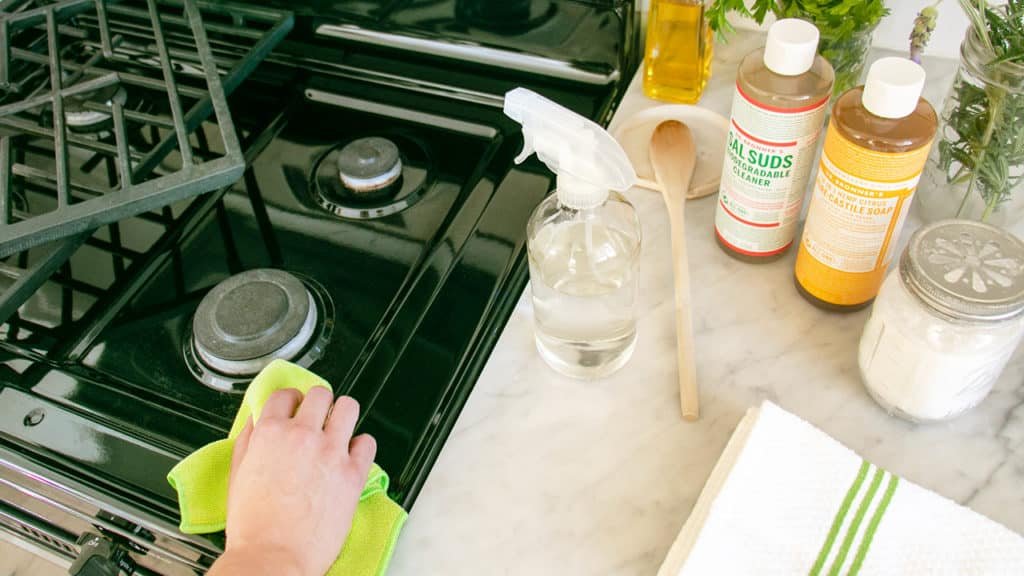
Is your stove top looking dull or covered in stubborn grease? You’re not alone.
A clean stove top not only makes your kitchen look inviting but also helps your cooking stay safe and tasty. Imagine turning on your stove without worrying about sticky spills or burnt-on messes. In this guide, you’ll discover simple, effective ways to clean your stove top thoroughly—so it shines like new every time.
Ready to transform your kitchen and make cleaning less of a chore? Let’s dive in!
Types Of Stove Tops
Stove tops come in different types. Each type needs a special way to clean it well.
Knowing your stove top type helps you clean it without damage. This guide covers gas, electric, and induction stove tops.
Gas Stove Tops
Gas stove tops have open flames and metal grates. They can get greasy and dirty from food spills.
- Remove the grates and burner caps before cleaning.
- Soak them in warm, soapy water.
- Use a soft brush to clean burner holes gently.
- Wipe the stove surface with a damp cloth and mild cleaner.
- Dry all parts well before putting them back.
Electric Stove Tops
Electric stove tops have coil burners or smooth glass surfaces. Each type needs different care.
| Type | Cleaning Tips |
| Coil Burners | Unplug coils, wipe with cloth, clean drip pans separately. |
| Glass Tops | Use a scraper for tough spots, clean with special glass cleaner. |
Induction Stove Tops
Induction stove tops use magnetic heat. They have smooth glass surfaces that need careful cleaning.
To clean induction stove tops:
- Wait for the stove to cool down completely.
- Wipe the surface with a soft, damp cloth.
- Use a mild cleaner made for glass surfaces.
- Remove stubborn stains carefully with a plastic scraper.
- Dry the top with a clean, soft towel.
Essential Cleaning Supplies
Cleaning your stove top well needs the right supplies. Using proper items helps remove grease and dirt fast.
Gather these supplies before you start. It makes cleaning easier and better.
Natural Cleaning Agents
Natural cleaners use simple ingredients found at home. They are safe and work well on most stove tops.
Common natural agents break down grease and remove stains without harsh chemicals.
- Baking soda: Scrubs and deodorizes
- White vinegar: Cuts grease and shines surfaces
- Lemon juice: Removes stains and adds a fresh scent
- Castile soap: Gentle cleaner for delicate surfaces
Commercial Cleaners
Commercial cleaners are made for tough stove top messes. They work fast to dissolve baked-on food.
Choose products safe for your stove type. Read labels to avoid damage.
- Degreasers: Remove heavy grease and oil
- All-purpose kitchen sprays: Clean multiple surfaces
- Stove top-specific cleaners: Made for glass or ceramic tops
- Disinfectant sprays: Kill germs and bacteria
Tools And Accessories
Having the right tools makes cleaning easier and more effective. Use tools that do not scratch the surface.
Replace worn-out sponges and cloths often. Clean tools help avoid spreading dirt.
- Soft sponges: For gentle scrubbing
- Microfiber cloths: Absorb and polish
- Plastic scrapers: Remove stuck food safely
- Old toothbrush: Clean small corners and edges
- Rubber gloves: Protect your hands
Preparing The Stove Top
Cleaning your stove top starts with proper preparation. Getting ready helps you clean better and faster.
Before scrubbing, take time to prepare the area and the stove surface carefully.
Safety Precautions
Safety is very important when cleaning your stove top. Make sure the stove is off and cool before you start.
Turn off gas or electric supply if possible. Avoid touching hot burners to prevent burns.
- Switch off the stove and let it cool fully
- Unplug the stove if electric
- Keep cleaning products away from children and pets
- Wear gloves to protect your hands
Initial Debris Removal
Start by removing loose dirt and food crumbs from the stove top. Use a dry cloth or paper towel.
Take off burner grates, knobs, and other removable parts. Clean these separately to reach under the stove top.
- Use a brush or cloth to sweep crumbs away
- Lift and remove burner grates carefully
- Take off knobs and wash them with warm soapy water
- Wipe the stove surface to clear dust and grease
Cleaning Gas Stove Tops
Cleaning your gas stove top keeps it safe and working well. Dirt and grease can build up quickly.
Regular cleaning helps avoid bad smells and fire hazards. It also makes cooking easier and more pleasant.
Removing Grates And Burners
First, make sure the stove is off and cool. Carefully lift the grates from the stove top.
Remove the burner caps and heads gently. Check for stuck food or grease on these parts.
- Turn off all burners and let them cool
- Lift grates straight up and set aside
- Remove burner caps and heads carefully
- Inspect parts for food or grease buildup
Cleaning The Surface
Use a soft cloth or sponge with warm soapy water. Wipe the stove top surface gently to remove spills and stains.
For tough spots, use a baking soda paste. Apply it, let it sit for 10 minutes, then scrub lightly.
- Wipe with warm soapy water
- Use baking soda paste on stains
- Scrub gently to avoid scratches
- Dry the surface with a clean cloth
Reassembling Components
Make sure all parts are dry before putting them back. Place burner heads and caps in their original spots.
Set the grates back on the stove top. Check that everything fits well and the burners turn on smoothly.
- Dry burner parts completely
- Replace burner heads and caps
- Set grates carefully on the stove
- Test burners for proper function
Cleaning Electric Stove Tops
Keeping your electric stove top clean helps it work better and last longer.
This guide covers how to clean coil burners and glass tops safely and well.
Dealing With Coil Burners
Coil burners can collect food and grease. Cleaning them often stops smoke and bad smells.
- First, unplug the stove and lift the coils gently.
- Remove drip pans and soak them in warm, soapy water.
- Use a sponge to wipe the coil surfaces carefully.
- Dry all parts fully before putting them back.
- Replace drip pans and coils in their spots.
Glass-top Care
Glass stove tops need gentle care to avoid scratches and stains.
| Cleaning Step | What to Use | Tips |
| Remove loose debris | Soft cloth | Wipe gently to avoid scratches |
| Apply cleaner | Glass stove top cleaner or vinegar | Use a small amount for spot cleaning |
| Scrape off burnt food | Plastic scraper | Hold scraper at 45 degrees |
| Wipe clean | Microfiber cloth | Dry to avoid streaks |

Credit: www.reddit.com
Cleaning Induction Stove Tops
Induction stove tops need careful cleaning to keep their smooth surface safe. Dirt and spills can build up, making the stove look dull and harder to use. Cleaning regularly helps your stove work well for a long time.
Use soft tools and mild cleaners to avoid scratches. Avoid harsh chemicals that can damage the glass surface. This guide shows gentle scrubbing methods and ways to avoid damage.
Gentle Scrubbing Techniques
Start by letting the stove cool down before cleaning. Use a soft cloth or sponge with warm soapy water. Avoid steel wool or rough scrubbing pads. For stuck-on food, soak a cloth in warm water and lay it on the spot for a few minutes.
- Use a soft microfiber cloth or sponge.
- Apply warm water with mild dish soap.
- Soak tough stains with a wet cloth for 5 minutes.
- Gently rub in small circles to lift dirt.
- Wipe with a clean, damp cloth to remove soap.
Avoiding Damage
Never use sharp tools or abrasive cleaners on the glass surface. Avoid dropping heavy pots or pans that can crack the top. Do not pour cold water on a hot stove to prevent thermal shock. Use only cleaners made for induction glass tops.
| What to Avoid | Why |
| Steel wool or rough scrubbers | Scratch the glass surface |
| Harsh chemicals like bleach | Damage the finish and sensors |
| Cold water on hot stove | Can cause cracks from thermal shock |
| Sharp metal tools | May chip or break the glass |
| Heavy impacts | Risk of permanent cracks |
Tackling Stubborn Stains
Stubborn stains on your stove top can be tough to remove. These stains often come from burnt food or spills.
Using the right cleaning solutions helps make the stove look clean again. Both homemade and store-bought options work well.
Homemade Paste Solutions
Homemade pastes use simple ingredients you likely have at home. They are safe and effective for tough stains.
Mix baking soda with water to form a thick paste. Apply it to the stained areas and let it sit for 15 minutes. Then, scrub gently with a sponge.
- Baking soda and water paste
- Baking soda and vinegar mix
- Lemon juice and baking soda paste
These pastes break down grease and burnt food without harsh chemicals. Rinse the stove top with warm water after scrubbing.
Store-bought Options
Store-bought cleaners are made for tough stove top stains. They often contain stronger ingredients for quick cleaning.
Choose a cleaner that fits your stove type. Spray it on, wait a few minutes, then wipe or scrub the stains away.
- Grease-cutting sprays
- Heavy-duty stove top cleaners
- Non-abrasive scrubbing pads
Always follow the instructions on the product label. Use gloves to protect your skin if needed.

Credit: www.aol.com
Regular Maintenance Tips
Keeping your stove top clean is important for safety and looks. Regular care stops tough stains and buildup.
Small daily tasks and weekly cleaning keep your stove top working well. Follow easy steps to maintain it.
Daily Wipe-down
After cooking, wipe the stove top to remove spills and crumbs. This stops food from hardening.
Use a soft cloth or sponge with warm soapy water. Avoid harsh cleaners that can scratch surfaces.
- Turn off burners and wait for the stove to cool
- Use a damp cloth with mild dish soap
- Wipe spills gently to avoid spreading
- Dry with a clean towel to prevent streaks
Weekly Deep Clean
Once a week, do a thorough cleaning to remove grease and food buildup. This keeps the stove safe and shiny.
Remove burner grates and knobs to clean them separately. Use a non-abrasive cleaner for the stove surface.
- Take off burner grates and soak them in warm, soapy water
- Clean knobs with a cloth dampened in soapy water
- Use a gentle scrubber on stove stains
- Wipe the entire surface with a clean, damp cloth
- Dry all parts fully before reassembling
Common Mistakes To Avoid
Cleaning your stove top keeps it safe and looking good. Many people make errors that damage the surface or make cleaning harder.
Learn what to avoid so your stove top stays clean and works well for a long time.
Using Abrasive Materials
Using harsh scrubbers or rough tools can scratch your stove top. These scratches can trap dirt and make it look bad.
- Avoid steel wool pads and rough brushes.
- Never use harsh powders that can wear down surfaces.
- Use soft cloths or sponges designed for delicate surfaces.
- Choose cleaning products labeled safe for your stove type.
Neglecting Regular Cleaning
Waiting too long to clean spills makes dirt hard to remove. Baked-on food can cause stains and damage your stove.
| Problem | Effect | Solution |
| Skipping daily wipe downs | Build-up of grease and crumbs | Clean after each use |
| Ignoring small spills | Stains and sticky residue | Wipe spills immediately |
| Using water alone | Ineffective cleaning of grease | Use proper stove cleaners |
Credit: www.maytag.ca
Troubleshooting Cleaning Issues
Cleaning your stove top can be tricky if problems occur. Some issues stop you from getting a clean surface. Knowing how to fix these helps keep your stove safe and working well.
Two common problems are burner ignition issues and stubborn residue. Fixing these makes cleaning easier and your stove look better.
Burner Ignition Problems
Burner ignition can fail if dirt blocks the spark or gas flow. Food crumbs and grease often cause this. Cleaning around the ignition points is key.
- Turn off the stove and unplug it before cleaning.
- Remove burner caps and soak them in warm, soapy water.
- Use a soft brush to clean ignition holes and spark areas gently.
- Dry all parts fully before reassembling the stove.
- Check if the burner ignites properly after cleaning.
Persistent Residue
Some stains stick to the stove top and won’t come off with normal cleaning. These spots need stronger methods and careful scrubbing.
| Residue Type | Cleaning Tip |
| Burnt-on grease | Use baking soda paste and a soft cloth |
| Sugar spills | Clean immediately to avoid hard crusts |
| Mineral deposits | Apply vinegar and let it sit before wiping |
| Stubborn stains | Use a plastic scraper carefully to avoid scratches |
Frequently Asked Questions
How Often Should I Clean My Stove Top?
Clean your stove top after every use to prevent buildup. Deep clean weekly to remove stubborn grease and stains. Regular cleaning keeps your stove hygienic and efficient.
What Are The Best Natural Cleaners For Stove Tops?
Use baking soda, vinegar, and lemon juice for natural cleaning. These ingredients break down grease without harsh chemicals. They are safe and eco-friendly for all stove top types.
How Do I Remove Burnt-on Food From The Stove Top?
Apply a baking soda paste on burnt areas and let it sit. Scrub gently with a non-abrasive sponge. Rinse with warm water and wipe clean for best results.
Can I Clean A Glass Stove Top With Regular Cleaners?
Avoid abrasive cleaners on glass stove tops to prevent scratches. Use a cleaner specifically designed for glass surfaces. Soft cloths or sponges work best for gentle cleaning.
Conclusion
A clean stove top makes cooking more pleasant and safe. Regular cleaning stops grease and food build-up. Use gentle cleaners and soft cloths to protect your stove. Take time to clean all parts, even small corners. A little effort keeps your kitchen fresh and tidy.
Start cleaning today for a better cooking space tomorrow.