
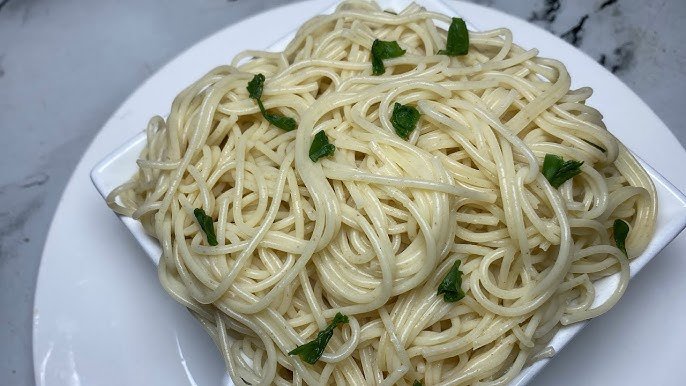
Have you ever cooked pasta only to find it stuck together in a clumpy mess? It’s frustrating, right?
You want your pasta to be perfectly cooked—separate, smooth, and ready to soak up your favorite sauce. Luckily, you don’t have to be a chef to achieve this. With a few simple tips and tricks, you can say goodbye to sticky pasta forever.
Keep reading, and you’ll discover easy steps that make cooking pasta a breeze every single time. Your next pasta dish will turn out just right, guaranteed.
Choosing The Right Pasta
Cooking pasta without it sticking starts with picking the right type. Some pasta shapes and sizes hold together better during cooking.
Understanding the pasta you choose helps prevent clumps and keeps the texture perfect.
Pick Pasta With Rough Surfaces
Pasta with a rough texture holds sauce better and resists sticking. Look for shapes like penne or rigatoni that have ridges.
Smooth pasta, like spaghetti, can stick more easily if not stirred well.
Choose Pasta Made From Durum Wheat
Durum wheat pasta is firm and cooks evenly. It stays firm and less sticky during boiling.
Look for packages that say “100% durum wheat semolina” for best results.
Use Fresh Or High-quality Pasta
Fresh pasta cooks quickly but may stick if overcooked. Dry pasta lasts longer and holds shape well.
Choose pasta from trusted brands or homemade recipes to reduce sticking chances.
Match Pasta Shape To Sauce Type
Thicker sauces work well with wider pasta shapes like fettuccine. Thin sauces suit thin pasta like angel hair.
Choosing the right shape helps pasta cook evenly and stay separate during cooking.
- Wide pasta holds thick sauces and stays firm
- Thin pasta cooks fast and pairs with light sauces
- Hollow shapes trap sauce and reduce sticking

Credit: worldofpastabilities.com
Boiling The Water
Boiling water correctly is important to cook pasta well. It helps prevent the pasta from sticking together.
Good boiling water makes the pasta cook evenly and taste better.
Correct Water Amount
Use plenty of water to give pasta space to move. This stops the pasta from sticking.
A good rule is to use 4 to 6 quarts of water for every pound of pasta.
- More water means less starch concentration
- Plenty of water helps pasta cook evenly
- Too little water causes pasta to stick
Salt The Water
Add salt to the boiling water before adding pasta. Salt adds flavor and helps prevent sticking.
Use about 1 to 2 tablespoons of salt per 4 to 6 quarts of water.
- Salt makes pasta taste better
- Salted water raises boiling point slightly
- Do not add oil to the water; it can make sauce slide off
Stirring Techniques
Cooking pasta without it sticking requires good stirring. Stirring helps pasta cook evenly.
Using the right stirring techniques keeps pasta from clumping together in the pot.
Initial Stir
Stir pasta right after adding it to boiling water. This stops pasta from sticking at the start.
Use a long spoon or spatula to gently separate the pasta pieces.
- Stir within the first 30 seconds
- Move pasta gently to avoid breaking it
- Make sure all pasta is submerged in water
Frequent Stirring
Keep stirring pasta regularly while it cooks. This stops pasta from sticking later on.
Stir every few minutes using a gentle motion to keep pasta pieces separate.
- Stir every 2 to 3 minutes
- Use a gentle, wide stirring motion
- Keep pasta moving but do not over-stir
Using Oil
Many people add oil to pasta water to stop the noodles from sticking. Oil creates a thin layer on the pasta surface. This layer can help keep the pasta separate during cooking.
Using oil is a common trick, but it has some benefits and drawbacks. It is important to know when and how to add oil for best results.
Pros And Cons
Adding oil can make cooking pasta easier in some ways. It helps prevent noodles from sticking to each other.
- Pros:
- Reduces pasta sticking in the pot
- Can make pasta less sticky after draining
- Easy to do and needs just a small amount
There are also some downsides to using oil in pasta water. It may affect sauce adhesion and cooking results.
- Cons:
- Oil may prevent sauce from sticking well
- Does not replace stirring to stop sticking
- Can make pasta slippery and less tasty
When To Add Oil
Add oil right after the water starts boiling. Pour a small amount, about one tablespoon per pot of water.
Do not add oil before boiling. It can make the water oily and less effective for cooking pasta evenly.
- Wait for water to boil before adding oil
- Use a little oil, too much is not helpful
- Stir pasta often to avoid sticking, even with oil
Proper Cooking Time
Cooking pasta for the right amount of time helps prevent it from sticking together. Overcooked pasta becomes mushy and sticky. Undercooked pasta feels hard and tastes raw.
Knowing the correct cooking time keeps your pasta firm and smooth. It also helps the pasta hold its shape and taste better.
Checking For Doneness
Check pasta a minute before the package time ends. Take a piece out and bite it. It should be soft but not mushy. If it is too hard, cook a little longer.
Stir pasta while cooking to stop it from sticking. Use plenty of water and add salt for better flavor.
- Start checking pasta 1-2 minutes before time ends
- Bite to test texture and softness
- Stop cooking when pasta is soft but firm
- Stir often during cooking
- Use enough boiling water and salt
Al Dente Texture
Al dente means pasta is cooked but still firm to the bite. It should not be too soft or mushy. This texture tastes best and holds sauce well.
To get al dente pasta, cook it for about 1-2 minutes less than the package time. Then test by biting to check firmness.
- Cook pasta slightly less than package time
- Test by biting for firmness
- Stop cooking when pasta is firm but not hard
- Drain pasta immediately to keep texture
Draining And Rinsing
Draining and rinsing pasta are important steps to stop cooking. They also help keep pasta from sticking together.
Knowing how to handle pasta after boiling can improve its texture and taste.
Rinsing In Cold Water
Rinsing pasta in cold water removes extra starch. This helps stop pasta from sticking. It also cools pasta quickly for salads or cold dishes.
- Use a colander to drain hot water first.
- Run cold water over the pasta for about 10 seconds.
- Stir pasta gently while rinsing to separate pieces.
- Drain well after rinsing to remove excess water.
Avoiding Over-draining
Over-draining pasta can make it dry and sticky. Some moisture helps sauce stick to pasta better.
| Drain Time | Effect on Pasta |
|---|---|
| Short (5-10 seconds) | Pasta stays moist and soft |
| Too long (over 20 seconds) | Pasta becomes dry and clumps |
| No draining | Pasta is watery and soggy |
Serving Tips
Cooking pasta without sticking is just the first step. How you serve it matters a lot. Proper serving keeps pasta tasty and enjoyable.
Here are some simple tips to serve pasta well. These help keep the texture and flavor perfect on your plate.
Pairing With Sauce
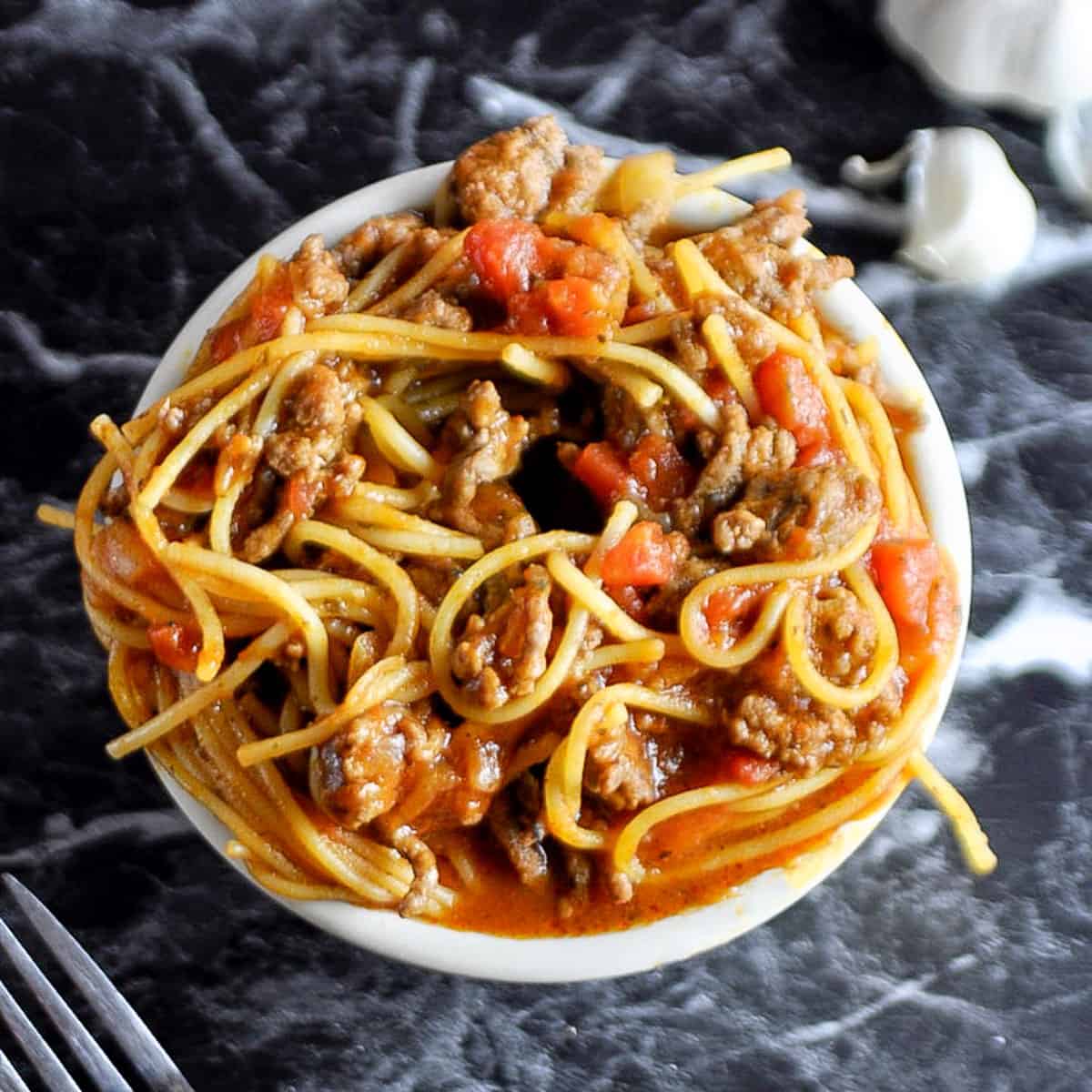
Choose the right sauce for your pasta type. Thin sauces suit delicate pasta. Thick sauces go well with wide or tube-shaped pasta.
Mix sauce and pasta gently. This keeps pasta from breaking and stops it from sticking together.
- Use just enough sauce to coat pasta
- Toss pasta with sauce in a large bowl
- Add pasta water if sauce is too thick
Maintaining Heat
Serve pasta right after cooking. Warm pasta tastes best and stays soft. Avoid letting it sit too long.
If needed, keep pasta warm by covering the bowl. Use a lid or foil to hold heat without drying pasta out.
- Serve pasta immediately after draining
- Cover with a clean towel to keep warm
- Reheat gently with a splash of water if cooled
Credit: www.lambertslately.com
Common Mistakes
Cooking pasta without it sticking can be tricky. Many cooks make simple errors that cause pasta to clump.
Knowing these mistakes helps you fix them. This guide shows two common errors to avoid.
Overcrowding The Pot
Putting too much pasta in one pot causes it to stick together. The water cools down quickly, stopping the pasta from cooking evenly.
Pasta needs space to move freely in boiling water. Crowding makes the noodles clump and cook poorly.
- Use a large pot with plenty of water
- Cook pasta in batches if needed
- Stir pasta during cooking to separate noodles
Ignoring Timers
Not using a timer can cause pasta to overcook or stick. Overcooked pasta becomes soft and sticky.
Set a timer for the cooking time on the pasta package. Check the pasta a minute or two before the time ends.
- Follow the package cooking time closely
- Test pasta a little early for firmness
- Drain pasta as soon as it is done

Credit: www.bbcgoodfood.com
Frequently Asked Questions
How Do You Prevent Pasta From Sticking While Cooking?
Use plenty of boiling water and stir pasta frequently. Adding salt enhances flavor but avoid oil as it can prevent sauce adhesion.
Is It Necessary To Rinse Pasta After Cooking?
No, rinsing removes starch that helps sauce stick. Only rinse pasta for cold salads to stop cooking.
Can I Add Oil To Pasta Water To Stop Sticking?
Adding oil is not recommended. It creates a slippery surface, causing sauce not to cling to pasta properly.
How Long Should I Stir Pasta To Avoid Sticking?
Stir pasta in the first 2-3 minutes of cooking. This prevents clumping and ensures even cooking.
Conclusion
Cooking pasta without sticking is simple with the right steps. Use plenty of water and stir often while boiling. Add a little salt for taste and to keep pasta separate. Avoid adding oil to the water; it can make sauce slide off.
Drain pasta well and serve quickly to enjoy its best texture. Following these tips helps you cook smooth, tasty pasta every time. Try these easy tricks next time you cook pasta. Enjoy your meal without sticky noodles!