
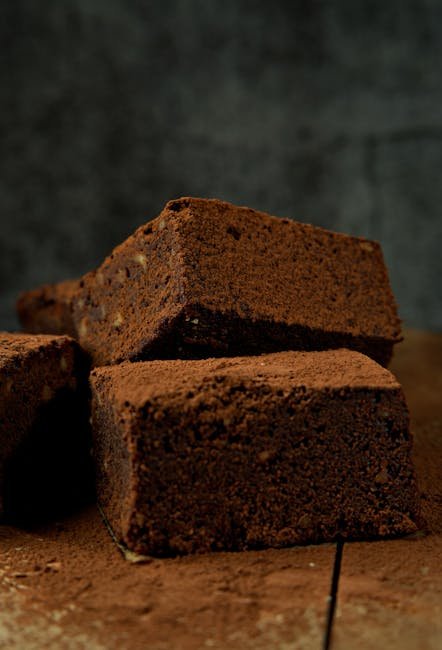
Are you craving rich, gooey chocolate brownies that melt in your mouth? You’re not alone.
Baking brownies that stay soft and fudgy can be tricky, but once you master the right techniques, you’ll never want to buy store-bought again. Imagine pulling warm, perfectly soft brownies from your oven every time—ready to enjoy with a glass of milk or your favorite coffee.
Keep reading, because I’m going to share simple tips and secrets that will transform your baking and make your brownies irresistibly soft every single time.
Choosing Quality Ingredients
Soft chocolate brownies start with the right ingredients. Picking good quality items helps the brownies taste better and stay moist.
Knowing what to look for makes baking easier. Use fresh and pure ingredients for the best results.
Select High-quality Chocolate
Chocolate is the main flavor in brownies. Choose chocolate with at least 60% cocoa for rich taste. Avoid chocolate with added fillers or low cocoa content.
Pick Fresh Butter
Butter adds moisture and softness. Use unsalted butter for better control of salt in the recipe. Check the butter’s smell and color for freshness.
Use Quality Eggs
Eggs bind ingredients and add richness. Choose large, fresh eggs. Fresh eggs give better texture and flavor to your brownies.
Choose The Right Flour
Flour affects the brownie’s softness. Use all-purpose flour for a tender crumb. Avoid self-rising flour as it changes texture and taste.
Pick Fresh Sugar
Sugar sweetens and helps keep brownies moist. Use granulated white sugar or brown sugar for added moisture and flavor.
- Granulated sugar makes brownies chewy
- Brown sugar adds softness and a slight caramel taste
- Do not use artificial sweeteners as they change texture
Consider Adding Vanilla Extract
Vanilla extract boosts the chocolate flavor. Choose pure vanilla extract for the best aroma. Imitation vanilla may affect taste.
| Ingredient | What to Look For | Effect on Brownies |
| Chocolate | 60%+ Cocoa, Pure | Rich and deep flavor |
| Butter | Unsalted, Fresh | Softness and moisture |
| Eggs | Large, Fresh | Good texture and binding |
| Flour | All-purpose | Tender crumb |
| Sugar | Granulated or Brown | Sweetness and moisture |
| Vanilla | Pure Extract | Enhanced flavor |
Perfect Chocolate Selection
Choosing the right chocolate is key to baking soft chocolate brownies. The chocolate affects the flavor and texture.
Understanding different types of chocolate helps you pick the best one for soft brownies.
Types Of Chocolate To Use
There are many chocolate types. Each gives a unique taste and texture to brownies. Common types include dark, milk, and semi-sweet chocolate.
- Dark Chocolate:Has a strong cocoa flavor and less sugar.
- Milk Chocolate:Sweeter and creamier with less cocoa.
- Semi-Sweet Chocolate:Balanced sweetness and rich cocoa taste.
- Unsweetened Chocolate:Pure cocoa with no sugar, used with added sugar in recipes.
Choosing Quality Chocolate
Good quality chocolate melts smoothly and blends well with other ingredients. It makes brownies soft and rich.
| Factor | What to Look For |
| Cocoa Content | 50% to 70% for balanced flavor |
| Ingredients | Minimal additives, mostly cocoa, sugar, and cocoa butter |
| Freshness | Check expiration date and avoid chocolate with white spots |
| Brand Reputation | Trusted brands usually offer consistent quality |
How Chocolate Affects Brownie Softness
Chocolate with higher cocoa butter makes brownies moist and soft. Too much cocoa solids can make brownies dry.
Use this guide for softness:
- High cocoa butter = softer texture
- More sugar = sweeter and tender crumb
- Combine chocolate types for best results
Balancing Sugar And Cocoa
Chocolate brownies taste best when sugar and cocoa are balanced well. Too much sugar makes brownies too sweet. Too much cocoa makes them bitter.
Finding the right mix keeps brownies soft and rich. This guide explains how to balance sugar and cocoa for soft brownies.
Effect Of Sugar On Softness
Sugar adds sweetness and helps brownies stay moist. It attracts water, which keeps texture soft. Using the right amount avoids dryness.
- Too little sugar makes brownies dry and crumbly.
- Too much sugar makes them overly soft or gooey.
- Use granulated sugar for classic texture.
- Brown sugar adds moisture and a slight chewiness.
Choosing The Right Cocoa Powder
Cocoa powder affects flavor and texture. Natural cocoa is acidic and bitter. Dutch-processed cocoa is smoother and less acidic. Both impact softness.
| Cocoa Type | Flavor | Effect on Texture |
| Natural Cocoa | Bitter, sharp | Can dry brownies if used too much |
| Dutch-Processed Cocoa | Smooth, mild | Helps keep brownies moist and soft |
Balance sugar and cocoa for soft brownies by adjusting amounts. More sugar softens texture. More cocoa adds chocolate flavor but can dry the brownies.
- Start with a recipe using equal parts sugar and cocoa by volume.
- Use brown sugar to add moisture if brownies feel dry.
- Use Dutch-processed cocoa to reduce bitterness and dryness.
- Adjust sugar slightly higher for softer texture.
Tips For Testing Your Balance
Try small test batches with these tips:
- Change sugar amount by one tablespoon at a time.
- Use the same cocoa powder type for consistent results.
- Note texture and taste after baking.
- Find your preferred balance by tasting and adjusting.
Importance Of Fresh Eggs
Fresh eggs are key to baking soft chocolate brownies. They help create a smooth texture and rich flavor.
Using fresh eggs makes your brownies moist and tender. Old eggs can change the taste and texture.
Egg Quality And Brownie Texture
Fresh eggs add structure and moisture to brownies. They bind ingredients well and help trap air.
- Fresh eggs make brownies soft and fluffy.
- They prevent dryness in baked goods.
- Old eggs can cause a rubbery texture.
How To Identify Fresh Eggs
Check eggs before using. Fresh eggs have firm whites and round yolks.
| Test Method | Fresh Egg Result |
| Water Float Test | Sinks and lays flat |
| Shell Appearance | Clean and uncracked |
| Sniff Test | No bad smell |
Storage Tips For Fresh Eggs
Keep eggs fresh by storing them right. Cool temperatures slow down spoilage.
- Store eggs in the refrigerator at 40°F (4°C) or lower.
- Keep eggs in their original carton to protect them.
- Do not wash eggs before storing; it removes protective coating.
- Use eggs within 3-5 weeks of purchase for best results.
Using The Right Flour
Choosing the right flour affects how soft your chocolate brownies turn out. The flour type controls texture and density.
Using too much gluten in flour makes brownies tough. Picking a low-gluten flour helps keep brownies soft and chewy.
All-purpose Flour Vs Cake Flour
All-purpose flour is common for baking but has moderate protein. Cake flour has less protein and is finer. Cake flour makes brownies softer.
- All-purpose flour: 10-12% protein
- Cake flour: 7-9% protein
- Lower protein means less gluten, softer texture
Measuring Flour Correctly
Too much flour makes brownies dry and crumbly. Use a spoon to lift flour, then level it with a knife. Avoid scooping directly from the bag.
Flour Substitutes For Softer Brownies
Some bakers mix flours to get a softer crumb. You can try these options:
| Flour Type | Effect on Brownies |
| Pastry Flour | Lower protein, soft and tender brownies |
| Almond Flour | Adds moistness and a nutty flavor |
| Coconut Flour | Absorbs moisture, use less for softness |

Credit: cookingwithbry.com
Mastering The Mixing Technique
Soft chocolate brownies need the right mixing technique. Mixing affects texture and taste.
Mixing too much or too little changes the softness of your brownies. Learn how to mix correctly.
Use Room Temperature Ingredients
Room temperature ingredients blend better. Butter and eggs mix smoothly with sugar and flour.
This helps create a uniform batter. It also avoids overmixing to keep brownies soft.
Mix Wet And Dry Ingredients Separately
First, mix all wet ingredients in one bowl. Then, mix dry ingredients in another bowl.
Combine wet and dry ingredients gently. This prevents overworking the batter.
Fold Ingredients Instead Of Stirring
Folding means gently lifting and turning the batter. Stirring hard adds air and makes brownies tough.
Use a spatula to fold the flour into the wet mix. Stop folding when flour disappears.
Avoid Overmixing The Batter
Mix just enough to combine ingredients. Overmixing develops gluten, making brownies chewy.
- Mix dry and wet ingredients until no flour streaks remain
- Stop mixing as soon as the batter is smooth
- Keep mixing time short, around 30 seconds
Use The Right Mixing Tools
Use a rubber spatula or wooden spoon for folding. Electric mixers can easily overmix batter.
Hand mixing helps control how much you blend the ingredients. It keeps brownies soft and tender.
Achieving The Ideal Batter Consistency
Getting the right batter consistency is key for soft chocolate brownies. The batter should be thick but smooth, not runny or dry. This balance helps brownies bake evenly and stay moist.
Understanding how ingredients affect batter texture will guide you to the perfect mix. Small changes in measurement or mixing can change the final result.
Check The Flour Amount
Using too much flour makes brownies dry and crumbly. Too little flour causes them to be gooey or fall apart. Measure flour correctly by spooning it into your cup and leveling it off with a knife.
Mix Ingredients Gently
Overmixing the batter adds air and toughens brownies. Mix just until flour disappears. This keeps the texture soft and tender.
Balance The Fat And Sugar
Butter and sugar help create a smooth, rich batter. Too much sugar can make the batter thin. Too little fat will make it dry. Use the recipe’s amounts for best results.
- Use melted butter for smooth mixing
- Use granulated sugar for structure
- Do not substitute sugar types without adjusting amounts
Test Batter Thickness
The ideal batter falls slowly from a spoon in thick ribbons. If it drips quickly, add a bit more flour. If it feels stiff, add a small splash of milk.
| Texture | What to Do |
| Too runny | Add 1 tablespoon flour at a time |
| Too thick | Add 1 teaspoon milk or water at a time |
| Just right | Batter falls in thick ribbons slowly |
Optimal Baking Temperature
Baking chocolate brownies at the right temperature is key to soft texture. Too hot or too cold can change how they turn out.
Understanding the best temperature helps you bake brownies that stay moist and tender inside.
Recommended Oven Temperature
Most recipes suggest baking brownies at 325°F to 350°F (163°C to 177°C). This range lets brownies cook evenly without drying out.
Why Temperature Matters
High heat can cause brownies to cook too fast outside and stay raw inside. Low heat might make them dry and crumbly.
Adjusting Temperature For Softness
Try these temperature tips for soft brownies:
- Use 325°F (163°C) for thicker, fudgier brownies
- Use 350°F (177°C) for thinner, cake-like brownies
- Lower temperature if brownies brown too quickly
- Check early to avoid overbaking
Baking Time Vs. Temperature Table
| Oven Temperature | Baking Time | Brownie Texture |
|---|---|---|
| 325°F (163°C) | 30-35 minutes | Soft and fudgy |
| 350°F (177°C) | 25-30 minutes | Moist with a slight crust |
| 375°F (190°C) | 20-25 minutes | More cake-like, less soft |
Monitoring Baking Time
Baking time is key to soft chocolate brownies. Too long makes them dry. Too short leaves them raw.
Watching the clock and checking the brownies often helps get the right texture. Small changes in time affect softness.
Set The Correct Oven Temperature
Use the recipe’s recommended temperature. Too hot will cook edges fast but dry the center.
Ovens can vary, so use an oven thermometer to check the real heat inside.
Check Brownies Early
Start checking brownies five minutes before the recipe time ends. This prevents overbaking.
Use a toothpick or fork to test. It should come out with moist crumbs, not wet batter.
Use Visual And Touch Clues
Look for shiny cracks on top. The edges should pull away slightly from the pan.
Gently press the center with your finger. It should feel soft but spring back a little.
- Shiny top with cracks means almost done
- Edges pulling from pan show doneness
- Soft but springy center means moist brownies
Adjust Time Based On Pan Size
Smaller pans bake faster, so reduce the time. Larger pans need more time to cook fully.
Check brownies earlier if you use a shallow pan. Use a timer to avoid forgetting.
Cooling Process For Softness
The cooling process is very important for baking soft chocolate brownies. Cooling helps the brownies set and keeps them moist inside.
If you cool brownies too quickly or not enough, they might become hard or dry. Proper cooling keeps them soft and chewy.
Cool The Brownies In The Pan
After baking, leave the brownies in the pan. This helps them stay moist as they cool down slowly.
Cooling in the pan prevents the edges from drying out or becoming too crisp, keeping the texture soft.
Use A Wire Rack For Final Cooling
Once the brownies have cooled in the pan for about 15-20 minutes, move them to a wire rack. This stops steam from making them soggy.
A wire rack lets air flow around the brownies. This helps them cool evenly and keep a soft texture.
Avoid Refrigerating Immediately
Do not put brownies in the fridge right after baking. Cold air can dry them out and make them hard.
Wait until the brownies reach room temperature before storing them in the fridge or wrapping them.
Wrap Brownies To Keep Moisture
After cooling, wrap the brownies tightly with plastic wrap or foil. This traps moisture inside and keeps them soft.
Proper wrapping helps brownies stay fresh for several days without losing softness or flavor.
Storage Tips For Maintaining Texture
Keeping chocolate brownies soft after baking can be tricky. Proper storage helps keep their moist texture.
Using the right containers and temperature will stop brownies from drying out or getting hard.
Use Airtight Containers
Store brownies in airtight containers to keep air and moisture out. This prevents the brownies from drying.
You can use plastic containers with tight lids or glass jars with seals. Make sure the container is clean and dry.
Wrap Brownies Properly
Wrap brownies in plastic wrap or aluminum foil before placing them in containers. This adds an extra barrier to keep moisture in.
Wrap each piece individually if you want to store small portions. This prevents them from sticking together.
Keep At Room Temperature
Store brownies at room temperature if you plan to eat them within two days. Cooler places help keep them soft.
Avoid storing brownies in warm or humid spots. These conditions can affect the texture and taste negatively.
Refrigerate For Longer Storage
If you want to keep brownies fresh for more than two days, store them in the fridge. Cold temperature slows down staling.
Before eating, let the brownies sit at room temperature for a few minutes to regain softness.
Freeze For Extended Freshness
For longer storage, freeze brownies wrapped tightly in foil and plastic wrap. This stops freezer burn and keeps moisture.
Thaw frozen brownies slowly at room temperature. Avoid using a microwave to prevent drying out.
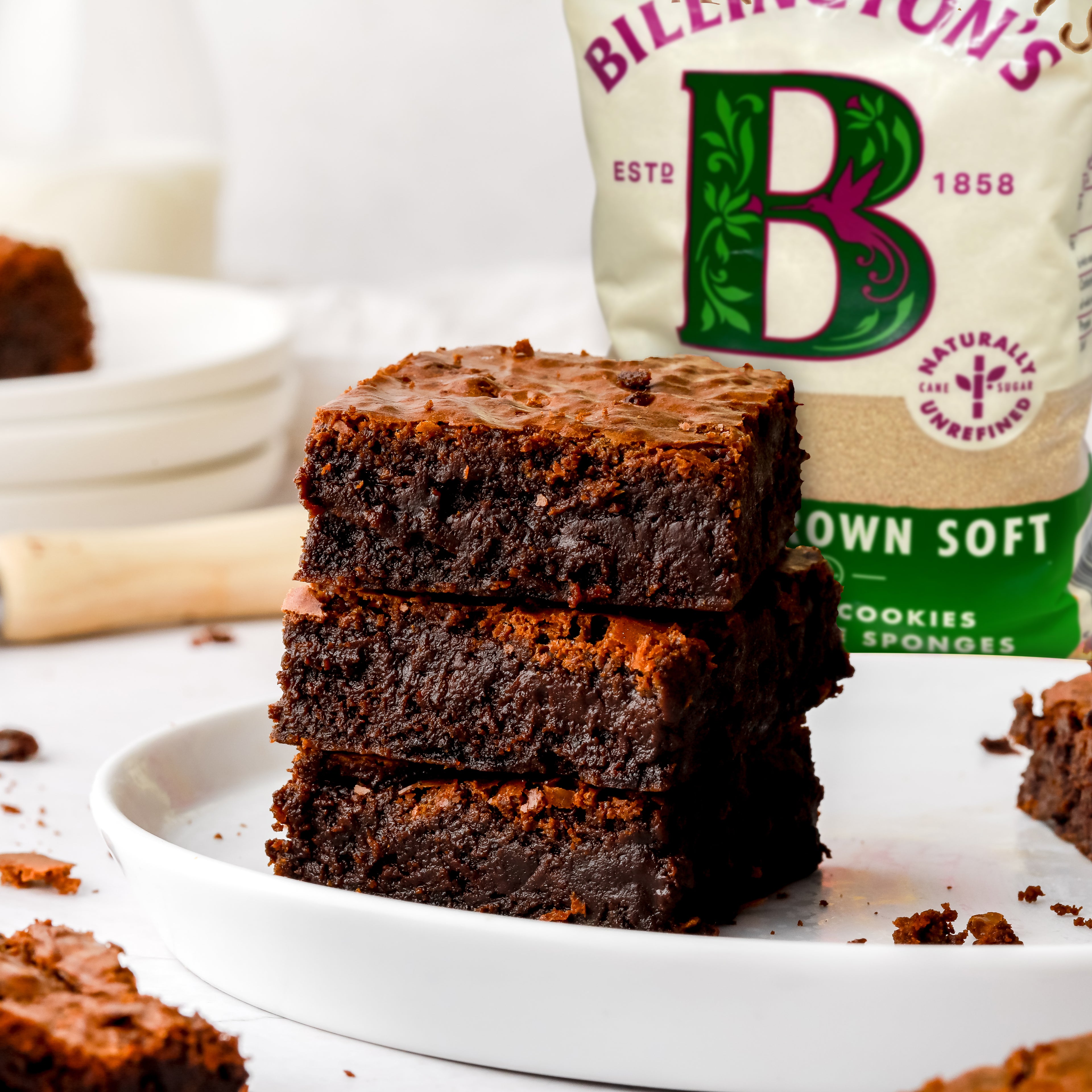
Credit: www.bakingmad.com
Common Mistakes To Avoid
Baking soft chocolate brownies needs care. Small errors can make brownies dry or hard.
Learn what to avoid to get soft, chewy brownies every time you bake.
Using Too Much Flour
Adding too much flour makes brownies dry and crumbly. Measure flour carefully for soft texture.
Spoon flour into the cup, then level it off. Do not scoop directly with the cup.
Overbaking The Brownies
Baking too long dries out brownies and hardens their texture. Watch the baking time closely.
Check brownies a few minutes before the timer ends. A toothpick should come out with moist crumbs.
Not Using Enough Fat
Fat like butter or oil keeps brownies soft and moist. Use the right amount for tender brownies.
Too little fat makes brownies dry and crumbly. Follow the recipe’s fat measurements closely.
Mixing The Batter Too Much
Overmixing creates too much gluten, making brownies tough. Mix just until ingredients combine.
Stop stirring as soon as the batter looks smooth and even.
Skipping The Cooling Step
Cutting brownies while hot can cause them to break or crumble. Let brownies cool before slicing.
Cooling helps brownies set, keeping them soft and moist when cut.

Credit: mytxkitchen.com
Frequently Asked Questions
How Do I Keep Chocolate Brownies Soft?
To keep brownies soft, use more butter and avoid overbaking. Bake until a toothpick shows moist crumbs, not dry. Cool brownies completely before cutting for best texture.
What Ingredients Make Brownies Moist And Soft?
Use melted butter, brown sugar, and eggs for moist, soft brownies. Adding a bit of oil or sour cream enhances softness and richness.
Can I Use Cake Flour For Softer Brownies?
Yes, cake flour can make brownies softer by reducing gluten. It creates a tender crumb, but use it in place of all-purpose flour for best results.
How Long Should I Bake Brownies For Softness?
Bake brownies 20-25 minutes at 350°F (175°C). Check early to avoid drying. Remove when edges set but center is slightly underbaked for softness.
Conclusion
Baking soft chocolate brownies is easier than you think. Use the right ingredients and measure them well. Don’t overbake; watch the time closely. Let the brownies cool before cutting to keep softness. Small tips can make a big difference in texture.
Enjoy rich, tender brownies every time you bake. Keep practicing and enjoy your homemade treats. Soft brownies bring comfort and joy to any day.