
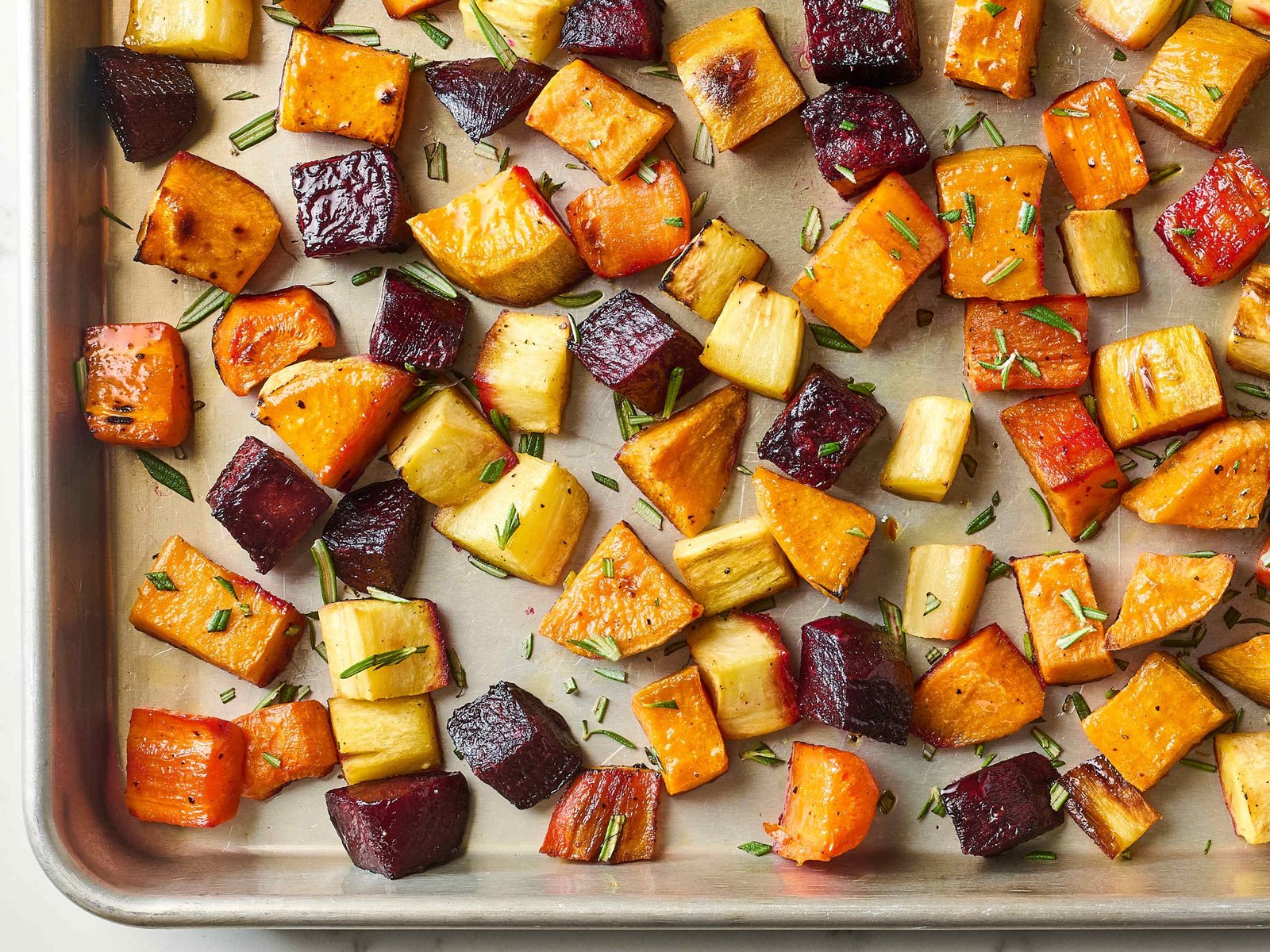
Roasting vegetables is one of the easiest ways to bring out their natural sweetness and create a delicious, healthy side dish. But have you ever ended up with some pieces burnt while others stay undercooked?
It’s frustrating, right? Getting your veggies to roast evenly can change your entire cooking game. You’ll discover simple, practical tips that will help you achieve perfectly roasted vegetables every time. Ready to make your veggies crisp, tender, and full of flavor?
Let’s dive in!
:max_bytes(150000):strip_icc()/Why-You-Should-Roast-a-Pan-of-Summer-Veggies-Every-Week-According-to-a-Food-Editor-cb2f8999c6f847c78f86d5e67a41b41b.jpg)
Credit: www.eatingwell.com
Choosing The Right Vegetables
Roasting vegetables brings out their natural flavors. Picking the right vegetables helps them cook evenly and taste great.
Some vegetables roast better than others. Choosing the right ones makes your roasting easier and more delicious.
Best Vegetables For Roasting
Root vegetables and firm vegetables are best for roasting. They hold up well to heat and caramelize nicely.
- Carrots
- Potatoes
- Sweet potatoes
- Brussels sprouts
- Cauliflower
- Broccoli
- Butternut squash
- Beets
These vegetables cook evenly and get a nice crispy outside. Softer vegetables may get mushy when roasted.
Seasonal Vegetable Selection
Picking vegetables that are in season gives you the freshest taste. Seasonal vegetables are usually cheaper too.
Check what is fresh in your area. Choose vegetables that match the current season for better flavor.
- Spring: Asparagus, new potatoes, radishes
- Summer: Zucchini, bell peppers, cherry tomatoes
- Fall: Pumpkin, carrots, Brussels sprouts
- Winter: Root vegetables, cabbage, parsnips

Credit: www.apurepalate.com
Preparing Vegetables For Roasting
Roasting vegetables brings out their natural flavors. Proper preparation helps them cook evenly.
Cleaning and cutting are key steps before roasting. They affect texture and taste.
Proper Cleaning Techniques
Clean vegetables well to remove dirt and pesticides. Use cold water and a brush for firm vegetables.
- Rinse vegetables under cold running water.
- Use a vegetable brush for root vegetables like carrots and potatoes.
- Soak leafy greens briefly in a bowl of water to remove grit.
- Dry vegetables completely with a clean towel or paper towel.
Cutting Vegetables To Uniform Size
Cut vegetables into similar sizes to ensure even roasting. This helps all pieces cook at the same rate.
| Vegetable | Recommended Size |
|---|---|
| Carrots | 1/2 inch thick sticks |
| Potatoes | 1 inch cubes |
| Bell Peppers | 1 inch squares |
| Zucchini | 1/2 inch rounds |
Enhancing Flavor With Marinades
Marinating vegetables before roasting adds extra flavor. It also helps them cook evenly and stay moist. Simple marinades can use common kitchen ingredients.
Choosing the right marinade and marinating time improves the taste. You can make quick or longer marinades depending on your schedule.
Simple Marinade Recipes
Here are easy marinades you can try. They use basic ingredients to enhance the natural taste of vegetables.
- Olive oil, garlic, lemon juice, salt, and pepper
- Soy sauce, honey, ginger, and sesame oil
- Balsamic vinegar, rosemary, olive oil, and black pepper
- Maple syrup, mustard, apple cider vinegar, and thyme
- Yogurt, turmeric, cumin, and garlic powder
Marination Time Guidelines
Marination time depends on the vegetable type and marinade strength. Use these guidelines for best results.
| Vegetable | Marination Time |
| Bell peppers, zucchini, mushrooms | 15 to 30 minutes |
| Carrots, broccoli, cauliflower | 30 to 60 minutes |
| Potatoes, sweet potatoes | 1 to 2 hours |
| Root vegetables (beets, turnips) | 2 to 4 hours |
| Delicate greens (asparagus, green beans) | 10 to 20 minutes |
Selecting The Ideal Roasting Pan
Roasting vegetables evenly depends a lot on the right pan. Choosing the perfect pan helps heat spread well and cooks vegetables uniformly.
Different pans affect cooking time and texture. Picking one with the right material, size, and shape makes a big difference.
Material Considerations
Metal pans heat quickly and spread heat evenly. They help vegetables roast with a nice brown color. Stainless steel and aluminum are common choices.
Glass pans heat slower but keep heat steady. They are good for gentle roasting. Non-stick pans stop food from sticking but may not brown vegetables as well.
- Stainless steel: durable and heats evenly
- Aluminum: lightweight and great heat conductor
- Glass: heats slowly and retains heat
- Non-stick: easy cleanup but less browning
Size And Shape Preferences
Use a pan that fits your oven and holds vegetables in a single layer. Crowded pans cause steaming, not roasting.
Shallow pans with low sides help hot air move around food. This improves even cooking and browning on all sides.
- Choose a pan large enough for one layer of vegetables
- Shallow pans allow better air circulation
- Rectangular or rimmed baking sheets work well
- Deep pans may trap steam and slow roasting
Perfect Oven Temperature And Timing
Roasting vegetables brings out their natural sweetness and flavor. Using the right temperature and timing helps cook them evenly.
Different vegetables need different heat and cooking times. This guide helps you get the best results every time.
Optimal Temperature Settings
Most vegetables roast well between 375°F and 425°F. This range allows them to cook through and get crispy edges without burning.
- 375°F is good for softer vegetables like zucchini and tomatoes.
- 400°F works well for root vegetables like carrots and potatoes.
- 425°F is best for denser vegetables like Brussels sprouts and cauliflower.
- Keep the oven temperature consistent to avoid uneven cooking.
Timing For Different Vegetables
Cooking times vary by vegetable size and type. Cut vegetables into similar sizes to cook evenly.
| Vegetable | Oven Temperature | Cooking Time |
| Carrots | 400°F | 25-30 minutes |
| Broccoli | 425°F | 20-25 minutes |
| Bell Peppers | 400°F | 18-22 minutes |
| Potatoes | 425°F | 30-40 minutes |
| Zucchini | 375°F | 15-20 minutes |
Tips For Achieving Even Roasting
Roasting vegetables brings out their natural sweetness and adds a crispy texture. Even roasting ensures all pieces cook at the same rate.
Using simple techniques can help you get perfectly roasted vegetables every time. This guide covers key tips to improve your roasting results.
Importance Of Spacing
Leave enough space between vegetables on the baking sheet. Crowding causes steam and softens the vegetables instead of roasting them.
- Use a large baking sheet for better air flow.
- Spread vegetables in a single layer without overlapping.
- Roast in batches if needed to avoid crowding.
- Use parchment paper to prevent sticking and help even cooking.
Stirring And Flipping Techniques
Turning vegetables during roasting helps them cook evenly and brown on all sides.
| Time to Stir/Flip | Reason |
| After 15 minutes | To prevent burning and promote even browning |
| Every 10 minutes after | To cook all sides evenly |
| Use a spatula or tongs | To turn gently without breaking pieces |
Adding Herbs And Spices
Adding herbs and spices helps roast vegetables taste better. They bring out natural flavors and add aroma.
You can mix fresh or dried herbs with spices before roasting. This gives your vegetables a tasty boost.
Herb Pairing Suggestions
Different vegetables pair well with certain herbs. Use these combinations to get the best flavor.
- Rosemary with potatoes, carrots, and squash
- Thyme with mushrooms, zucchini, and bell peppers
- Basil with tomatoes, eggplant, and onions
- Oregano with sweet potatoes and tomatoes
- Dill with carrots and green beans
Spice Blends For Extra Flavor
Use spice blends to add depth and warmth to your roasted vegetables. Try mixing your own blend.
| Blend | Ingredients | Best For |
| Italian Mix | Garlic powder, oregano, basil, red pepper flakes | Tomatoes, zucchini, eggplant |
| Smoky Blend | Smoked paprika, cumin, black pepper, chili powder | Potatoes, carrots, corn |
| Herb Medley | Thyme, rosemary, sage, garlic powder | Squash, mushrooms, onions |

Credit: www.andersonandgrant.com
Serving Suggestions And Pairings
Roasted vegetables taste great on their own. Pair them with other foods to make a full meal.
Good pairings bring out the flavors of the vegetables. They make your dish more enjoyable.
Complementary Dishes
Roasted vegetables go well with many main dishes. They add color and nutrition to your plate.
- Grilled chicken or turkey
- Roasted or baked fish
- Steak or pork chops
- Quinoa or rice bowls
- Pasta with light sauces
- Fresh salads with vinaigrette
Vegetables also pair nicely with dips and sauces. Hummus, yogurt sauce, or pesto work well.
Presentation Tips
How you serve roasted vegetables affects the meal’s appeal. Use simple ideas to make them look good.
- Serve on a large, colorful plate
- Arrange vegetables by color
- Add fresh herbs as garnish
- Drizzle with olive oil or balsamic glaze
- Use small bowls for dips on the side
- Serve warm for best taste
Good presentation makes your meal inviting. It shows care and makes food more fun to eat.
Frequently Asked Questions
How Do You Cut Vegetables For Even Roasting?
Cut vegetables into uniform sizes to ensure even cooking. Smaller pieces roast faster, while larger ones take longer. Consistency in size helps all pieces cook at the same rate, preventing some from burning or undercooking.
What Oven Temperature Is Best For Roasting Vegetables?
Roast vegetables at 400°F to 425°F (200°C to 220°C). This temperature caramelizes the vegetables’ natural sugars for a crispy outside and tender inside. Avoid lower heat to prevent soggy texture.
Should I Use Oil When Roasting Vegetables?
Yes, toss vegetables with a light coating of oil. Oil helps with even browning and prevents sticking. Use olive oil or avocado oil for healthy, flavorful results.
How Often Should I Turn Vegetables While Roasting?
Turn vegetables halfway through cooking for even browning. Use a spatula to flip them gently. This prevents burning on one side and ensures uniform texture.
Conclusion
Roasting vegetables evenly makes them taste better and cook well. Cut vegetables into similar sizes for even cooking. Spread them out on the baking sheet to avoid crowding. Use the right oven temperature to get a nice roast. Turn vegetables halfway through cooking for a golden finish.
These simple tips help you enjoy tasty, well-roasted veggies every time. Try them in your next meal and see the difference. Cooking can be easy and fun with good habits. Keep practicing to improve your roasting skills.