
You’ve probably cooked rice before, but have you ever struggled to get it soft and fluffy every single time? If your rice turns out sticky, hard, or just not quite right, you’re not alone.
The good news is that with a few simple tips and tricks, you can master the art of cooking rice soft and perfect for any meal. Keep reading, and you’ll discover easy steps that will transform your rice from ordinary to extraordinary—making every bite a delight.
Ready to impress yourself and anyone you’re cooking for? Let’s dive in!

Credit: shop.momofuku.com
Choosing The Right Rice
Cooking soft rice starts with picking the right type. The kind of rice you choose affects the texture.
Good rice will cook evenly and be fluffy. Knowing the differences helps you get soft rice every time.
Types Of Rice
There are many kinds of rice. Each type has a unique texture and cooking style.
- Long Grain Rice:This rice stays separate and fluffy after cooking.
- Medium Grain Rice:It is softer and sticks a little more than long grain.
- Short Grain Rice:This rice is sticky and soft, good for dishes like sushi.
- Basmati Rice:Long and aromatic, it cooks soft but stays separate.
- Jasmine Rice:A fragrant long grain rice that becomes soft and moist.
Quality Matters
Fresh and high-quality rice cooks better. Old or poor-quality rice can be hard or uneven.
Check for clean, unbroken grains. Avoid rice with dust or small stones.
- Buy rice from trusted stores
- Store rice in a cool, dry place
- Use rice within a few months of buying
- Rinse rice before cooking to remove dust
Proper Measurement Techniques
Cooking soft rice starts with measuring the right amount of rice and water. Using correct measurements helps the rice cook evenly and stay soft.
Small changes in water or rice amounts can make the rice hard or mushy. Measuring carefully gives the best results every time.
Rice To Water Ratio
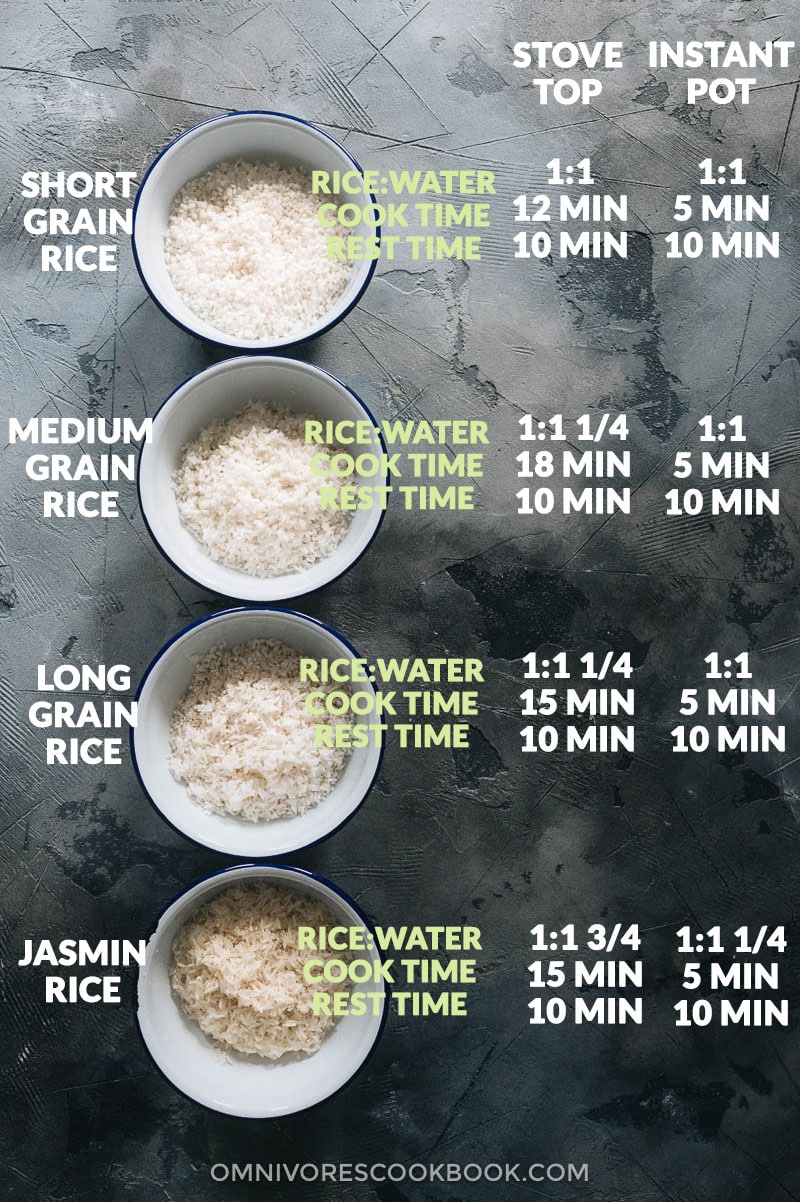
The rice to water ratio is the key to soft rice. Too little water makes rice dry and hard. Too much water makes it sticky and mushy.
Most types of white rice cook well with a 1 to 2 ratio. Use one cup of rice with two cups of water for soft rice.
- Short grain rice: 1 cup rice to 1.5 cups water
- Long grain rice: 1 cup rice to 2 cups water
- Brown rice: 1 cup rice to 2.5 cups water
Measuring Tools
Using the right measuring tools gives accuracy. Standard measuring cups and spoons work best for rice and water.
Measuring rice with a dry cup and water with a liquid cup helps avoid errors. Kitchen scales can also help for exact amounts.
- Dry measuring cup for rice
- Liquid measuring cup for water
- Kitchen scale for precise weight
Rinsing And Soaking Methods
Cooking soft rice starts with good rinsing and soaking techniques. These steps affect texture and flavor. Proper rinsing removes dirt and extra starch. Soaking helps rice cook evenly and become tender.
Understanding how to rinse and soak rice can improve your cooking results. This guide explains key benefits and how long to soak rice for softness.
Rinsing Benefits
Rinsing rice cleans the grains and removes surface starch. This stops the rice from becoming sticky or clumpy. It also helps get rid of dust and small particles.
- Removes excess starch for fluffier rice
- Cleans dirt and impurities
- Prevents rice from sticking together
- Improves texture and appearance
Soaking Time And Effects
Soaking rice softens the grains and reduces cooking time. It allows water to penetrate the rice evenly. The soaking time changes the texture and helps rice cook gently.
| Soaking Time | Effect on Rice |
| 15 to 30 minutes | Softens outer layer, cooks faster |
| 1 hour | More tender grains, even cooking |
| Over 2 hours | Very soft texture, risk of mushiness |
Credit: www.yukiskitchen.com
Cooking Methods
Cooking soft rice is easy with the right method. Different tools give different results.
Here are three ways to cook rice soft and fluffy. Each method is simple and effective.
Stovetop Cooking
Stovetop cooking is a classic way to make soft rice. Use a pot with a tight lid to keep steam inside.
Rinse the rice first to remove excess starch. Add water in the right amount to avoid dryness.
- Use 1 cup of rice with 1.5 to 2 cups of water
- Bring water to a boil, then lower heat to a simmer
- Cover the pot and cook for 15-20 minutes
- Turn off heat and let rice sit covered for 5 minutes
- Fluff rice gently with a fork before serving
Rice Cooker Use
A rice cooker makes soft rice easily. It controls heat and timing automatically.
Add rinsed rice and water according to the cooker’s instructions. Press the cook button and wait.
- Use the measuring cup that comes with the cooker
- Follow the water level marks for soft rice
- Do not open the lid while cooking
- Let the rice rest in the cooker after cooking stops
Microwave Techniques
Microwaving rice is fast and easy. Use a microwave-safe bowl with a lid or plastic wrap.
Rinse the rice and add water. Cover the bowl to trap steam and cook on high power.
- Use 1 cup rice with 1.5 to 2 cups water
- Cook for 10 minutes on high
- Stir rice, then cook for 5 more minutes
- Let rice sit covered for 5 minutes
- Fluff rice before serving
Avoiding Common Mistakes
Cooking soft rice is simple but easy to mess up. Common mistakes can make rice sticky or hard.
Knowing what to avoid helps you cook rice perfectly every time.
Preventing Sticky Rice
Sticky rice is often caused by too much water or not rinsing the rice. Rinsing removes extra starch.
Use the right water amount and rinse rice until water runs clear. This stops rice from clumping.
- Rinse rice 2-3 times in cold water
- Measure water carefully, usually 1.5 cups per cup of rice
- Use a pot with a tight lid to keep steam in
- Avoid stirring rice while cooking
Avoiding Under Or Overcooking
Undercooked rice is hard and crunchy. Overcooked rice is mushy and sticky. Both ruin soft rice texture.
Use a timer and check rice near the end of cooking. Let rice rest with the lid on for 5-10 minutes.
- Cook rice on low heat to avoid burning
- Do not lift the lid while cooking
- Set a timer for the recommended cooking time
- Let rice sit off heat to finish steaming
Credit: omnivorescookbook.com
Flavor Enhancements
Cooking soft rice can be simple and tasty with the right flavor boosts. Adding liquids and spices changes plain rice into a delicious dish.
Try using broth or aromatics to add rich flavor and depth. These options make your rice soft and full of taste.
Adding Broth Or Stock
Replace water with broth or stock to cook rice. This adds savory notes and enhances softness.
- Use chicken, beef, or vegetable broth instead of water.
- Measure the broth the same way as water for cooking rice.
- Simmer rice gently in broth for better flavor absorption.
- Salt the broth lightly if it is unsalted to keep balanced taste.
Using Aromatics
Aromatics like onions and garlic bring fresh scents and taste to soft rice. Cook them before adding rice and liquid.
| Aromatic | Flavor Effect | How to Use |
| Onion | Sweet, mild flavor | Chop finely and sauté in oil or butter |
| Garlic | Pungent, spicy note | Crush or mince and cook with onions |
| Bay Leaf | Earthy, herbal aroma | Add whole leaf while cooking and remove before serving |
| Ginger | Warm, zesty taste | Slice thin and sauté with aromatics |
Resting And Fluffing
Cooking soft rice is not just about boiling water and rice. Resting and fluffing play key roles in getting the right texture. These steps help the rice grains finish cooking evenly and stay light.
Skipping these steps can make rice sticky or hard. Let’s look at why resting and fluffing matter for soft rice.
Why Resting Is Important
Resting rice means letting it sit covered after cooking. This lets the moisture spread evenly. The heat inside the pot keeps cooking the rice gently.
- Allows steam to finish softening the rice grains
- Prevents rice from being soggy or mushy
- Makes the rice easier to fluff and separate
- Helps flavors settle and blend
Fluffing For Perfect Texture
Fluffing means gently stirring the rice with a fork or spatula after resting. This separates the grains and lets excess steam escape.
| Fluffing Tips | Benefits |
|---|---|
| Use a fork, not a spoon | Prevents crushing the rice grains |
| Lift and turn rice gently | Keeps grains separate and fluffy |
| Fluff just before serving | Maintains soft texture and warmth |
Frequently Asked Questions
How Much Water Is Needed To Cook Soft Rice?
Use a 2:1 water-to-rice ratio for soft rice. This means two cups of water for every one cup of rice. More water helps the rice absorb moisture and become tender.
Should I Rinse Rice Before Cooking For Softness?
Yes, rinsing rice removes excess starch and prevents clumping. Rinse until the water runs clear. This helps achieve a softer, fluffier texture.
What Is The Best Cooking Method For Soft Rice?
Simmer rice gently on low heat with a tight lid. Avoid stirring during cooking. This traps steam and softens the rice evenly.
How Long Should Rice Be Cooked For Softness?
Cook rice for 15 to 20 minutes on low heat. Let it steam off heat for 5 minutes. This resting time ensures soft, fully cooked rice.
Conclusion
Cooking soft rice is simple with the right steps. Use the correct water amount. Stir gently to avoid breaking the grains. Keep the heat low while cooking. Let the rice rest before serving. These tips help you enjoy soft, fluffy rice every time.
Practice makes perfect. Try different methods to find what works best for you. Enjoy your meals with perfectly cooked rice.