
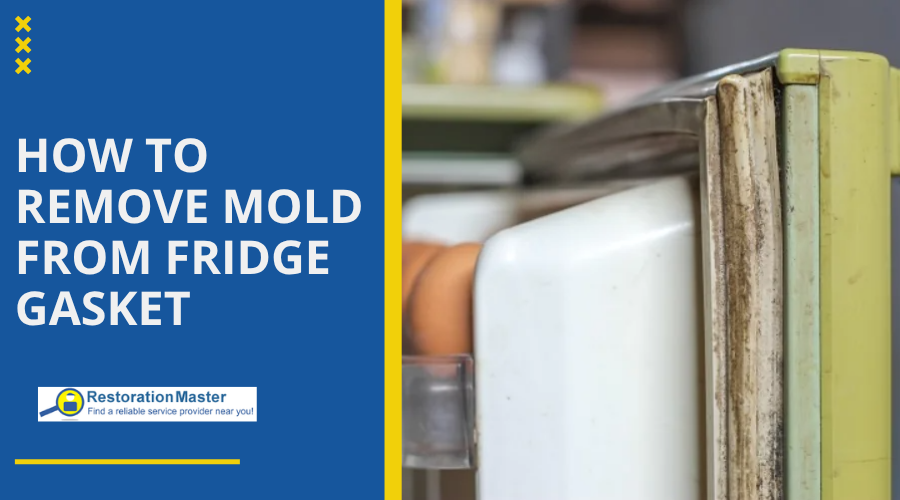
Your refrigerator gasket plays a bigger role than you might think. It keeps your fridge sealed tight, saving energy and keeping your food fresh.
But over time, dirt, mold, and grime can build up, making your gasket less effective. The good news? You don’t need harsh chemicals to clean it. With simple, natural ingredients you probably already have at home, you can make your gasket look and work like new.
Keep reading to discover easy, safe tips that will protect your fridge and your health.

Credit: www.youtube.com
Importance Of A Clean Refrigerator Gasket
The refrigerator gasket is the rubber seal around the door. It keeps cold air inside and warm air out. A clean gasket helps your fridge work well and saves energy.
Dirty gaskets can cause leaks, making your fridge use more power. This can spoil food and raise electricity bills. Keeping the gasket clean is simple and helps your fridge last longer.
Prevents Mold And Mildew
The gasket can trap moisture, which leads to mold and mildew growth. These can cause bad smells and health problems. Cleaning the gasket stops mold from growing and keeps your fridge fresh.
Maintains Energy Efficiency
A clean gasket seals the fridge door tightly. This stops cold air from escaping and warm air from entering. A good seal means the fridge uses less electricity to stay cold.
- Reduces energy waste
- Prevents freezer burn
- Lowers electricity bills
- Protects the environment
Extends Refrigerator Life
A clean gasket prevents strain on the fridge’s compressor. When the seal leaks, the compressor works harder to keep the temperature low. This can shorten the fridge’s lifespan.
| Effect | Impact on Fridge |
| Dirty gasket | Compressor runs longer |
| Clean gasket | Compressor runs efficiently |
| Dirty gasket | Food spoils faster |
| Clean gasket | Food stays fresh longer |

Credit: restorationmasterfinder.com
Common Issues With Dirty Gaskets
Refrigerator gaskets keep cold air inside and warm air out. Dirty gaskets can cause many problems. It is important to clean them often.
Ignoring dirty gaskets can lead to higher energy bills and food spoilage. Let’s look at common issues caused by dirty refrigerator gaskets.
Poor Seal And Air Leaks
Dirt and grime on the gasket stop it from sealing tightly. This lets cold air escape and warm air enter. Your fridge works harder to stay cold.
Air leaks cause uneven cooling. Some areas may get too warm, leading to spoiled food. This wastes energy and money.
Mold And Mildew Growth
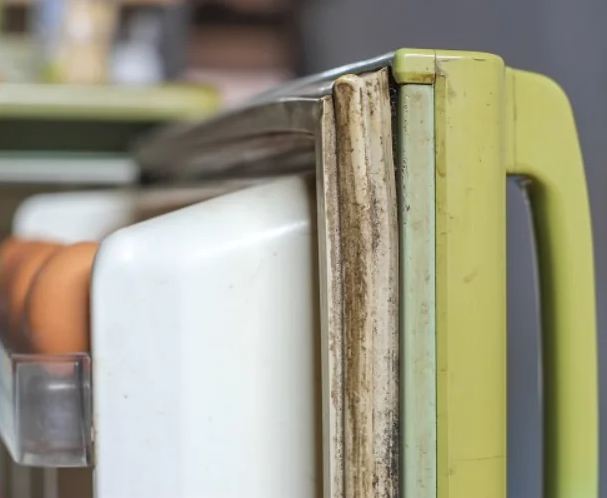
Dirty gaskets trap moisture and food particles. This creates a perfect place for mold and mildew to grow. Mold can cause bad smells and health issues.
- Look for black or green spots on the gasket
- Smell musty odors near the fridge door
- Check for slimy or sticky residue
Damage To Gasket Material
When dirt builds up, it can harden and crack the gasket rubber. Cracks reduce the gasket’s ability to seal properly. This shortens its life.
| Issue | Effect | Signs |
|---|---|---|
| Poor Seal | Cold air leaks out | Warm spots, high energy use |
| Mold Growth | Health risks, bad smells | Black spots, musty odor |
| Material Damage | Cracks, gasket failure | Visible cracks, gaps |
Natural Cleaning Ingredients
Cleaning your refrigerator gasket keeps it fresh and working well. Using natural ingredients is safe and eco-friendly.
These natural cleaners remove dirt and kill germs without harsh chemicals. They are easy to find at home.
White Vinegar
White vinegar is a strong natural cleaner. It kills bacteria and removes mold from the gasket.
Mix equal parts white vinegar and water in a spray bottle. Spray it on the gasket and wipe with a cloth.
- Use diluted vinegar to avoid damage
- Wipe gently to clean the rubber seal
- Repeat monthly for best results
Baking Soda
Baking soda is a mild abrasive and deodorizer. It helps remove stains and bad smells from the gasket.
Mix a tablespoon of baking soda with water to make a paste. Apply the paste to the gasket with a soft brush.
- Use a toothbrush for hard-to-reach spots
- Rinse with warm water after cleaning
- Dry the gasket completely to prevent mold
Lemon Juice
Lemon juice has natural acids that break down grime. It also leaves a fresh scent on the gasket.
Apply fresh lemon juice to a cloth and wipe the gasket. Let it sit for a few minutes before wiping again.
- Use lemon juice to brighten and clean rubber seals
- Rinse with water to remove sticky residue
- Great for removing mold and mildew stains
Essential Oils
Essential oils like tea tree or eucalyptus have natural antibacterial properties. They add a pleasant smell while cleaning.
Add a few drops of essential oil to water. Use this mixture to wipe the gasket with a cloth or spray bottle.
- Tea tree oil fights mold and bacteria
- Eucalyptus oil freshens the gasket naturally
- Always dilute oils before use
Credit: restorationmasterfinder.com
Step-by-step Cleaning Process
Cleaning your refrigerator gasket keeps it fresh and working well. Dirt and mold can build up in the gasket creases. Using natural cleaners helps avoid harsh chemicals.
Follow this simple process to clean your gasket safely and effectively. It only takes a few steps.
Preparation And Safety Measures
Unplug the fridge before you start cleaning. This stops any risk of electric shock. Remove food near the gasket to avoid spills.
Wear gloves to protect your hands from dirt and cleaning solutions. Open windows or use a fan for good air flow.
- Unplug the refrigerator
- Remove nearby food items
- Wear protective gloves
- Ensure proper ventilation
Mixing The Cleaning Solution
Use simple natural ingredients to make a cleaning solution. Vinegar and water work well to remove mold and dirt. Baking soda helps with tough stains.
- Mix one cup of white vinegar with one cup of warm water
- Add two tablespoons of baking soda if needed
- Stir gently until baking soda dissolves
- Pour the solution into a spray bottle
Applying The Solution
Spray the cleaning solution directly onto the gasket. Make sure to cover all the folds and creases. Let it sit for five to ten minutes to loosen dirt.
If the gasket is very dirty, spray again and wait a bit longer. Avoid soaking the gasket too much to prevent water damage.
- Spray solution evenly on gasket
- Focus on dirty or moldy areas
- Let it rest for 5-10 minutes
- Do not over-wet the gasket
Scrubbing Techniques
Use a soft brush or old toothbrush to scrub the gasket gently. Clean inside the folds where dirt hides. Avoid sharp tools that can damage the rubber.
After scrubbing, wipe the gasket with a clean damp cloth. Dry it well with a towel to stop mold growth. Repeat if any dirt remains.
- Use a soft brush or toothbrush
- Scrub inside folds carefully
- Wipe with damp cloth after scrubbing
- Dry gasket completely with a towel
Drying And Maintenance Tips
Cleaning your refrigerator gasket naturally helps keep it fresh and flexible. Drying and maintaining it properly prevents mold and damage.
Follow simple drying and maintenance tips to extend the gasket’s life and keep your fridge sealing well.
Proper Drying Methods
After cleaning the gasket with natural solutions, drying it correctly is key. Avoid leaving moisture that can cause mold or bad smells.
- Use a soft cloth to wipe the gasket dry.
- Leave the fridge door open for a few minutes to air dry.
- Do not use a hairdryer or heat source, as it may damage the rubber.
- Check for water trapped in folds and dry gently.
Regular Maintenance Routine
Keep a regular schedule to clean and inspect the gasket. This stops dirt build-up and keeps the seal tight.
| Task | Frequency |
| Clean gasket with natural cleaner | Every 2 weeks |
| Dry gasket thoroughly | After each cleaning |
| Inspect for cracks or damage | Monthly |
| Apply a thin layer of coconut oil | Every 3 months |
Benefits Of Natural Cleaning Methods
Cleaning your refrigerator gasket naturally keeps your kitchen safe and fresh. It uses simple ingredients found at home.
Natural methods avoid harsh chemicals that can harm your health and the environment. They clean well without damage.
Safer For Your Family
Natural cleaners do not have toxic fumes or harmful residues. This makes your kitchen safer for kids and pets.
You avoid breathing in strong chemicals that can cause allergies or irritate your skin. Natural products are gentle yet effective.
Better For The Environment
Natural cleaning ingredients break down easily without polluting water or soil. They reduce waste and chemical buildup.
Using less plastic and fewer synthetic products helps protect nature. You support eco-friendly habits by choosing natural options.
Cost-effective And Easy To Find
Common natural cleaners like vinegar, baking soda, and lemon cost less than commercial products. You can find them in most kitchens.
These ingredients last long and can clean many surfaces. Natural cleaning saves money and reduces trips to the store.
Protects Your Refrigerator Gasket
Harsh chemicals can dry out or crack the rubber gasket on your fridge. Natural cleaners keep the gasket soft and flexible.
Gentle cleaning helps the gasket last longer. It keeps your fridge sealed well to save energy and keep food fresh.
Troubleshooting Persistent Issues
Cleaning your refrigerator gasket naturally can be simple. Some problems may still need extra care.
This guide helps you handle mold and tough stains on the gasket using safe, natural methods.
Dealing With Mold
Mold grows in damp, cold places like refrigerator gaskets. It can cause bad smells and damage.
- Mix equal parts water and white vinegar in a spray bottle.
- Spray the solution on the moldy gasket and wait 10 minutes.
- Scrub gently with a soft brush or cloth.
- Rinse with clean water and dry with a towel.
- Repeat weekly to prevent mold return.
Addressing Stubborn Stains
Stains on gaskets come from spills and dirt. Natural cleaners can lift them without damage.
| Natural Cleaner | How to Use |
| Baking Soda Paste | Mix baking soda with water. Apply to stain. Let sit 15 minutes. Scrub gently. |
| Lemon Juice | Apply lemon juice to stain. Let sit 5 minutes. Wipe clean. |
| White Vinegar | Spray directly on stain. Wait 10 minutes. Wipe with cloth. |
Frequently Asked Questions
How Do I Clean Refrigerator Gasket Naturally?
Use a mixture of equal parts water and white vinegar. Apply with a cloth to remove dirt and mold. Wipe dry to prevent moisture buildup and maintain gasket flexibility.
Why Use Natural Cleaners For Refrigerator Gaskets?
Natural cleaners are safe, non-toxic, and eco-friendly. They prevent chemical damage to the gasket and avoid contaminating food stored nearby.
How Often Should I Clean Refrigerator Gasket Naturally?
Clean the gasket every 1-2 months to prevent mold and dirt buildup. Regular cleaning ensures a proper seal and improves energy efficiency.
Can Baking Soda Help Clean Refrigerator Gaskets?
Yes, baking soda effectively removes odors and grime. Make a paste with water, scrub gently, then wipe clean with a damp cloth.
Conclusion
Cleaning your refrigerator gasket naturally keeps it fresh and tight. Use simple ingredients like vinegar and baking soda for safe cleaning. Regular care stops mold and bad smells from building up. A clean gasket helps your fridge work better and saves energy.
Small efforts make a big difference in food safety. Keep your fridge seal in good shape with these easy tips. Clean often, stay healthy, and enjoy a fresh kitchen every day.