
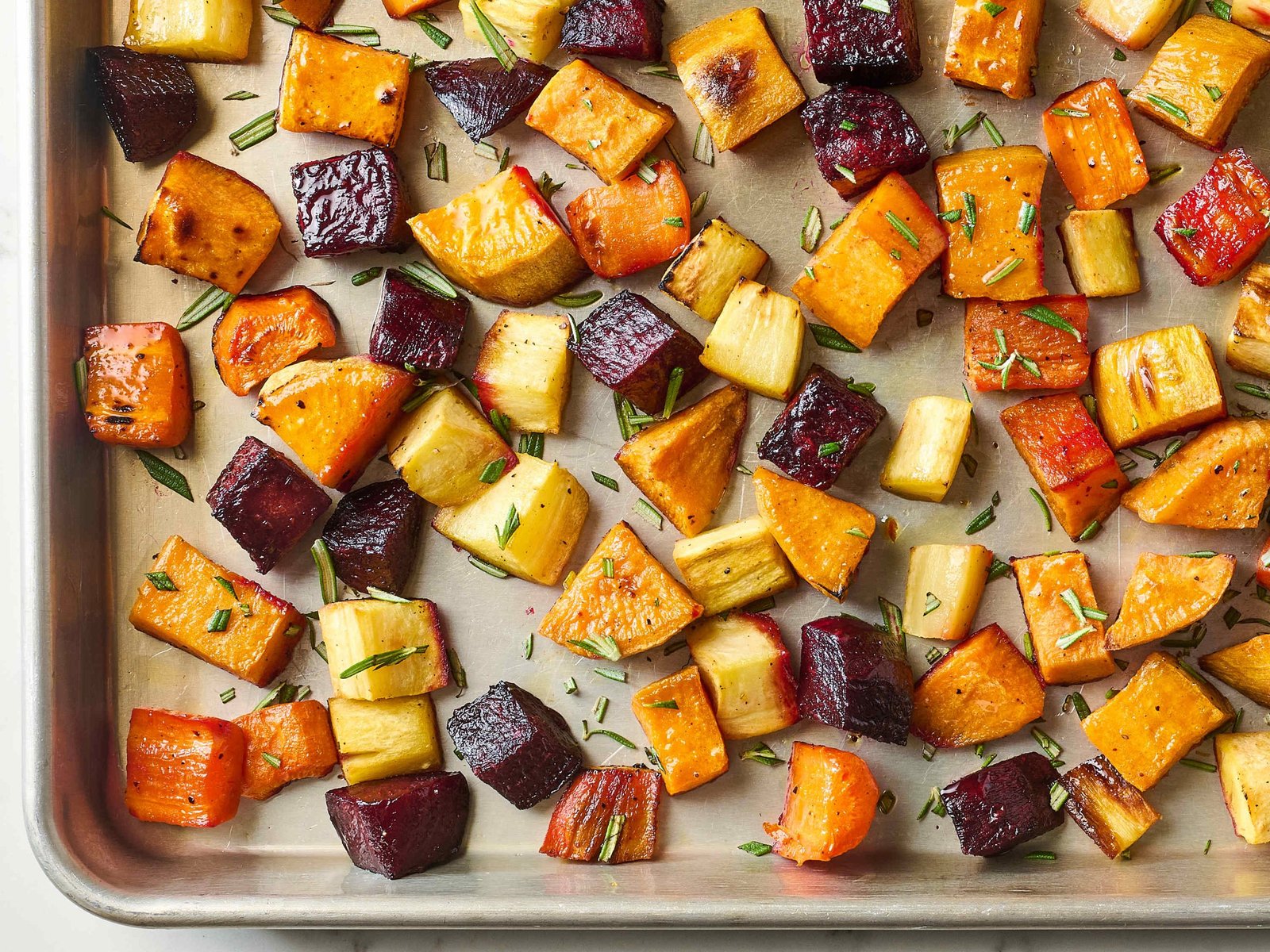
Are you tired of ending up with some veggies burnt while others stay soggy? Roasting vegetables evenly in the oven can seem tricky, but once you know the simple secrets, your veggies will come out perfectly crispy and tender every time.
Imagine biting into a carrot that’s sweet and caramelized, or a broccoli floret with just the right crunch. You’ll discover easy tips and tricks to master the art of even roasting, so your meals become more delicious and satisfying. Keep reading, and get ready to transform your veggies from ordinary to outstanding!
Choosing The Right Vegetables
Roasting vegetables brings out their natural sweetness and flavor. Picking the right vegetables helps them cook evenly. Some vegetables roast better than others.
Using vegetables that have similar cooking times avoids some pieces burning while others stay raw. Size and moisture content also matter.
Best Vegetables For Roasting
Some vegetables work very well for roasting because they hold their shape and taste great when caramelized. Root vegetables are popular choices.
- Carrots: Sweet and firm, they roast evenly.
- Potatoes: Starchy and crispy when roasted.
- Brussels sprouts: Crisp outer leaves and tender inside.
- Cauliflower: Holds texture and browns nicely.
- Sweet potatoes: Soft inside with a sweet flavor.
- Beets: Earthy flavor and tender after roasting.
Seasonal Selections
| Season | Vegetables to Roast |
| Spring | Asparagus, New Potatoes, Radishes |
| Summer | Zucchini, Bell Peppers, Eggplant |
| Fall | Butternut Squash, Brussels Sprouts, Carrots |
| Winter | Beets, Parsnips, Sweet Potatoes |
Preparing Vegetables For Roasting
Roasting vegetables brings out their natural flavors. Proper preparation helps them cook evenly and taste great.
Start by cleaning and cutting the vegetables carefully. This ensures even roasting and a perfect texture.
Washing And Peeling
Wash vegetables under cold water to remove dirt and pesticides. Use a brush for firm vegetables like carrots and potatoes.
Peeling depends on the vegetable and your preference. Some vegetables like carrots can be roasted with skin on for extra nutrients.
- Rinse all vegetables thoroughly.
- Use a vegetable brush for root vegetables.
- Peel vegetables if the skin is tough or dirty.
- Dry vegetables with a clean towel before cutting.
Cutting To Uniform Size
Cut vegetables into pieces of the same size. This helps them cook evenly and finish at the same time.
| Vegetable | Recommended Cut Size |
|---|---|
| Carrots | 1/2 inch thick slices |
| Potatoes | 1-inch cubes |
| Bell Peppers | 1-inch chunks |
| Zucchini | 1/2 inch thick rounds |
Using The Right Tools
Roasting vegetables evenly depends a lot on the tools you use. Choosing the right equipment can help heat your vegetables well. This leads to better texture and flavor.
Good tools help vegetables cook at the same speed. They stop some pieces from burning while others stay raw. Let’s look at the best tools for even roasting.
Baking Sheets And Pans
Choose a baking sheet or pan with low sides. This lets hot air flow around the vegetables. It helps them cook evenly and get crispy.
Heavy metal sheets work better than thin ones. They spread heat well. Dark-colored pans heat faster but watch your vegetables closely to avoid burning.
- Use rimmed baking sheets for airflow
- Pick heavy-duty metal for even heat
- Avoid crowded pans to allow space
- Dark pans cook faster but can burn food
Parchment Paper Or Foil
Parchment paper stops vegetables from sticking. It also helps clean your pan easily. Use it for roasting to get even browning and less mess.
Foil can also work but may cause vegetables to steam. This can make them soft instead of crispy. If you use foil, leave some space for air to move.
- Parchment paper prevents sticking and burns less
- Foil traps moisture, so use carefully
- Leave gaps if using foil for airflow
- Both help with easy cleanup after roasting
Setting The Oven Temperature
Roasting vegetables makes them tasty and tender. The oven temperature is key to roasting them evenly. Too hot or too low can change the cooking time and texture.
Knowing the right temperature helps you get crisp edges and soft insides. It also prevents burning or undercooking.
Ideal Temperature Range
The best oven temperature for roasting vegetables is usually between 375°F and 425°F. This range cooks vegetables evenly without drying them out.
- Lower temperatures (around 375°F) work well for delicate vegetables like zucchini and asparagus.
- Medium temperatures (around 400°F) suit most common vegetables like carrots and potatoes.
- Higher temperatures (425°F) help root vegetables and denser veggies cook faster and get crispy edges.
Adjusting For Different Vegetables
Different vegetables need different cooking times and temperatures. Use these tips to adjust the oven setting for even roasting.
| Vegetable | Recommended Temperature | Notes |
| Broccoli | 400°F | Roasts quickly, watch to avoid burning |
| Carrots | 425°F | High heat brings out sweetness |
| Bell Peppers | 375°F | Lower heat keeps skin tender |
| Potatoes | 425°F | Needs high heat for crispness |
| Asparagus | 375°F | Roasts fast, use lower heat |
Seasoning For Flavor
Roasting vegetables brings out their natural sweetness. Seasoning adds extra flavor that makes them tasty.
Choosing the right seasonings helps vegetables taste delicious and balanced. Let’s look at some easy options.
Basic Seasoning Options
Salt and pepper are the simplest and most common seasonings. They enhance the vegetable’s natural taste.
- Use kosher salt or sea salt for better flavor
- Freshly ground black pepper adds a mild heat
- Olive oil helps seasonings stick and adds richness
- Garlic powder or onion powder give extra depth
- Lemon juice or zest adds brightness after roasting
Herbs And Spices
Herbs and spices add unique aromas and taste layers. Use fresh or dried to suit your preference.
| Herb/Spice | Flavor Profile | Best Use |
| Rosemary | Pine-like and earthy | Sturdy vegetables like potatoes |
| Thyme | Light and lemony | Carrots, squash, and mushrooms |
| Paprika | Sweet and smoky | Peppers and root vegetables |
| Cumin | Warm and nutty | Cauliflower and sweet potatoes |
| Basil | Sweet and slightly peppery | Add after roasting for freshness |
Arranging Vegetables On The Tray
Arranging vegetables properly on a tray helps them cook evenly. The right layout lets heat circulate well around each piece.
Proper spacing and avoiding crowding ensure vegetables roast with a nice texture and color.
Avoiding Overcrowding
Overcrowding the tray traps steam and stops vegetables from roasting well. This makes them soggy instead of crispy.
- Use a large baking tray to give enough space.
- Arrange vegetables in a single layer without piling.
- If needed, use two trays and roast in batches.
- Choose similar-sized pieces for even cooking.
Spacing For Even Cooking
Give each vegetable piece some breathing room. This helps hot air flow and cooks all pieces at the same speed.
| Spacing Tip | Reason |
|---|---|
| Leave about 1 inch (2.5 cm) between pieces | Allows heat to reach all sides |
| Use rimmed trays | Keeps vegetables from sliding and touching |
| Flip vegetables halfway through cooking | Ensures even browning on all sides |
Roasting Time And Techniques
Roasting vegetables in the oven brings out their natural sweetness. It also gives them a nice, crispy texture. To roast evenly, you need the right time and technique.
Different vegetables take different times to cook. Using good techniques helps all pieces cook well and taste great.
Checking For Doneness
Check vegetables often to see if they are cooked. They should be tender inside and slightly browned outside. Use a fork to test softness.
Some vegetables cook faster than others. Remove pieces that are done early to avoid burning the rest.
- Look for a golden brown color on the surface
- Test softness with a fork or knife
- Smell the roasted aroma as a sign of readiness
- Remove smaller or thin pieces earlier
Turning And Stirring
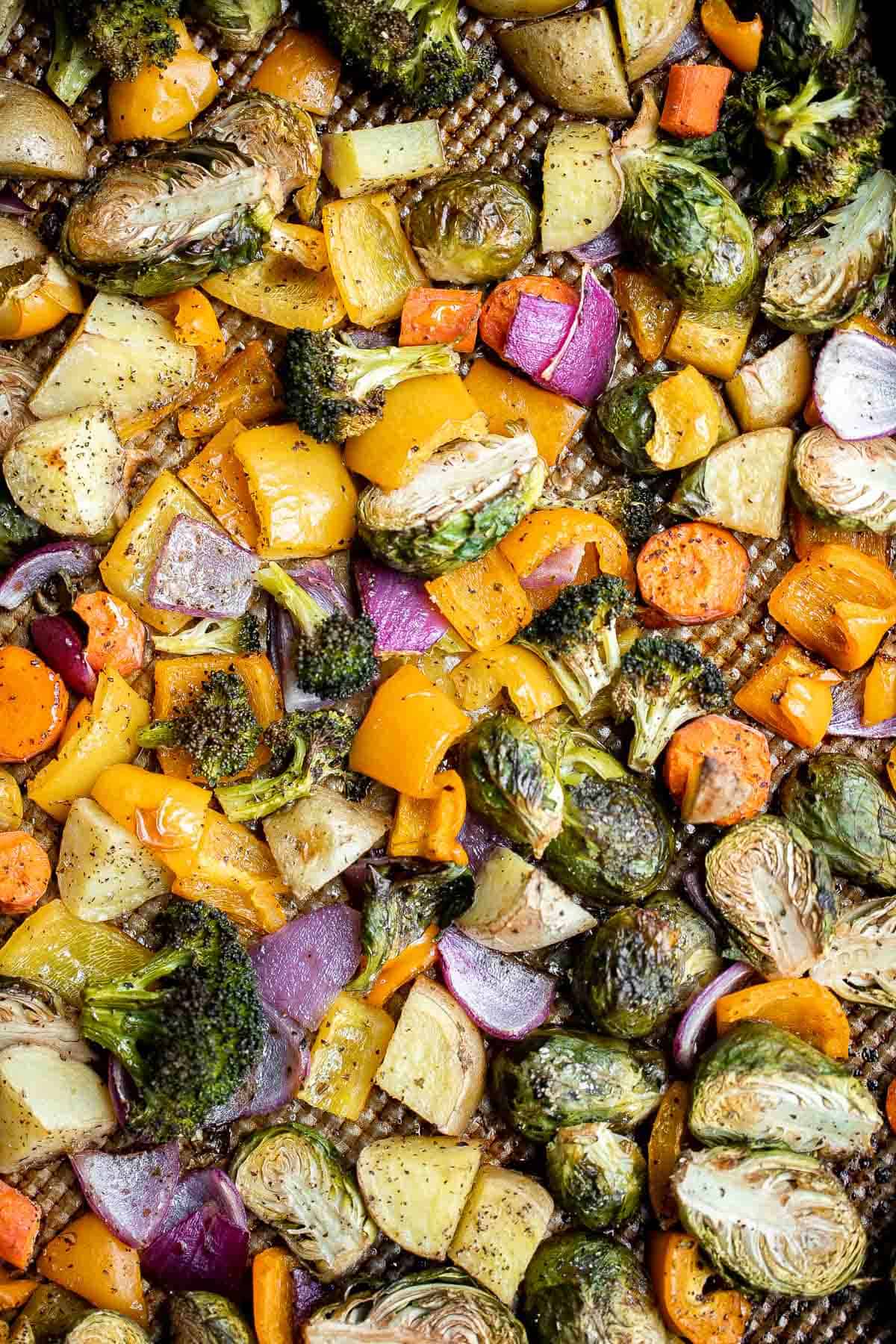
Turn and stir vegetables during roasting for even cooking. This stops one side from burning and the other side staying raw.
Use a spatula or tongs to gently move the vegetables. Stir every 10 to 15 minutes depending on the roasting time.
- Turn vegetables halfway through cooking time
- Stir to move pieces from the edges to the center
- Spread vegetables in a single layer for best results
- Use parchment paper or a non-stick tray to prevent sticking
Credit: www.aheadofthyme.com
Enhancing Crispiness
Roasting vegetables in the oven brings out a rich flavor and delightful texture. Crispiness is key to making roasted veggies enjoyable and satisfying.
Simple techniques can help vegetables roast evenly and develop a perfect crisp outside while staying tender inside.
Using Oil Effectively
Oil helps vegetables roast evenly and enhances their crispiness. Using the right amount and type of oil is important.
- Use enough oil to coat vegetables lightly but not soak them.
- Choose oils with a high smoke point, such as avocado or grapeseed oil.
- Toss vegetables well to distribute oil evenly on all surfaces.
- Avoid overcrowding the pan so vegetables roast rather than steam.
- Apply oil just before roasting for the best crisp texture.
Finishing With Broiling
Broiling vegetables at the end of roasting adds extra crispiness and color. This step caramelizes edges quickly.
| Broiling Tips | Effect on Vegetables |
|---|---|
| Place rack 4-6 inches from broiler | Ensures even browning without burning |
| Broil for 2-4 minutes only | Prevents overcooking while crisping edges |
| Watch closely and turn if needed | Avoids charring and promotes uniform crispiness |
Common Mistakes To Avoid
Roasting vegetables is simple, but some errors can ruin the result. Avoiding these mistakes helps you get crispy, even-cooked veggies every time.
Two common problems are overcooking or undercooking and inconsistent sizing. Let’s look at these to improve your roasting skills.
Overcooking Or Undercooking
Cooking vegetables too long makes them mushy and dry. Cooking them too short leaves them hard and raw inside. The oven temperature and time matter a lot.
- Set the oven to 400°F (200°C) for most vegetables.
- Check vegetables at 15 minutes and toss them.
- Roast for 20 to 30 minutes depending on size and type.
- Use a timer to avoid burning or undercooking.
Inconsistent Sizing
Cutting vegetables in uneven pieces causes some to cook faster than others. Small pieces burn while large pieces stay raw.
| Cut Size | Effect on Cooking |
| Large pieces | Cook slower, may stay raw inside |
| Small pieces | Cook faster, risk of burning |
| Even pieces | Cook evenly, better texture |

Credit: www.apurepalate.com

Credit: mytxkitchen.com
Frequently Asked Questions
How Do I Ensure Vegetables Roast Evenly In The Oven?
Cut vegetables into uniform sizes for even cooking. Spread them in a single layer without overcrowding. Toss halfway through roasting to promote even browning and crispiness.
What Oven Temperature Is Best For Roasting Vegetables?
Set your oven between 400°F and 425°F (200°C to 220°C). This range helps vegetables caramelize without burning. Adjust time based on vegetable type and size for perfect results.
Should I Use Oil When Roasting Vegetables?
Yes, lightly coat vegetables with oil to enhance flavor and texture. Oil helps them brown evenly and prevents sticking. Use healthy oils like olive or avocado oil for best taste.
How Long Should Vegetables Roast For Even Cooking?
Roasting time varies by vegetable size and type, usually 20-40 minutes. Check tenderness with a fork and stir vegetables halfway to cook evenly. Smaller pieces roast faster than larger chunks.
Conclusion
Roasting vegetables evenly makes them taste better and cook well. Use a hot oven and cut veggies in similar sizes. Spread them out on the baking sheet so heat reaches all sides. Stir or flip the vegetables halfway through cooking.
These small steps help achieve perfect texture and flavor. Enjoy your delicious, evenly roasted vegetables every time you cook. Simple tips lead to great results in your kitchen. Keep practicing, and roasting will become easy and fun.