
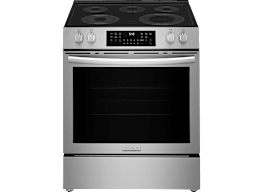
Looking for an oven that saves energy and cuts down your electricity bills? Choosing the right energy-efficient oven can make a big difference in your kitchen and your wallet.
But with so many options out there, how do you know which one is best for you? This guide will help you understand what to look for, so you can pick an oven that fits your cooking needs and keeps your home eco-friendly.
Keep reading to discover simple tips that will help you make a smart, energy-saving choice.
Benefits Of Energy-efficient Ovens
Energy-efficient ovens use less electricity or gas. They save money and help protect the environment.
These ovens also cook food better by keeping a steady temperature. This makes cooking easier and faster.
Lower Energy Bills
Energy-efficient ovens use less power to cook food. This reduces your monthly energy bills.
They heat up faster and keep heat well. This means they do not waste energy while cooking.
- Use less electricity or gas
- Heat food faster
- Keep temperature steady
- Reduce wasted energy
Reduced Environmental Impact
Using less energy means fewer greenhouse gases are released. This helps slow down climate change.
Energy-efficient ovens lower your carbon footprint. They save natural resources like coal and gas.
- Lower greenhouse gas emissions
- Save natural resources
- Reduce pollution
- Support cleaner air and water
Enhanced Cooking Performance
Energy-efficient ovens keep heat more evenly. This means food cooks thoroughly and tastes better.
These ovens often have smart features. They help you cook food exactly right every time.
- Maintain steady temperature
- Cook food evenly
- Save cooking time
- Include helpful cooking settings
Types Of Energy-efficient Ovens
Choosing the right energy-efficient oven saves power and money. Many ovens use less energy while cooking well.
Different types of ovens use energy in smart ways. Each type fits certain cooking needs and kitchen styles.
Convection Ovens
Convection ovens use fans to circulate hot air inside. This spreads heat evenly and cooks food faster.
They use less energy because food cooks quicker at lower temperatures. This saves both time and power.
Microwave Ovens
Microwave ovens cook food with microwave radiation. They heat food quickly without heating the air around it.
They use less energy than regular ovens for small or quick meals. This makes them very efficient for reheating.
Steam Ovens
Steam ovens cook food using hot steam instead of dry heat. This method saves energy and keeps food moist.
They often use less power because steam transfers heat faster. They are good for healthy cooking and baking.
Combination Ovens
Combination ovens mix two or more cooking methods like convection and steam. This speeds up cooking and saves energy.
They offer flexible cooking options while using less power than running multiple appliances separately.
Key Features To Look For
Choosing an energy-efficient oven helps save money and reduce electricity use. Knowing what features to check makes buying easier.
This guide shows important features to look for in energy-efficient ovens. These features improve performance and lower energy costs.
Energy Star Certification
Energy Star certified ovens meet strict energy-saving rules. They use less power than regular ovens.
Choosing an Energy Star oven means lower utility bills and less impact on the environment.
Insulation Quality
Good insulation keeps heat inside the oven. This means the oven uses less energy to maintain temperature.
Look for ovens with thick, durable insulation materials. They help cook food evenly and save energy.
- Reduces heat loss
- Improves cooking efficiency
- Lowers energy consumption
Temperature Controls
Accurate temperature controls use energy wisely. They keep the oven at the right heat for cooking.
Digital controls or smart sensors help prevent overheating. This saves energy and protects your food.
- Easy to set precise temperatures
- Helps avoid energy waste
- Allows programmable cooking times
Self-cleaning Options
Self-cleaning ovens use high heat to burn off food spills. This keeps the oven clean with less effort.
Choose ovens with energy-efficient self-cleaning cycles. They use less electricity and save time.
:max_bytes(150000):strip_icc()/ses-anova-precision-oven-2-0-donna-currie-02-cc563620c6a2475ebdb81687ef919bbc.jpeg)
Credit: www.thespruceeats.com
Size And Capacity Considerations
Choosing the right oven size helps save energy and space. A properly sized oven cooks food faster and uses less power.
Understanding your cooking needs will guide you to the best oven capacity. This choice affects both efficiency and convenience.
Choosing The Right Size
Select an oven size that fits your kitchen and cooking habits. Large ovens use more energy, even if you cook small meals.
Small ovens heat up quickly and use less power. They suit small families or simple meals better than big ovens.
- Measure your kitchen space before buying
- Think about the number of people you cook for
- Consider the types of food you prepare
Balancing Capacity And Efficiency
Choose an oven capacity that fits your usual cooking volume. Too big means wasted energy; too small means cooking in batches.
Energy-efficient ovens often have good insulation and smart heating systems. These features keep heat inside and reduce power use.
- Match oven capacity with your meal size
- Look for ovens with good insulation
- Use oven settings to save energy
Comparing Energy Consumption
Choosing an energy-efficient oven helps save electricity and reduce bills. It also lowers your home’s carbon footprint.
To pick the best oven, learn how to compare their energy use. Two key points help: energy ratings and consumption labels.
Understanding Energy Ratings
Energy ratings show how much power an oven uses. They help you find models that use less electricity.
- Ratings range from A+++ (most efficient) to D (least efficient).
- Higher rating means lower energy use and cost.
- Ratings are based on standardized tests for fair comparison.
- Look for ovens with good ratings to save energy.
Using Energy Consumption Labels
Energy labels provide details on how much electricity an oven uses yearly. They help compare models quickly.
| Label Item | What It Means |
|---|---|
| Annual Energy Use (kWh) | Estimated yearly electricity consumption |
| Energy Efficiency Class | Rating from A+++ to D indicating efficiency |
| Oven Capacity | Usable volume inside the oven in liters |
| Noise Level (dB) | How loud the oven operates |

Credit: www.trustedreviews.com
Smart Technology And Automation
Energy-efficient ovens use smart technology to save power. Automation helps cook food better and faster.
These ovens connect to the internet and adapt cooking settings. This helps reduce energy waste and improves convenience.
Wi-fi Connectivity
Wi-Fi lets you control your oven from your phone. You can start, stop, or adjust cooking remotely.
This feature helps avoid leaving the oven on longer than needed. It also sends alerts when cooking is done.
Programmable Cooking Modes
Programmable modes allow the oven to cook food automatically. These modes use sensors to set time and temperature.
These presets reduce energy use by avoiding overcooking. They also make cooking easier for different recipes.
- Roast mode adjusts heat for meats
- Bake mode keeps steady temperature
- Defrost mode uses low heat safely
Energy Usage Monitoring
Ovens with energy monitors show how much power they use. This helps you track and reduce energy costs.
Some models display real-time data on the screen or app. This lets you change settings to save electricity.
Budgeting For An Energy-efficient Oven
Choosing an energy-efficient oven helps save money on power bills. Planning your budget is important before buying one.
Knowing the costs and possible savings can guide your purchase. This section explains key budgeting points.
Upfront Costs Vs Long-term Savings
Energy-efficient ovens often cost more at first than regular ovens. This higher price covers better parts and technology.
Over time, these ovens use less electricity. This lowers your monthly energy bills and saves money.
- Higher initial price
- Lower energy bills
- Longer oven lifespan
- Reduced repair costs
Available Incentives And Rebates
Many places offer money back or discounts for buying energy-efficient ovens. These incentives reduce your upfront cost.
Check local government and utility company websites. They often list rebates and special offers for energy-saving appliances.
- Federal tax credits
- State rebates
- Utility company discounts
- Manufacturer promotions
Maintenance Tips To Maximize Efficiency
Keeping your oven clean and well-maintained helps it use less energy. Proper care also extends the oven’s life.
Follow simple maintenance tips to keep your oven running efficiently and save energy over time.
Regular Cleaning
Cleaning your oven stops dirt and grease from building up. This buildup makes the oven work harder and use more energy.
Wipe spills quickly and clean the oven interior often. Use mild cleaners to avoid damage to the oven surface.
- Remove food spills after each use
- Clean oven racks and trays regularly
- Check and clean the oven door seal
- Avoid using harsh chemicals inside the oven
Proper Usage Habits
Use your oven the right way to save energy. Preheat only when needed and avoid opening the door too often.
Cook meals in batches and use the right cookware. These habits help your oven heat food efficiently.
- Preheat the oven only if the recipe says so
- Keep the door closed while cooking
- Cook multiple dishes at once when possible
- Use oven-safe cookware that fits well
Routine Inspections
Check your oven often to catch problems early. Broken parts can reduce efficiency and increase energy use.
Look for cracks, damaged seals, and faulty heating elements. Fix or replace parts as needed to keep the oven working well.
- Inspect door seals for tight closure
- Test heating elements for even warmth
- Listen for unusual noises during use
- Schedule professional service if problems appear
Top Brands And Models In 2025
Choosing an energy-efficient oven can save money and reduce electricity use. In 2025, several brands lead the market with models that use less energy and cook well.
This guide highlights top manufacturers and what customers say about their ovens. It helps you find a model that fits your needs and saves energy.
Leading Manufacturers
Several companies make ovens that use energy wisely. These brands focus on smart designs and new technology to cut power use.
- Whirlpool: Known for good insulation and quick heating.
- Samsung: Features smart sensors to avoid wasted energy.
- Bosch: Offers models with high energy star ratings.
- GE Appliances: Combines style with efficient cooking modes.
- LG: Uses inverter technology to lower power consumption.
Customer Reviews And Ratings
Customer feedback shows how well ovens perform in daily use. Ratings help identify reliable and energy-saving ovens.
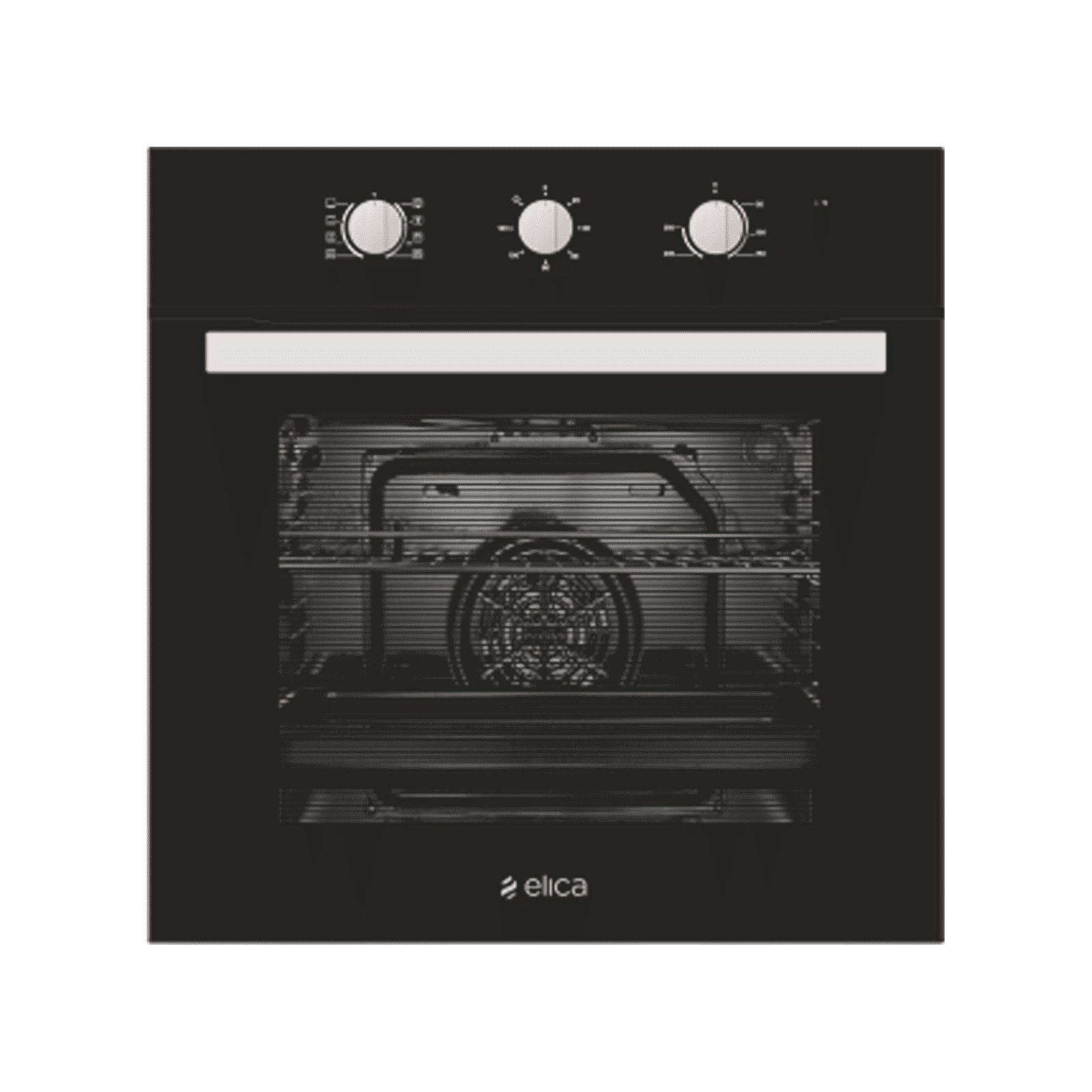
| Brand | Model | Energy Star Rating | Average Customer Rating |
| Whirlpool | WEO550S0FS | 5 Stars | 4.5/5 |
| Samsung | NV51K7770DS | 4.5 Stars | 4.3/5 |
| Bosch | HBL8753UC | 5 Stars | 4.7/5 |
| GE Appliances | JS750SLSS | 4 Stars | 4.2/5 |
| LG | LWS3063ST | 4.5 Stars | 4.4/5 |
Credit: www.tataneu.com
Frequently Asked Questions
What Features Make An Oven Energy-efficient?
Energy-efficient ovens have features like convection cooking, which circulates hot air for even cooking. Look for models with an Energy Star rating. Self-cleaning ovens often have better insulation, reducing energy use. Double ovens can also save energy by allowing you to cook at different temperatures simultaneously.
How Do I Know If An Oven Is Energy-efficient?
Check for an Energy Star label, which signifies high energy efficiency. Read the manufacturer’s specifications for energy consumption details. Compare different models’ energy usage ratings. Features like convection cooking and self-cleaning can also indicate energy efficiency. Always read user reviews for real-world energy performance insights.
Are Convection Ovens More Energy-efficient?
Yes, convection ovens are generally more energy-efficient. They use fans to circulate hot air, reducing cooking times. This method uses less energy compared to traditional ovens. Additionally, they often cook food more evenly. For maximum efficiency, choose a model with an Energy Star rating and other energy-saving features.
Does Oven Size Affect Energy Efficiency?
Yes, larger ovens typically consume more energy. However, they can be more efficient for large meals. Smaller ovens are better for everyday cooking, using less energy overall. Consider your cooking needs before choosing an oven size. An appropriately sized oven will enhance energy efficiency and reduce utility costs.
Conclusion
Choosing an energy-efficient oven saves money and helps the planet. Focus on models with good energy ratings and useful features. Smaller ovens often use less power and cook faster. Think about how often you cook and the oven size needed.
Simple steps lead to smart choices and lower bills. Start enjoying better cooking while using less energy today.