
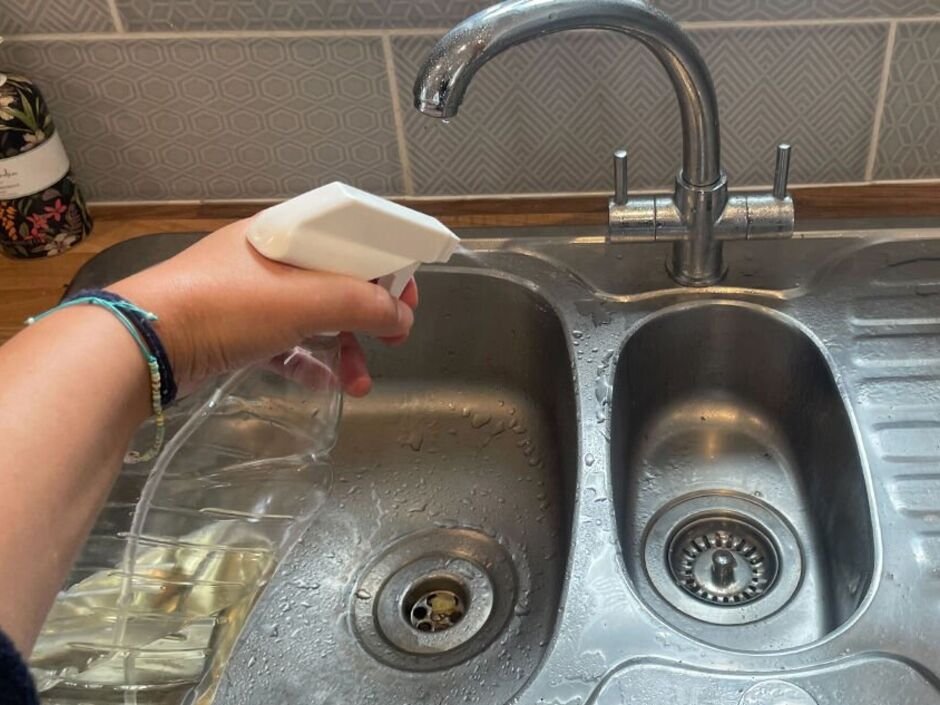
Your stainless steel sink is one of the busiest spots in your kitchen. Over time, it can lose its shine and gather stains that are hard to remove.
You might think cleaning it means using harsh chemicals, but that’s not true. What if you could make your sink sparkle again using simple, natural ingredients you already have at home? You’ll discover easy and safe ways to clean your stainless steel sink naturally.
Keep reading to learn how to bring back that fresh, polished look without any harmful products. Your sink—and your kitchen—will thank you.

Credit: www.aol.com
Benefits Of Natural Cleaning
Cleaning your stainless steel sink naturally keeps it shiny and healthy. It avoids harsh chemicals that can damage the surface.
Natural cleaners are safe for your family and the environment. They also save money and reduce waste.
Protects The Surface
Natural cleaning products like baking soda and vinegar do not scratch or wear down the steel. They keep the sink smooth and polished.
Safe For Your Health
Natural ingredients do not release harmful fumes. This makes your kitchen air cleaner and safer for breathing.
Environmentally Friendly
Natural cleaners break down easily and do not pollute water. They protect wildlife and reduce plastic waste.
- No toxic chemicals
- Biodegradable ingredients
- Less plastic packaging
- Safe for septic systems
Cost-effective Cleaning
Many natural cleaners use simple household items. These are cheaper than store-bought chemical cleaners.
| Natural Cleaner | Common Use | Cost |
| Baking Soda | Scrubbing and deodorizing | Low |
| White Vinegar | Removing stains and shine | Low |
| Lemon Juice | Brightening and fresh scent | Low |
Credit: www.dkhardware.com
Common Household Ingredients
Cleaning a stainless steel sink can be simple using items found at home. Natural ingredients work well without harsh chemicals.
These ingredients help remove stains, shine the surface, and keep your sink fresh. Let’s look at the best options.
Baking Soda
Baking soda acts as a gentle scrubber. It removes grime without scratching the sink surface.
Sprinkle baking soda on the sink, then scrub with a damp cloth or sponge. Rinse well with water.
White Vinegar
White vinegar cuts through hard water stains and disinfects. It also helps to remove odors.
Spray vinegar on the sink and let it sit for a few minutes. Wipe clean with a soft cloth, then rinse.
Lemon
Lemon juice brightens the sink and removes rust spots. Its natural acid cleans without damage.
- Cut a lemon in half
- Rub the lemon over stains or dull areas
- Let the juice sit for 5 minutes
- Rinse the sink with warm water
- Dry with a clean cloth to shine
Olive Oil
Olive oil adds a nice shine and protects the sink’s surface. Use it after cleaning with other ingredients.
Apply a small amount of olive oil on a soft cloth. Rub it gently over the dry sink surface. Buff until shiny.
Preparing The Sink For Cleaning
Cleaning a stainless steel sink naturally starts with proper preparation. This makes the cleaning process easier and more effective.
Before applying any natural cleaner, clear the sink and give it a quick rinse. These steps help remove loose dirt and debris.
Clearing The Area
Remove all items from the sink and the surrounding counter. This includes dishes, soap dispensers, and sponges.
- Take out any dishes or utensils
- Clear soap bottles and scrubbers
- Wipe the counter to avoid wet spots
- Check the drain for any food scraps
Initial Rinse
Use warm water to rinse the entire sink area. This removes loose dirt and prepares the surface for deep cleaning.
| Area | Rinse Time |
| Sides and Bottom | 30 seconds |
| Drain Area | 15 seconds |
| Faucet Base | 10 seconds |

Credit: www.express.co.uk
Baking Soda And Vinegar Method
Cleaning your stainless steel sink can be simple and natural. Baking soda and vinegar make a great team. They clean without harsh chemicals.
This method removes stains and leaves your sink shiny. It is safe for your family and the environment.
Applying Baking Soda
Start by sprinkling baking soda all over the wet sink. Baking soda acts as a gentle scrub that removes dirt and stains.
- Wet the sink surface with water.
- Sprinkle a layer of baking soda evenly.
- Use a soft sponge or cloth to scrub in circles.
- Focus on spots with stains or grime.
- Rinse with warm water to remove baking soda.
Using Vinegar For Sparkle
Next, use vinegar to brighten and shine the sink. Vinegar helps dissolve mineral deposits and kills bacteria.
| Vinegar Cleaning Steps |
| Fill a spray bottle with white vinegar. |
| Spray the vinegar over the baking soda residue. |
| Let the fizzing reaction sit for 5 minutes. |
| Scrub gently with a sponge if needed. |
| Rinse the sink well with warm water. |
| Dry with a soft towel to prevent water spots. |
Lemon And Salt Scrub
Cleaning a stainless steel sink can be easy with natural ingredients. Lemon and salt make a safe and effective scrub. This method removes stains and leaves the sink shiny.
This guide shows how to use lemon and salt to clean your sink without harsh chemicals.
Cutting And Applying Lemon
Use fresh lemons for the best cleaning power. Cut the lemon into halves or thick slices. The juice and pulp help break down dirt and grime.
- Slice the lemon so you have a flat surface to rub.
- Press the lemon onto the sink surface firmly.
- Rub the lemon in circular motions to cover stains.
- Let the lemon juice sit for a few minutes for better effect.
Sprinkling Salt For Abrasion
Salt adds a gentle abrasive texture. It helps scrub away tough spots without scratching the sink.
| Salt Type | Use |
| Coarse salt | Best for heavy stains and rough scrubbing |
| Fine salt | Good for light cleaning and polishing |
| Sea salt | Natural option with mild abrasiveness |
Sprinkle salt on the lemon half before scrubbing. The salt will help remove dirt as you rub the sink. Rinse well with water after cleaning.
Olive Oil For Shine
Olive oil is a natural way to make your stainless steel sink shine. It helps remove water spots and gives a smooth finish.
Using olive oil is simple and safe for your kitchen. It adds a warm glow without harsh chemicals.
Applying Olive Oil
Start with a clean sink to get the best shine. Apply a small amount of olive oil on a soft cloth or paper towel.
- Pour a few drops of olive oil on the cloth.
- Rub the oil gently over the sink surface.
- Cover all areas, especially spots with water stains.
- Use circular motions for even coverage.
Buffing For Lustrous Finish
After applying olive oil, buff the sink to enhance the shine. Use a clean, dry cloth for this step.
| Buffing Tip | Effect |
| Use microfiber cloth | Prevents scratches |
| Buff in small sections | Ensures even shine |
| Apply light pressure | Brings out natural luster |
Regular Maintenance Tips
Keeping your stainless steel sink clean helps it last longer. Natural cleaning methods protect its shine. Regular care stops stains and buildup.
Use simple ingredients you have at home. Follow these daily and weekly tips to keep your sink looking new.
Daily Quick Clean
Wipe your sink every day to avoid dirt and water spots. Use a soft cloth and mild natural cleaner.
- Rinse the sink with warm water after use.
- Sprinkle baking soda over the surface.
- Gently scrub with a soft sponge or cloth.
- Rinse well to remove all baking soda.
- Dry with a microfiber cloth to prevent water spots.
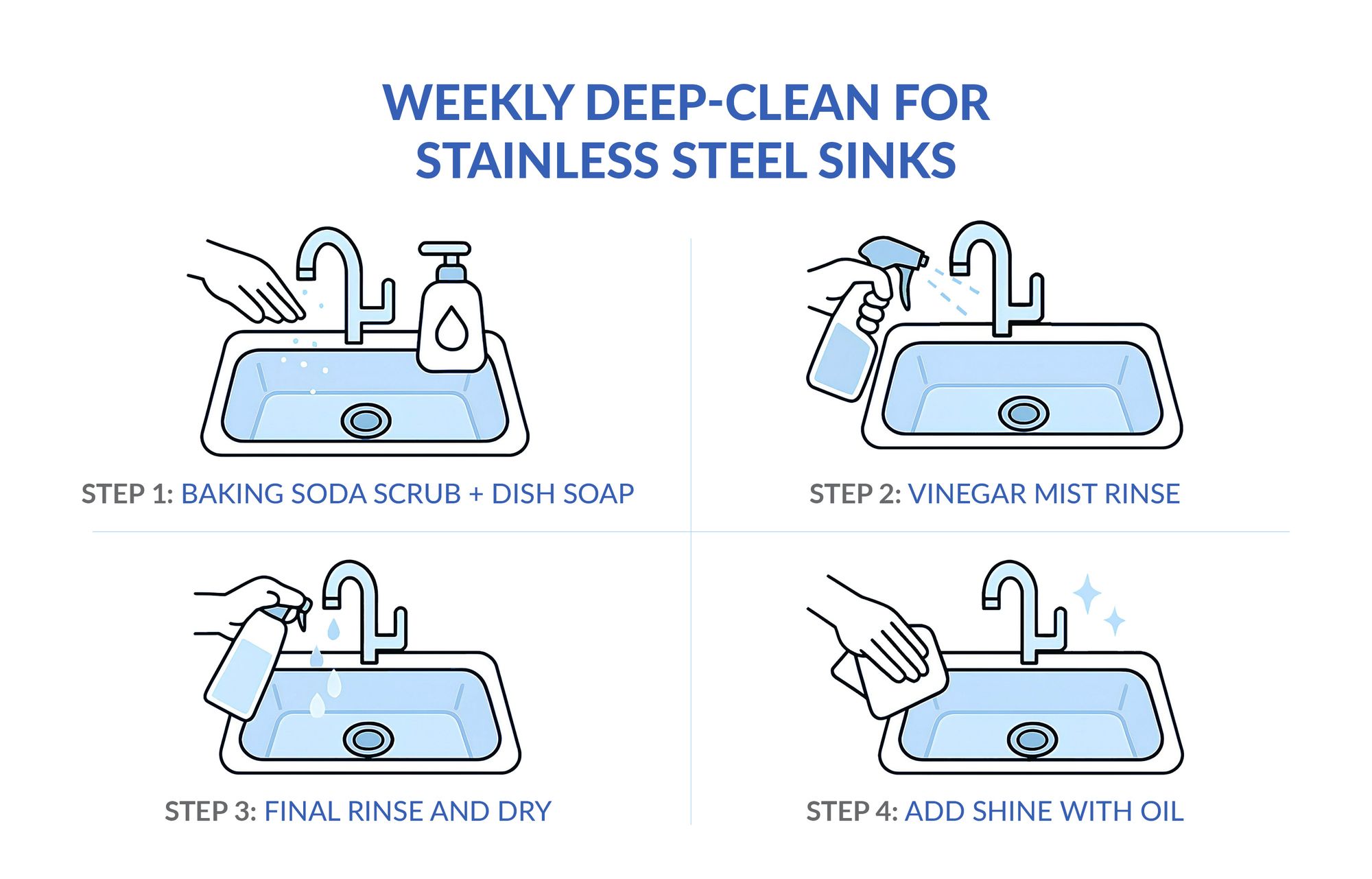
Weekly Deep Clean
Give your sink a thorough clean once a week. Use natural ingredients to remove stains and keep it shiny.
| Cleaning Ingredient | Purpose | How to Use |
|---|---|---|
| White Vinegar | Removes hard water stains | Spray on sink, let sit 5 minutes, then wipe |
| Lemon Juice | Brightens and deodorizes | Rub lemon slice on surface, rinse after 5 minutes |
| Baking Soda | Gently scrubs and removes grime | Sprinkle, scrub with sponge, rinse well |
| Olive Oil | Restores shine | Apply small amount on cloth, buff sink surface |
Avoiding Common Mistakes
Cleaning a stainless steel sink naturally keeps it shiny and safe. Many people use wrong methods that harm the sink. Learning what to avoid helps maintain your sink’s beauty.
This guide covers two common mistakes to skip for a better clean and long-lasting sink.
Harsh Chemicals
Avoid strong chemicals like bleach or ammonia. These can dull the sink’s finish and cause damage. They also harm the environment and your health.
- Do not use bleach or harsh cleaners
- Choose natural cleaners like baking soda or vinegar
- Test any cleaner on a small area first
- Rinse the sink well after cleaning
Steel Wool Scratches
Steel wool can scratch the sink’s surface. These scratches trap dirt and cause rust spots. Use soft cloths or sponges instead to protect your sink.
| Material | Effect on Sink | Recommendation |
| Steel Wool | Scratches and damages surface | Avoid |
| Soft Sponge | Safe and gentle cleaning | Use |
| Microfiber Cloth | Polishes without harm | Use |
Frequently Asked Questions
How Do I Naturally Clean A Stainless Steel Sink?
Use baking soda to scrub the sink gently. Rinse with vinegar for a natural shine. Wipe dry with a soft cloth.
Can Vinegar Damage Stainless Steel Sinks?
No, vinegar is safe for stainless steel when diluted. It helps remove stains and kills bacteria effectively.
What Household Items Clean Stainless Steel Sinks?
Baking soda, white vinegar, lemon, and olive oil are great natural cleaners. They remove grime and restore shine safely.
How Often Should I Clean My Stainless Steel Sink?
Clean your sink weekly to prevent stains and buildup. Regular care maintains its shine and hygiene naturally.
Conclusion
Cleaning your stainless steel sink naturally keeps it shiny and fresh. Use simple ingredients like baking soda and vinegar. These help remove stains without harsh chemicals. Regular cleaning stops dirt and grime buildup. Your sink will look great and last longer.
Try these easy steps to keep your kitchen clean. Natural cleaning is safe for your family and the environment. A clean sink makes daily chores more pleasant. Give natural methods a chance and see the difference yourself.