
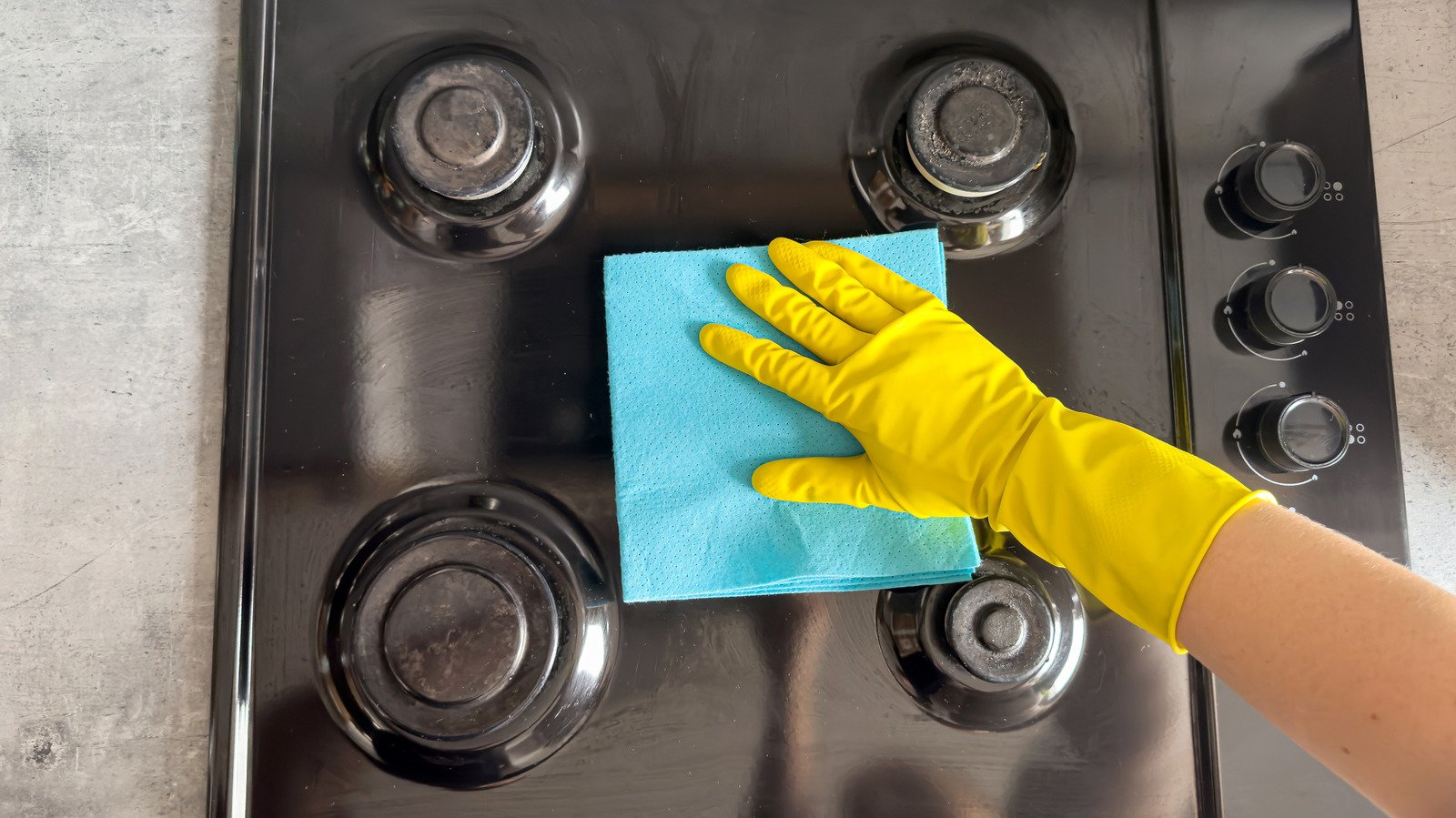
Is your stove top looking dull or greasy despite regular cleaning? You’re not alone.
A clean stove top not only makes your kitchen look inviting but also helps your cooking stay safe and tasty. But stubborn stains and spills can be tricky to remove. What if you could learn simple, effective tips to clean your stove top surface thoroughly without spending hours scrubbing?
Keep reading, and you’ll discover easy steps that save you time and effort while making your stove shine like new. Your kitchen deserves it, and so do you!
Types Of Stove Tops
Cleaning your stove top properly depends on the type you have. Different stove tops need different care. This guide helps you clean each type safely and well.
We will look at gas, electric, and induction stove tops. Knowing their features helps you keep them clean and working longer.
Gas Stove Tops
Gas stove tops have burners with flames. They can get greasy and dirty from spills and food bits. Cleaning needs care to avoid damage.
- Turn off the gas and let the stove cool before cleaning.
- Remove grates and burner caps for separate cleaning.
- Use warm soapy water and a soft brush to clean parts.
- Wipe the surface with a damp cloth and mild cleaner.
- Dry all parts before putting them back.
Electric Stove Tops
Electric stove tops have coil or smooth glass surfaces. Cleaning depends on the type you own. Be gentle to avoid scratches or damage.
| Type | Cleaning Tips |
| Coil Burners | Remove coils and drip pans. Wash drip pans with warm water and soap. Wipe coils carefully with a damp cloth. |
| Glass Tops | Use a soft cloth and special glass stove cleaner. Avoid abrasive pads. Clean spills quickly to prevent stains. |
Induction Stove Tops
Induction stove tops use magnetic heat under a smooth glass surface. They stay cooler but need careful cleaning to keep the glass clear.
Tips for cleaning induction stove tops:
- Wait until the surface cools before cleaning.
- Use a soft cloth with warm, soapy water.
- Remove stubborn spots with a scraper made for glass stoves.
- Dry the surface to avoid water marks.
Essential Cleaning Supplies
Cleaning your stove top surface well needs the right supplies. Using good products makes the job easier and safer for your stove.
This guide shows the best cleaning agents and tools to keep your stove top shiny and spotless.
Natural Cleaning Agents
Natural cleaners are safe and effective. They help remove grease and stains without harsh chemicals.
- Baking soda: Scrubs off tough spots gently.
- White vinegar: Cuts grease and kills germs.
- Lemon juice: Adds shine and fresh scent.
- Castile soap: Mild soap that cleans well.
- Water: Used with other agents for rinsing.
Commercial Cleaners
Store-bought cleaners are made to target stove grime quickly. Use them as directed to avoid damage.
| Cleaner Type | Use | Note |
| Degreaser spray | Removes thick grease | Wear gloves when applying |
| Stove top cream | Polishes and cleans surface | Test on small area first |
| Glass stove cleaner | For smooth glass surfaces | Use soft cloth only |
Tools And Accessories
The right tools make cleaning easier and protect your stove top from scratches.
- Soft sponges: Clean without scratching.
- Microfiber cloths: For wiping and drying.
- Plastic scraper: Removes burnt food safely.
- Old toothbrush: Cleans hard-to-reach spots.
- Rubber gloves: Protect your hands.
Daily Maintenance Tips
Keeping your stove top clean every day helps it work better. It also keeps your kitchen looking nice.
Simple daily care can stop dirt from building up and make deep cleaning easier.
Wiping Spills Immediately
Clean spills as soon as you see them. This stops food from burning and sticking.
Use a damp cloth or paper towel to wipe spills right after cooking.
- Turn off the stove before cleaning
- Use warm water for better cleaning
- Dry the area after wiping
Using The Right Cloth
Choose a soft cloth that will not scratch your stove top. Microfiber cloths work well.
Avoid rough sponges or abrasive cleaners that can damage the surface.
- Use microfiber cloths for gentle cleaning
- Change cloths often to avoid spreading dirt
- Wash cloths regularly to keep them clean
Deep Cleaning Techniques
Cleaning your stove top deeply keeps it safe and looking good. Dirt and grease can build up fast. Regular deep cleaning stops this and makes cooking more enjoyable.
Use the right tools and methods to clean every part well. Focus on hard-to-reach spots for the best results.
Removing Grates And Burners
Start by carefully removing the grates and burners from your stove top. This makes cleaning easier and more thorough. Be sure the stove is off and cool before you start.
- Lift grates gently to avoid damage.
- Remove burner caps and heads carefully.
- Soak these parts in warm, soapy water for 15 minutes.
- Use a soft brush to scrub off stuck-on food.
- Rinse with clean water and dry completely before replacing.
Scrubbing Stove Top Surface
After removing parts, clean the stove top surface itself. Use a cleaner that works for your stove’s material. Avoid harsh chemicals that could cause damage.
| Cleaning Tool | Use | Tip |
| Soft sponge | Wipe surface gently | Prevents scratches |
| Old toothbrush | Scrub corners and edges | Reaches small spaces |
| Baking soda paste | Remove tough stains | Mix with water to make paste |
| Microfiber cloth | Dry and polish | Leaves shiny finish |
Tackling Stubborn Stains
Cleaning stove top stains can be hard, especially the tough ones. Stubborn stains need special care and the right products.
Using natural cleaners like baking soda and vinegar helps remove grime without harsh chemicals. These methods work well on burnt and sticky spots.
Baking Soda Paste Method
Baking soda is a gentle abrasive that breaks down tough stains. Make a paste by mixing baking soda with water until it is thick.
Apply the paste on stained areas and let it sit for 15 to 20 minutes. Then scrub gently with a soft cloth or sponge.
- Mix 3 parts baking soda with 1 part water
- Spread the paste over the stains
- Let it rest for 15-20 minutes
- Scrub softly with a sponge or cloth
- Wipe clean with a damp cloth
Vinegar And Water Solution
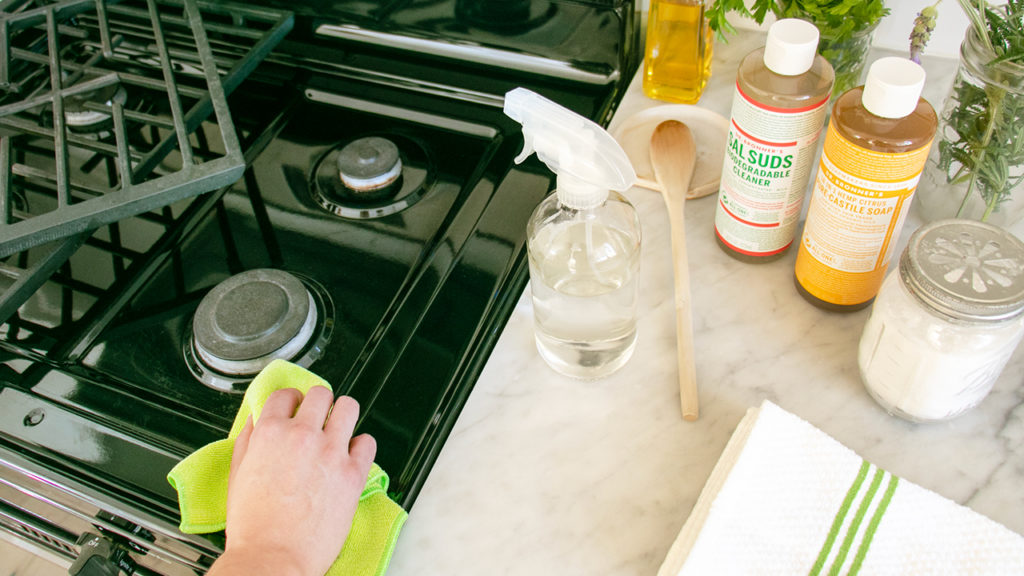
Vinegar is acidic and cuts through grease and grime easily. Mix equal parts white vinegar and water in a spray bottle.
Spray the solution onto the stove top and let it sit for 5 to 10 minutes. Wipe with a clean cloth to remove loosened dirt and stains.
- Combine equal parts vinegar and water
- Spray the mixture on stained surfaces
- Wait 5-10 minutes for the solution to work
- Wipe with a clean, damp cloth
- Repeat if stains remain
Credit: www.lisabronner.com
Cleaning Different Stove Top Materials
Stove tops come in many materials. Each surface needs special care to clean well.
Knowing how to clean each type helps keep your stove looking new and working well.
Ceramic Or Glass Surfaces
Ceramic and glass stove tops are smooth and shiny. They can scratch easily.
Use a soft cloth or sponge with mild soap. Avoid abrasive cleaners or scrubbers.
- Wipe spills quickly to avoid stains.
- Use a scraper tool for burnt spots gently.
- Dry with a soft towel to prevent streaks.
Stainless Steel Surfaces
Stainless steel stove tops resist rust and stains. They show fingerprints and smudges.
Use a soft cloth with a gentle cleaner made for stainless steel. Clean along the grain.
- Do not use steel wool or harsh scrubbers.
- Wipe dry to avoid water spots.
- Polish with a stainless steel cleaner for shine.
Preventing Future Messes
Keeping your stove top clean saves time and effort later. Small actions help stop spills and stains.
Use simple tools and habits to protect your stove from splatters and buildup. These tips make cleaning easier.
Using Splatter Guards
Splatter guards block grease and food bits from spreading while cooking. They keep your stove and counters cleaner.
- Place the guard around pans when frying or boiling.
- Choose mesh or silicone guards for easy cleaning.
- Clean the guard after each use to avoid buildup.
- Use guards to protect walls and cabinets near the stove.
Regular Maintenance Routines
Routine cleaning stops grease and food from hardening on your stove. Make a simple schedule to keep it fresh.
| Task | Frequency | Details |
| Wipe stove surface | Daily | Use damp cloth after cooking |
| Clean burners and knobs | Weekly | Remove and wash with warm soapy water |
| Deep clean stove top | Monthly | Use stove cleaner or mild detergent |
| Check for gas leaks or damage | Every 3 months | Inspect and fix any issues promptly |
Credit: www.housework.com
Safety Precautions
Cleaning your stove top is important for hygiene and safety. It also keeps your kitchen looking neat. Use safe methods to avoid accidents and damage.
Follow safety rules to protect yourself and your stove. This helps you clean effectively without risks.
Handling Cleaning Chemicals
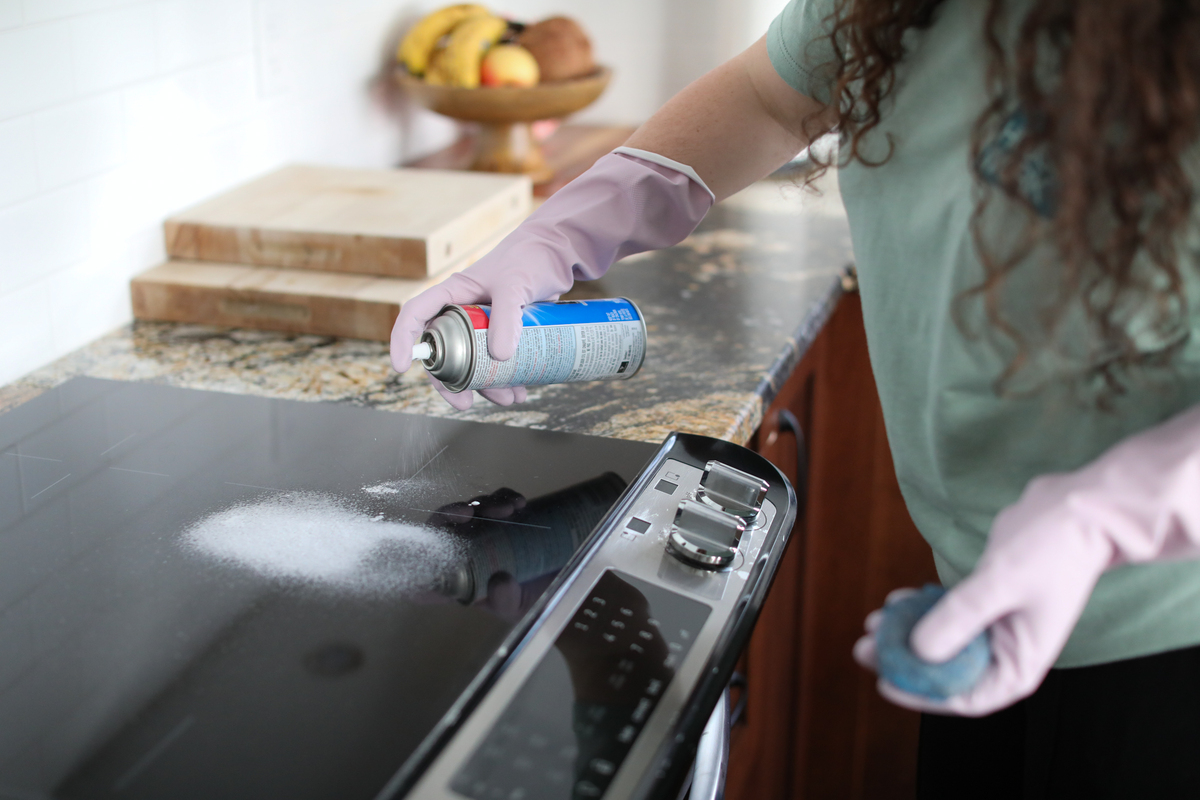
Cleaning chemicals can be strong and harmful. Always read the label before use. Wear gloves to protect your skin from irritation.
Use chemicals in a well-ventilated area. Avoid mixing different cleaners. This can create dangerous fumes.
- Wear rubber gloves when handling cleaners
- Open windows or turn on fans for fresh air
- Do not mix bleach with ammonia or other cleaners
- Keep chemicals away from children and pets
- Store cleaners safely after use
Avoiding Damage To Surfaces
Use gentle tools to avoid scratching your stove top. Avoid steel wool or rough scrubbers on glass surfaces. Test cleaners on a small spot first.
Follow the stove manufacturer’s cleaning advice. Too much water can damage electrical parts. Wipe spills quickly to prevent stains.
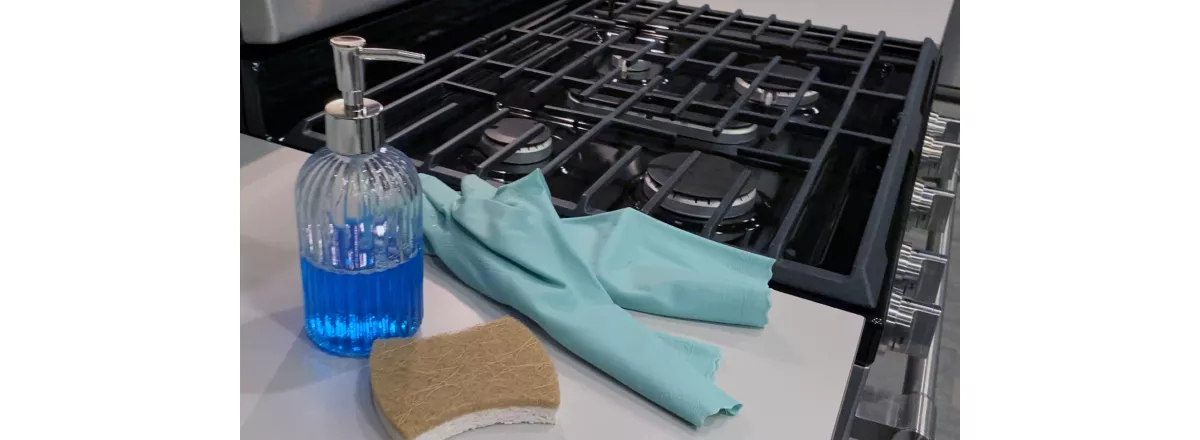
- Use soft cloths or sponges for cleaning
- Choose cleaners made for your stove type
- Do not pour water directly on the stove top
- Clean spills immediately to avoid stains
- Check the manual for cleaning tips
Credit: www.maytag.ca
Frequently Asked Questions
How Often Should I Clean My Stove Top Surface?
Clean your stove top after every use to prevent buildup. Deep clean weekly to remove grease and stubborn stains. Regular cleaning keeps your stove efficient and hygienic.
What’s The Best Cleaner For Stove Top Surfaces?
Use a gentle, non-abrasive cleaner like baking soda paste or vinegar solution. Avoid harsh chemicals that damage finishes. For tough grease, a degreasing spray works well.
How Do I Remove Burnt-on Food From Stove Tops?
Soak the area with warm soapy water for 15 minutes. Scrub gently with a soft sponge or nylon brush. Repeat if necessary, avoiding metal scrubbers to prevent scratches.
Can I Use Natural Products To Clean My Stove Top?
Yes, natural cleaners like baking soda and white vinegar are effective. They remove grease without harmful chemicals. Plus, they are safe for most stove top materials.
Conclusion
Cleaning your stove top regularly keeps it safe and looking good. Use gentle scrubbing and the right cleaners for best results. Avoid harsh tools that can scratch the surface. Small spills should be wiped quickly to stop buildup. Clean parts like burners and knobs often for a full clean.
A clean stove makes cooking easier and your kitchen nicer. Keep these tips in mind to enjoy a fresh stove top every day. Simple steps make a big difference in stove care.