
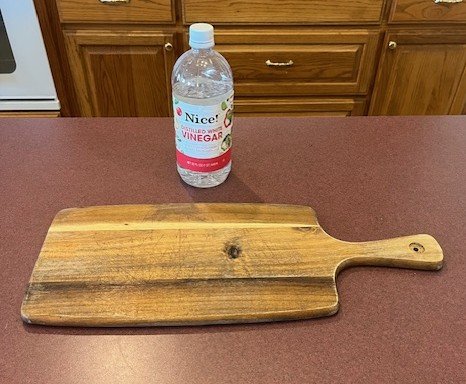
Your cutting board is one of the most used tools in your kitchen, but it can also be a hotspot for harmful bacteria. If you want to keep your food safe and your kitchen clean, knowing how to properly sanitize your cutting board is essential.
The best part? You don’t need harsh chemicals or expensive products. Vinegar, a simple and natural ingredient, can do the job effectively. Keep reading to discover easy steps that will help you sanitize your cutting boards with vinegar, ensuring your kitchen stays healthy and your meals stay delicious.

Credit: homewithgraceandjoy.com
Benefits Of Using Vinegar
Vinegar is a natural cleaner that works well for cutting boards. It helps remove germs and keeps your kitchen safe.
Using vinegar is easy, cheap, and good for the environment. It does not leave harmful chemicals behind.
Kills Harmful Bacteria
Vinegar has acetic acid that kills many bacteria on cutting boards. This reduces the chance of food poisoning.
It works well on both wood and plastic boards. You just need to spray or wipe the vinegar on the surface.
Removes Odors
Cutting boards can smell from strong foods like garlic or fish. Vinegar helps remove these bad smells.
The acid in vinegar breaks down odor molecules. This leaves your cutting board smelling fresh.
Safe And Non-toxic
Vinegar is a natural product with no harsh chemicals. It is safe to use around food and children.
You do not need to rinse heavily after using vinegar. It is gentle and does not harm your cutting board.
Cost-effective Cleaning
Vinegar is inexpensive and easy to find in stores. It is a budget-friendly option for kitchen cleaning.
You can use plain white vinegar without adding anything else. It works well without extra cost.
Environmentally Friendly
Vinegar is biodegradable and safe for the environment. It does not pollute water or soil.
Using vinegar reduces the need for chemical cleaners. This helps keep the planet clean and healthy.
Choosing The Right Vinegar
Vinegar is a natural cleaner that kills germs on cutting boards. Picking the right vinegar makes cleaning easier and safer.
This guide explains the differences between white vinegar and apple cider vinegar. It also covers organic and non-organic options.
White Vinegar Vs. Apple Cider Vinegar
White vinegar and apple cider vinegar both clean well. White vinegar is sharper and works faster. Apple cider vinegar has a mild smell and some natural oils.
- White vinegar is clear and strong.
- Apple cider vinegar is brown and milder.
- White vinegar is best for heavy cleaning.
- Apple cider vinegar is good for light cleaning.
Organic Vs. Non-organic
Organic vinegar is made from natural crops without chemicals. Non-organic vinegar may have additives. Both types clean cutting boards well, but organic is better for the environment.
| Type | Source | Contains Additives | Best Use |
| Organic Vinegar | Natural crops | No | Eco-friendly cleaning |
| Non-Organic Vinegar | May use chemicals | Sometimes | Standard cleaning |
Preparing The Cutting Board
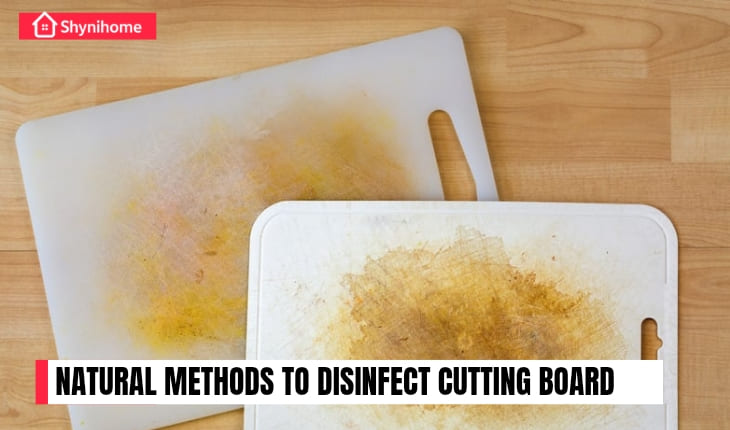
Cleaning your cutting board before sanitizing is important. It helps remove food particles and dirt.
This makes vinegar work better to kill germs and keep your board safe for cooking.
Removing Debris
Start by scraping off any food pieces on the board. Use a spatula or scraper for this.
Then wash the board with warm water and mild soap to clean the surface well.
- Use a plastic or wooden scraper
- Rinse with warm water
- Apply mild dish soap
- Scrub gently with a sponge
- Rinse soap away completely
Checking For Deep Cuts
Look closely at your cutting board for deep cracks or cuts. These can hide bacteria.
If you find deep cuts, consider replacing the board or sanding it smooth before use.
- Examine the surface under good light
- Run your fingers over the board to feel cuts
- Note areas with deep grooves
- Replace or repair if cuts are too deep
Credit: shynihome.com
Vinegar Application Techniques
Vinegar is a natural cleaner that kills bacteria on cutting boards. Using it properly helps keep your kitchen safe.
This guide explains two easy ways to apply vinegar: spray and soak methods. Both are simple and effective.
Spray Method
The spray method uses vinegar in a spray bottle for quick cleaning. It is good for routine sanitizing.
- Fill a spray bottle with white vinegar.
- Spray the entire surface of the cutting board.
- Let it sit for 5 to 10 minutes to kill germs.
- Rinse the board with water after waiting.
- Dry the board with a clean towel or air dry.
Soak Method
The soak method is best for deep cleaning. It uses vinegar to soak the cutting board for longer protection.
| Step | Action |
|---|---|
| 1 | Fill a clean basin or sink with enough white vinegar to cover the board. |
| 2 | Place the cutting board in the vinegar, fully submerged. |
| 3 | Let the board soak for 10 to 20 minutes. |
| 4 | Remove the board and rinse with water. |
| 5 | Dry the board completely before storing or using again. |
Enhancing Vinegar’s Effectiveness
Vinegar is a natural cleaner that kills many germs on cutting boards. It helps remove odors and stains too. You can make vinegar work better with simple additions.
Adding other natural ingredients can boost its cleaning power. These additions make cutting boards safer and fresher after use.
Adding Baking Soda
Baking soda is a mild abrasive that scrubs away dirt. It also helps neutralize smells on cutting boards.
Sprinkle baking soda on the board, then spray vinegar over it. Let it fizz and sit for a few minutes. After that, scrub and rinse well with water.
- Baking soda lifts stains and grime
- Combining it with vinegar creates a fizzing action
- Fizzing loosens stuck-on food and bacteria
- This mix also reduces strong odors
Combining With Lemon Juice
Lemon juice adds natural acid and a fresh scent to vinegar cleaning. Its acidity helps break down tough residues on cutting boards.
Mix lemon juice with vinegar and apply to the board. Let it sit for a few minutes before wiping or rinsing. This combo brightens and disinfects surfaces well.
- Lemon juice boosts vinegar’s acidity
- It removes stains and lightens wood
- The scent leaves boards smelling fresh
- Natural and safe for food prep areas
Drying And Storing The Board
After cleaning your cutting board with vinegar, drying it properly is important. Drying stops bacteria from growing. Storing the board well keeps it clean and safe for your next use.
Both drying and storing help keep your cutting board in good shape. This prevents cracks and warping over time.
Air Drying
Air drying is the best way to dry your cutting board after cleaning. Do not use a towel because it can carry germs or cause moisture to stay.
Place the board in a vertical position or on a drying rack. This allows air to reach all sides and helps water drip off.
- Stand the board upright to dry both sides.
- Use a clean drying rack if available.
- Keep the board in a well-ventilated area.
- Avoid stacking boards while drying.
Proper Storage Tips
Store your cutting board in a dry place after it is completely dry. Moist areas can cause mold or bacteria to grow on the board.
Keep the board away from heat sources and direct sunlight. This prevents damage like cracking or warping.
- Store the board standing up or on a shelf with airflow.
- Do not stack heavy items on the board.
- Keep it in a clean, dry cabinet or drawer.
- Use separate boards for raw meat and vegetables to avoid cross-contamination.
Frequency Of Sanitizing
Sanitizing cutting boards keeps your kitchen safe from germs. Vinegar is a natural way to clean and kill bacteria.
How often you sanitize depends on how often you use the board and what you cut on it.
Daily Use Boards
If you use your cutting board every day, sanitize it daily. This stops bacteria from growing and spreading.
After cleaning with soap and water, spray vinegar on the board. Let it sit for a few minutes, then rinse with water.
- Sanitize after each use with raw meat, fish, or poultry
- Sanitize at least once daily if used for fruits and vegetables
- Use white distilled vinegar for best results
Occasional Use Boards
Boards used less often need less frequent sanitizing. Clean them well after each use.
Sanitize with vinegar before storing the board. This helps keep it fresh and germ-free.
- Sanitize after cutting raw meat or fish
- Sanitize before storing if board is unused for days
- Keep the board dry to avoid bacteria growth
Credit: www.realhomes.com
Addressing Common Concerns
Using vinegar to sanitize cutting boards is popular for its natural cleaning power. People often worry about side effects and safety.
This guide looks at two main concerns: odor and the effect on board material. Clear answers help you use vinegar safely.
Odor Issues
Vinegar has a strong smell that some find unpleasant. The good news is this odor does not last long.
- After cleaning, rinse the board with water.
- Air the board outside or near a window.
- Dry the board completely before storing.
- Use lemon juice after vinegar to freshen the scent.
These simple steps help remove vinegar smell quickly and keep your kitchen fresh.
Effect On Board Material
People worry that vinegar might damage wood or plastic boards. Vinegar is acidic but gentle enough for most boards.
| Board Material | Effect of Vinegar | Care Tips |
|---|---|---|
| Wood | May dry out if used too often | Oil regularly to keep it smooth |
| Plastic | No harm, safe to use often | Rinse well after cleaning |
| Bamboo | Can dry if vinegar is left too long | Wipe off vinegar quickly |
Use vinegar in moderation and follow care tips. This keeps your cutting boards clean and lasting longer.
Frequently Asked Questions
How Does Vinegar Sanitize Cutting Boards Effectively?
Vinegar contains acetic acid, which kills bacteria and germs on cutting boards. It’s a natural, non-toxic cleaner that breaks down harmful microbes. Regular vinegar use helps maintain hygiene and prevents cross-contamination. It’s safe for most cutting board materials, including wood and plastic.
Can Vinegar Remove Odors From Cutting Boards?
Yes, vinegar neutralizes odors by breaking down odor-causing compounds. Simply wipe the board with vinegar and rinse with water. This method refreshes your cutting board without harsh chemicals. It’s an eco-friendly way to keep boards smelling clean and fresh.
How Often Should I Sanitize Cutting Boards With Vinegar?
Sanitize cutting boards with vinegar after each use, especially when cutting raw meat or vegetables. Frequent cleaning prevents bacteria buildup and reduces contamination risk. For best results, clean immediately after food prep and dry thoroughly to avoid moisture damage.
Is Vinegar Safe For Wooden Cutting Boards?
Yes, vinegar is safe for wooden cutting boards when used properly. Avoid soaking wood in vinegar to prevent warping. Instead, wipe the surface with vinegar and rinse quickly. This disinfects without damaging the wood’s natural finish.
Conclusion
Sanitizing cutting boards with vinegar is quick and safe. Vinegar kills many germs and keeps your kitchen clean. Use it regularly to stop bacteria from growing. It works well on wood and plastic boards alike. Plus, vinegar is easy to find and affordable.
Keep your food preparation healthy with this simple step. Clean boards mean safer meals for your family. Try this natural method and enjoy peace of mind.