
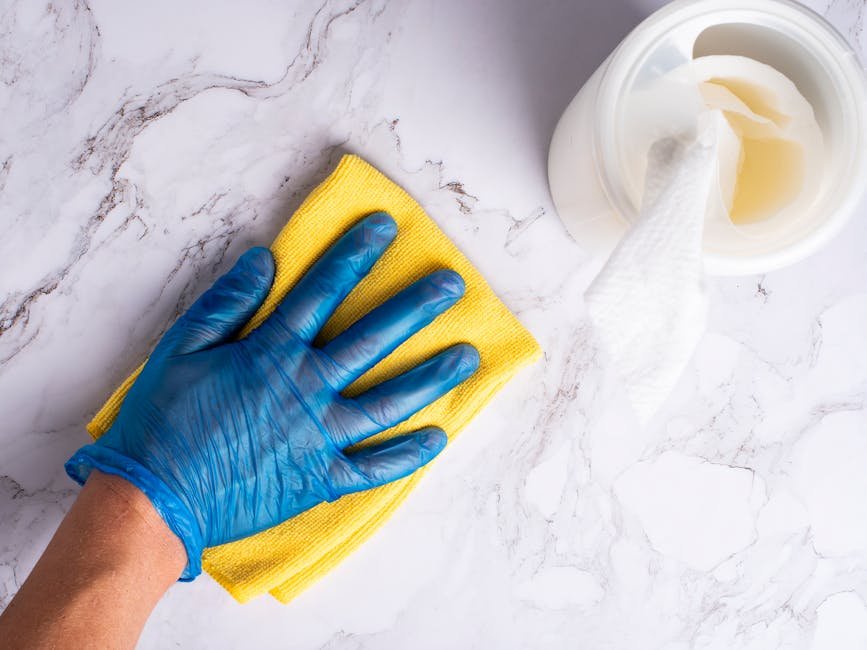
Your kitchen countertop is one of the busiest spots in your home. Every meal you prepare, every snack you make, touches this surface.
But how often do you stop to think about what’s really lurking there? Germs, bacteria, and food residue can build up quickly, putting your health at risk. Learning how to disinfect your kitchen countertops properly is a simple step that can protect you and your loved ones.
Keep reading to discover easy, effective ways to keep your kitchen clean and safe—because your health deserves nothing less.
Choosing The Right Disinfectant
Keeping kitchen countertops clean is important for health. Choosing the right disinfectant helps remove germs safely.
There are many disinfectant types. Some are natural, and others use chemicals. Knowing which one to use matters.
Natural Vs. Chemical Options
Natural disinfectants use ingredients from plants or minerals. Chemical disinfectants have synthetic compounds.
- Natural options:vinegar, baking soda, lemon juice
- Chemical options:bleach, ammonia, quaternary ammonium compounds
- Natural disinfectants are safer for kids and pets
- Chemical disinfectants work faster and kill more germs
- Some chemicals may damage surfaces or cause allergies
Understanding Product Labels
Reading disinfectant labels helps you choose safe and effective products. Look for key information.
| Label Section | What It Means |
| Active ingredients | The chemicals that kill germs |
| EPA registration number | Product approved by the Environmental Protection Agency |
| Contact time | How long to keep the surface wet for full disinfection |
| Safety warnings | Precautions to protect your health and surfaces |
Pre-cleaning The Surface
Cleaning kitchen countertops before disinfecting helps remove dirt and germs. It makes the disinfectant work better.
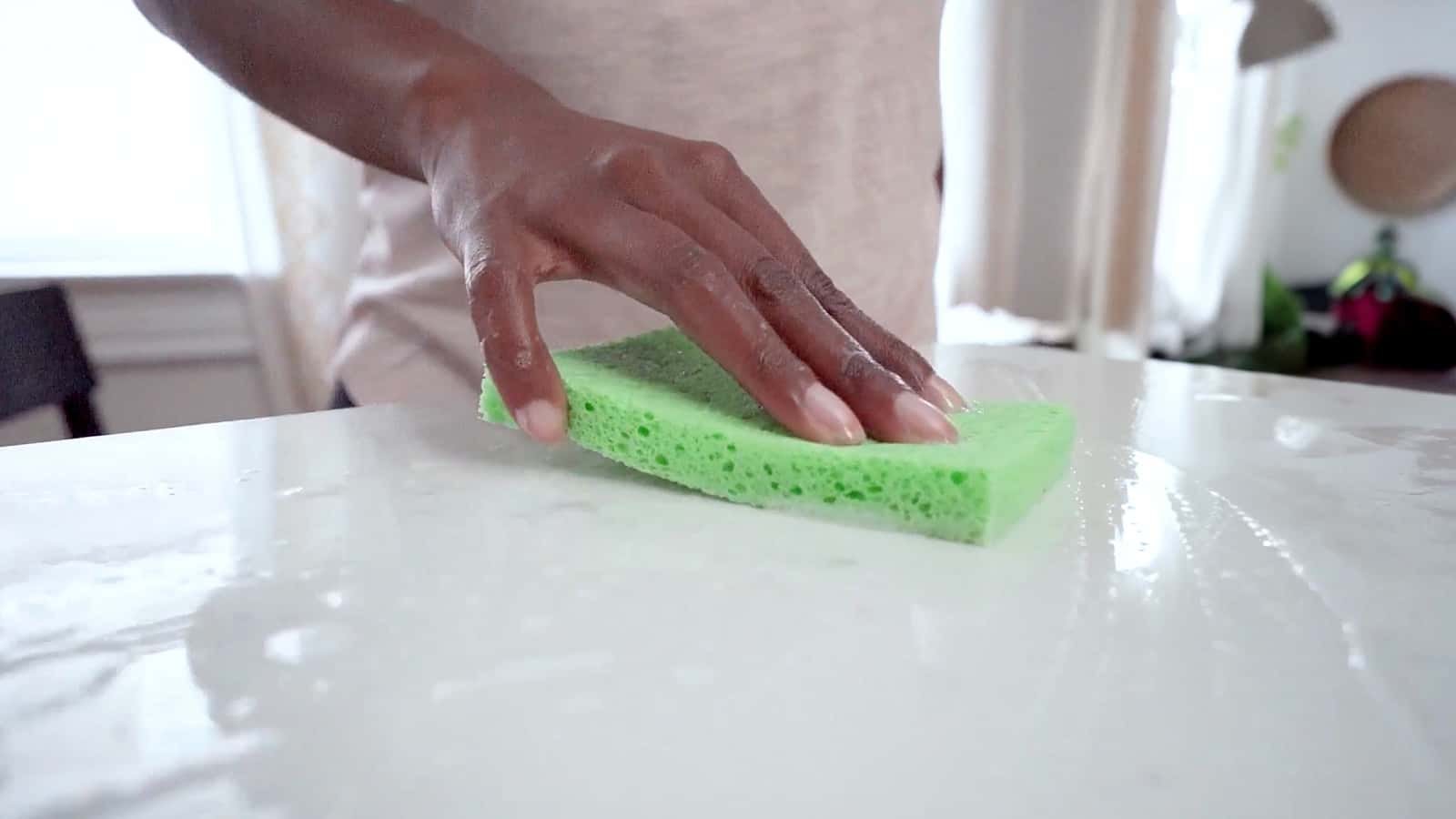
Start by clearing the surface. Then, clean it with soap and water. This prepares the countertop for disinfection.
Removing Debris And Crumbs
Use a soft brush or cloth to remove crumbs and debris. This stops dirt from spreading when you wipe the surface.
Clear all food particles and loose dirt. Clean surfaces help the disinfectant reach all areas.
Wiping With Soap And Water
Mix warm water with mild soap. Use a clean cloth to wipe the countertop well.
Soap removes grease and grime that can block disinfectants. Make sure to cover the entire surface.
Applying The Disinfectant
Disinfecting kitchen countertops is important to keep your space safe. Applying the disinfectant correctly helps kill germs and bacteria.
Use the right methods to spray and cover the surface. This ensures the disinfectant works well.
Proper Spraying Technique
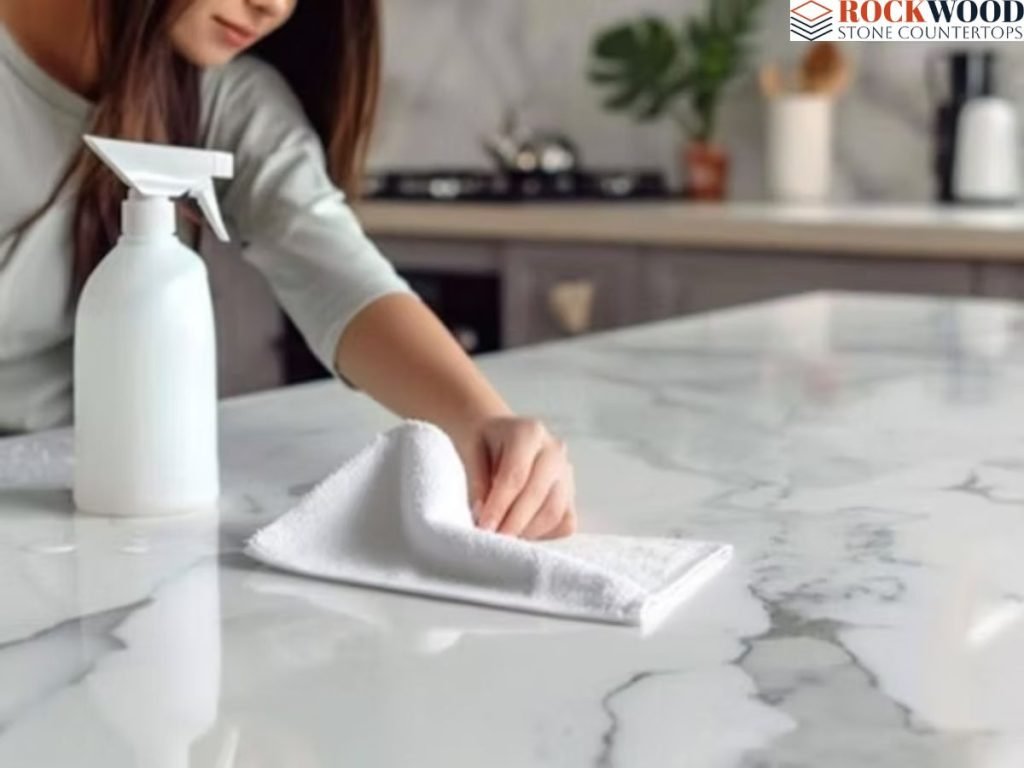
Hold the spray bottle about 6 to 8 inches from the countertop. Spray in a steady, even motion across the surface.
- Spray small sections at a time for better control
- Use short bursts to avoid soaking the countertop
- Keep the nozzle clean to prevent clogging
- Spray the edges and corners thoroughly
Ensuring Even Coverage
Even coverage helps the disinfectant work on all parts of the countertop. Missed spots can let germs survive.
| Tip | Details |
| Check for missed spots | Look under bright light after spraying |
| Use a clean cloth | Wipe gently if needed to spread disinfectant |
| Follow contact time | Let disinfectant sit as directed before wiping |
Credit: www.pinesol.com
Allowing Adequate Contact Time
Disinfecting kitchen countertops needs more than just spraying cleaner. The disinfectant must stay wet on the surface for some time. This time helps kill germs and bacteria effectively.
Without enough contact time, the disinfectant may not work well. It is important to know how long to leave the product on the surface for best results.
Manufacturer’s Recommendations
Read the instructions on the disinfectant label carefully. Each product has a specific contact time needed to work properly. This time can be from 30 seconds to 10 minutes.
Following these instructions helps ensure the disinfectant kills the germs on your countertop. Do not wipe the surface too soon after applying the product.
- Check the product label for contact time
- Apply enough disinfectant to keep the surface wet
- Do not dry or wipe before the recommended time
- Use proper gloves if instructed by the manufacturer
Importance Of Patience
Waiting can feel slow, but it is important to let disinfectants work. Rushing may leave germs alive on your countertop. This can cause illness or contamination.
Be patient and follow the contact time fully. This simple step improves kitchen hygiene and keeps your family safe.
Rinsing And Drying The Surface
Cleaning kitchen countertops well means rinsing and drying them properly. This step helps remove leftover dirt and cleaning solutions.
Proper rinsing and drying keep your counters safe and ready for food preparation.
Using A Clean Cloth
Use a clean cloth to rinse the countertop surface. This stops germs from spreading back on the counter.
A soft cloth works best. Avoid rough materials that can scratch the surface.
- Wet the cloth with clean water before wiping
- Rinse the cloth often to keep it clean
- Wipe the entire surface thoroughly
Avoiding Water Marks
Dry the countertop right after rinsing. Water marks can leave spots and stains on some surfaces.
Use a dry, soft towel or microfiber cloth to dry. This helps keep your countertops shiny and clean.
- Pat the surface dry, do not rub hard
- Dry corners and edges well to prevent water buildup
- Change towels if they get too wet during drying

Credit: www.relaystone.com
Maintaining A Germ-free Kitchen
Keeping your kitchen countertops clean helps stop germs from spreading. It makes your kitchen safer for cooking and eating.
Regular cleaning and quick spot cleaning are key to a healthy kitchen space.
Regular Cleaning Schedule
Clean your countertops every day to remove dirt and germs. Use warm water and soap first. Then, apply a disinfectant safe for your surface.
- Clear the countertops of any food or items.
- Wash with soap and warm water using a clean cloth.
- Spray a disinfectant and let it sit for a few minutes.
- Wipe down with a clean, dry cloth.
- Repeat daily, especially after meal prep.
Spot Cleaning Tips
Sometimes spills or messes happen between cleanings. Act fast to stop germs from growing.
| Type of Spill | Cleaning Method | Disinfectant Recommended |
|---|---|---|
| Raw meat juices | Use paper towels to blot, then wash with soap and water. | Bleach solution or kitchen disinfectant spray |
| Fruit juice | Wipe with damp cloth, then disinfect. | Multi-surface disinfectant |
| Grease spots | Use warm soapy water to remove, then disinfect. | Degreasing cleaner with disinfectant |
Credit: www.rockwoodstone.com
Frequently Asked Questions
How Often Should I Disinfect Kitchen Countertops?
Disinfect kitchen countertops daily or after handling raw food. Regular cleaning prevents bacteria buildup and foodborne illnesses. Use a suitable disinfectant for best results.
What Is The Best Disinfectant For Kitchen Countertops?
Use a bleach solution, alcohol-based spray, or commercial kitchen disinfectant. Ensure it is safe for your countertop material. Follow the product instructions for effective disinfection.
Can I Use Vinegar To Disinfect Countertops?
Vinegar can clean but is not a strong disinfectant. It removes dirt and some bacteria but doesn’t kill all germs. Use stronger disinfectants for thorough cleaning.
How Do I Disinfect Granite Kitchen Countertops Safely?
Use a pH-neutral cleaner or a mixture of mild dish soap and water. Avoid acidic or abrasive cleaners to prevent damage to granite surfaces.
Conclusion
Keeping kitchen countertops clean stops germs from spreading. Use safe disinfectants and follow steps carefully. Clean spills right away to avoid stains and bacteria. Regular wiping keeps your kitchen fresh and healthy. Simple habits make a big difference in home safety.
A clean kitchen feels good and protects your family. Start today with easy cleaning to keep germs away. Small efforts lead to a safer cooking space every day.