
Have you ever thought about what happens to the food containers you toss away every day? If you care about the planet and want to make a real difference, choosing compostable food containers could be one of the smartest moves you make.
These containers don’t just hold your meals—they help reduce waste, protect the environment, and even boost your brand’s image if you run a business. Keep reading to discover how making this simple switch can benefit you, your community, and the world around you in ways you might not expect.
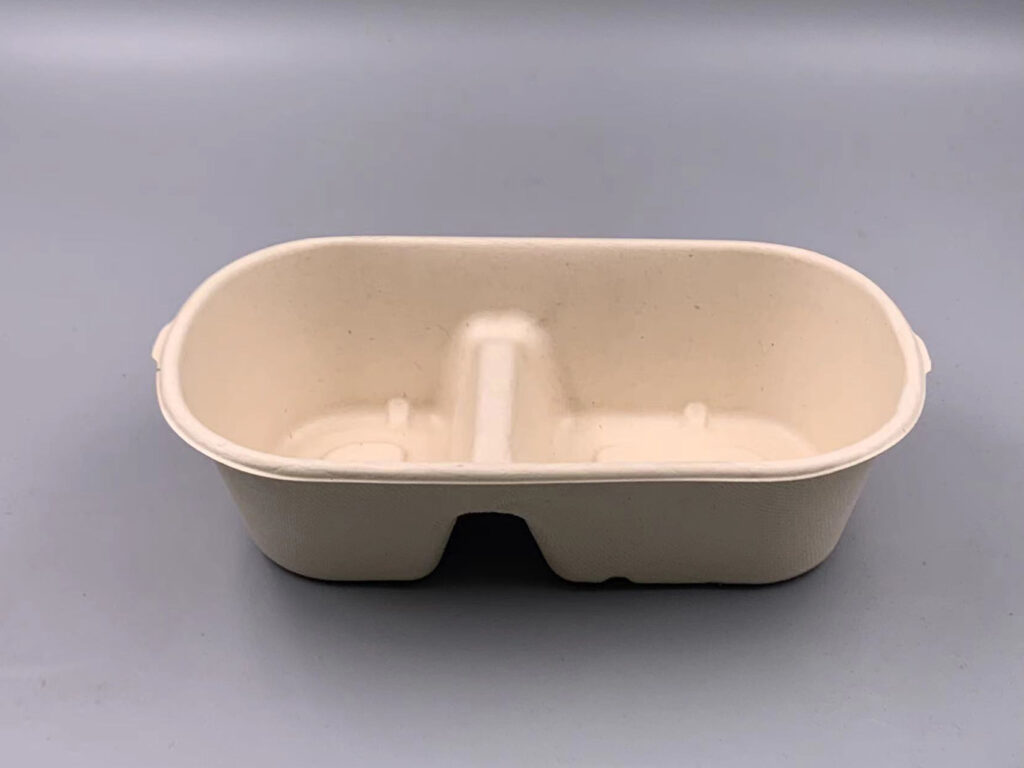
Credit: www.china-keyi.com
Eco-friendly Materials
Compostable food containers use materials that break down naturally. They help reduce waste in landfills.
These containers come from plants or other natural sources. They do not leave harmful residues.
Types Of Compostable Containers
There are many kinds of compostable containers made from different materials. Each type has unique features and uses.
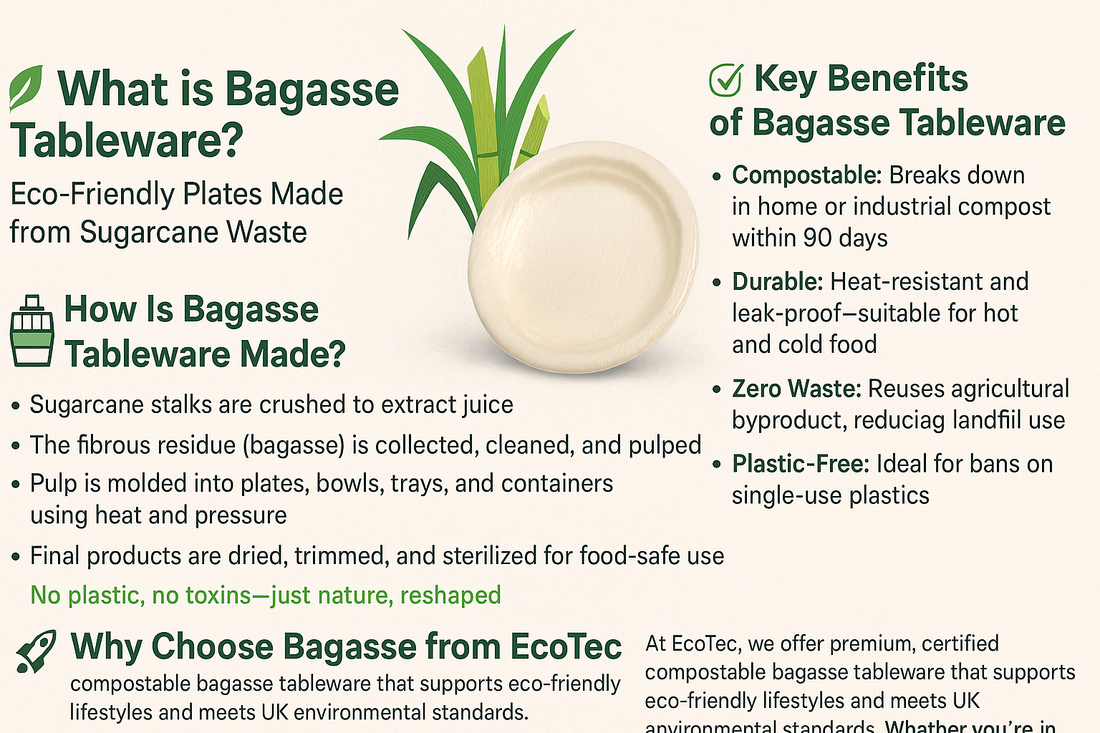
- Bagasse:Made from sugarcane fiber, strong and heat resistant.
- PLA (Polylactic Acid):Made from corn starch, clear and sturdy.
- Bamboo:Fast-growing plant, durable and lightweight.
- Paperboard:Made from recycled paper, good for dry foods.
- Palm Leaf:Made from fallen palm leaves, natural and smooth.
Sourcing Sustainable Ingredients
Sustainable ingredients come from farms that protect the environment. They use less water and avoid harmful chemicals.
| Ingredient | Source | Benefit |
| Sugarcane Bagasse | Sugarcane Farms | Uses crop waste, reduces landfill waste |
| Corn Starch | Organic Corn Fields | Renewable, biodegradable |
| Bamboo | Fast-growing Bamboo Forests | Regrows quickly, no pesticides |
| Recycled Paper | Recovered Paper Products | Reduces tree cutting, saves energy |
| Palm Leaves | Fallen Palm Leaves | Utilizes natural drop, no trees cut |

Credit: www.bioleaderpack.com
Environmental Impact
Compostable food containers help protect the environment. They break down naturally and do not harm the earth.
Using these containers can reduce pollution and save resources. They offer a cleaner alternative to plastic.
Reducing Plastic Waste
Plastic waste causes many problems. It fills landfills and pollutes oceans. Compostable containers avoid these issues.
- They break down in compost, unlike plastic.
- They reduce the amount of trash sent to landfills.
- They help keep oceans free from plastic pollution.
- They lower the demand for single-use plastics.
Lowering Carbon Footprint
Compostable containers lower greenhouse gas emissions. They use less energy to make than plastic.
| Material | Carbon Emissions (kg CO₂ per kg) |
| Plastic | 6.0 |
| Compostable Bioplastic | 2.5 |
| Paper-based Compostable | 1.8 |
Cost Advantages
Compostable food containers offer many cost benefits for businesses. Using them can help save money in the long run.
These containers reduce waste disposal costs and improve your brand’s value by showing care for the environment.
Long-term Savings
Compostable containers break down naturally, lowering landfill fees over time. This means less money spent on waste management.
Using these containers also reduces the risk of fines linked to plastic waste rules. This protects your business from extra costs.
Bulk Buying Benefits
Buying compostable containers in large amounts cuts the price per unit. This saves money with every purchase.
Bulk buying also ensures you have enough stock, avoiding urgent orders that cost more. It helps keep your costs steady.
- Lower price per container
- Reduced shipping costs
- Consistent supply avoids rush fees
- Better budget planning
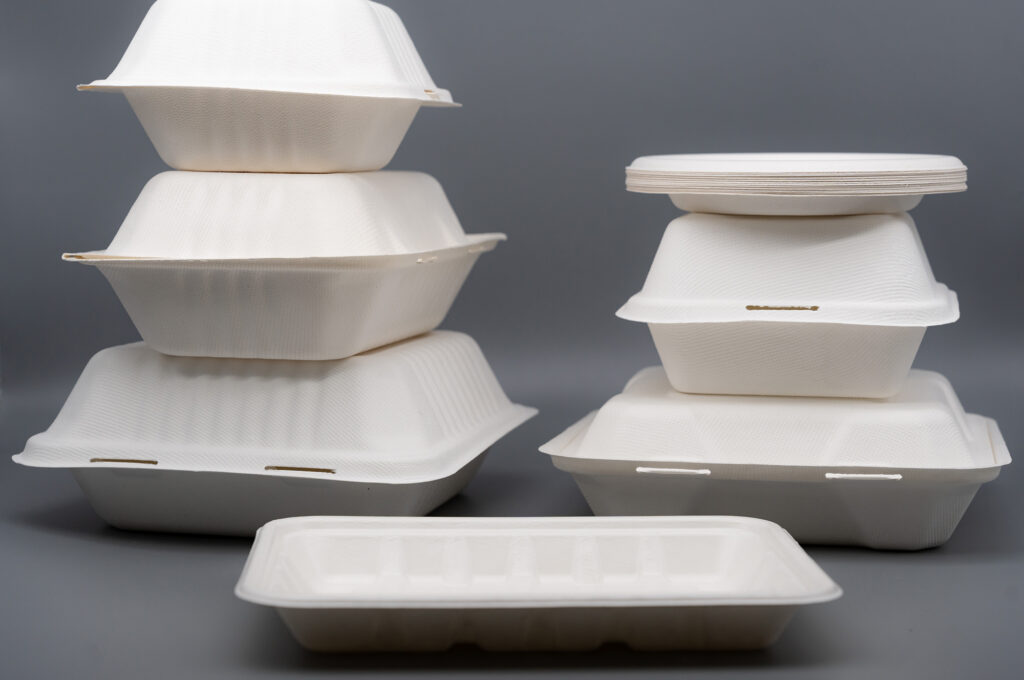
Credit: www.china-keyi.com
Composting Process
Composting turns organic waste into rich soil. Compostable food containers break down naturally. They help reduce landfill waste and nourish plants.
The process needs air, moisture, and microbes. These elements work together to decompose materials. Understanding composting helps you use compostable containers correctly.
Home Composting Tips
You can compost food containers at home if they are certified compostable. Keep your compost bin balanced with green and brown materials. Chop containers into smaller pieces to speed up breakdown.
- Use a well-aerated compost bin
- Maintain moisture like a damp sponge
- Turn the pile weekly to add air
- Avoid composting containers with plastic lining
- Keep compost away from pests
Commercial Composting Options
Some compostable containers need industrial composting. These facilities provide higher heat and controlled conditions. Commercial composting turns containers into nutrient-rich compost faster.
| Facility Type | Temperature | Time to Compost | Suitable for |
| Home Composting | 20-40°C (68-104°F) | 3-6 months | Simple compostable items |
| Commercial Composting | 55-70°C (131-158°F) | 2-4 weeks | Certified compostable containers with additives |
Business Benefits
Using compostable food containers brings many benefits to businesses. It helps companies reduce waste and support the environment.
Choosing these containers can also improve how customers see a brand and meet their growing needs for eco-friendly options.
Enhancing Brand Image
Businesses that use compostable containers show they care about the planet. This builds trust and attracts customers who value green choices.
- Shows commitment to sustainability
- Improves public perception
- Sets the business apart from competitors
- Supports local and global environmental efforts
- Encourages positive word-of-mouth
Meeting Customer Demand
More customers want eco-friendly products. Compostable containers meet this demand and keep customers satisfied.
| Customer Expectation | How Compostable Containers Help |
| Reduce plastic waste | Break down naturally without harming the environment |
| Support green brands | Show clear environmental responsibility |
| Use safe materials | Made from natural, non-toxic sources |
| Easy disposal | Can be composted with food scraps |
Challenges And Solutions
Compostable food containers help reduce plastic waste. They break down naturally in the right conditions. Still, there are challenges in using them widely.
People face problems like confusion about disposal and doubts about their benefits. This guide explains common misconceptions and proper disposal practices.
Common Misconceptions
Some people think compostable containers are the same as biodegradable ones. They are different. Compostable means the container breaks down quickly in compost facilities.
Others believe these containers can break down in a regular trash bin. This is not true. They need special conditions to compost properly.
- Compostable containers need industrial composting, not home compost.
- They do not break down well in landfills.
- Compostable does not mean edible or safe to eat.
- Some containers look like plastic but are compostable.
Proper Disposal Practices
To get the full benefit, compostable food containers must go to the right place. Throwing them in the trash stops composting and adds to landfill waste.
Many cities have composting programs or drop-off points. Check local rules before disposal. If no program exists, try to reduce single-use containers.
- Rinse containers to remove food residue.
- Place them in designated compost bins only.
- Avoid mixing compostable containers with plastics.
- Support local composting initiatives.
Frequently Asked Questions
What Are Compostable Food Containers?
Compostable food containers are made from natural materials that break down into non-toxic components. They decompose in composting environments, reducing waste and environmental impact. These containers are an eco-friendly alternative to traditional plastic and help promote sustainable living by returning nutrients to the soil.
How Do Compostable Containers Benefit The Environment?
Compostable containers reduce landfill waste and carbon footprint. They decompose naturally, returning nutrients to the soil, enhancing its quality. Unlike plastic, they don’t release harmful toxins. By using them, we support a circular economy, helping conserve resources and promoting a healthier environment.
Can Compostable Containers Hold Hot Food?
Yes, compostable containers can hold hot food. They are designed to be durable and heat-resistant. Made from materials like sugarcane, they maintain their integrity with hot contents. However, it’s essential to check the manufacturer’s guidelines for specific temperature limits and usage instructions.
Are Compostable Containers Safe For Food Storage?
Compostable containers are safe for food storage. They’re free from harmful chemicals and toxins. Made from natural materials, they provide a healthy alternative for storing food. However, they are best suited for short-term storage as they are designed to break down over time.
Conclusion
Compostable food containers help reduce waste and protect nature. They break down quickly, returning nutrients to the soil. Using them lowers pollution and saves energy. These containers support a cleaner environment for everyone. Choosing compostable options helps fight plastic waste daily.
Small changes like this make a big difference. Better for the planet, better for our future. Simple steps lead to lasting, positive impact.