
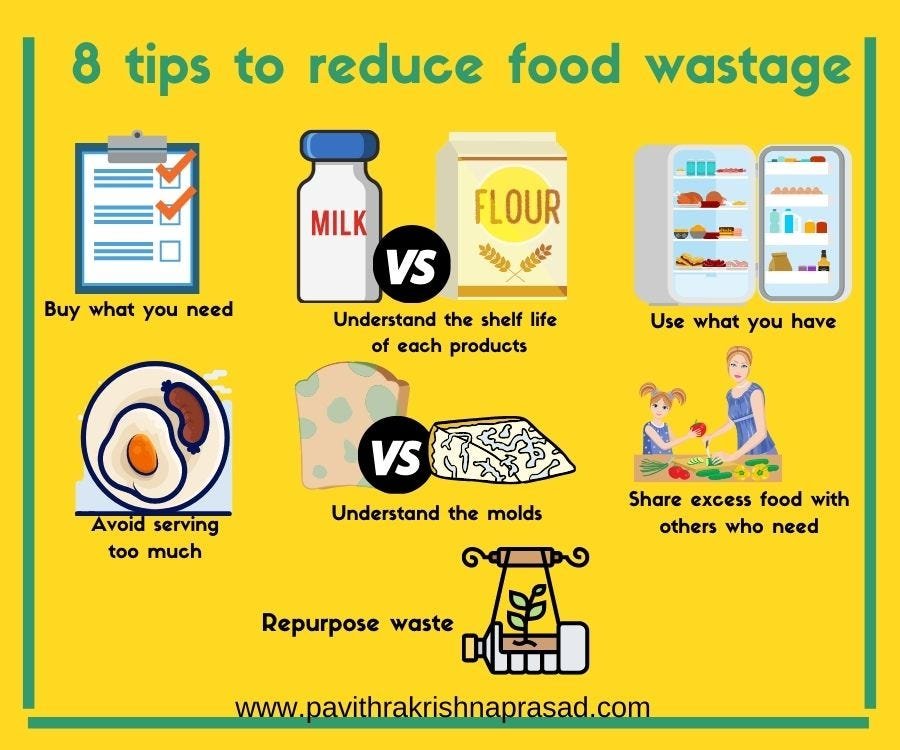
Are you tired of throwing away food and seeing your trash pile up faster than you’d like? Reducing kitchen waste isn’t just good for the planet—it can save you money and make your cooking space more organized.
Imagine cutting down on scraps, leftovers, and packaging without extra effort. You’ll discover simple and effective tips that fit right into your daily routine. Keep reading to transform your kitchen habits and start making a real difference today.
Credit: galainthekitchen.com
Cut Food Waste
Reducing kitchen waste helps save money and protects the environment. One simple way is to cut food waste by planning and using food wisely.
Small changes in how you shop, store, and cook can make a big difference. Try these tips to waste less food in your kitchen.
Plan Meals Ahead
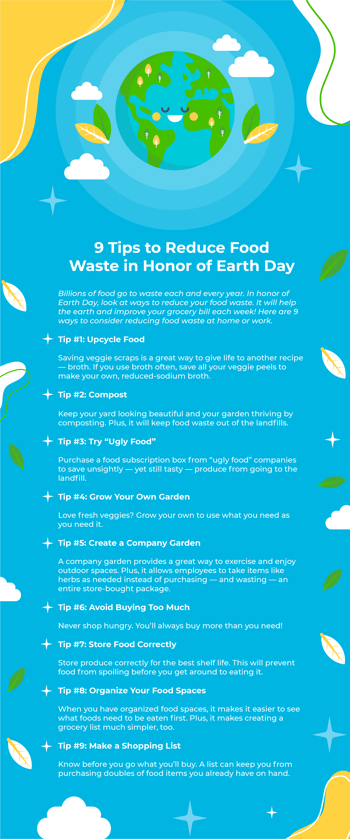
Make a meal plan for the week before you shop. This helps buy only what you need and avoids extra food that might spoil.
Check your fridge and pantry first. Use what you already have to save money and reduce waste.
- Write down meals for each day
- Create a shopping list based on your plan
- Buy fresh food in small amounts
- Avoid impulse buying
Store Food Properly
Keep food fresh longer by storing it the right way. Use containers that seal well and keep food cool or dry as needed.
Label leftovers with dates so you know when to eat them. This helps reduce throwing away spoiled food.
- Use airtight containers for cooked food
- Keep fruits and vegetables in the right fridge drawer
- Freeze food you won’t eat soon
- Store bread in a cool, dry place or freeze it
Use Leftovers Creatively
Don’t throw away leftovers. Turn them into new meals like soups, salads, or sandwiches. This saves food and time.
Keep small portions in clear containers so you remember to eat them. Mix different leftovers to create tasty dishes.
- Make vegetable soup from scraps
- Use stale bread for breadcrumbs or croutons
- Mix cooked rice or pasta with veggies and sauce
- Add leftover meat to salads or wraps
Smart Shopping Habits
Reducing kitchen waste starts with smart shopping. Buying the right amount and type of food helps you save money and cut waste.
Simple changes in your shopping habits make a big difference. You can reduce waste by thinking ahead and choosing wisely.
Buy Only What You Need
Plan your meals before shopping. Make a list and stick to it. Avoid buying extra food that may spoil.
Check what you already have at home. Use leftovers to create new meals. This helps cut down on wasted food.
Choose Loose Produce
Buy fruits and vegetables without packaging. This way you take only what you need. Loose produce also reduces plastic waste.
Inspect each item for freshness. Pick the best quality to avoid spoilage. Loose produce lets you control your portions better.
Avoid Single-use Packaging
Choose products with minimal or no packaging. Bring your own bags and containers to the store. This reduces trash in your kitchen.
Look for bulk bins or refill stations. These options help you buy only what you need and avoid wasteful packaging.
Composting Basics
Composting helps reduce kitchen waste by turning food scraps into soil. It is an easy way to help the environment.
By composting, you keep waste out of landfills and create rich soil for plants. Let’s learn how to start composting at home.
Start A Kitchen Compost Bin
Choose a small bin with a lid to keep in your kitchen. This bin collects food scraps for composting.
Empty the bin into your outdoor compost pile or community compost site regularly. Clean the bin to avoid smells.
- Use a container with a tight lid
- Place the bin near your food prep area
- Line it with newspaper or compostable bags
- Empty it often to prevent odor
Compostable Vs Non-compostable Items
Not all kitchen waste can be composted. Knowing what to add keeps your compost healthy and clean.
- Compostable:fruit and vegetable scraps, coffee grounds, eggshells, tea bags, shredded paper
- Non-Compostable:meat, dairy, oily foods, plastics, glass, metals
Avoid adding non-compostable items. They can attract pests and harm the compost process.
Benefits Of Composting
Composting reduces trash and helps the soil. It saves space in landfills and lowers greenhouse gases.
- Reduces kitchen waste going to landfill
- Improves soil with natural nutrients
- Helps plants grow better
- Reduces harmful greenhouse gas emissions
.png?impolicy=infographic)
Credit: www.angi.com
Repurpose Kitchen Scraps
Reducing kitchen waste saves money and helps the planet. You can reuse many scraps from cooking.
Try simple ways to turn scraps into useful items instead of throwing them away.
Make Vegetable Broth
Collect peels, stems, and ends of vegetables. Save them in a bag in the freezer. When full, boil them with water and salt to make broth.
- Use onion skins, carrot peels, and celery ends
- Add garlic and herbs for flavor
- Simmer for 30-60 minutes
- Strain and store broth in the fridge or freezer
Create Natural Cleaners
Citrus peels and vinegar make strong, natural cleaners. They reduce the need for chemicals in your home.
| Ingredient | Use |
| Lemon peels | Remove stains and grease |
| Orange peels | Freshen air and surfaces |
| Vinegar | Disinfect and clean glass |
| Water | Dilute and rinse |
Grow Plants From Scraps
Many vegetable scraps can grow new plants. This saves money and cuts waste.
- Place green onion roots in water until they grow leaves
- Plant lettuce bases in soil to regrow leaves
- Use potato eyes to sprout new potatoes
- Put carrot tops in water to grow greens
Use Sustainable Kitchen Tools
Reducing kitchen waste starts with the tools we use every day. Choosing sustainable kitchen tools helps cut down trash and saves resources.
Simple changes in your kitchen can make a big difference for the environment and your home.
Reusable Storage Options
Reusable storage options reduce plastic waste. They keep food fresh longer and can be used many times.
- Use glass jars for leftovers and dry goods
- Choose silicone lids instead of plastic wrap
- Opt for beeswax wraps to cover bowls and sandwiches
- Store fruits and vegetables in cloth bags
Eco-friendly Cleaning Supplies
Eco-friendly cleaning supplies keep your kitchen clean without harming the planet. They often come in reusable or recyclable packaging.
| Supply Type | Eco Option | Benefit |
| Dish Soap | Biodegradable soap | Breaks down naturally, safe for water |
| Sponges | Natural fiber sponges | Compostable and free of plastics |
| All-Purpose Cleaner | Vinegar and baking soda mix | Non-toxic and cheap |
Durable Cookware Choices
Durable cookware lasts for years and reduces waste from broken pans. Pick materials that are safe and long-lasting.
- Cast iron pans hold heat well and can last a lifetime
- Stainless steel pots resist rust and damage
- Ceramic-coated cookware avoids harmful chemicals
- Choose wooden or bamboo utensils instead of plastic
Credit: info.totalwellnesshealth.com
Frequently Asked Questions
How Can I Start Reducing Kitchen Waste?
Begin by planning meals to avoid overbuying. Use leftovers creatively and compost organic scraps. Opt for reusable containers and bags. Proper storage extends food freshness and reduces spoilage. Regularly check pantry and fridge contents to prevent expired items. Reducing kitchen waste is a continuous, rewarding effort.
What Foods Should I Compost?
Compost fruit and vegetable scraps, coffee grounds, and eggshells. Avoid composting meat, dairy, and oily foods. These items attract pests and create odors. Composting helps turn waste into nutrient-rich soil. Always maintain a balance of green and brown materials in your compost pile.
Can I Reduce Kitchen Waste With Meal Planning?
Yes, meal planning significantly reduces kitchen waste. It helps avoid impulse purchases and ensures you use all ingredients. Plan meals around perishable items first. This strategy prevents spoilage and saves money. Meal planning also encourages healthier eating habits and reduces food waste.
How Do Reusable Products Help Reduce Waste?
Reusable products like bags, containers, and wraps minimize single-use plastic waste. They are durable and environmentally friendly. Investing in quality reusable items reduces landfill contributions. This simple switch significantly impacts your kitchen’s waste footprint and supports sustainable living practices.
Conclusion
Reducing kitchen waste helps save money and protect the planet. Small changes make a big difference every day. Plan meals, store food properly, and use leftovers creatively. Compost scraps instead of throwing them away. Everyone can take simple steps to waste less food.
It’s good for your home and the environment. Start today and enjoy a cleaner, greener kitchen.