
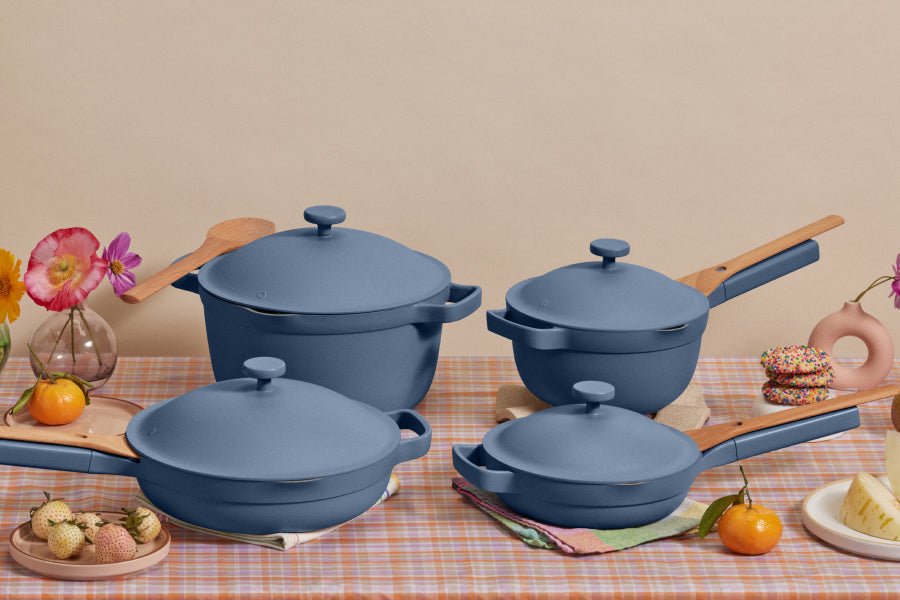
Are your ceramic plates and cookware looking dull or stubbornly stained? You might think cleaning them is tricky, but it doesn’t have to be.
With the right tips, you can restore their shine and keep them looking brand new. Imagine how great it feels to serve meals on spotless, sparkling dishes every time. In this guide, you’ll discover simple and effective ways to clean your ceramic items without causing any damage.
Ready to make your kitchenware shine like never before? Let’s dive in!
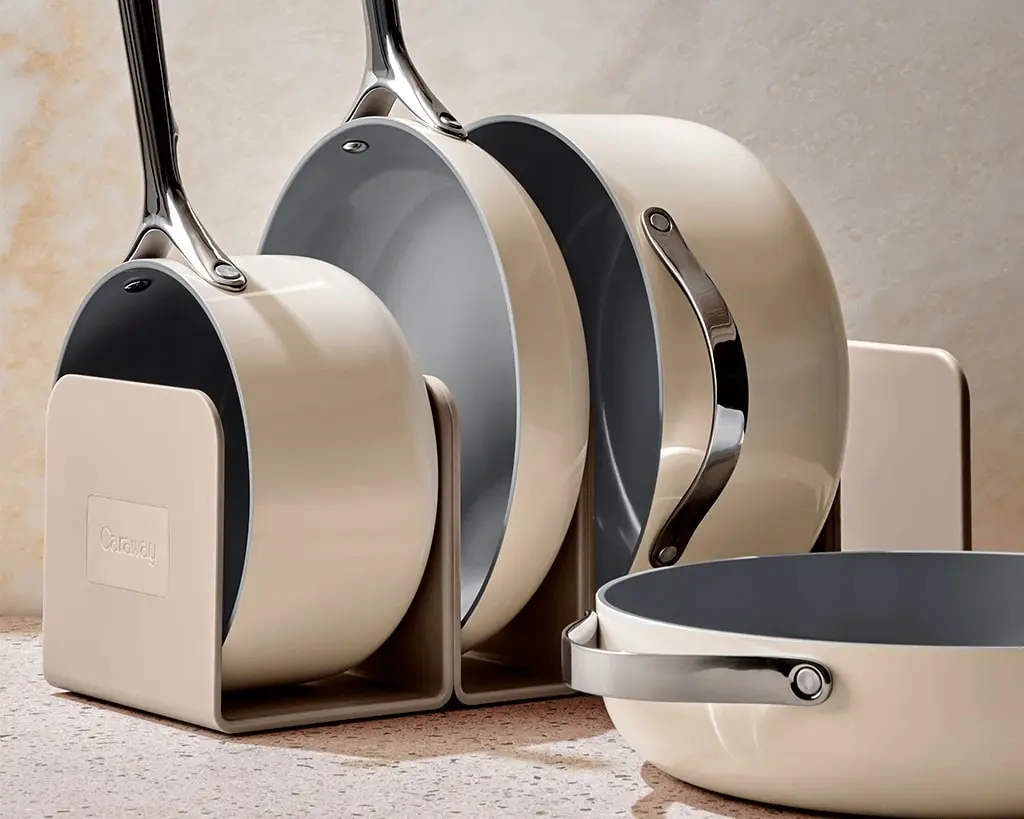
Credit: www.carawayhome.com
Choosing The Right Cleaning Tools
Ceramic plates and cookware need gentle care to stay nice. Picking the right tools helps you clean without damage.
Use tools that remove dirt but do not scratch the ceramic surface. This keeps your items looking new longer.
Soft Sponges And Cloths
Soft sponges and cloths clean ceramic safely. Avoid rough materials that can leave marks.
- Use non-abrasive sponges for daily cleaning
- Microfiber cloths work well for wiping and drying
- Replace sponges often to avoid bacteria build-up
Mild Cleaning Brushes
Brushes with soft bristles help clean hard-to-reach spots. Make sure the bristles are gentle on ceramic.
Do not use metal or stiff-bristle brushes. They can scratch or damage the surface.
Safe Cleaning Agents
Choose cleaning agents that do not harm ceramic glaze. Harsh chemicals can cause dullness or cracks.
| Cleaning Agent | Use On Ceramic | Notes |
| Mild Dish Soap | Yes | Safe and effective for daily use |
| Baking Soda | Yes | Good for gentle scrubbing |
| Bleach | No | Can damage glaze and finish |
| Abrasive Cleaners | No | Scratch and dull the surface |
Pre-cleaning Preparation
Cleaning ceramic plates and cookware starts with good preparation. This makes washing easier and protects your dishes.
Removing food bits and soaking items properly helps keep ceramics safe from damage during cleaning.
Removing Food Residues
Clear away leftover food before washing. Use a soft spatula or paper towel to avoid scratching the ceramic surface.
- Scrape off large food pieces gently.
- Wipe sticky spots with a damp cloth.
- Remove grease with a small amount of dish soap.
Soaking In Warm Water
Soaking helps loosen stuck-on food and stains. Use warm water that is not too hot to avoid cracks.
| Soaking Tips | Details |
| Water Temperature | Warm, around 100°F (38°C) |
| Soak Time | 10 to 20 minutes |
| Cleaning Additive | Small amount of mild dish soap |
| After Soaking | Use soft sponge to wash gently |
Cleaning Ceramic Plates
Ceramic plates are common in many homes. They look nice and last a long time.
Cleaning them well keeps them shiny and free from stains. Use gentle ways to avoid damage.
Using Dish Soap And Sponge
Dish soap helps remove grease and food from ceramic plates. Use a soft sponge to clean them.
Wet the sponge with warm water and add a small amount of dish soap. Gently scrub the plate.
- Use warm water for better cleaning
- Apply gentle pressure while scrubbing
- Rinse the plate with clean water
- Dry with a soft towel to avoid spots
Avoiding Abrasive Materials
Abrasive materials can scratch ceramic plates. Avoid steel wool or rough scrubbers.
Use only soft sponges or cloths. This keeps the plate surface smooth and clean.
- Do not use metal scrubbers
- Avoid hard brushes with stiff bristles
- Never use harsh powders or cleaners
- Choose mild cleaning tools instead
Cleaning Ceramic Cookware
Ceramic cookware is popular for its non-stick surface and even heat. Keeping it clean helps it last longer.
Cleaning ceramic cookware is easy if you follow some simple steps. Avoid harsh chemicals that can damage the surface.
Handling Stubborn Stains
Stubborn stains can form after cooking thick sauces or burnt food. Use gentle scrubbing to protect the ceramic.
Soak the cookware in warm water with a little dish soap. This softens the stains before cleaning.
- Fill the cookware with warm, soapy water
- Let it soak for 15-30 minutes
- Use a soft sponge or cloth to scrub stains
- Rinse with clean water and dry
Baking Soda Paste Method
Baking soda is a gentle cleaner that removes stains without scratching. Make a paste for best results.
Apply the paste on stains and let it sit for 10-15 minutes. Then scrub lightly with a soft sponge.
- Mix baking soda and water to form a thick paste
- Spread the paste over stained areas
- Wait 10-15 minutes for it to work
- Gently scrub with a soft sponge or cloth
- Rinse thoroughly and dry the cookware
Dealing With Tough Stains
Tough stains on ceramic plates and cookware can be hard to remove. These stains often come from burnt food or strong sauces.
Using the right cleaning method helps keep your ceramic items looking clean and new. Some simple solutions work well on tough spots.
Vinegar And Salt Solution
Vinegar and salt make a natural cleaner for ceramic stains. Vinegar breaks down stains, while salt scrubs them away.
Mix equal parts white vinegar and salt into a paste. Apply it to the stained area and let it sit for 10 to 15 minutes.
- Use a soft cloth or sponge to scrub gently
- Rinse with warm water
- Repeat if needed for stubborn stains
Commercial Cleaners
Commercial cleaners made for ceramic cookware can remove tough stains quickly. Choose a cleaner safe for ceramic surfaces.
Follow the instructions on the label. Usually, you apply the cleaner, wait a few minutes, then scrub lightly and rinse.
- Wear gloves to protect your skin
- Test on a small area first
- Avoid abrasive scrubbers that can scratch

Credit: www.aol.com
Maintaining Ceramic Shine
Ceramic plates and cookware look great when they shine. Keeping them clean helps maintain their beauty. Dirt and stains can dull the surface over time.
Cleaning ceramic items carefully will keep their shine and extend their life. Using simple methods can make a big difference.
Polishing With Vinegar
Vinegar is a natural cleaner that helps restore shine. It removes water spots and light stains without harming ceramic surfaces.
To polish, mix equal parts white vinegar and water. Use a soft cloth to apply the solution gently. Wipe in circles and rinse well with water.
- Mix vinegar and water 1:1
- Apply with a soft cloth
- Rub gently in circular motions
- Rinse with clean water
- Dry with a soft towel
Regular Maintenance Tips
Regular care keeps ceramic plates and cookware shiny and strong. Avoid harsh scrubbing and strong chemicals that can damage the surface.
Clean items soon after use to stop stains from setting. Use mild soap and soft sponges for washing. Dry items fully before storing.
- Wash with mild soap and soft sponge
- Rinse thoroughly to remove soap
- Dry completely to prevent water spots
- Avoid metal scrubbers and abrasive pads
- Store in a dry place to avoid moisture
Preventing Damage To Ceramics
Ceramic plates and cookware are delicate and need gentle care. Cleaning them the right way keeps them strong and pretty.
Damages like cracks or chips often happen from sudden changes or wrong storage. Avoid these problems with careful handling.
Avoiding Thermal Shock
Thermal shock happens when hot ceramics meet cold surfaces or water fast. This causes cracks and breaks. Avoid these common mistakes:
- Do not put hot plates directly into cold water.
- Let cookware cool down before washing.
- Avoid sudden heat changes while cooking.
- Do not use ceramics on open flames or stovetops unless labeled safe.
Proper Storage Techniques
Storing ceramics the right way prevents scratches and breaks. Use soft materials and keep pieces separated.
| Storage Tip | Why It Helps |
| Use felt or cloth liners between plates | Prevents scratches and chips |
| Stack plates gently and not too high | Reduces pressure and risk of cracks |
| Store cookware in dry places | Prevents moisture damage and mold |
| Keep ceramics away from heavy items | Avoids accidental impacts |
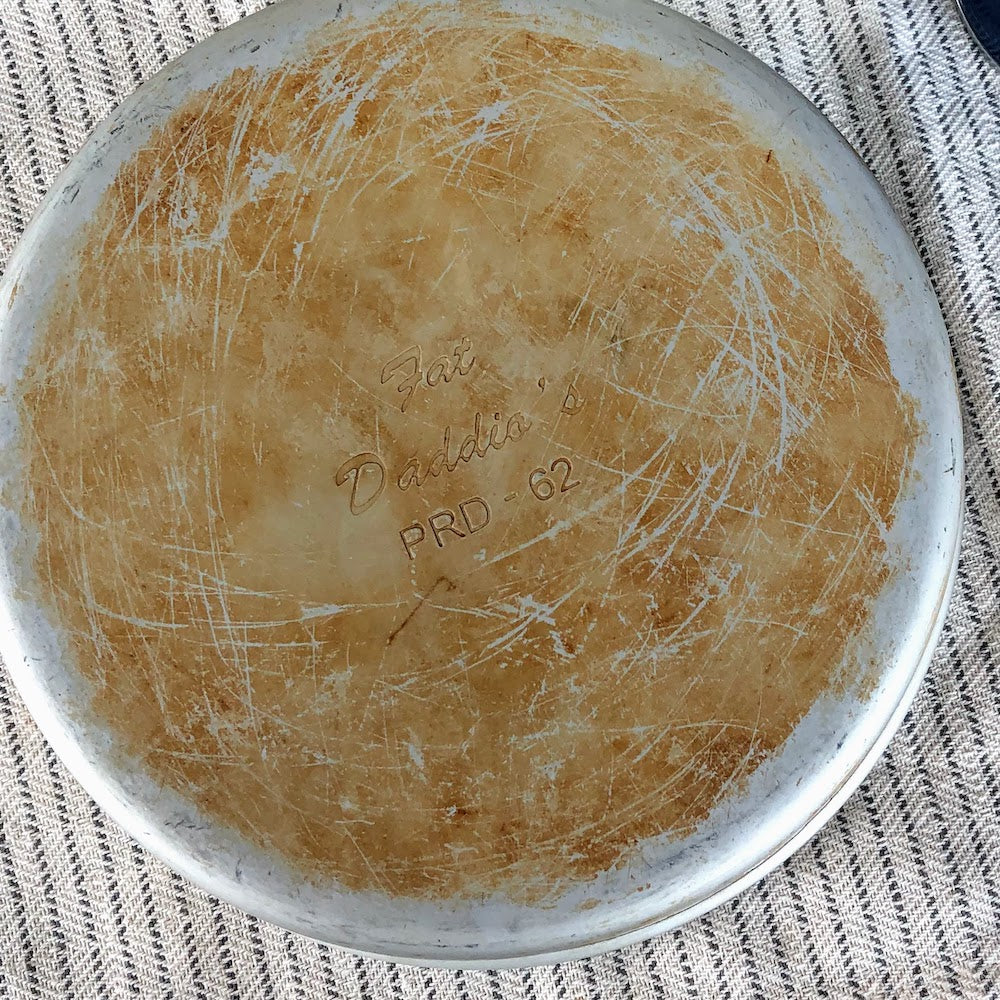
Credit: gygi.com
Frequently Asked Questions
How Do I Clean Ceramic Plates Without Damage?
Use a soft sponge and mild dish soap to clean ceramic plates. Avoid abrasive scrubbers to prevent scratches. Rinse with warm water and dry with a soft cloth for best results.
Can I Use Dishwasher For Ceramic Cookware?
Most ceramic cookware is dishwasher safe, but hand washing is gentler. Check the manufacturer’s instructions to avoid damage. Hand washing preserves the coating and extends the cookware’s lifespan.
What Removes Stubborn Stains From Ceramic Cookware?
Soak ceramic cookware in warm water with baking soda or vinegar. Gently scrub with a soft sponge to remove stains. Avoid harsh chemicals or abrasive pads to protect the surface.
How Often Should Ceramic Cookware Be Cleaned?
Clean ceramic cookware after every use to prevent residue buildup. Regular cleaning maintains non-stick properties and hygiene. Prompt washing also helps preserve the cookware’s appearance and performance.
Conclusion
Cleaning ceramic plates and cookware keeps them looking new and lasting longer. Use gentle scrubbing with mild soap to avoid damage. Avoid harsh chemicals or abrasive tools that can scratch surfaces. Regular care prevents stains and buildup, making cooking easier.
Dry items well before storing to stop moisture damage. Simple steps save time and keep your kitchen safe. Follow these tips to enjoy your ceramic dishes every day. Clean plates, happy meals.